SpaceX has unveiled the Starship V3, a super-heavy rocket with many improvements over its predecessor, and has already set a date for launch testing.
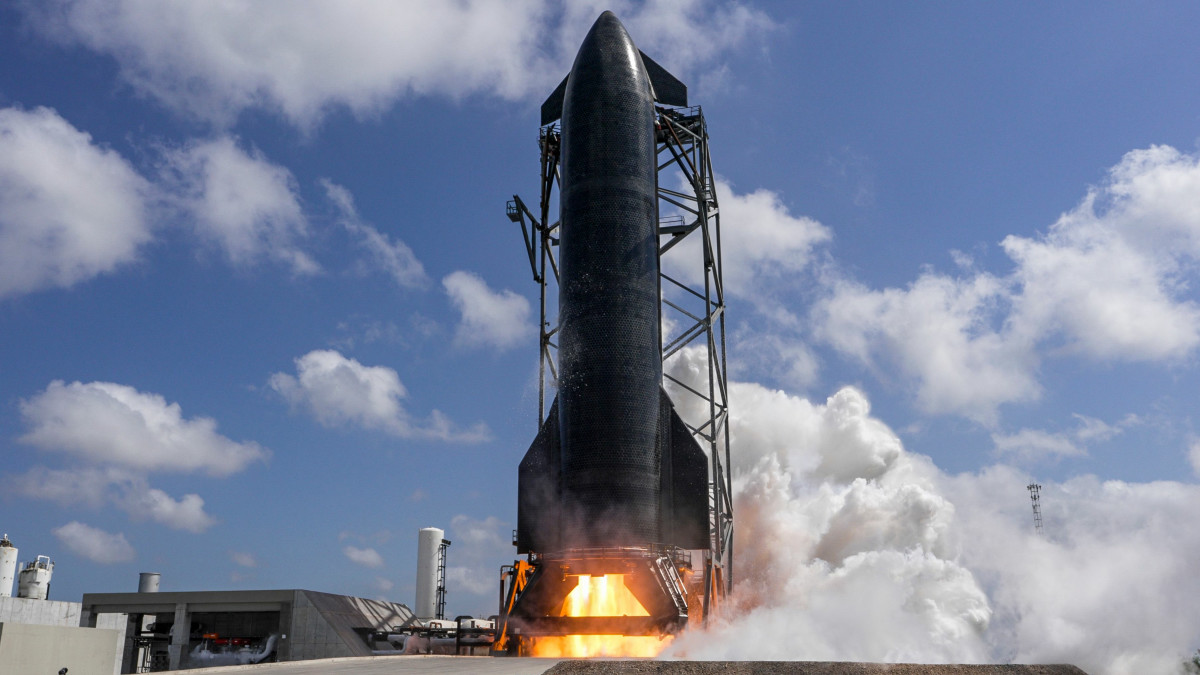
SpaceX, the space development company led by Elon Musk, has unveiled Starship V3 , the latest version of its reusable super-heavy rocket,
SpaceX - Introducing Starship V3
https://www.spacex.com/updates#starship-v3
Starship's twelve flight test will debut the next generation Starship and Super Heavy vehicles, powered by the next evolution of the Raptor engine and launching from a newly designed pad at Starbase. The launch is targeted as early as Tuesday, May 19 → https://t.co/2gZQUxS6mm pic.twitter.com/JxmpL2WE4w
— SpaceX (@SpaceX) May 12, 2026
SpaceX - Starship's Twelfth Flight Test
https://www.spacex.com/launches/starship-flight-12
SpaceX's Starship V3 megarocket finally has a debut launch date. Here's when it will fly | Space
https://www.space.com/space-exploration/launches-spacecraft/spacexs-starship-v3-megarocket-finally-has-a-debut-launch-date-heres-when-it-will-fly
Starship is a super-heavy rocket developed by SpaceX, measuring 9 meters in diameter and 121 meters in length. It consists of a first-stage booster section called 'Superheavy' and a second-stage spacecraft section called 'Starship.'
Starship underwent its first launch test in 2023 , and has since undergone continuous testing and improvements. Then, on May 12, 2026 (local time), SpaceX announced the third generation, Starship V3.
On Starship V3, the number of grid-like fins used to recover the Super Heavy upon its return to Earth has been reduced from four to three, but each fin has been made 50% larger and significantly stronger. These fins have been positioned lower to reduce the effects of heat from the engines, and the shaft actuators and mounting structures have been moved into the booster's main fuel tank to enhance protection.
The hot stage connecting the booster and spacecraft sections has been integrated into the spacecraft, replacing the previous disposable design. Additionally, the fuel transfer tubes that deliver cryogenic fuel from the Super Heavy's main fuel tanks to the 33 Raptor engines have been completely redesigned to be nearly the same size as the Falcon 9 's first stage, allowing all 33 engines to start simultaneously and enabling faster, more reliable reversal maneuvers.
Furthermore, the Starship V3 features a completely redesigned propulsion system. SpaceX states, 'These changes enable a new way to start the Raptor engines, increase propellant tank capacity, and improve the reaction control system used for flight maneuvers. The improved propulsion system also reduces the volume of the rear of the aircraft, where propellant leaks are most likely to occur.'
The Raptor 3 engines mounted on Starship V3 have improved thrust compared to the previous model, increasing from 230 tf (ton-force) to 250 tf at sea level and from 258 tf to 275 tf in a vacuum. Furthermore, weight reduction through simplification of the engine body, components, and related hardware has reduced the mass from 1630 kg to 1525 kg.
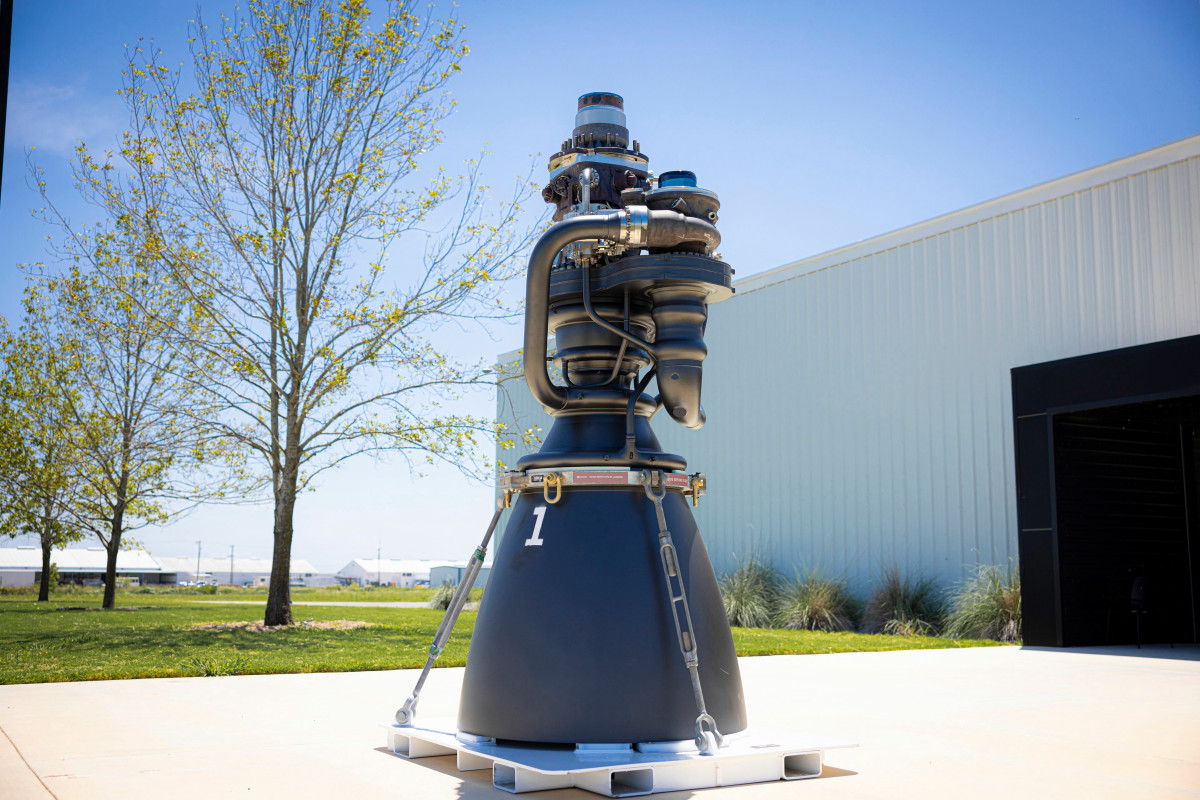
SpaceX has also announced that it will conduct a test launch of Starship V3 at Starbase in southern Texas, USA, on Tuesday, May 19, 2026, local time. Starship V3 is scheduled to launch at 10:30 PM GMT on May 19 (7:30 AM JST on May 20), deploy 22 dummy second-generation Starlink satellites, and splash down 65 minutes after launch.
Related Posts:

in Science, Posted by log1h_ik