To celebrate Google Translate's 20th anniversary, a 'pronunciation practice feature' will be added, and popular translated phrases will also be announced.
Google Translate, which began as an AI experiment in 2006, has celebrated its 20th anniversary. As of the time of writing, Google Translate supports approximately 250 languages, and it has announced several new features while reflecting on the past 20 years.
20 fun facts to celebrate Google Translate turning 20
Celebrating 20 years of Google Translate and… the launch of a top-requested feature! 🎂
— Nick Fox (@thefox) April 28, 2026
One of the toughest things about speaking a new language is getting the nuances of pronunciation just right. Now, you can get instant feedback with 'pronunciation practice,” which uses AI… pic.twitter.com/DdMfiMB9dz
Google Translate is turning 20! 🎉. There are 20 fun facts and tips in the thread below.
— Jeff Dean (@JeffDean) April 28, 2026
Translate is one of my favorite Google products because it brings us all closer together!
I've been involved with a couple of things over the years. The first was our deployment of the… https://t.co/iqJXPMPXS5
Happy 20th anniversary Google Translate! 🌍 It's incredible to see the scale of this product: 1 billion users now translate around 1 trillion words every single month.
— Robby Stein (@rmstein) April 28, 2026
To celebrate, we're launching one of our most requested features: pronunciation practice. Translate will give… pic.twitter.com/X6rlxDCBgG
Google Translate was created with the mission of 'enabling people to understand each other regardless of language.' What started as a small experiment has now become a global tool that is useful and loved by people all over the world.
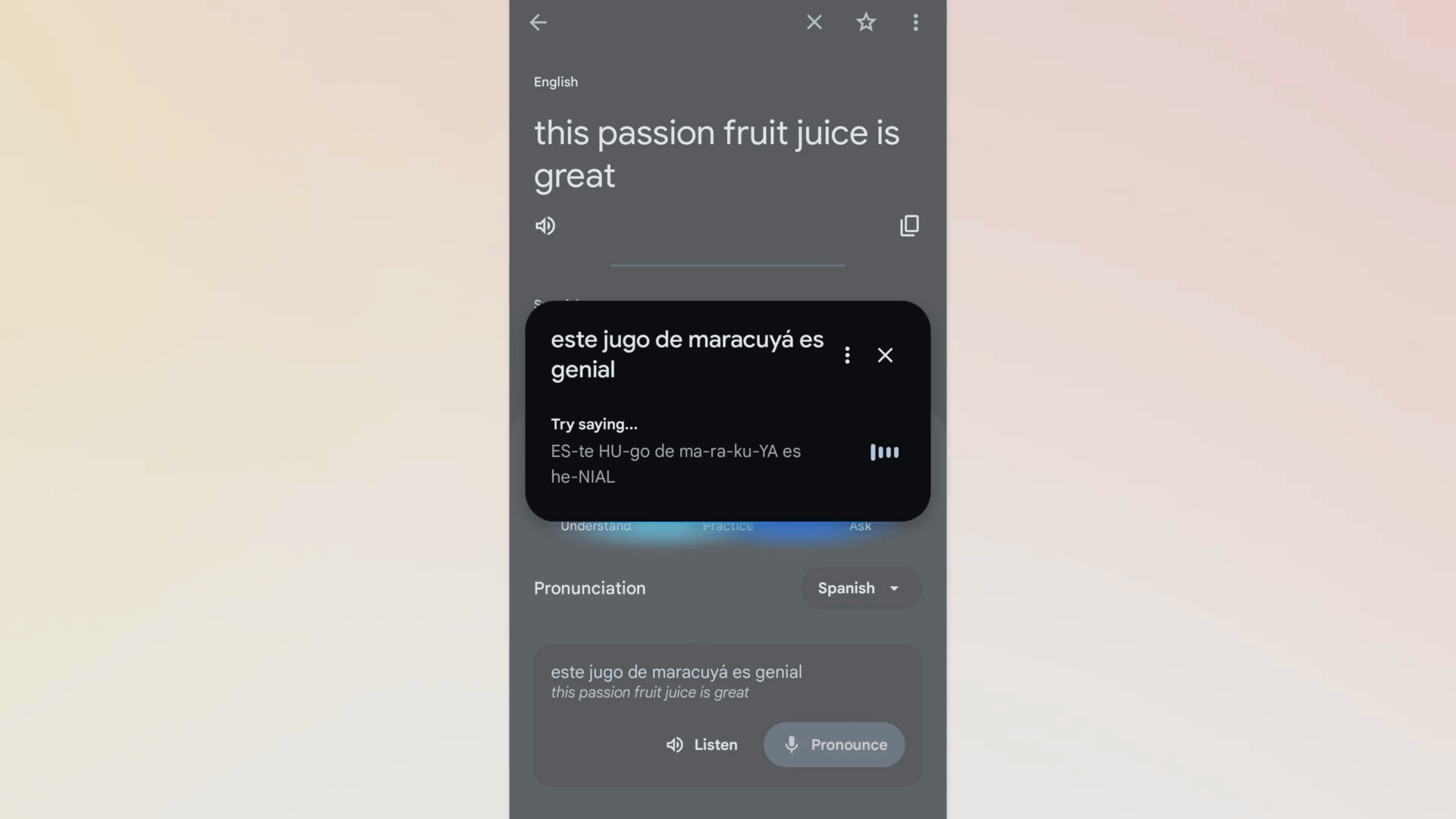
To celebrate its 20th anniversary, Google Translate has released a highly requested pronunciation practice feature. This feature uses AI to analyze speech and provide instant feedback, allowing users to learn correct pronunciation before starting actual conversations. The pronunciation practice feature is available on the Android version of the Google Translate app from the United States and India. Supported languages are English, Spanish, and Hindi.
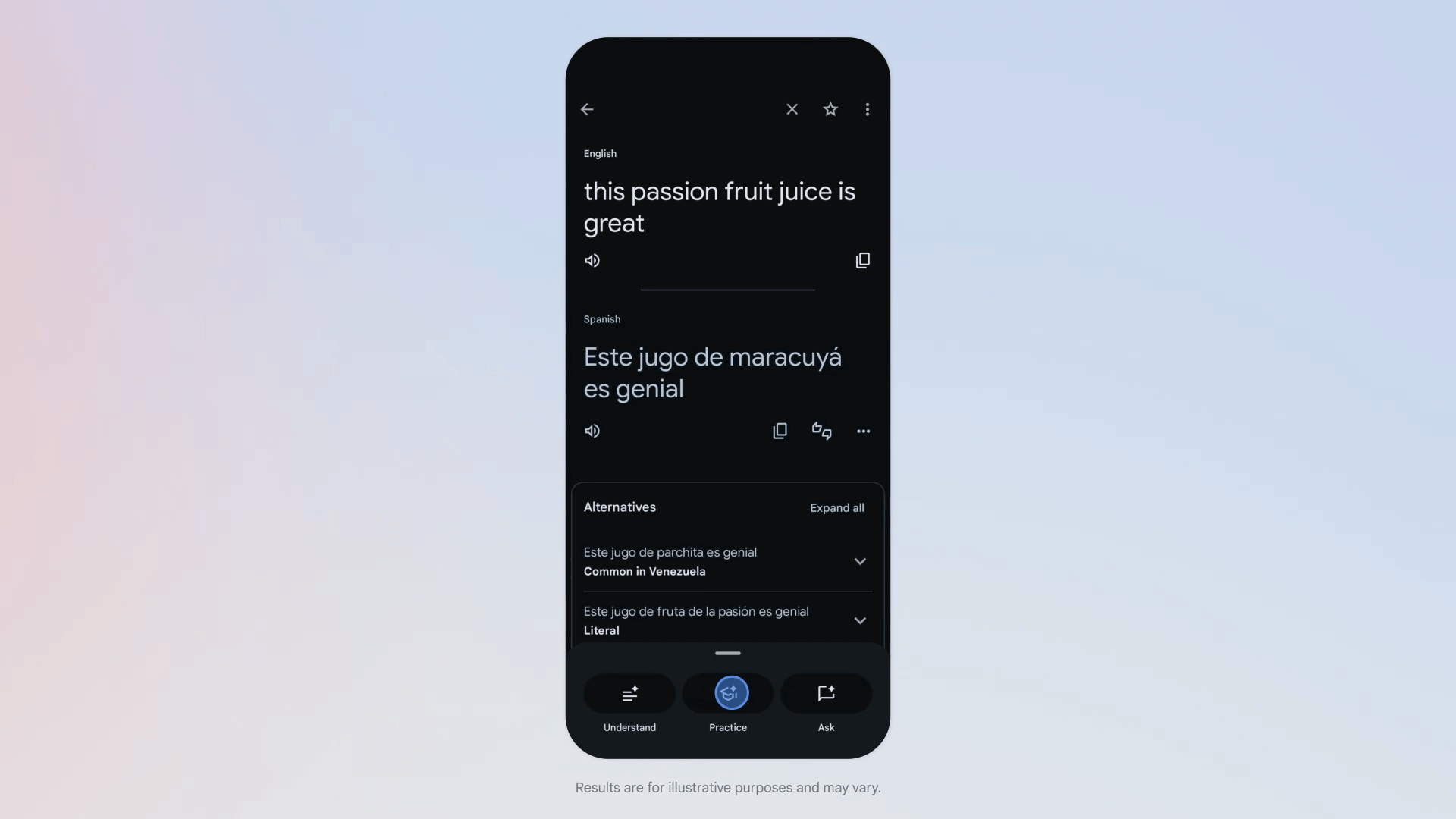
It's easy to use: after translating the text, tap 'Practice' in the bottom center of the screen.
Tap 'Pronounce'.
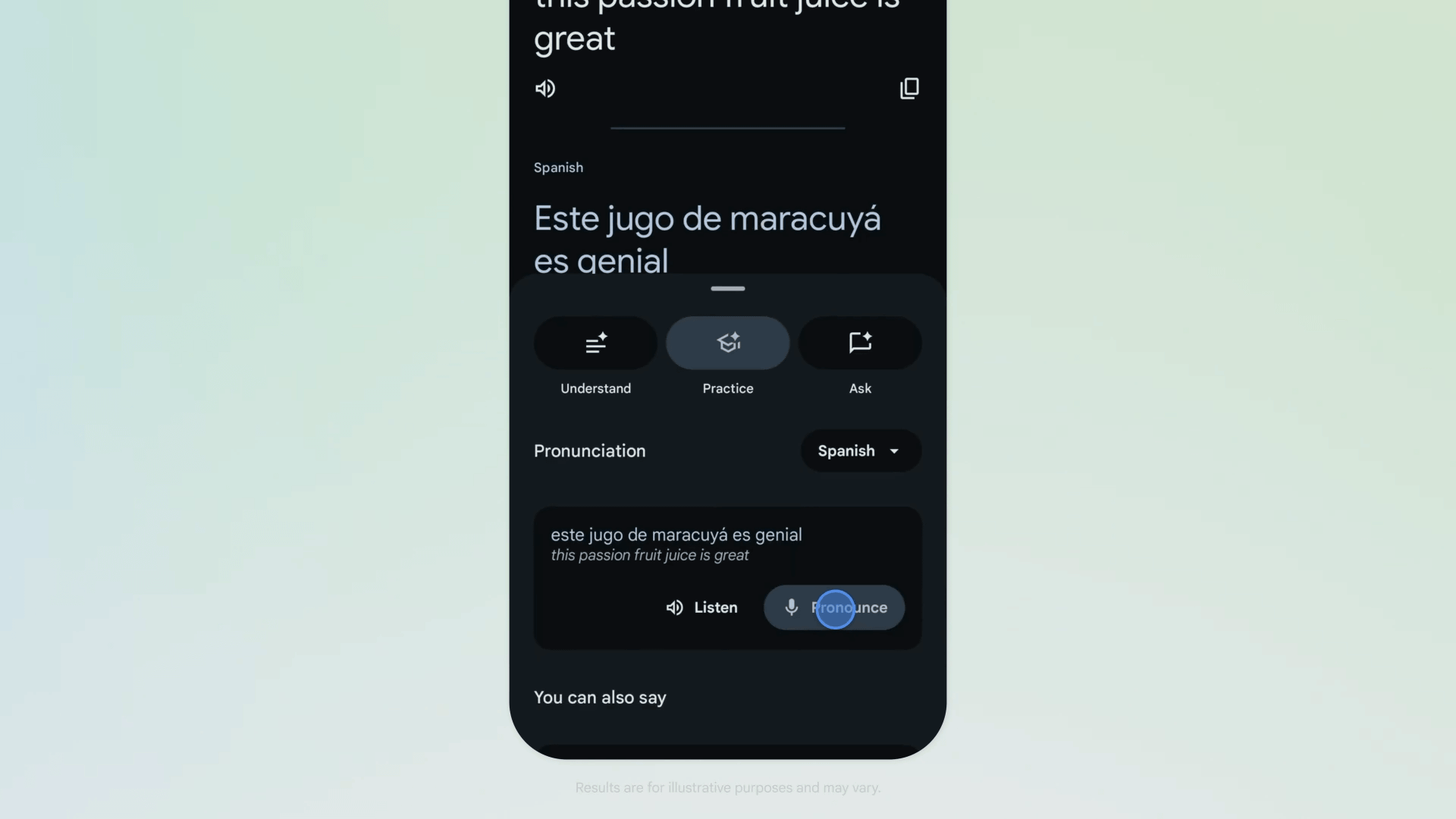
The system then displays how to pronounce the sentence. After you read the sentence aloud yourself, you can listen to a machine-generated example to practice.
According to Google, Google Translate has been using AI and machine learning since its launch. Back in 2006, translation relied on statistical machine learning . At that time, a key element in achieving more fluent and natural translations was research into how to maintain larger and more accurate language models (models that capture the frequency of occurrence of words and short phrases) across trillions of words.
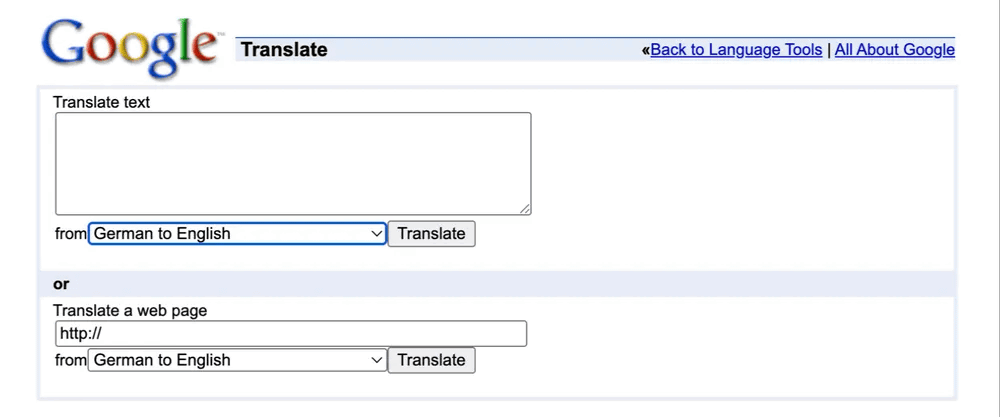
However, Google Translate underwent a major migration to neural networks in 2016, proving that deep learning can function on a global scale and truly benefit people's lives.
Google Translate's AI has acquired its own 'intermediate language' and has entered a stage where it can even translate between languages it hasn't learned - GIGAZINE

Inquiries per egevad
As of the time of writing, Google Translate has successfully improved translation accuracy and usability significantly by leveraging its powerful AI model Gemini and the latest generation of tensor processing units (TPUs).
Celebrating 20 years of Google Translate: how an early experiment became a global utility for a billion people. This journey reflects a strategic, decades-long progression from statistical ML to the Gemini era 🧵 pic.twitter.com/BeE2L1vTLb
— Yossi Matias (@ymatias) April 29, 2026
In addition, Google Translate supports 95% of the world's population, more than 1 billion people use it every month, the number of translated words reaches 1 trillion every month, the most frequently translated language pattern is 'English to Spanish,' and the most frequently translated phrases are those related to gratitude and love, such as 'How are you?', 'I love you', 'Hello', and 'Please.'
Related Posts:




in Web Service, Posted by logu_ii