'Ultra-processed foods' such as snacks and processed meats are linked to decreased concentration and an increased risk of dementia.
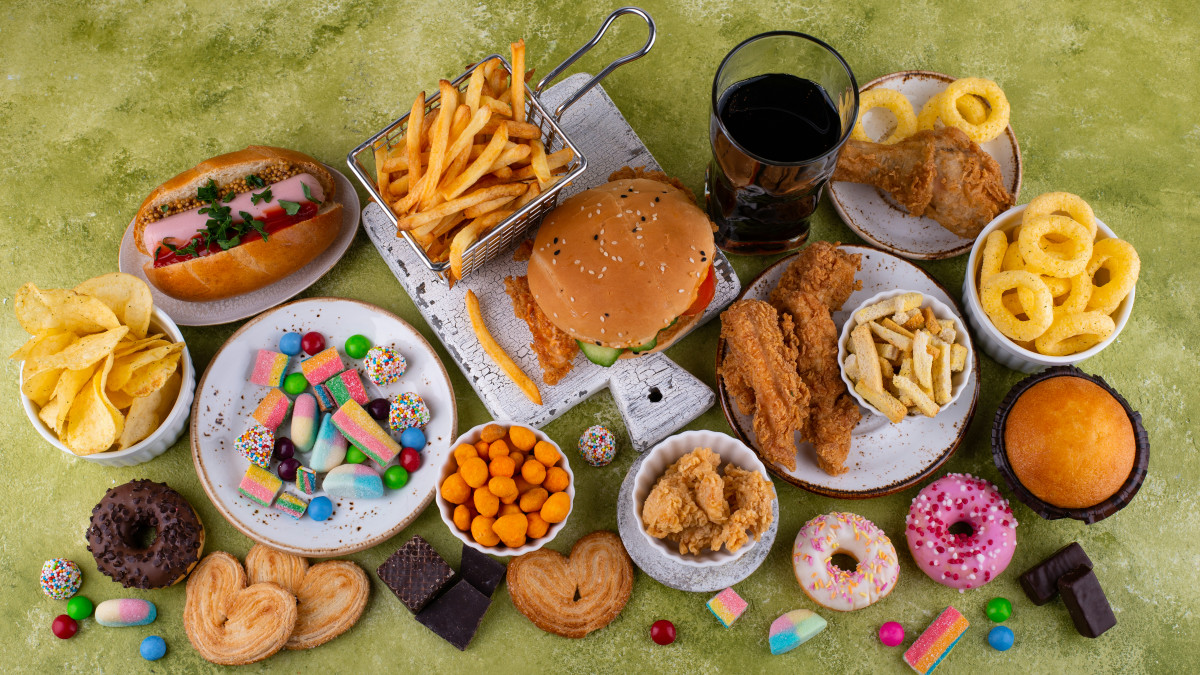
A study has reported that the consumption of '
Ultra‐processed food intake, cognitive function, and dementia risk: A cross‐sectional study of middle‐aged and older Australian adults - Cardoso - 2026 - Alzheimer's & Dementia: Diagnosis, Assessment & Disease Monitoring - Wiley Online Library
https://alz-journals.onlinelibrary.wiley.com/doi/10.1002/dad2.70335
Ultra-processed foods damage your focus even if you eat healthy - Monash University
https://www.monash.edu/news/articles/ultra-processed-foods-damage-your-focus-even-if-you-eat-healthy
Ultra-Processed Foods May Be Quietly Affecting Your Brain's Ability to Focus : ScienceAlert
https://www.sciencealert.com/ultra-processed-foods-may-be-quietly-affecting-your-brains-ability-to-focus
Today, ultra-processed foods have become commonplace in people's diets, but their consumption is known to be associated with a wide range of health risk factors , including cancer, obesity, heart disease, and diabetes, as well as an increased risk of death . Furthermore, studies have reported that ultra-processed food consumption negatively impacts cognitive function .
In this study, a research team led by Barbara Cardoso, a nutritional biochemist at Monash University in Australia, investigated the relationship between the proportion of ultra-processed foods in the diet and concentration levels and the risk of dementia in a total of 2,192 Australians aged 40 to 70 who did not have dementia.
Participants answered a questionnaire about their diet and took four cognitive function tests that assessed their attention and memory. They also provided demographic information, physical activity levels, and other health-related details. The research team calculated the participants' dementia risk using established tools for predicting the likelihood of a dementia diagnosis within 20 years in middle-aged individuals.

Data analysis revealed that ultra-processed foods accounted for approximately 41% of the total energy intake for all participants. This percentage was significantly higher among younger and male participants.
When examining the relationship between ultra-processed foods and cognitive function, it was found that for every 10% increase in the proportion of ultra-processed foods in the overall diet, attention scores tended to decrease by approximately 0.05 points, and the risk of dementia tended to increase by approximately 0.24 points. On the other hand, no correlation was found between the amount of ultra-processed foods consumed and memory scores.
Cardoso stated, 'To put these findings into simple terms, a 10% increase in ultra-processed food intake is roughly equivalent to adding a regular bag of potato chips to your daily diet. Clinically, this resulted in consistently lower scores on standardized cognitive tests that measure visual attention and processing speed.'
This study also found that obesity, low educational attainment, and poor adherence to
Cardoso stated, 'Ultraprocessing often destroys the natural structure of food and injects potentially harmful substances such as artificial additives and processing chemicals. These additives suggest that the link between diet and cognitive function is not simply a matter of not consuming healthy foods, but also involves mechanisms related to the degree of food processing itself.'
Related Posts: