Eating high-fat cheese reduces the risk of dementia, according to a 25-year follow-up study
High- and Low-Fat Dairy Consumption and Long-Term Risk of Dementia | Neurology
https://www.neurology.org/doi/10.1212/WNL.0000000000214343
Cheese Linked to Lower Dementia Risk in 25-Year Study : ScienceAlert
https://www.sciencealert.com/cheese-linked-to-lower-dementia-risk-in-25-year-study
A research team from Shanghai Jiao Tong University School of Medicine published a paper in 2024 using eight datasets containing information on up to 2.3 million Europeans to analyze how various factors, such as smoking, sleep, exercise habits, diet, physical characteristics, and the presence or absence of illness, affect happiness and health in old age. The results revealed that cheese eating has a 3.67% positive impact on 'healthy aging.' A 2023paper by food manufacturer Meiji, J. F. Oberlin University, and the Tokyo Metropolitan Institute of Gerontology also showed an inverse correlation between cheese consumption and poor cognitive function.
Research shows that people who eat a lot of cheese are less likely to experience cognitive decline and age healthily - GIGAZINE
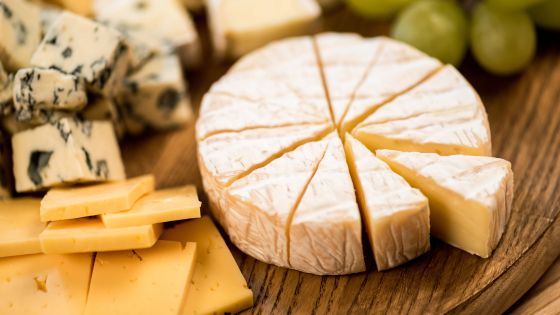
While there are several studies linking cheese to good health, a research team led by Emily Sonnestedt, a nutritional epidemiologist at Lund University in Sweden, conducted a more extensive follow-up study to examine the association between daily cheese consumption and dementia risk. According to Sonnestedt and her colleagues, the view on whether high-fat cheese, in particular, is good or bad for health has been debated for decades, and cheese has sometimes been classified as an 'unhealthy food that should be limited.'
The study analyzed a long-term observational study of the diet and health of 27,670 Swedish adults. Over the course of approximately 25 years, 3,208 participants were found to have developed dementia. Participants completed a seven-day food diary, a food frequency questionnaire, and an in-depth interview about their meal preparation and eating habits.
The analysis revealed that approximately 10% of people who ate 50 grams or more of high-fat cheese per day developed dementia, while the incidence rate was approximately 13% for those who ate less than 15 grams per day. Even after controlling for the effects of age, gender, education, and overall diet, people who ate a lot of high-fat cheese had a 13% lower risk of developing dementia compared to those who ate a low amount.
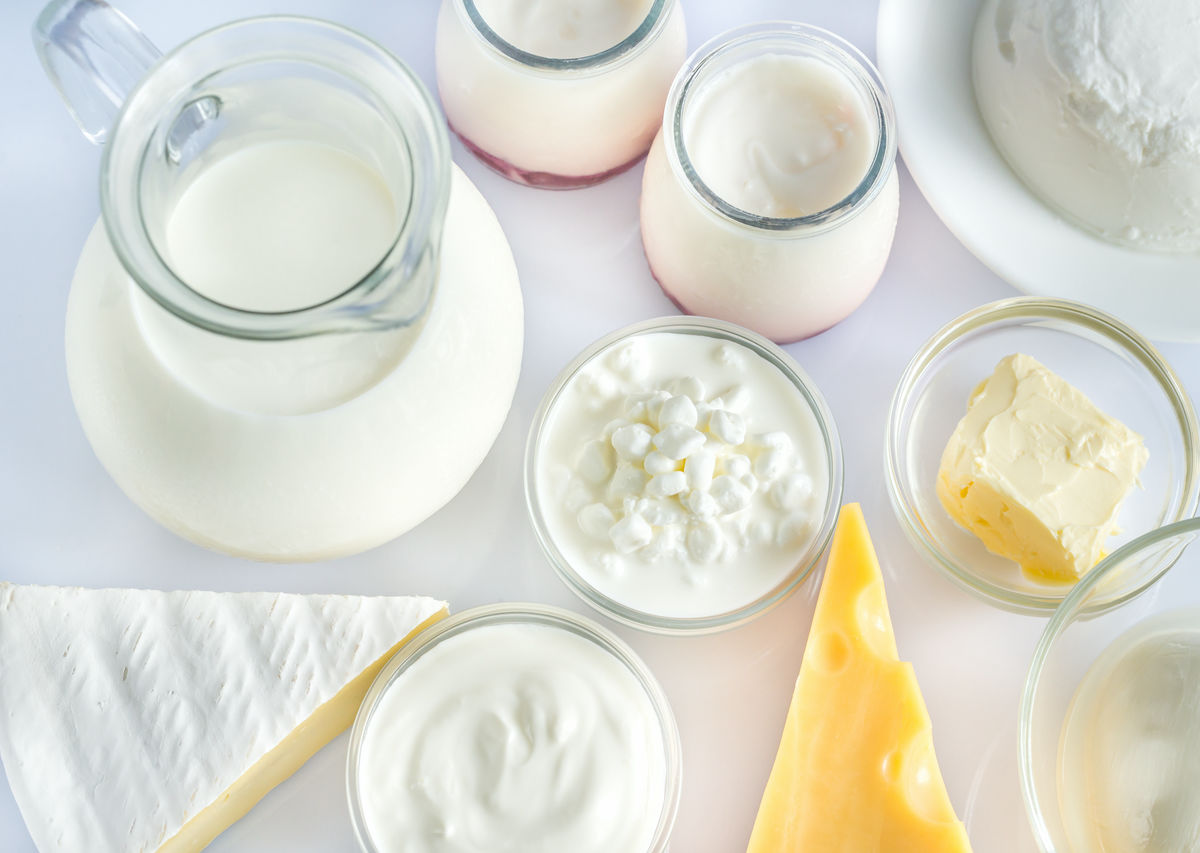
The researchers also found that only high-fat cheeses, such as cheddar, gouda, and camembert, were associated with dementia risk, while low-fat cheeses, cream, various types of milk, and fermented dairy products like yogurt were not. Furthermore, various analyses showed that people who consume a lot of butter may have a higher risk of Alzheimer's disease compared to those who do not consume any at all.
Just as previous studies have not shown the direct reason why cheese is associated with good health, this study has only statistically demonstrated a correlation as a result of a follow-up study, and has not yet clarified the mechanism by which high-fat cheese affects dementia risk. Tara Spiers-Jones, section leader at the UK Dementia Research Institute, said, 'While this is interesting data, we cannot conclude that cheese intake is the cause just because cheese consumption was associated with a lower risk of dementia 25 years later. It is very likely that dietary habits have changed over the 25-year period, and there is no strong evidence that specific foods prevent dementia.'
Related Posts:







in Free Member, Science, Food, Posted by log1e_dh