What challenges must humans overcome to live on the moon?
The unseen challenges of life on the Moon
https://theconversation.com/the-unseen-challenges-of-life-on-the-moon-273370
The Apollo program, conducted from the 1960s to the 1970s, had the primary objective of landing humans on the moon. However, the Artemis program , currently underway at the time of writing, aims to build the foundation and expertise for sustained manned lunar exploration, and NASA is aiming to construct a lunar base where humans can stay for extended periods in the future.
Artemis II tested whether the life support systems, navigation systems, heat shielding systems, and deep space exploration systems of a spacecraft traveling to and from lunar orbit could function safely. However, Bailey points out that many more health concerns need to be addressed before humans can stay on the lunar surface.
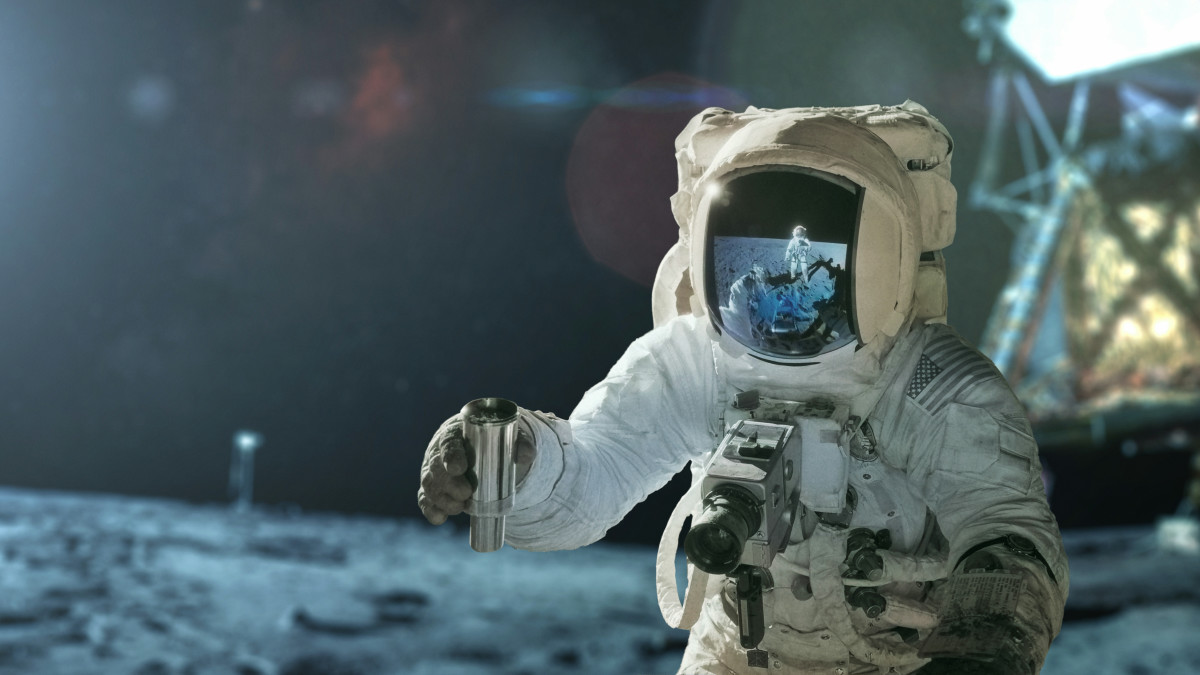
Life on the moon exposes astronauts to a unique environment that puts a strain on every organ system of the human body. This includes gravity that is only one-sixth that of Earth, chronic exposure to cosmic radiation, extreme temperature changes, lunar dust that is harmful to the human body if inhaled, disruption of the sleep-wake cycle, and prolonged isolation.
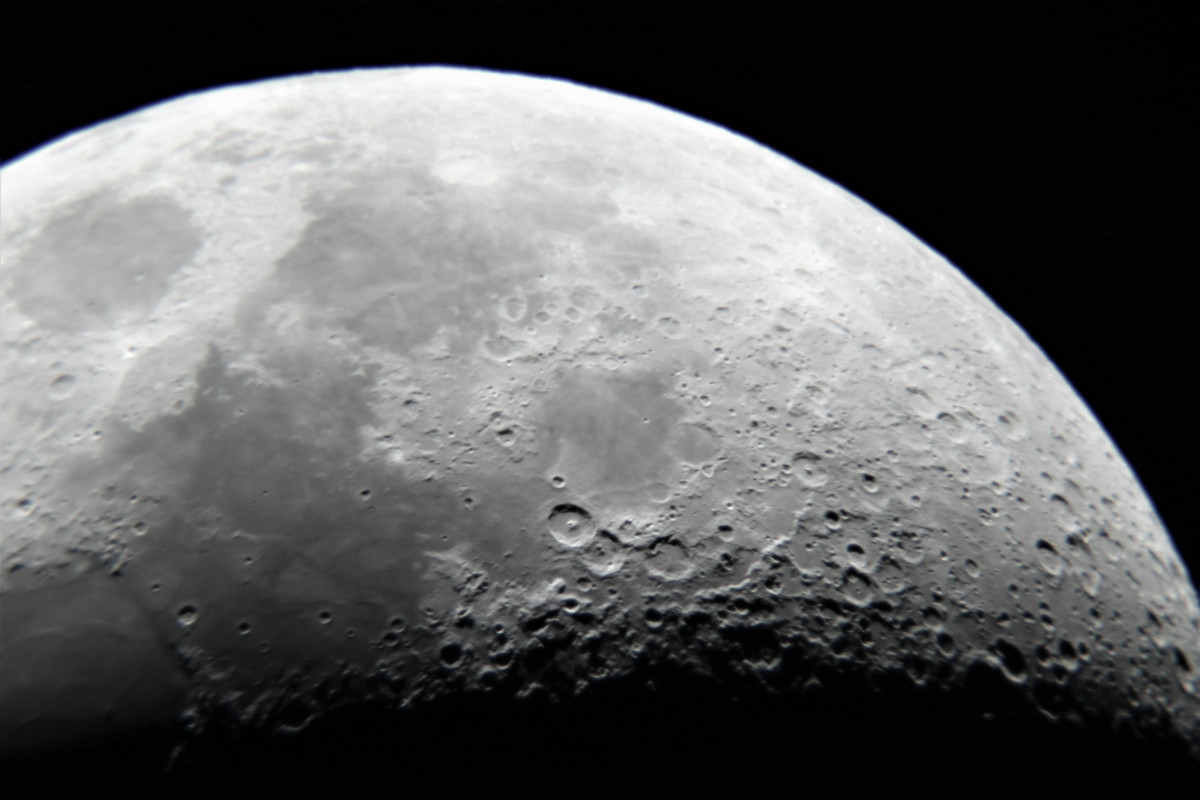
For example, astronauts orbiting the International Space Station (ISS) in low Earth orbit are protected to some extent by Earth's magnetic field from cosmic radiation, but this protection is absent on the lunar surface, resulting in increased exposure to cosmic radiation. This could potentially lead to DNA damage, immune system dysfunction, and adverse effects on the brain and cardiovascular system.
Furthermore, a decrease in gravity fundamentally alters how blood, oxygen, and bodily fluids circulate within the body. A microgravity environment disrupts the supply of blood, oxygen, and glucose to the brain, potentially leading to nervous and vascular dysfunction over time.
One challenge in understanding the risks of space is that 'many physiological changes related to space progress gradually.' Even if an astronaut feels fine, problems may be quietly simmering, and the effects may become apparent months or even years later.
Bailey stated, 'To properly understand these risks, we need to consider not only individual organs, but also how the integrated systems of the brain, heart, blood vessels, muscles, bones, immune system, and metabolic system interact in space. A slight disruption in one system can have ripple effects on others. That's why NASA places such importance on long-term physiological monitoring and mitigating human risks in the scientific strategy of the Artemis program.'

Exercise remains fundamental in mitigating the risks of staying on the moon. Astronauts on the ISS also exercise for about two hours a day using treadmills and other equipment to maintain muscle mass, bone density, and cardiovascular function. Similarly, on the moon, it will be necessary to design an exercise system that can cope with the low gravity. Generating artificial gravity using short-radius centrifuges and exposing astronauts to a high-gravity environment may also help stabilize their cardiovascular and nervous systems.
Nutrition is a factor that affects astronauts' bones, muscles, immunity, and resistance to radiation, and nutritional strategies tailored to individual physiological functions are said to be of great importance in long-term lunar missions.
Furthermore, protection from cosmic radiation relies on multiple layers of defense. These include shielding the living space itself, early warning systems for solar storms , and operational strategies to limit exposure during periods of high risk.
A key point in these risk mitigation measures is that they should all be proactive rather than reactive. Bailey stated, 'By leveraging continuous physiological monitoring, wearable sensors, and advanced data analytics, mission teams will be able to detect early warning signs and intervene before small problems disrupt their mission.'
Related Posts:

in Science, Posted by log1h_ik