If the ice on the Antarctic continent melts, mineral resources such as gold, silver, copper, iron, and platinum will be exposed, and various countries may begin to target them.
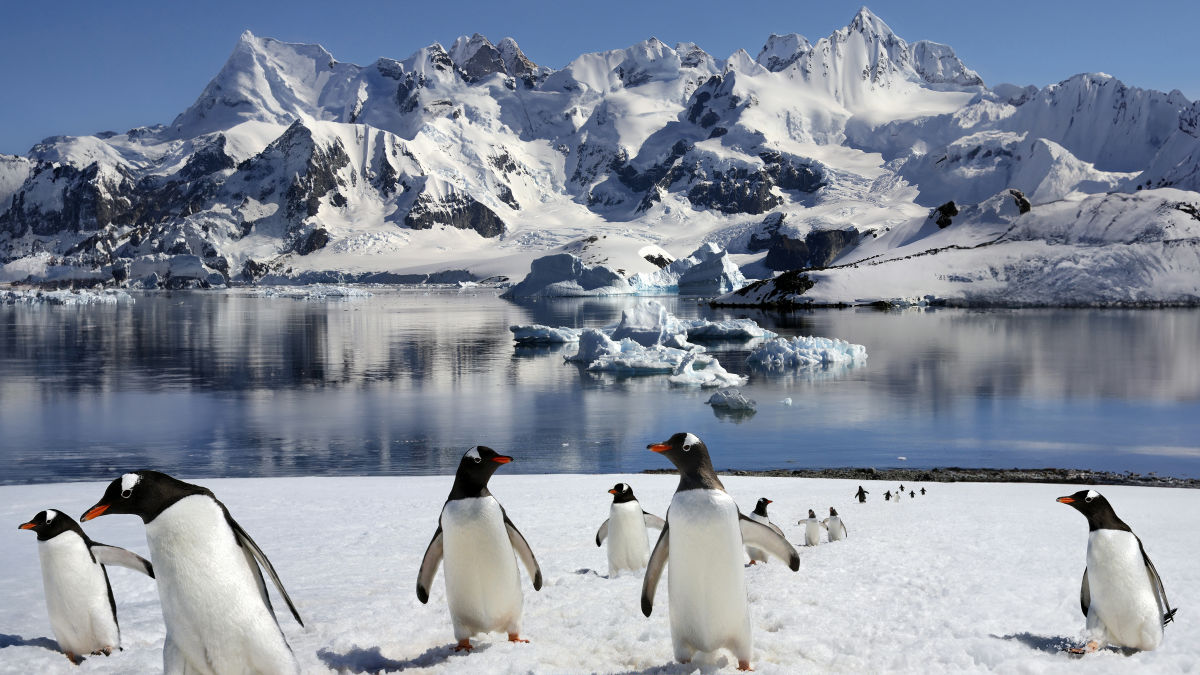
Antarctica is a harsh environment covered in ice, but it once had temperate and tropical climates, teeming with lush vegetation and a wide variety of animals. As the ice on Antarctica begins to melt due to recent global warming, a paper published in the scientific journal Nature Climate Change argues that 'when land is exposed on the Antarctic continent, various mineral resources will become easier to extract, leading to geopolitical changes as countries try to acquire them.'
Emergence of Antarctic mineral resources in a warming world | Nature Climate Change
As Ice Recedes and Land Rebounds, Antarctica's Mineral Resources Come into Focus - Eos
https://eos.org/articles/as-ice-recedes-and-land-rebounds-antarcticas-mineral-resources-come-into-focus
Beneath the ice covering the Antarctic continent lies a diverse landscape of mountains, valleys, and volcanoes, and global warming is causing the ice sheet to gradually retreat, exposing the land. A research team led by geophysicist Erica Lucas of the University of California, Santa Cruz, predicted several scenarios for the melting of the Antarctic ice and analyzed what would happen as a result.
Previous research on land exposure in Antarctica has mostly focused on the spatial changes caused by ice cover. On the other hand, how land rises after being freed from the weight of the ice sheet that covered it, and the effects of different sea level scenarios, have not been given much consideration.
Therefore, the research team incorporated factors such as predicted sea-level changes, information on the thickness of the Earth's lithosphere , and land uplift that would occur if the weight of ice sheets were lost, and predicted the conditions for ice melting by dividing them into three stages: 'high,' 'medium,' and 'low.'
The analysis revealed that by 2300, the area of land exposed would be 120,610 km² under the 'high' scenario (the most severe ice melting scenario ) , 36,381 km² under the 'medium' scenario, and 149 km² under the 'low' scenario. For reference, the total area of Japan is approximately 378,000 km² , Hokkaido is approximately 83,500 km² , and Kyushu is approximately 42,000 km² . Under the 'high' scenario, the exposed land area would be roughly the size of Hokkaido and Kyushu combined, while under the 'medium' scenario, it would be slightly smaller than Kyushu.
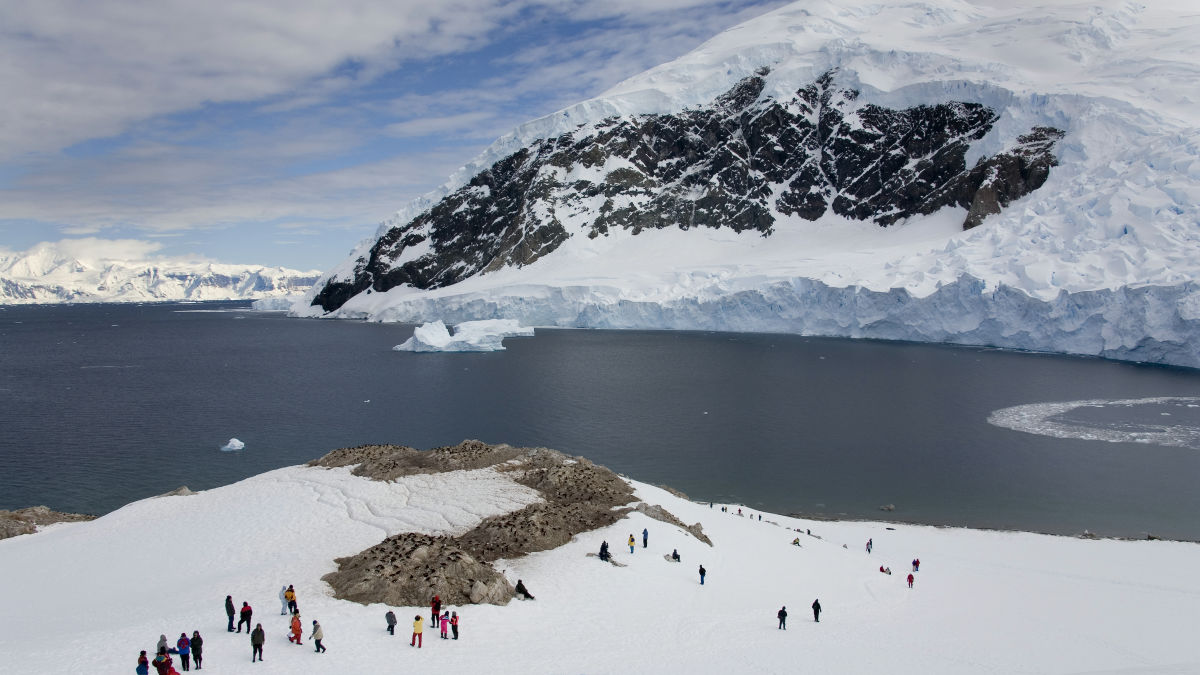
The research team also pointed out that known or estimated deposits of minerals such as gold, silver, copper, iron, and platinum exist in the areas of Antarctica where land is projected to be exposed by 2300. In particular, they found that land exposure is significant in the areas
As of the time of writing, the Antarctic Treaty , which stipulates the peaceful use of Antarctica and the freezing of territorial claims, does not permit commercial mining on the Antarctic continent. However, mining of minerals is permitted only if the activities related to mineral resources are conducted strictly for scientific purposes.
Furthermore, a review of the Antarctic Treaty Environmental Protection Protocol, which prohibits resource development in Antarctica, is scheduled for 2048. The research team argues that if the extraction of mineral resources in Antarctica becomes a realistic possibility at that time, the countries claiming sovereignty may seek to renegotiate the terms.
Tim Stevens, a professor of international law at the University of Sydney, acknowledges that geographical changes in Antarctica could certainly put pressure on legal activities surrounding mineral resources. However, he stated that 'Antarctica will still remain a very difficult environment for mineral extraction,' and pointed out that the emergence of land itself is unlikely to bring about significant changes in Antarctic governance.
Related Posts:

in Free Member, Science, Posted by log1h_ik