This video explains the Opium Wars between 19th-century China and Britain, which have had a strong impact even today.

The educational YouTube channel Nightshift has created an animation titled 'The Madness of the Opium Wars' that explains the history and background of
The Crazy Story of the Opium Wars - YouTube
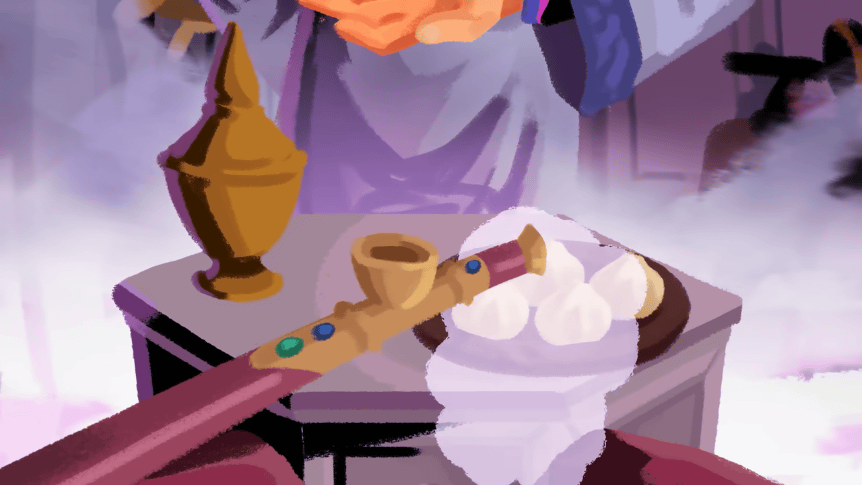
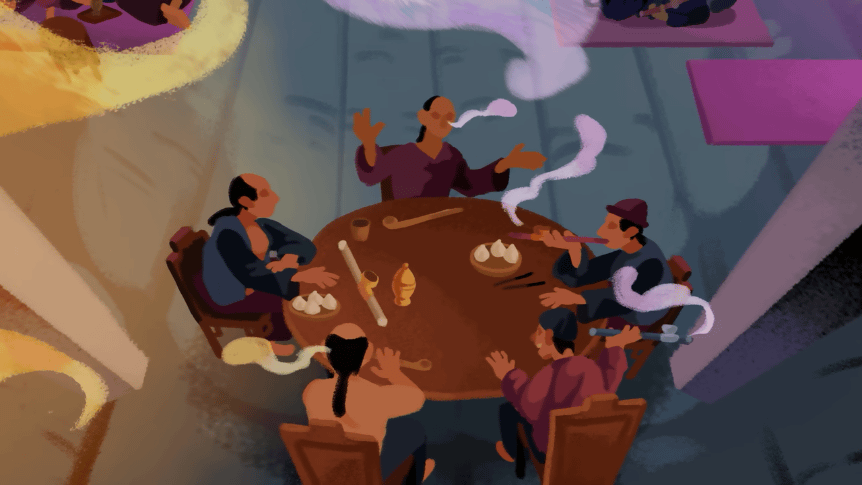
In China around 1839, large quantities of opium were circulating, with an estimated 40,000 boxes of opium being brought in annually via the port of Guangzhou. A huge market had formed, with some establishments offering tea, dim sum, and pipes for smoking opium as a set.
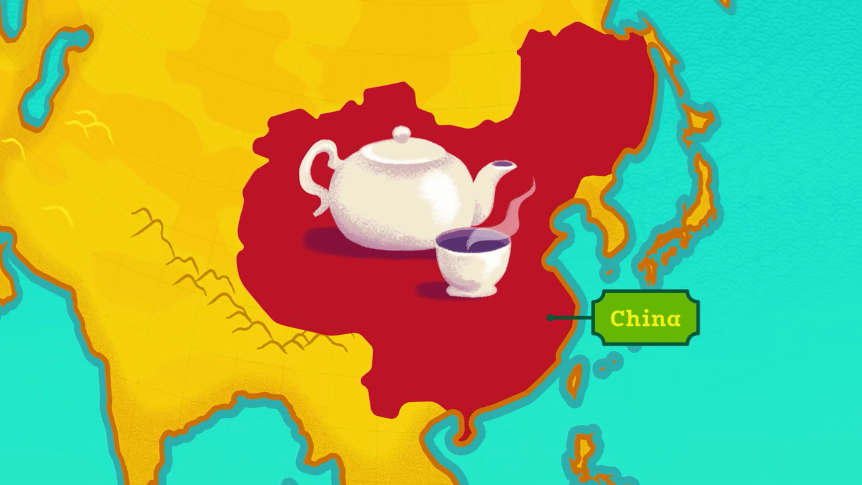
The spread of opium in China began with a surge in tea demand in Britain in the late 18th century. Tea consumption increased by 10,000 percent in a century, and tea-related tax revenues are said to have come to account for about 10 percent of the national budget. At that time, the supply of tea was almost entirely limited to China, but China considered itself the 'center of civilization' and was not keen on importing foreign products, so trade through the import and export of goods did not materialize.
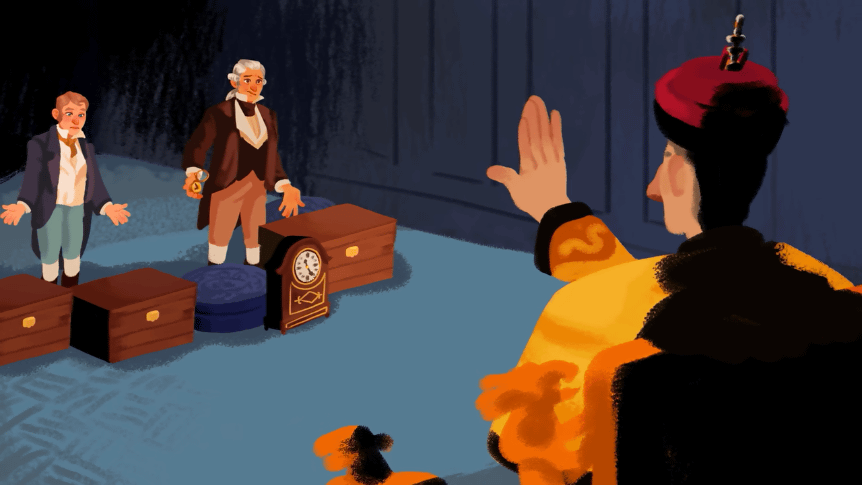
In 1793, Britain sent a delegation to China requesting trade expansion, but
Opium is a substance extracted from the poppy plant . When the poppy pod is cut open, a milky white viscous substance called 'raw opium,' containing morphine and codeine , oozes out. Since both morphine and codeine have analgesic properties, opium has been used as a painkiller since ancient times. Furthermore, there are records indicating that before the development of anesthesia, pain was dulled by applying sponges soaked in opium and mandrake juice to patients.
How did surgeons try to reduce patients' pain before the invention of anesthesia? - GIGAZINE

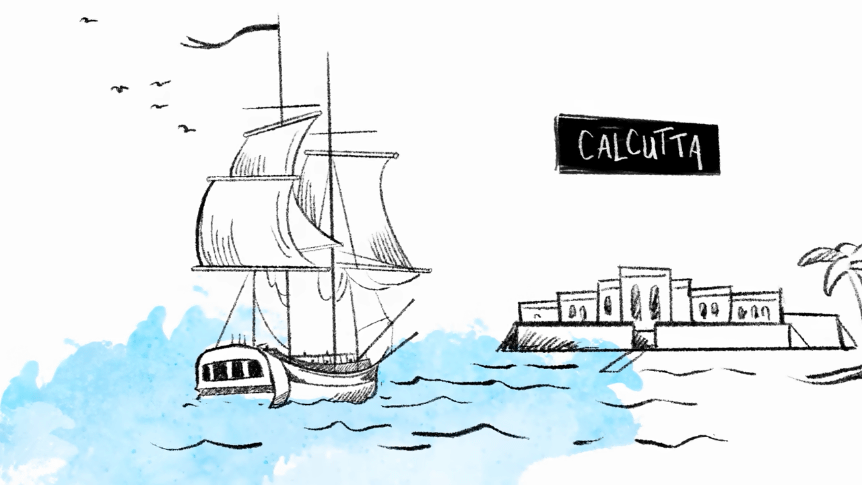
In China, the demand for opium as a recreational drug expanded from around the 17th century, and it was traded at high prices in port cities in southern China for social events among wealthy merchants. Furthermore, when the British East India Company controlled the Bengal region of India in the 18th century, the presence of opium cultivation in the surrounding area forced farmers to cultivate poppies, which were more profitable, instead of food crops. It has been pointed out that large-scale opium production policies led to food shortages and contributed to famine. For the British, who were looking for trade goods to sell in China, opium production in Bengal was a serendipitous business opportunity, and opium began to be smuggled into China via private merchants in Kolkata (then Calcutta), a port city in Bengal.
Thus, silver, which had previously flowed unilaterally from Britain to China, began to flow from China to Britain through opium smuggling, and within a few decades, the opium trade became the foundation of the British treasury. Then, when the East India Company's monopoly on trade with China was abolished in 1833, private merchants entered the opium smuggling business, and the distribution of opium expanded even further. As a result, opium spread from a small number of wealthy people to a broader market.
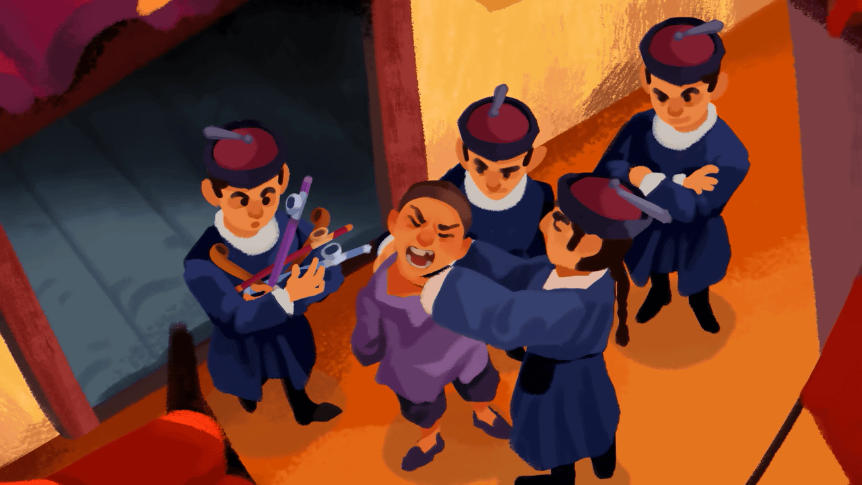
The Qing dynasty took seriously the economic strain caused by the outflow of silver due to opium purchases, and in 1839,
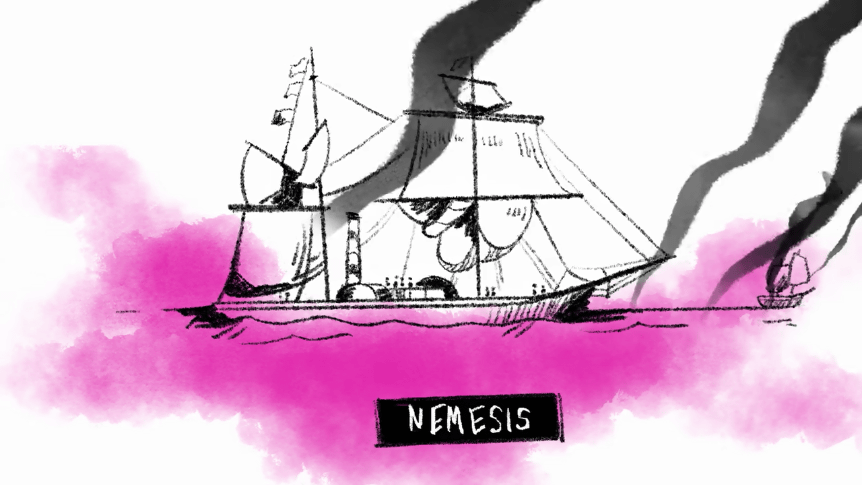
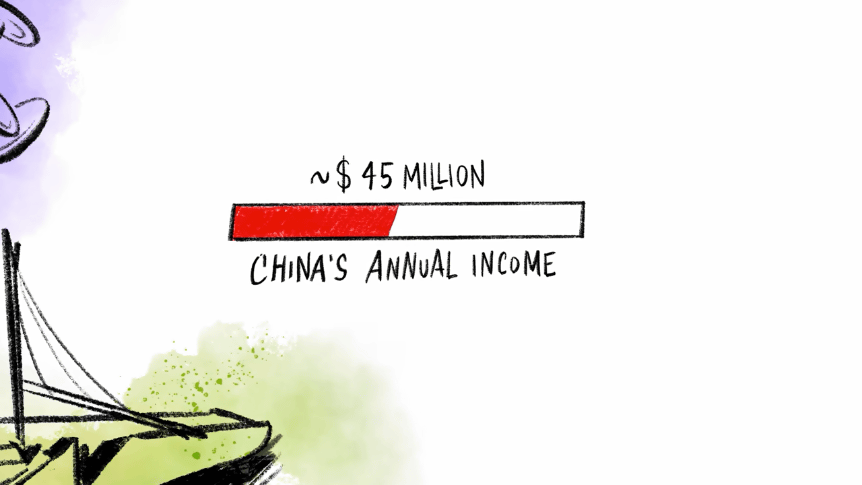
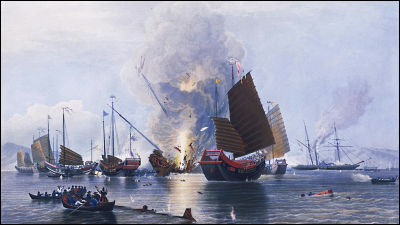
The value of the lost opium is estimated to be equivalent to about 4% of the national budget at the time, which in today's value would be approximately £55 billion (about 11 trillion yen), close to the British defense budget. In October 1839, the British cabinet decided to occupy ports and send warships to force China to pay back the opium confiscated by the Chinese government. In June 1840, a British fleet was spotted off the coast of Hong Kong, and by August, 4,000 soldiers, including 16 warships and 27 transport ships, had arrived in China. At this time, Britain, having undergone the Industrial Revolution, possessed steamships and modern weapons, while the Qing dynasty, although having 800,000 soldiers, mainly used outdated weapons, resulting in a significant disparity in military power between the two sides. Among the British ships deployed at this time was the '
The British invasion lasted for two years, and on August 29, 1842, Chinese officials boarded British warships to conclude
The Treaty of Nanjing did not explicitly address opium, which was the direct cause of the war. Furthermore, the Arrow War, also known as the Second Opium War, began in 1856, and the Treaty of Beijing in 1860 followed the Treaty of Nanjing in that it stipulated unfavorable reparations and the opening of ports to China. Opium continued to circulate within China afterward and was eventually legalized.
Following the Opium Wars, China remained at a disadvantage in its relations with Western powers, a period later known as the ' Centennial Humiliation .' Ultimately, the Qing Dynasty, which had prospered for nearly 200 years, collapsed in 1912.
Why did the Qing Dynasty, China's last dynasty, collapse so rapidly? - GIGAZINE
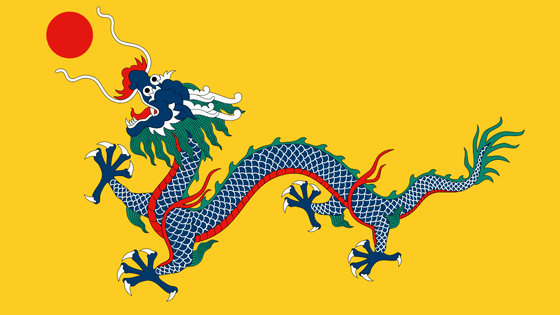
According to Nightshift, opium was perceived in China as a 'foreign poison that could destroy a nation,' while in the West it was redefined as a 'dangerous drug from the Orient.' Nightshift points out that the series of conflicts, including the Opium Wars, continue to influence current politics and education.
Related Posts:




in Video, Posted by log1e_dh