The war in Iran is negatively impacting not only oil supplies but also helium and aluminum supplies, and is having repercussions on iPhones and AI.
Since Israel and the United States jointly
It's not just oil — the Iran war is disrupting helium and aluminum supplies. Here's the impact. - CBS News
https://www.cbsnews.com/news/iran-war-helium-aluminum-shortage-impact/
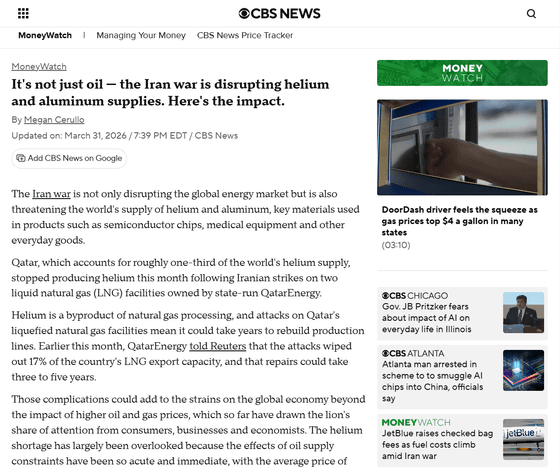
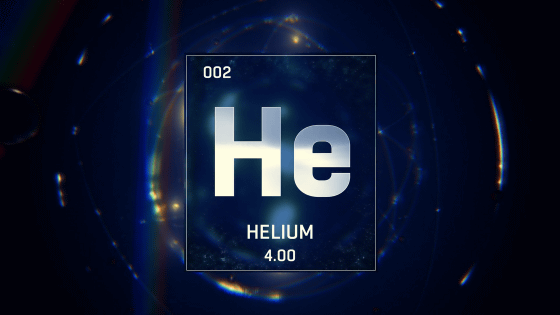
Qatar, which accounts for about one-third of the world's helium supply, suffered an Iranian attack on two liquefied natural gas (LNG) facilities owned by its state-owned company, Qatar Energy. As a result, Qatar Energy has suspended helium production at these facilities.
Helium is a by-product of natural gas processing, and the attacks on Qatar's liquefied natural gas facilities mean that it could take several years to rebuild production lines. In early March 2026, Qatar Energy told Reuters that the Iranian attacks had destroyed 17% of Qatar's liquefied natural gas export capacity and that it would take 3 to 5 years to recover.
Up until now, the focus of attention regarding the impact of the Iran War has been solely on soaring prices due to the disruption of crude oil and gas supplies, while the helium shortage has been largely overlooked. Regarding this, Vidya Mani, associate professor of economics at the Darden School of Business at the University of Virginia, said, 'We were so preoccupied with gas supplies that we overlooked the helium shortage.'
CBS News points out that only a few countries produce helium, and a disruption in supply from any of these countries would destabilize the global market. The United States is the world's largest producer of helium, but Qatar, Algeria, and Russia are also major producers. Furthermore, because helium supplies from Russia are prohibited by sanctions imposed by the United States and the European Union (EU), Qatar has become a very important source of supply.
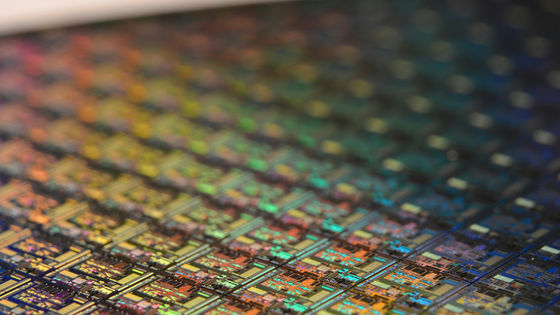
Helium has high thermal conductivity and is ideal for rapid cooling, making it essential for semiconductor manufacturing. Semiconductor manufacturers use helium to cool wafers, which are silicon discs on which tiny electronic circuits are printed.
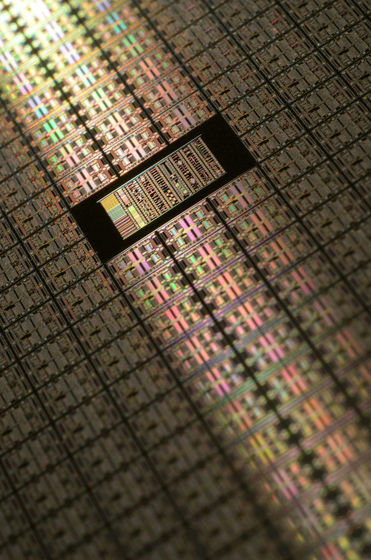
According to Jacob Feldgoys, an analyst at Georgetown University's Center for Security and Emerging Technologies, helium is used in the '
Mani said, 'Helium is essential for semiconductor manufacturing, and a significant portion of it is supplied by the Gulf states. Imagine what would happen if we ran out of the chips that power laptops, iPhones, and small electronic devices. Every device with a circuit uses helium as a raw material, and if helium is not readily available, all of them will be affected.'
In the medical industry, helium is used to cool the superconducting magnets that power magnetic resonance imaging (MRI) machines . In the space industry, helium is used to purge rocket fuel tanks, and with space development companies like SpaceX and Blue Origin launching satellites, the demand for helium is expected to expand even further in the future.
According to Mani, manufacturers that use helium typically do not stockpile more than two months' worth of helium. When this helium shortage begins, 'the impact will start to spread much more widely,' Mani said.
According to experts, helium suppliers have already warned their American customers, including semiconductor and electronics manufacturers, to be prepared for supply shortages and price increases.

Cliff Kane of Pulsar Helium, a helium exploration and development company, said, 'Everything will definitely be affected, from automotive chips to iPhones.' Kane added that since there is no way to increase the supply of helium in the near future, a global helium shortage will hinder semiconductor manufacturing. Consulting firm Oxford Economics also pointed out that the helium shortage could hinder the construction of AI data centers and cause AI companies to scale back their investment plans.
Kane said, 'Semiconductor manufacturers have already stated that they will not be able to meet their 2030 manufacturing targets. They have the resources, but they won't be able to compensate for the global disruption.'
Yvette Connor, head of risk advisory at business advisory firm Cornresnick, points out that chip shortages linked to helium supply shortages could slow the growth of AI companies in the United States. 'It could slow down the rate of growth, not the companies' capabilities,' Connor said.
Furthermore, according to supply chain experts, a prolonged war in Iran could lead to shortages of nitrogen and aluminum. If that happens, it could result in higher prices for food and packaging materials for American consumers.
According to Oxford Economics, the Gulf states account for approximately 9% of the world's aluminum supply, and the supply chain is already beginning to be affected. In fact, aluminum prices reached a four-year high in the fifth week of March 2026.
According to Mr. Mani, the aluminum shortage is feared to have a direct impact on packaging costs in the short term, and could also affect the automotive and electronics industries.
According to information obtained by Reuters from South Korean government sources , South Korea, home to world-leading semiconductor manufacturers such as Samsung Electronics and SK Hynix, appears to have secured enough helium to last at least until June 2026. South Korea is reportedly paying a premium price to obtain this sufficient quantity of helium, primarily importing it from the United States.
Related Posts:



in Note, Posted by logu_ii