Strengthening 'gut-brain communication' may potentially reverse the aging process of memory and cognitive function.
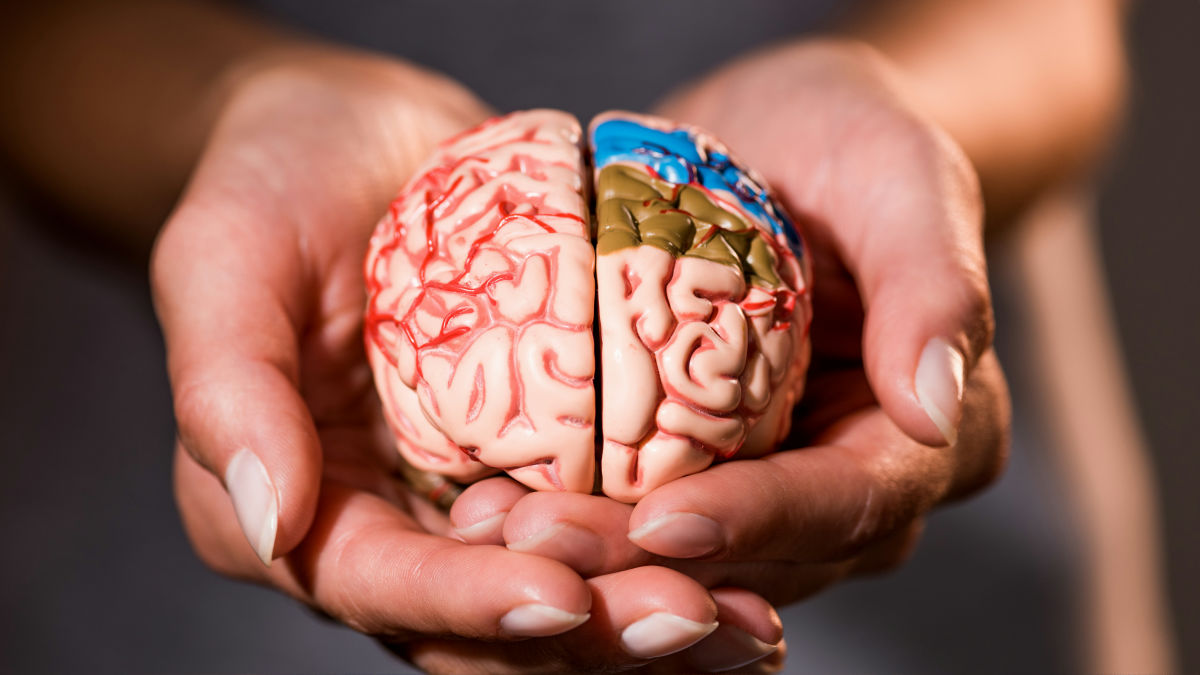
Recent research has revealed that the gut and brain communicate closely. Now, a research team from Stanford University and the ARK Institute has shown in experiments using mice that strengthening 'gut-brain communication' may reverse age-related cognitive decline.
Intestinal interoceptive dysfunction drives age-associated cognitive decline | Nature
Enhancing gut-brain communication reversed cognitive decline, improved memory formation in aging mice
https://med.stanford.edu/news/all-news/2026/03/gut-brain-cognitive-decline.html
Previous research has shown a close relationship between the gut microbiota and the brain. A research team led by Christoph Saisse, associate professor of pathology at Stanford University, hypothesized that interoceptive sensations transmitted from the gut to the brain via the vagus nerve may be related to age-related declines in memory and cognitive function. While exteroceptive sensations perceive external conditions through sight, hearing, touch, and taste, interoceptive sensations perceive physiological conditions within the body.
Saïss states, 'Exosomatic sensation is basically how we perceive the outside world. We have a wealth of detailed knowledge about this mechanism, but we know very little about how the brain senses what is happening inside the body.'
To test the hypothesis that gut microbiota is related to age-related memory loss, the research team housed young mice (2 months old) and older mice (18 months old) together. By keeping them in close proximity, the young mice came into contact with the gut bacteria of the older mice, and vice versa.
When these mice were examined one month after being reared, it was found that the gut microbiota of the younger mice was beginning to resemble that of the older mice. Furthermore, when the mice's ability to recognize new objects and find the exit from a maze was examined, it was found that the younger mice with a gut microbiota similar to that of the older mice performed significantly worse than other mice of the same age.
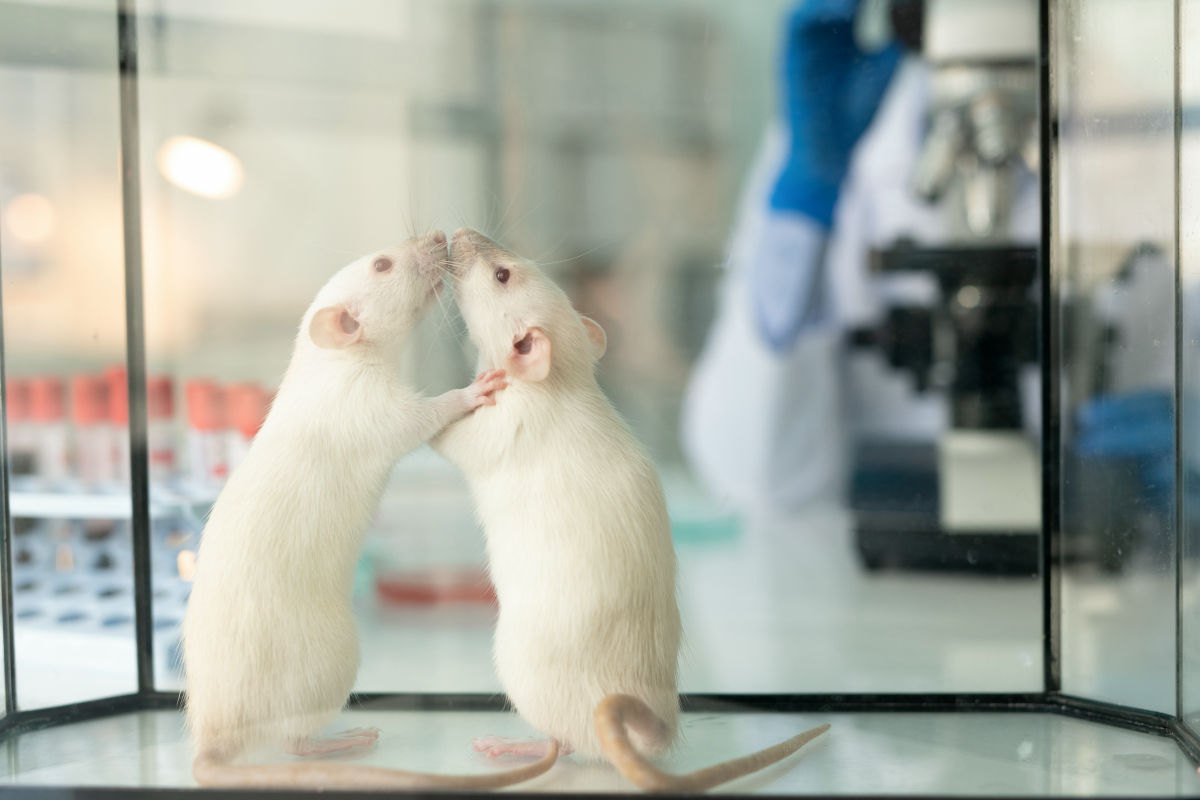
Next, the research team compared young mice, which had been raised in a sterile environment since birth and lacked gut bacteria, with older mice. They found that the young mice did not show any decline in cognitive function even when kept together with the older mice, and the older mice performed almost identically to the young mice. However, when the gut bacteria of the older mice were transplanted into the young mice, their cognitive function tests showed results equivalent to those of the older mice.
Surprisingly, it was found that in young mice whose cognitive function had declined after receiving a transplant of gut bacteria from older mice, administering broad-spectrum antibiotics for two weeks to reduce the gut bacteria resulted in a recovery of cognitive function.
Further investigation revealed that the relative amount of the bacterium
Further experiments confirmed that as Parabacteroides goldsteinii increases, its metabolite, medium-chain fatty acids, also increases. These fatty acids trigger an inflammatory response in immune cells in the gut, inhibiting vagus nerve activity and memory formation. When molecules that activate the vagus nerve were administered to aged mice, their cognitive function recovered to the same level as that of younger mice.

Dr. Saisse stated, 'We have identified a three-stage mechanism of cognitive decline. It begins with the aging of the gastrointestinal tract and the associated changes in the microbiome and metabolism. Myeloid cells in the gastrointestinal tract sense these changes, and the resulting inflammatory response impairs the gut-brain connection via the vagus nerve. This is a direct cause of memory decline. And by restoring vagus nerve activity, we can restore the memory function of older animals to the level of younger animals. Ultimately, we hope that these research findings will be applied in clinical practice to help address age-related cognitive decline in people.'
Related Posts:








in Science, Posted by log1h_ik