Research suggests that frequent ejaculation improves sperm quality more than abstinence.
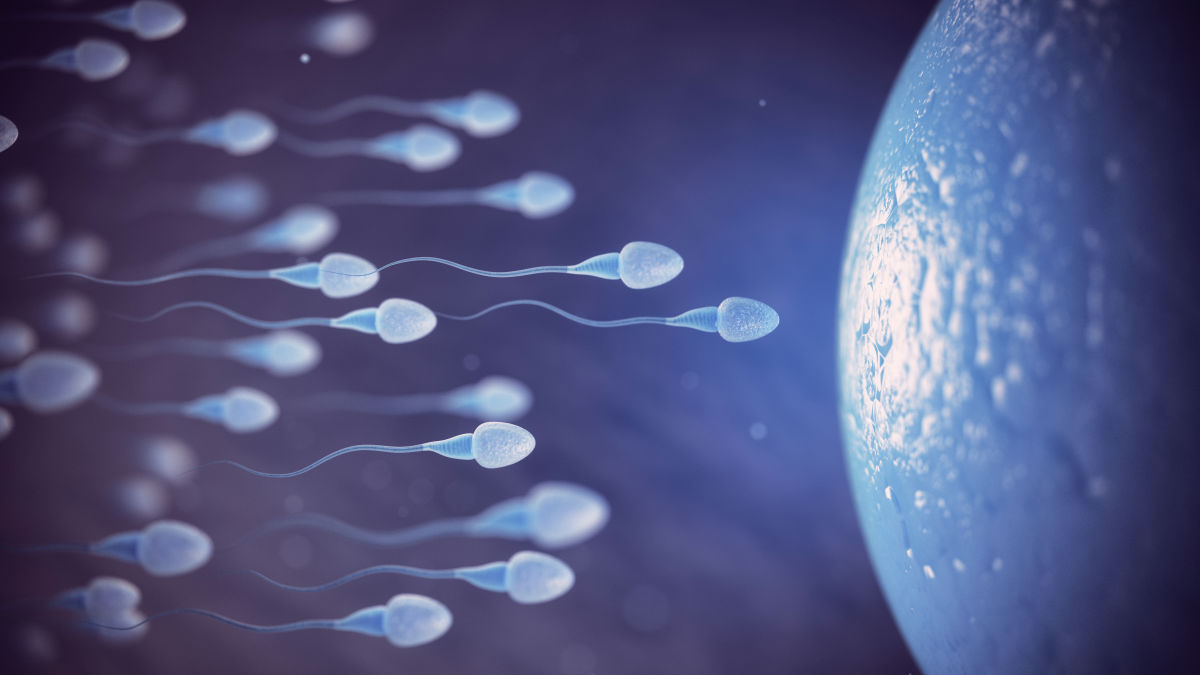
Some couples and married couples who want to conceive may abstain from sex for a while in order to increase the number of sperm ejaculated by the man during intercourse. However, a study of the sperm of approximately 55,000 men revealed that frequent ejaculation improves 'sperm quality' more than abstinence.
Sperm storage causes sperm senescence in human and non-human animals | Proceedings B | The Royal Society
Ejaculating more frequently may improve sperm quality – new study
https://theconversation.com/ejaculating-more-frequently-may-improve-sperm-quality-new-study-275373
Since primordial follicles , which are the precursors to a woman's eggs, are formed during fetal development, the age of a woman's eggs is generally considered to be the same as her age. On the other hand, in men, sperm are continuously produced, so a man's age is not necessarily the same as the age of his sperm.
Sperm produced in a man's testes are stored in an organ called the epididymis until ejaculation. Some men who want to conceive refrain from ejaculating for several days to several weeks before having sex with their partner to increase their sperm count and allow them to release more sperm during intercourse.
This time, a research team led by Dr. Rebecca Dean, a researcher in the Department of Biology at Oxford University, investigated the question: 'Can sperm deteriorate or age while being stored?' Previous research had shown that male fertility and sperm quality decline with age, but the effect of storage period on sperm quality was not well understood.
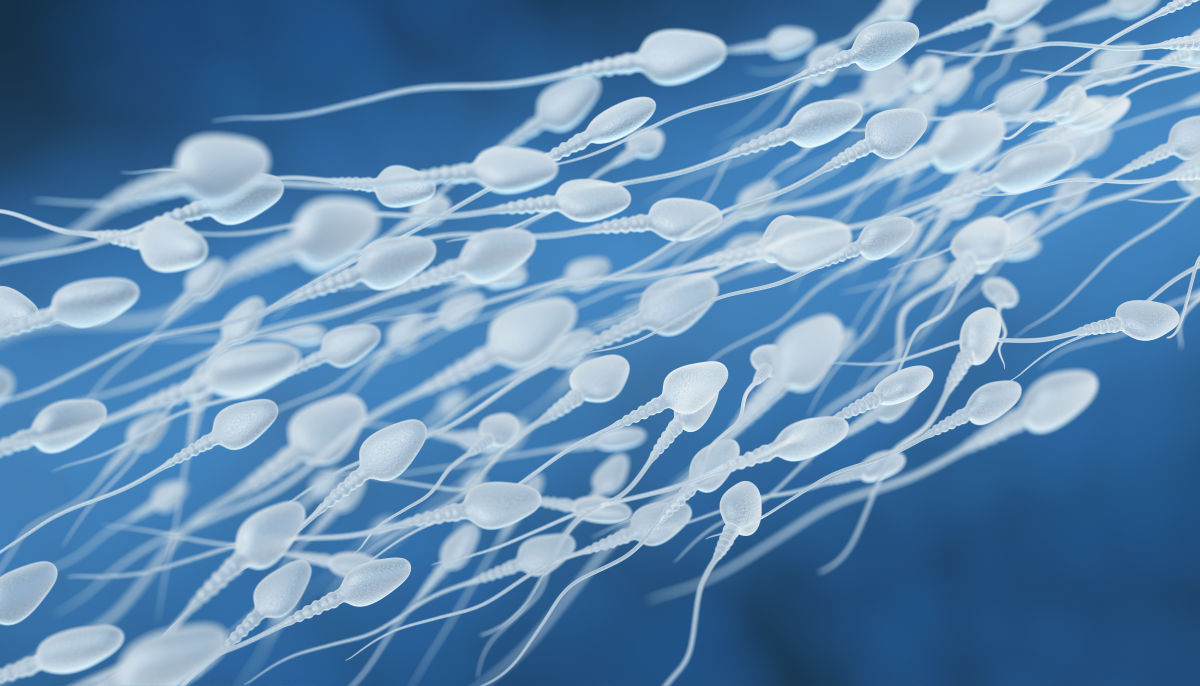
The research team collected sperm data from 115 studies involving approximately 55,000 men in total and analyzed the relationship between ejaculation frequency and sperm quality. The results showed that when men reduce ejaculation, the health of their sperm significantly deteriorates.
Specifically, it has been reported that the longer the storage period, the lower the sperm motility and viability, and the greater the DNA damage. Dean et al. believe that the reasons for this degradation include 'the accumulation of
The World Health Organization (WHO) advises men who provide sperm samples for procedures such as sperm analysis, infertility treatment, and in vitro fertilization to refrain from ejaculating 2 to 7 days before sample donation. However, this study suggests that ejaculating 2 to 7 days before sample donation may improve the quality of the sperm sample.
A study in 2025 reported that ejaculating within 48 hours of providing a sperm sample for in vitro fertilization (IVF) improves the success rate of IVF compared to abstaining for a longer period. Dean and colleagues stated that their current results support these findings.
Furthermore, research has reported that frequent masturbation in primates increases reproductive success rates, suggesting that male masturbation may have evolutionary biological advantages. In other words, by regularly washing away damaged or degraded sperm through masturbation, men can release higher quality sperm during sex.

Furthermore, to investigate whether sperm degradation during storage occurs in animals other than humans, the research team analyzed data from 56 studies involving 30 species of animals, including birds, bees, reptiles, and mammals. The results confirmed that sperm degradation during storage does occur in animals other than humans.
In some animals, sperm can be stored in the female's body for several months to several years, and it has been found that sperm deteriorate more slowly in the female's body than in the male's. The research team speculates that this is because in some animals, antioxidants are secreted in the female's body that protect and nourish the sperm.
Dean and his colleagues stated, 'Whether in mice or humans, sperm, like eggs, have an 'expiration date' after they are produced. Storing sperm for extended periods before fertilization degrades their quality. However, importantly, our findings suggest a simple yet highly effective solution. Using fresh sperm for fertilization could improve sperm quality and significantly enhance the success of infertility treatments.'
Related Posts:






in Free Member, Science, Posted by log1h_ik