A EU-backed investigation has revealed that harmful substances were detected in all headphones and earphones, including those from major manufacturers such as Apple and Bose.
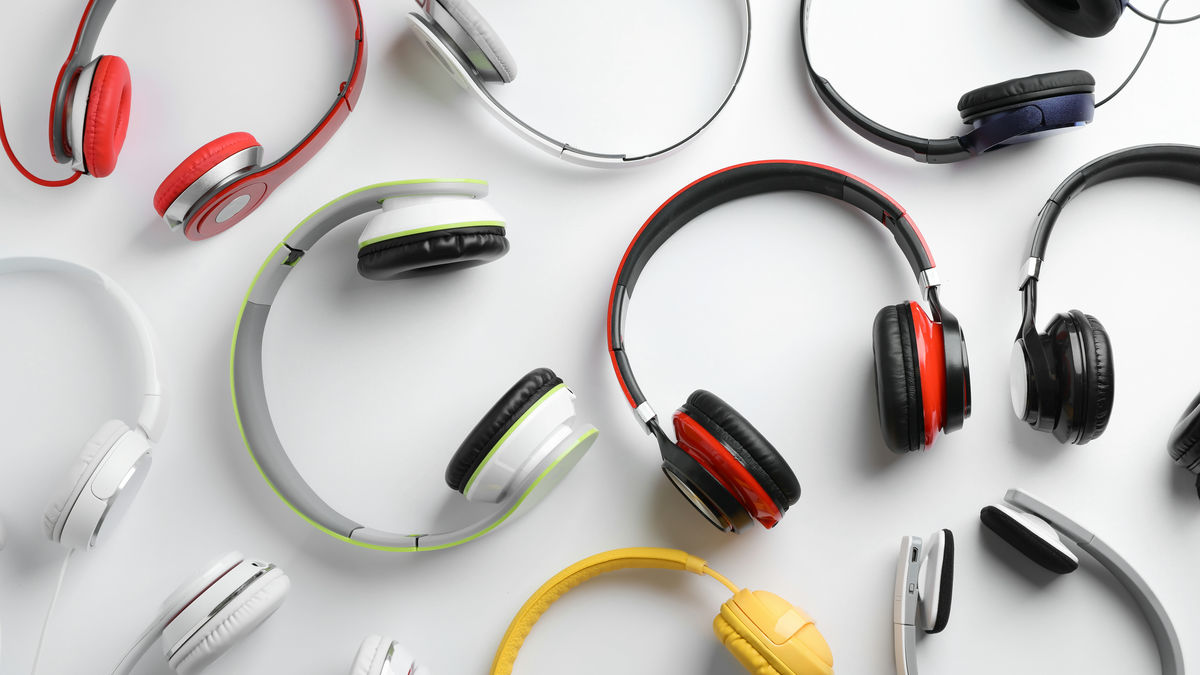
A study conducted in five Central European countries with EU funding has reported the detection of harmful chemicals in all headphones analyzed, regardless of whether they were high-end models or inexpensive imports. Major brands such as Apple, Samsung, and Bose were included in the study, and some retailers have stopped selling the affected headphones.
The Sound of Contamination: All Analysed Headphones on the Central European Market Found to Contain Hormone-Disrupting Chemicals
The Sound of Contamination: A Comprehensive Analysis of Endocrine Disruptors and Hazardous Additives in the Headphones
https://arnika.org/en/publications/the-sound-of-contamination
European retailers yank popular headphones after study reports trace amounts of hormone-disrupting chemicals | The Verge
https://www.theverge.com/science/894771/headphones-hormone-disrupting-chemicals-study
The ToxFree LIFE for All project , an international initiative aiming to reduce hazardous chemicals, is conducting a wide range of product surveys and advocacy efforts to ban the use of hazardous substances in clothing, cosmetics, and furniture. As part of the project, the Czech environmental organization Arnika conducted a chemical survey of 81 types of headphones and earphones sold across Central Europe and online marketplaces. The surveyed products included multiple brands, including major brands such as Apple, Beats, Samsung, Bose, JBL, and Sennheiser, all of which are readily available in general retail markets.
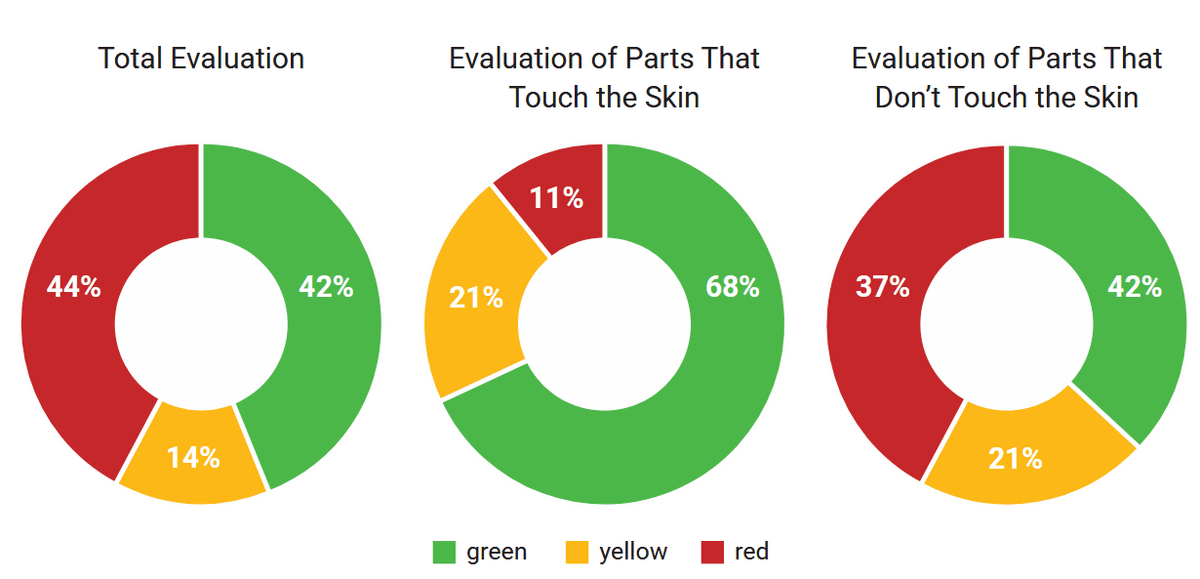
In the survey, each product was scored based on three criteria: 'parts that come into contact with the skin,' 'parts that do not come into contact with the skin,' and 'overall product evaluation.' For each criterion, 'lowest risk' was rated 'green,' 'meets legal standards but exceeds strict voluntary limits' was rated 'yellow,' and samples that 'require concern,' 'do not meet legal standards,' or 'contain multiple harmful substances' were rated 'red.' The overall evaluation was 42% green, 14% yellow, and 44% red. While 68% of the products that come into contact with the skin were judged to be low risk (green), 58% of the products that do not come into contact with the skin (yellow and red combined) were judged to contain a certain level of harmful chemicals.
Apple's
Analysis revealed that bisphenol , an endocrine disruptor, was detected in all the products examined. Bisphenols can disrupt hormonal activity in the body, and there are concerns about their long-term effects on reproductive function and development. As a result, the EU has banned the use of bisphenols in food contact materials since January 2025.
The study found that bisphenol A, a widely regulated substance, was detected in 98% of the samples, and its substitute, bisphenol S, was detected in more than three-quarters. The maximum concentration of bisphenols reached 351 mg/kg, significantly exceeding the 10 mg/kg limit proposed by the European Chemicals Agency (ECHA). Arnika pointed out that while imported goods purchased from online marketplaces had particularly high concentrations of harmful chemicals, similar findings were observed in well-known brands and luxury models.
Karolina Blabkova, Arnika's chemistry expert, states, 'These chemicals are not just additives; they may be transferring from the headphones into our bodies. Daily use, especially during exercise where heat and sweat are generated, accelerates this transfer to the skin. While there are no immediate health risks, long-term use, particularly in groups such as teenagers, is a major concern. There are no safe levels of endocrine disruptors that mimic our natural hormones.'

Arnika also describes the current situation, where bisphenol A has been replaced by bisphenol S, which acts almost identically, as an 'unfortunate substitute' following the EU's regulation of bisphenol A. According to Arnika, manufacturers often only change a small part of the molecule, which allows the product to pass current regulations, but does not necessarily improve its toxic effects.
Following Arnika's investigation report, Dutch online retailers Bol.com, Coolblue, and Mediamarkt have stopped selling various headphone models that may contain harmful substances. Dutch retail chain HEMA also announced a temporary suspension of sales of the affected headphones, stating, 'We will review the findings in consultation with the manufacturer. We always exercise the utmost care and adhere to European standards.'
When technology media outlet The Verge contacted the 11 major manufacturers surveyed, only three responded: Bose, Sennheiser, and Marshall. All three stated that their products meet legal safety standards. Sennheiser requested accurate survey data from Arnika to verify its own data and determine future actions, but the requested data was not provided.
According to Ms. Blabkova, the findings of this study are merely a warning that some headphones contain harmful chemicals, and there is no imminent danger from using these headphones, as the concentrations are extremely low. However, Ms. Blabkova emphasized that it is important to be aware of the various forms of exposure to harmful chemicals in daily life and to be mindful of the risks. She then called on manufacturers and regulatory authorities to strengthen disclosure of chemical usage and ensure safety.
Related Posts:






in Hardware, Posted by log1e_dh