What is it like to actually have an interview with an 'AI interviewer,' which companies are starting to introduce into their recruitment processes?

In recent years, 'AI interviewers,' where AI conducts job interviews instead of humans, have become a practical tool, and several companies are actually recommending their introduction into their recruitment processes.
An AI bot interviewed me for a job. It sucked. - YouTube
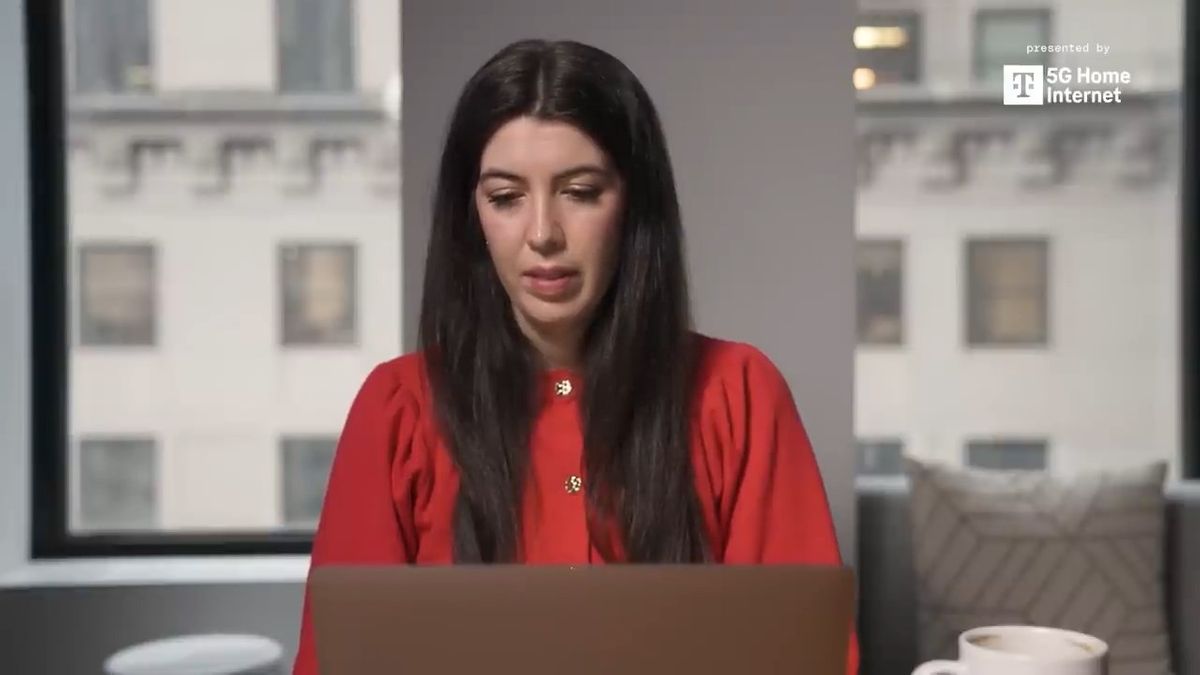
I was interviewed by an AI bot for a job | The Verge
https://www.theverge.com/featured-video/892850/i-was-interviewed-by-an-ai-bot-for-a-job
On the computer screen, a female interviewer asks, 'What challenges did you face, and how did you deal with them?'
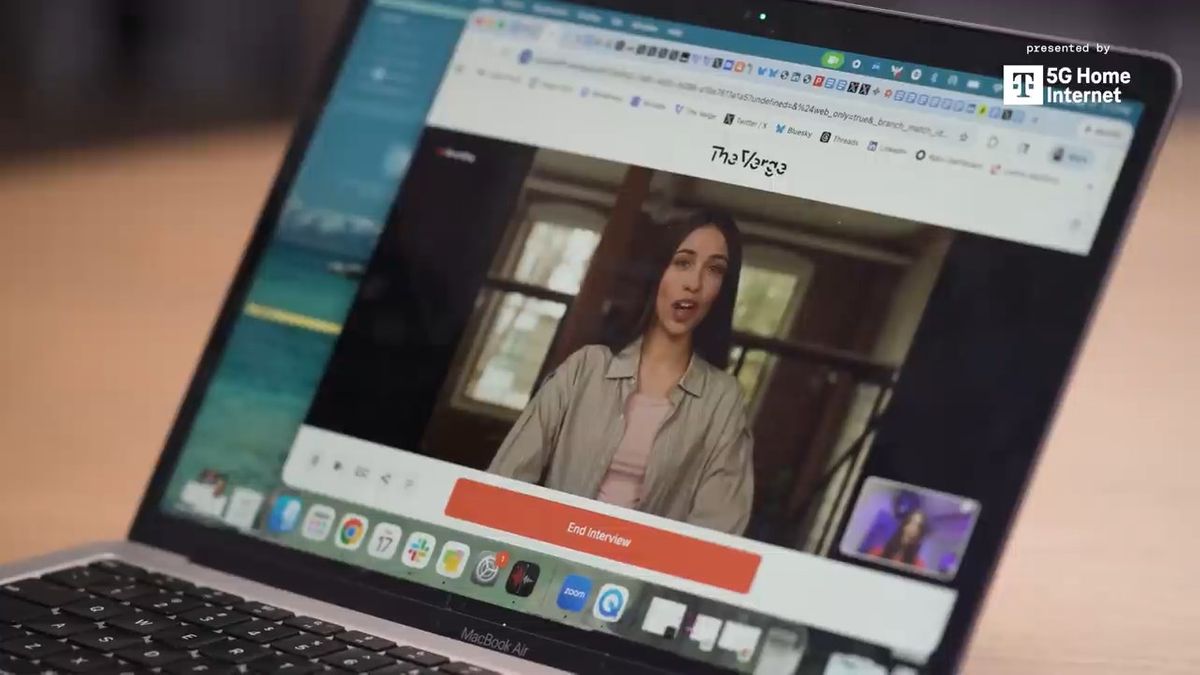
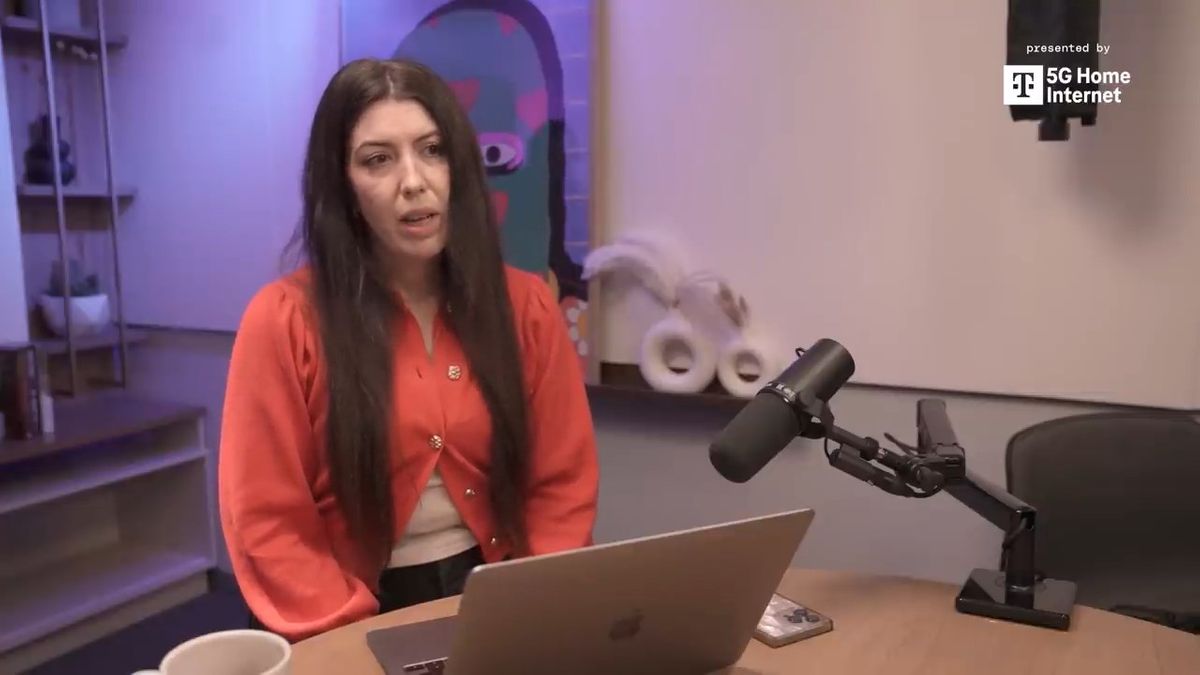
Mr. Field, who is on this side of the PC screen, begins, 'I have two questions, so let me start with the first one. That is...'
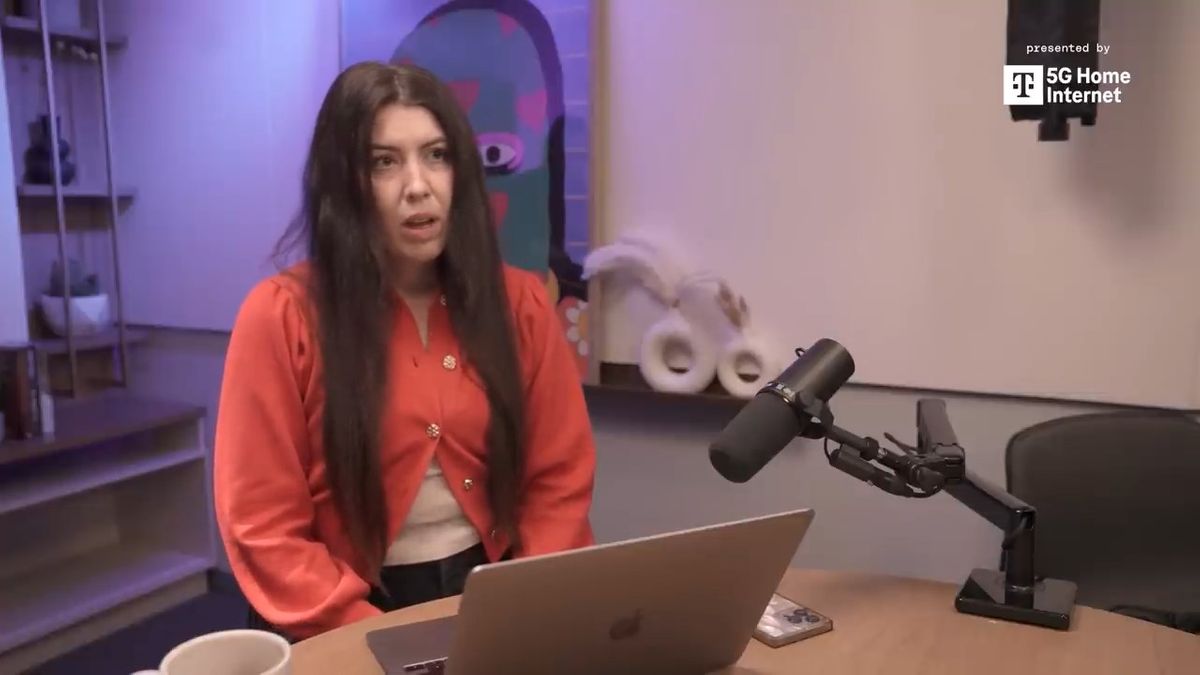
However, the interviewer interrupted, saying, 'I understand.'

Field looked bewildered when his answer was interrupted. Throughout the interview, Field and the interviewer repeatedly spoke at the same time, resulting in an awkward exchange.
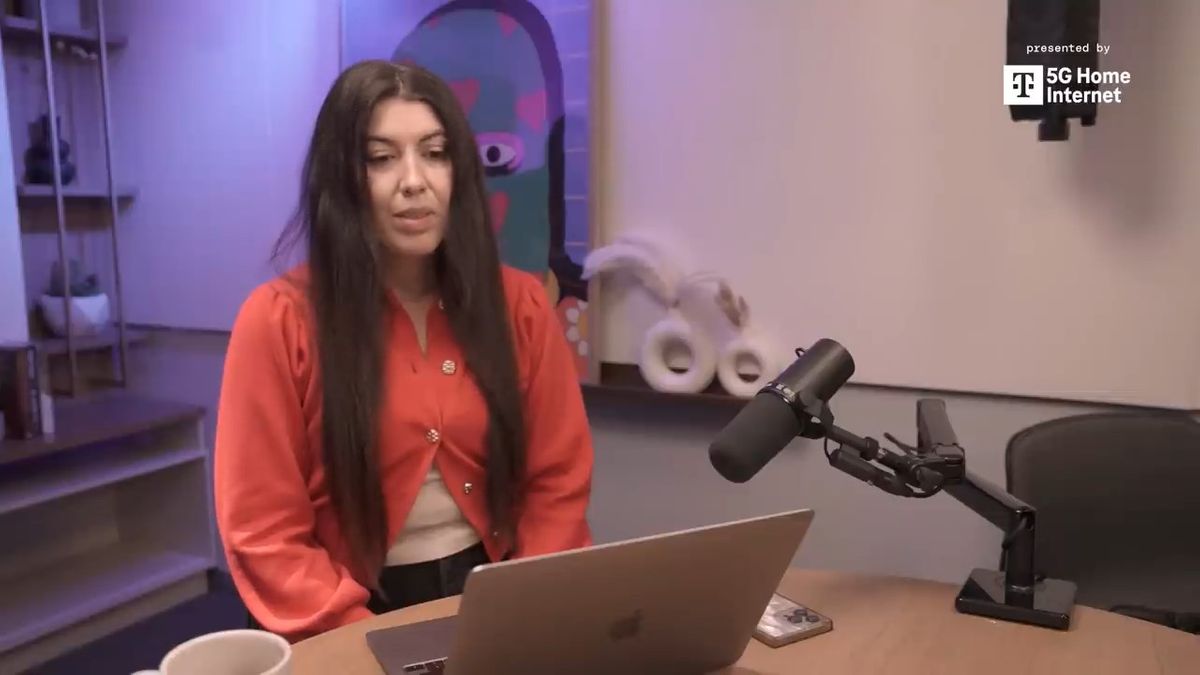
In fact, this interviewer was an AI-generated avatar, meaning Field was actually being interviewed by an AI interviewer. Field commented, 'I'm being interviewed by an AI, and as I expected, it's unstable.'
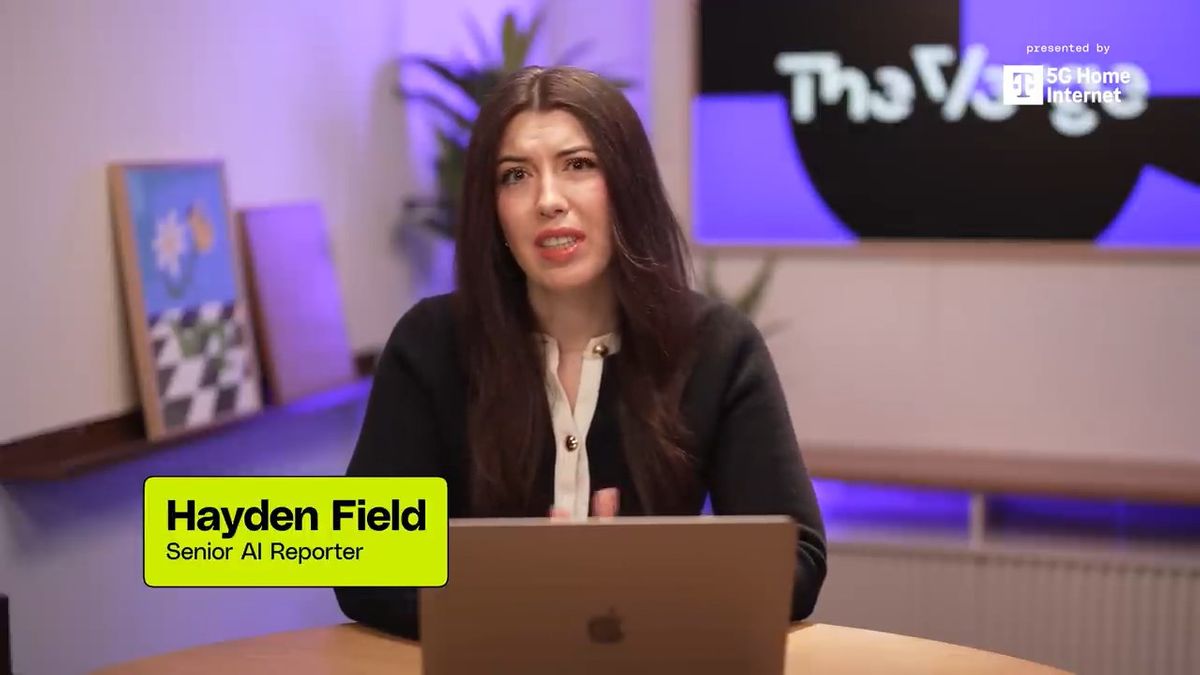
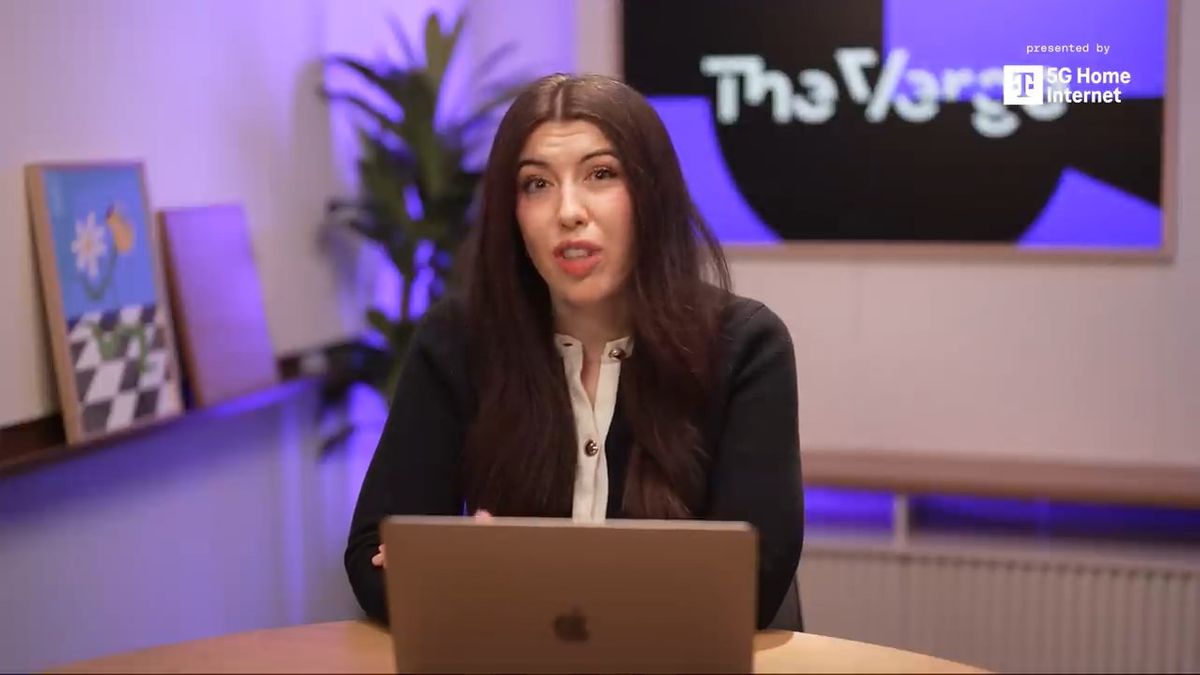
Field acknowledges that AI is ubiquitous in today's recruitment landscape and is difficult to avoid. However, he points out that AI avatars conducting job interviews are a step up. In this article, Field investigates the reasons behind the increasing number of AI interviewers and whether they are actually useful.
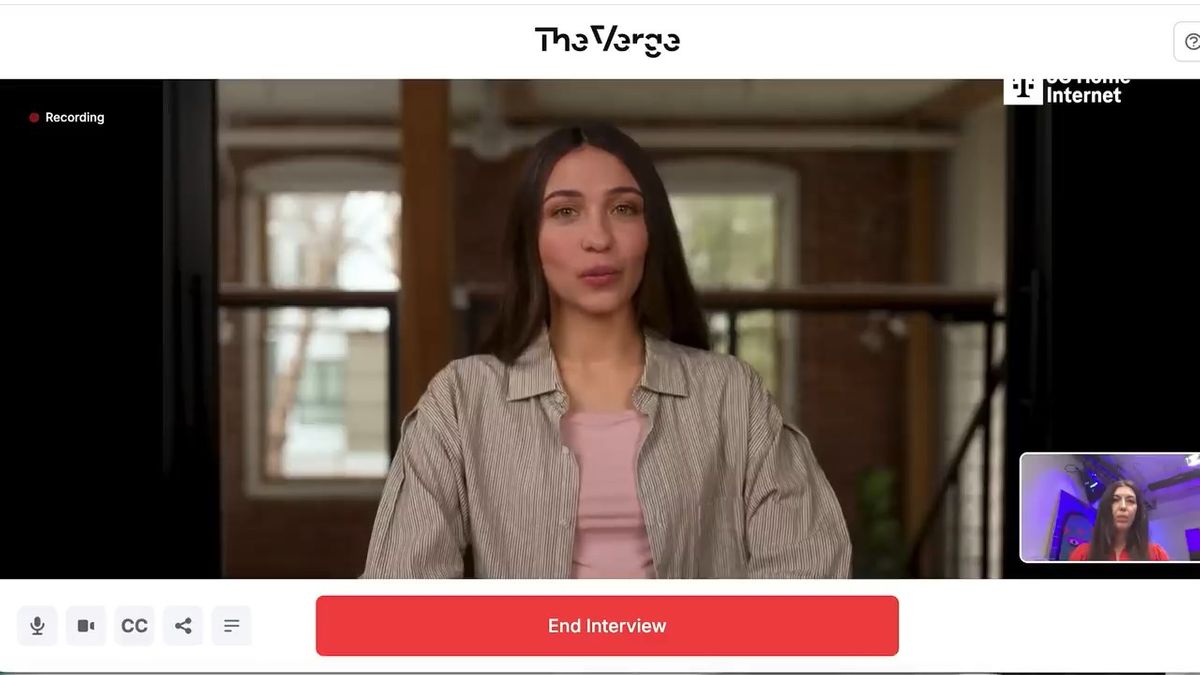
According to companies providing AI interviewer services, prominent companies such as Meta, Netflix, and MasterCard are beginning to adopt AI interviewers as part of their initial screening process for hires.

Companies argue that the advantage of introducing AI interviewers is that they can interact with virtually all applicants, not just a select few, in some form.
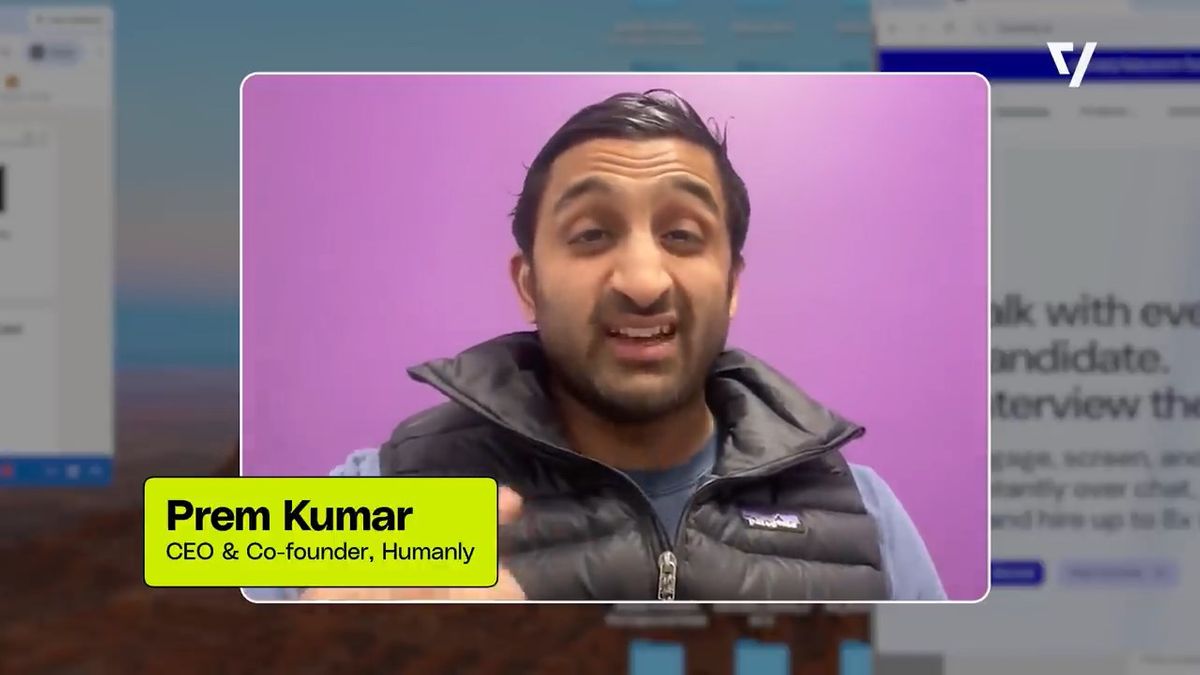
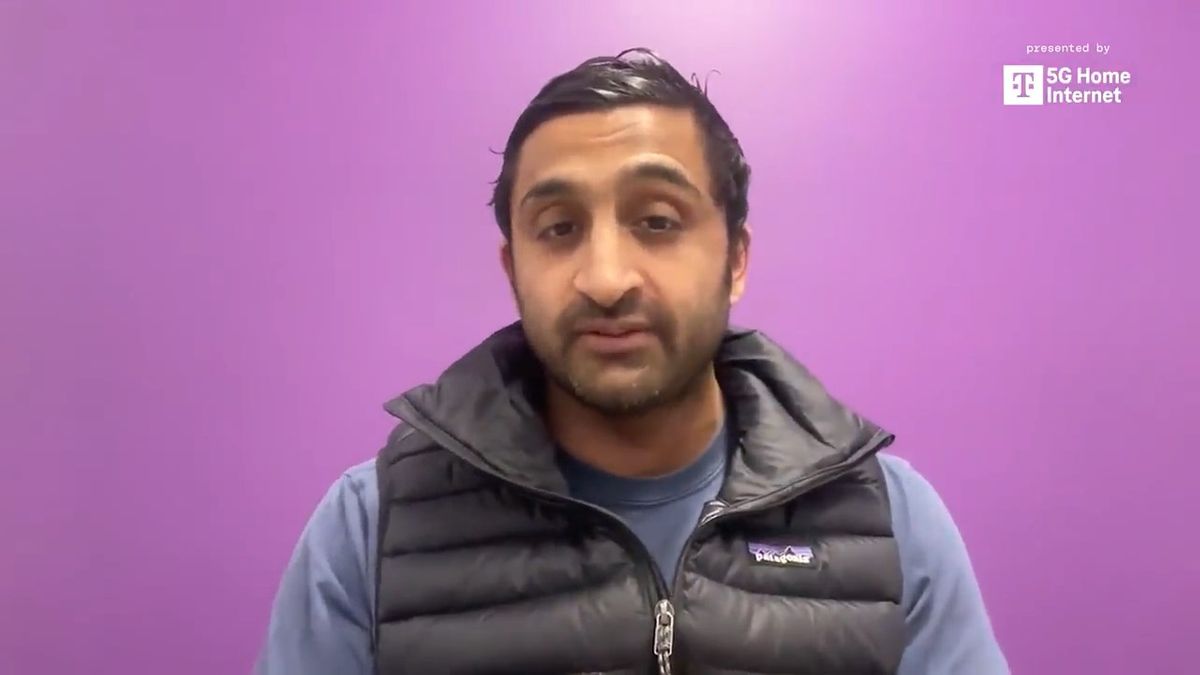
Prem Kumar, CEO of
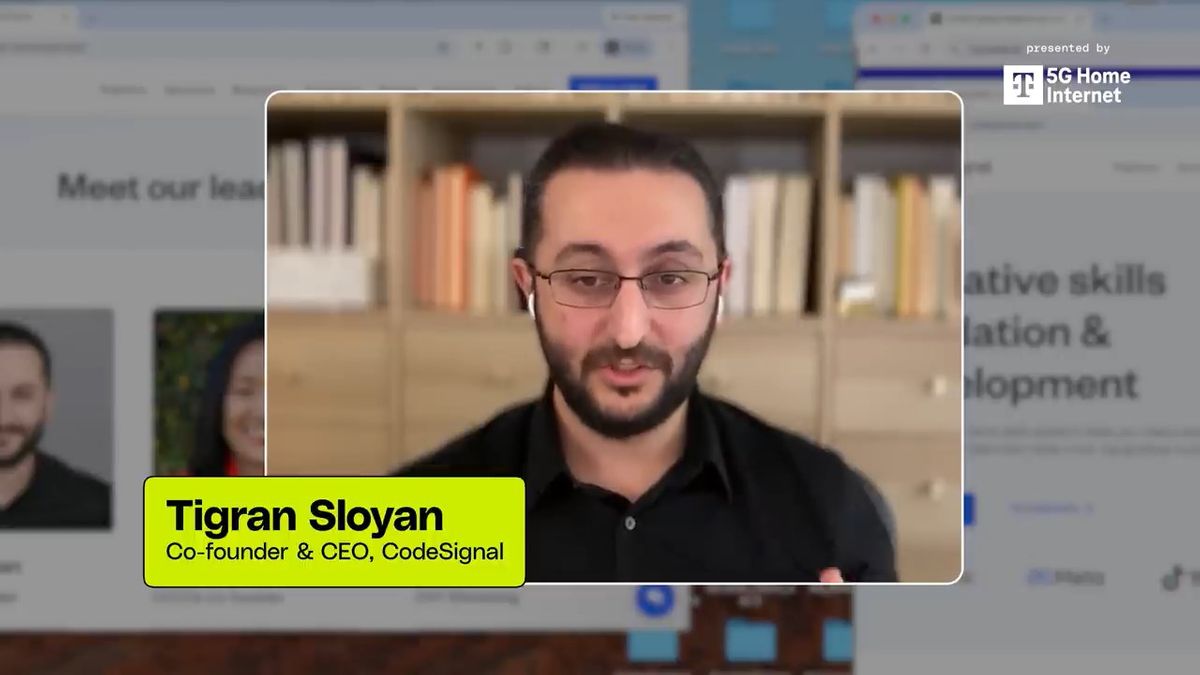
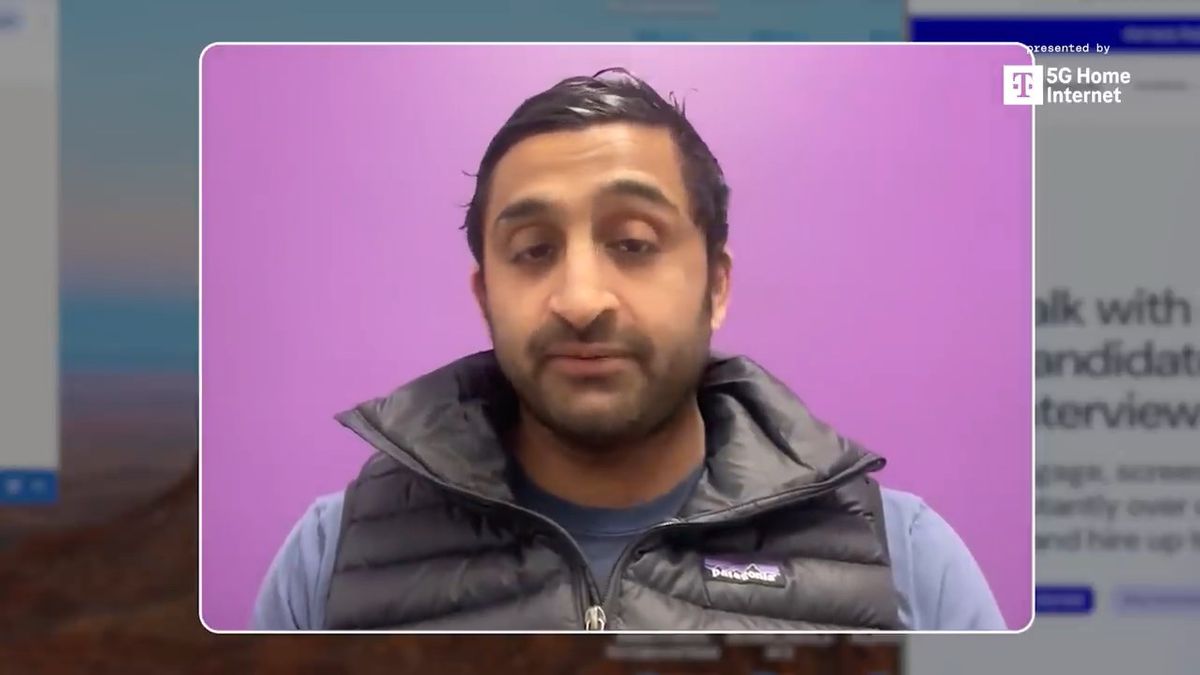
Tigren Sloyan, CEO of
Field decided to actually try out interviews with AI interviewers provided by three companies: CodeSignal, Humanly, and

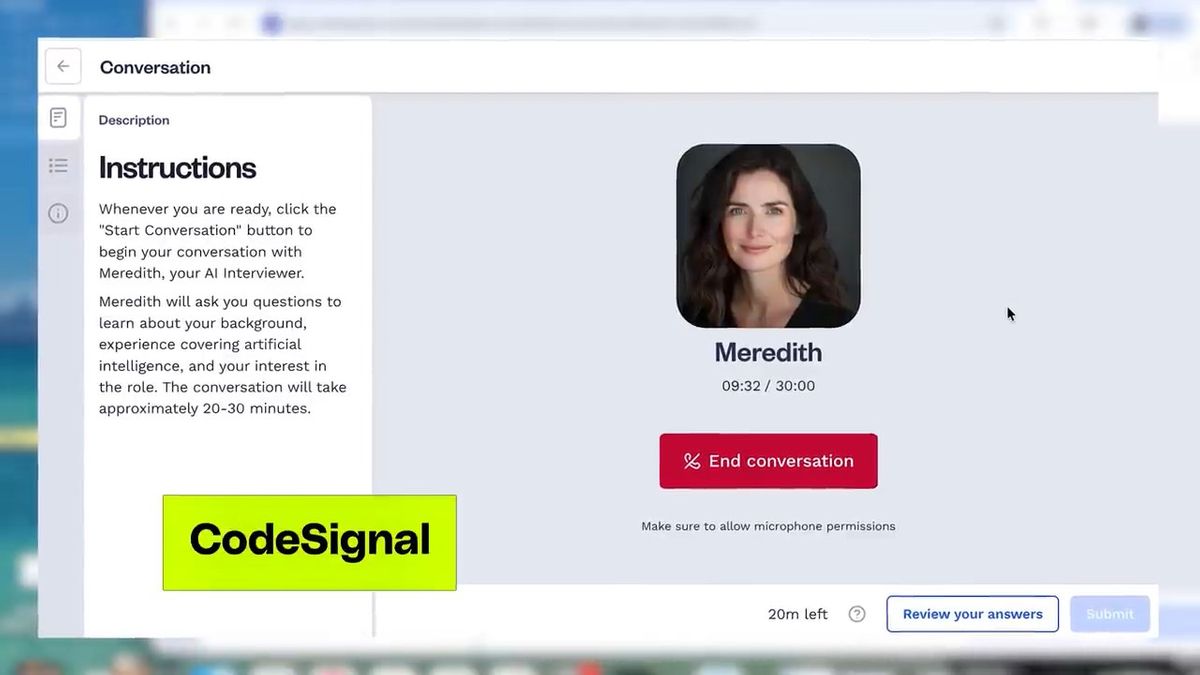
AI interviews are generally like having a one-on-one video call with an AI agent. CodeSignal's AI avatar is a still image, giving the impression that the person you're talking to has their video turned off.
Humanly uses AI avatars that are almost perfectly human-like as interviewers. First, Mr. Field had an interview with Humanly, which uses the most human-like avatar.
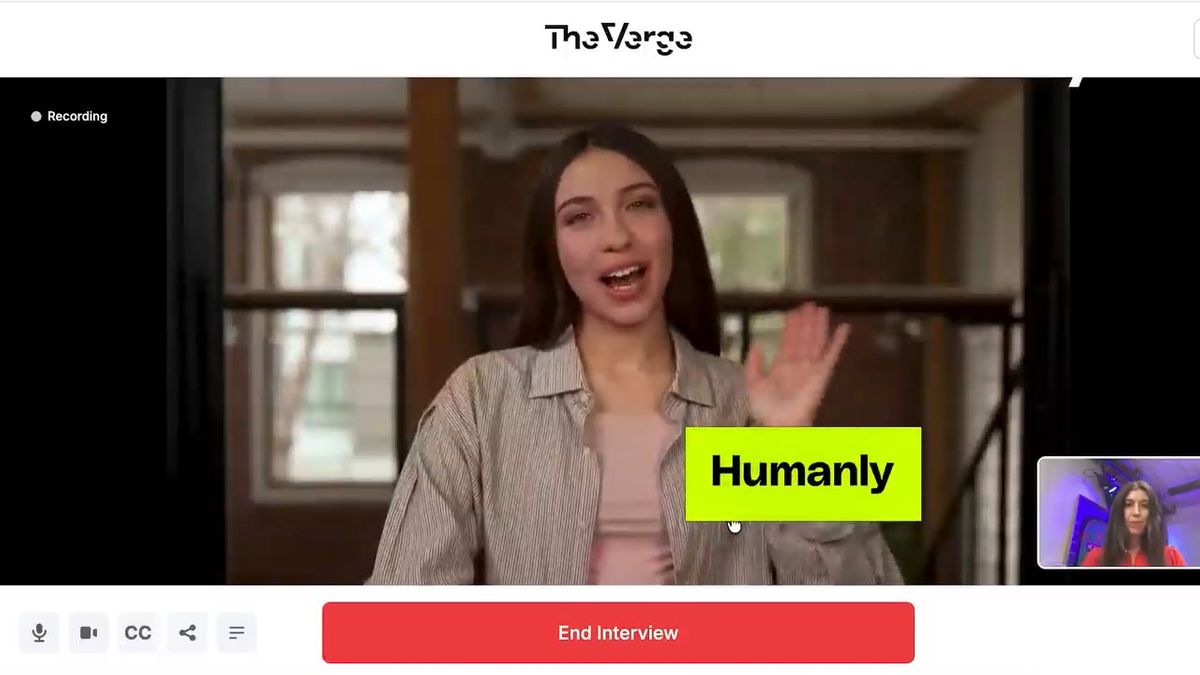
In the case of Humanly, companies can set the interview time and the tone of voice of the avatar.
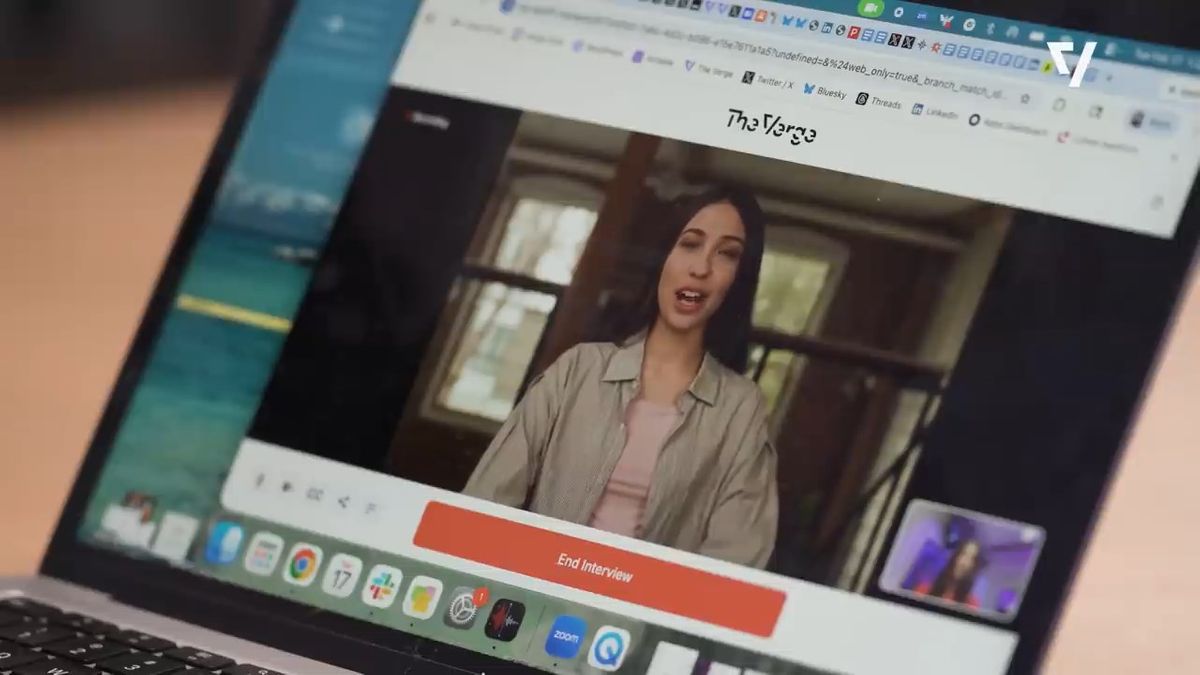
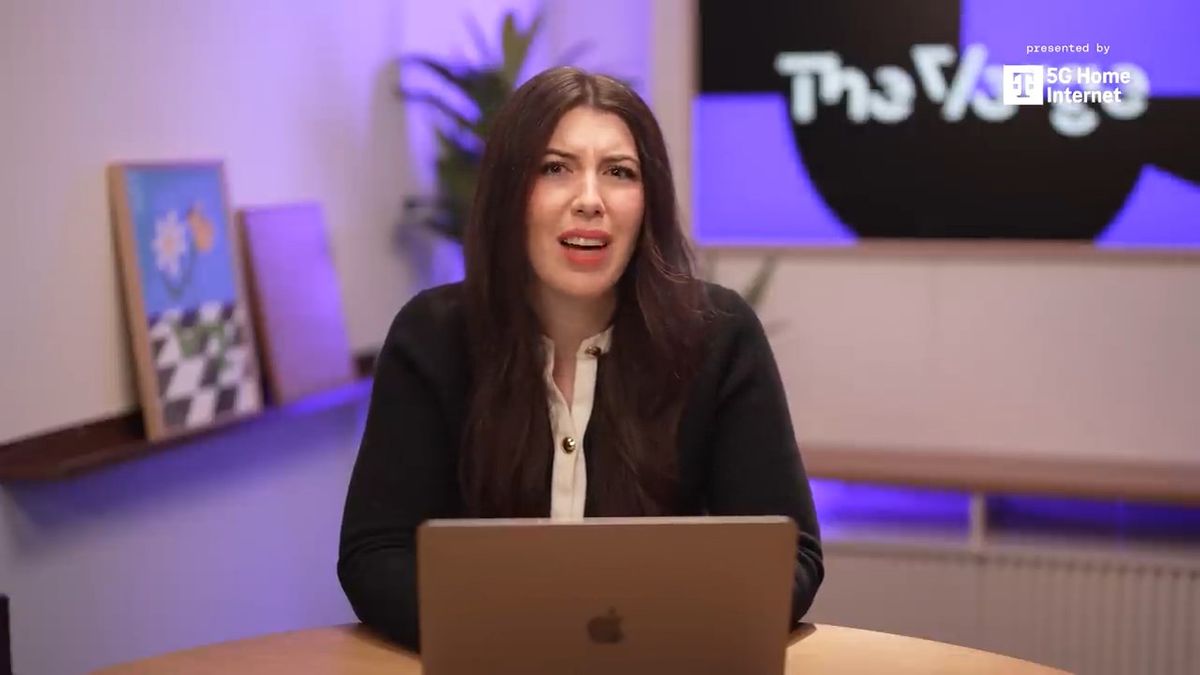
Field commented, 'Humanly's AI avatar asked some pretty good questions and the interaction was good, but the appearance of the avatar itself was approaching the uncanny valley for me.'

They frankly stated that they couldn't concentrate on answering questions unless they averted their gaze from the AI avatar.
Humanly claims its AI avatars are unique in that they 'get applicants to talk a lot.' Kumar said, 'The avatars respond with an average of about 200 words, which is longer than what a human would do to screen applicants over the phone.'
Next, Field had an interview with CodeSignal's AI interviewer.
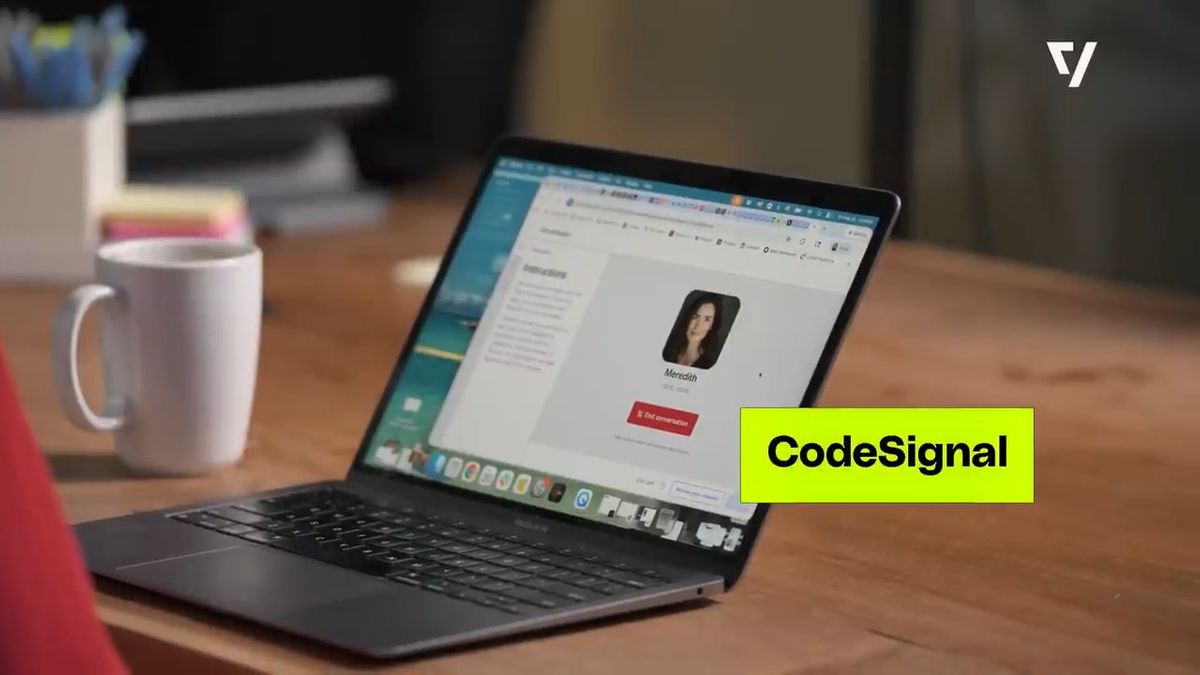
The AI interviewer asks questions such as, 'How knowledgeable are you about AI and the hardware that powers it? And how do you stay up-to-date on these topics?'
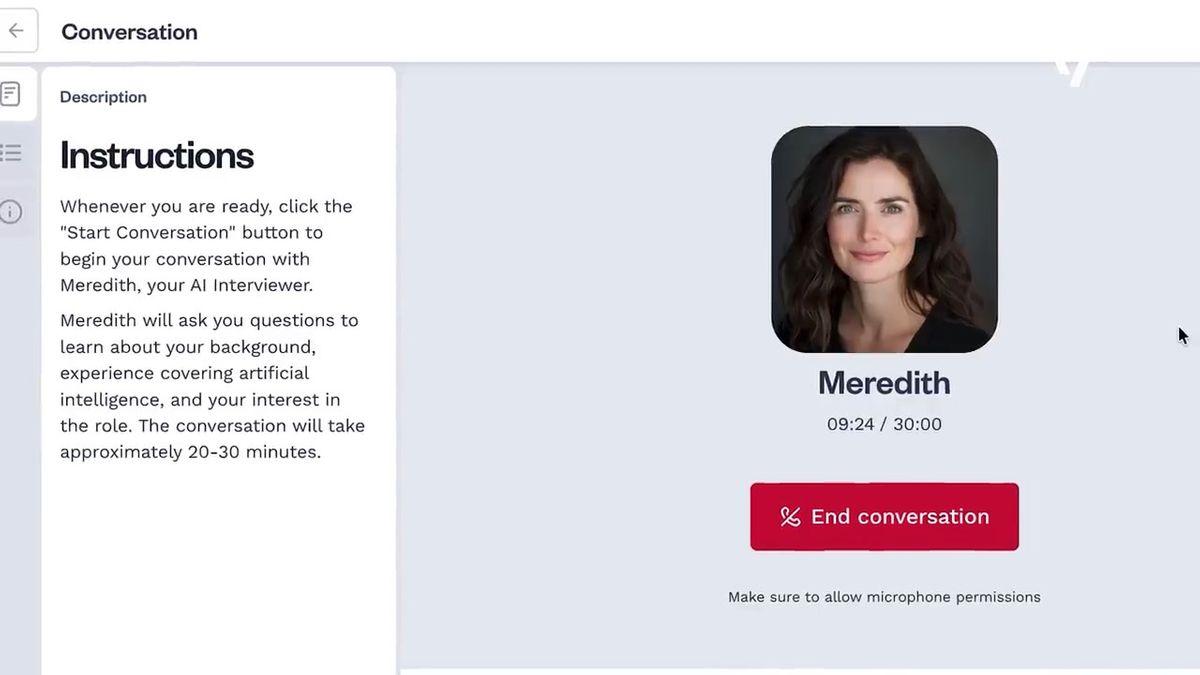
Field commented, 'CodeSignal's interview questions were the most realistic and the best I've encountered.'

CodeSignal emphasizes 'what' an applicant says, rather than 'how' they say it, and Slowyan encourages applicants to focus on the words they use when answering questions.

Field brought up topics unique to editors, such as 'dealing with a public relations person who didn't like my article,' but said that CodeSigna's AI interviewer was able to converse just like a real person.
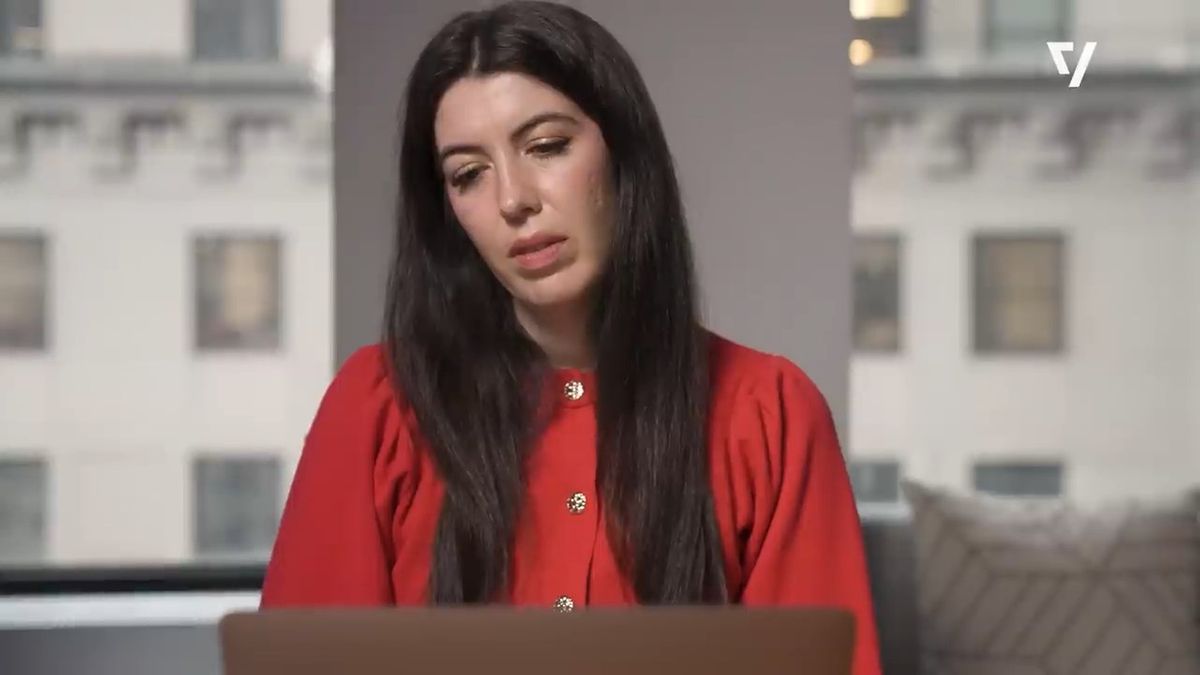
However, there were times when the AI interviewer failed to recognize that Mr. Field had clearly finished answering, resulting in awkward silences.
Regarding the introduction of AI interviewers, the development company claims that 'AI interviews reduce bias and provide a fairer competitive environment,' but this is only true if the AI system itself is free from bias.
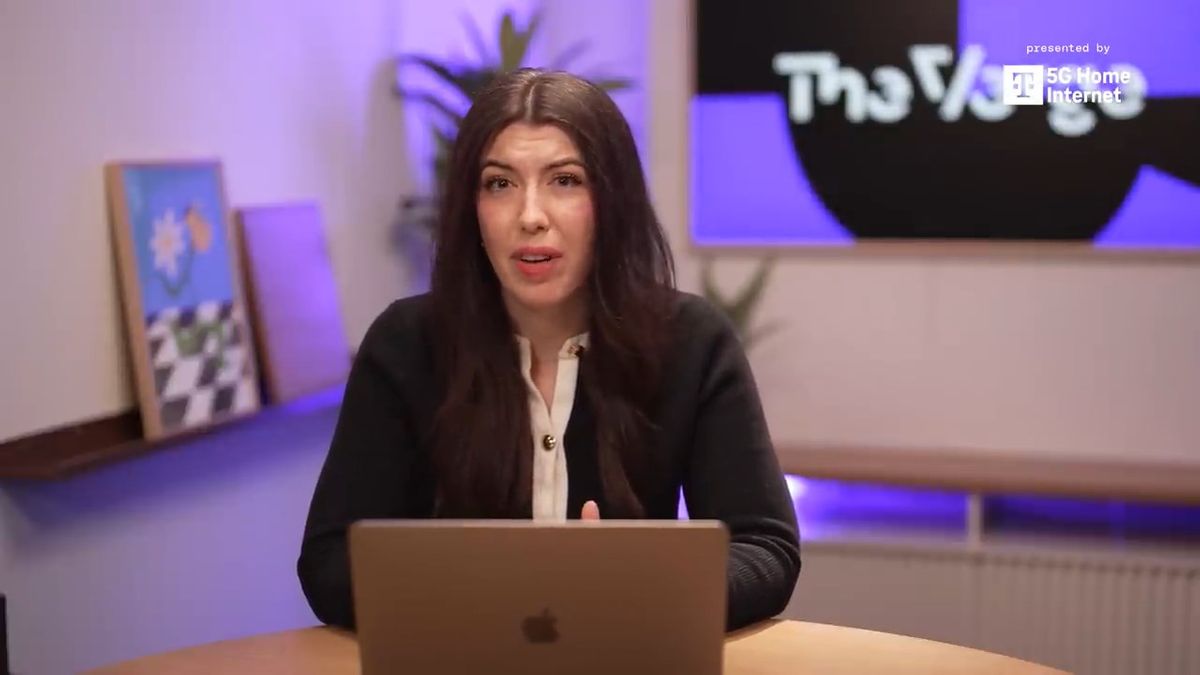
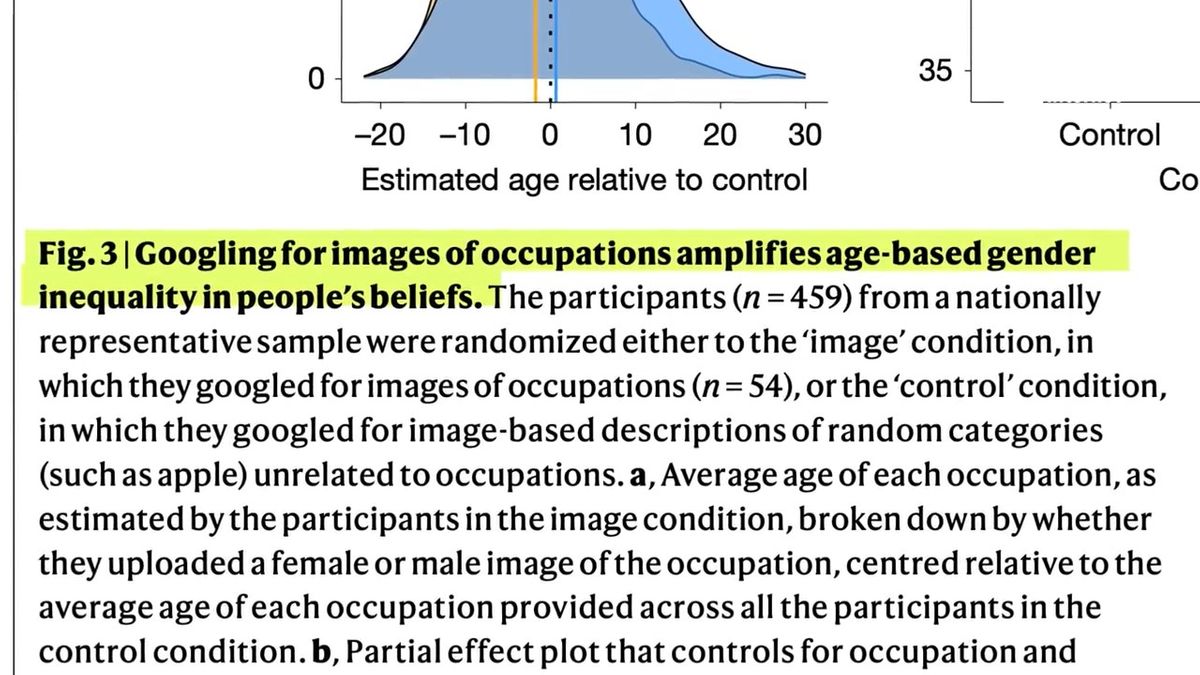
In reality, AI systems have been reported to contain various biases. This is because the human-created content used to train AI systems itself contains various prejudices, such as sexism and racism.
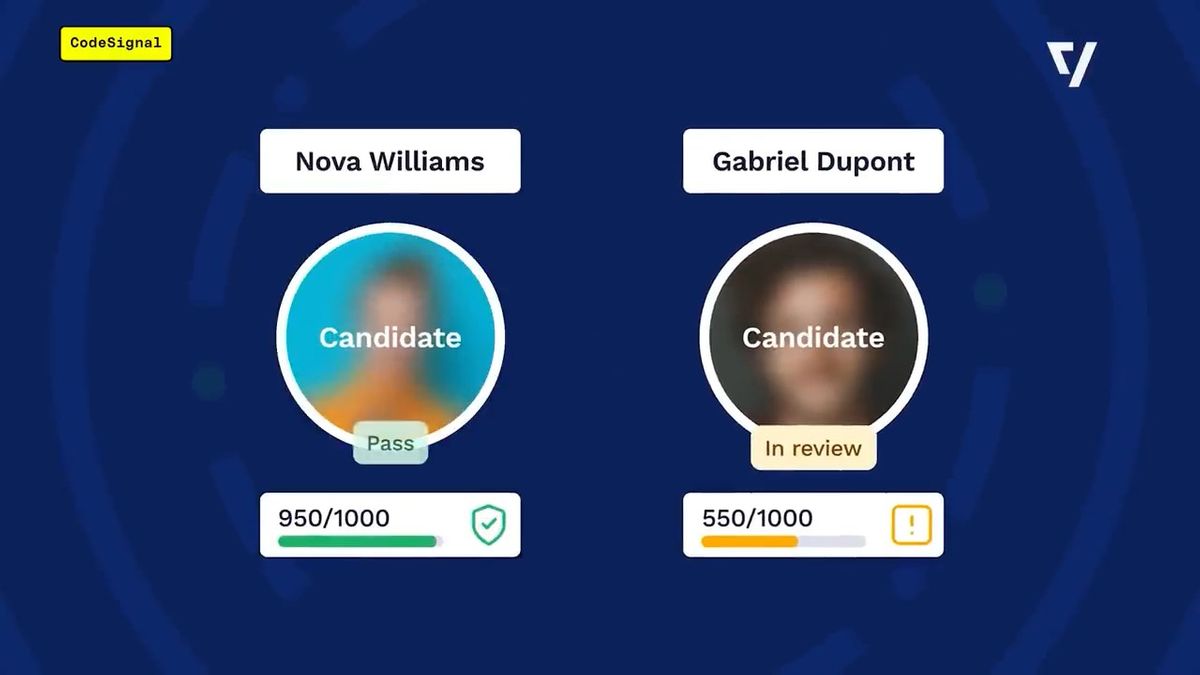
Furthermore, Field points out that another problem is that it's not visible to outsiders how these AI systems work to rank candidates. Even if you instruct the AI to disclose its ranking process, it's impossible for people to fully understand the AI's decisions because the AI system itself is a black box.
Eightfold
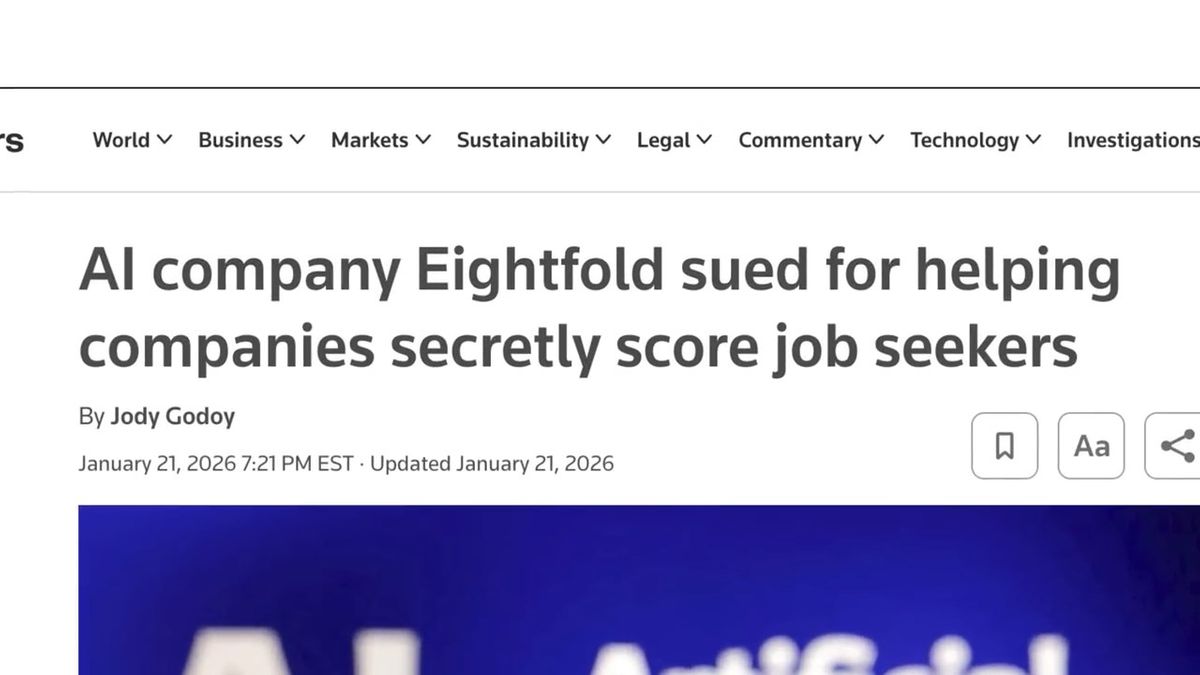
Eightfold's AI interviewer did not use AI avatars or facial photos; instead, a sphere on the screen pulsated as the interviewer spoke. Field said that of all the AI interviewers he tested, it felt the most robotic and unhuman, but conversely, it didn't give him the unsettling feeling of the uncanny valley.

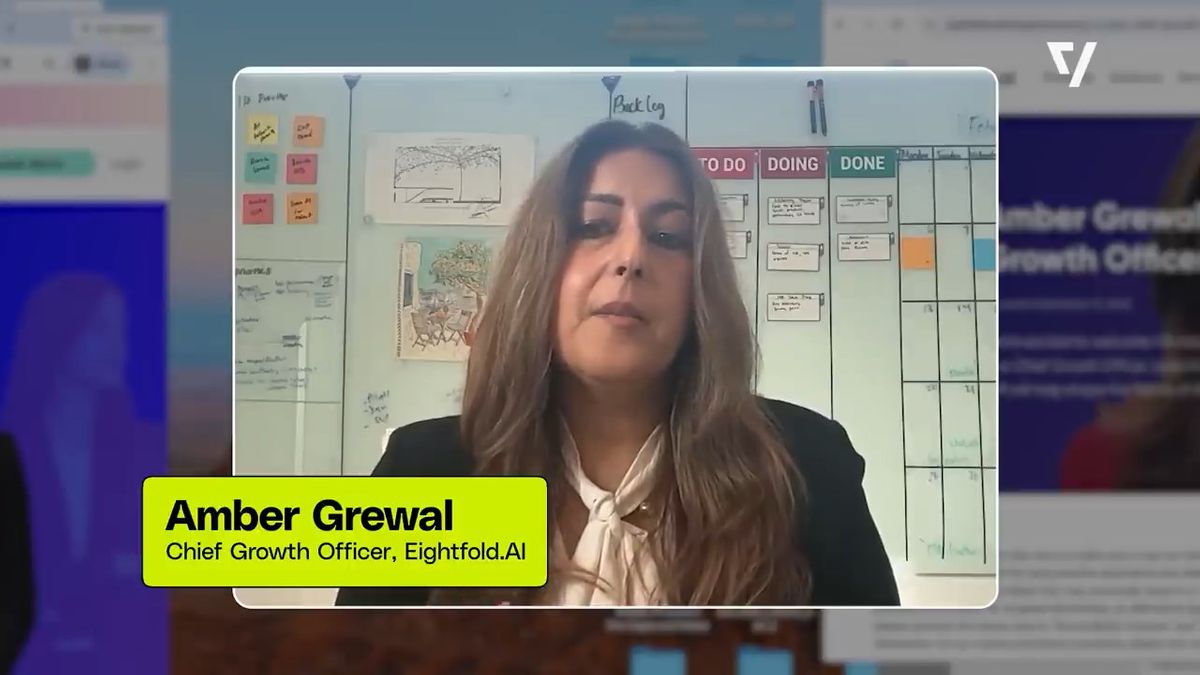
Amber Grewal, Chief Business Growth Officer at Eightfold, argues that the interview process is less prone to bias because all candidates are consistently given the same questions and evaluation scores, and scores are assigned based on their answers.
Furthermore, Eightfold states that it only uses information submitted by candidates with their consent and data approved by clients under contract for evaluation purposes, and does not collect information from social media or other sources.

Eightfold expressed confidence in its process for eliminating bias.
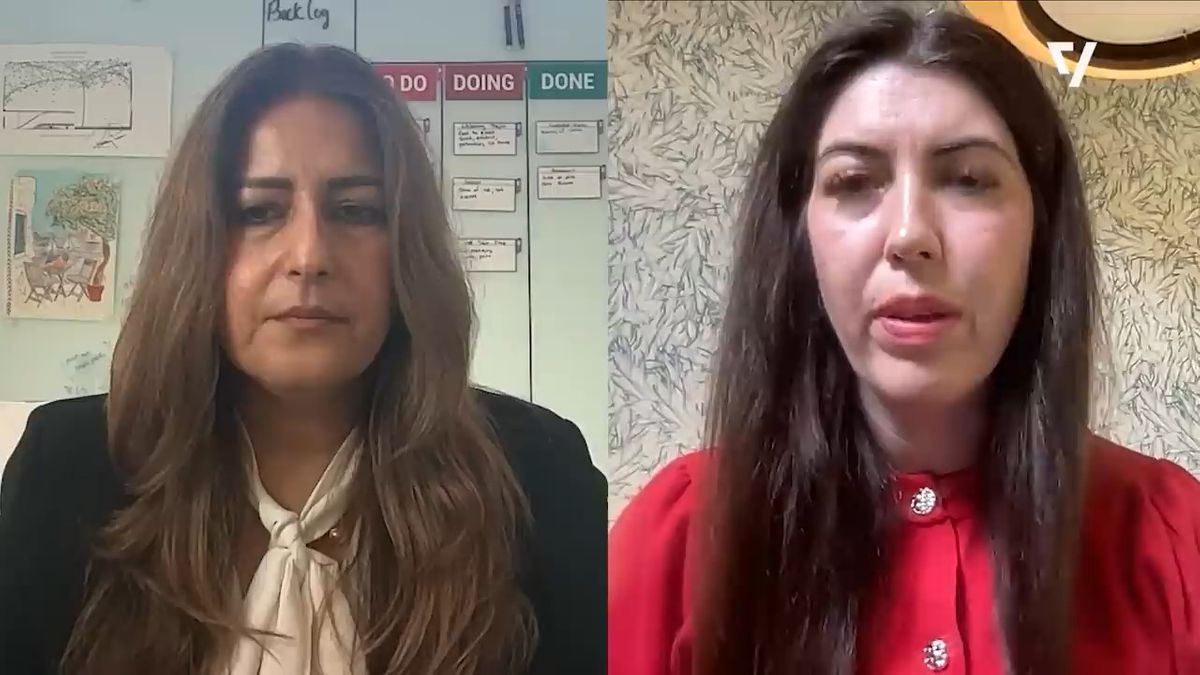
Humanly and CodeSignal also explain that they eliminate bias in their AI systems and conduct regular audits.
Field expressed concern about the future of job interviews if AI interviewers were to take over. However, if one were forced to speak with an AI interviewer, he advised that it is important to 'speak clearly,' 'use keywords and indicators when responding,' and 'ask one or two questions at the end just to be sure.'
In the AI interviewer test, the AI sometimes stated, 'This is the screen from the first round, so unfortunately we cannot reliably obtain those details,' and was unable to answer the questions.
Related Posts: