Google discovered from Android Auto data that road sections with a high incidence of sudden braking actually have a significantly higher accident risk.
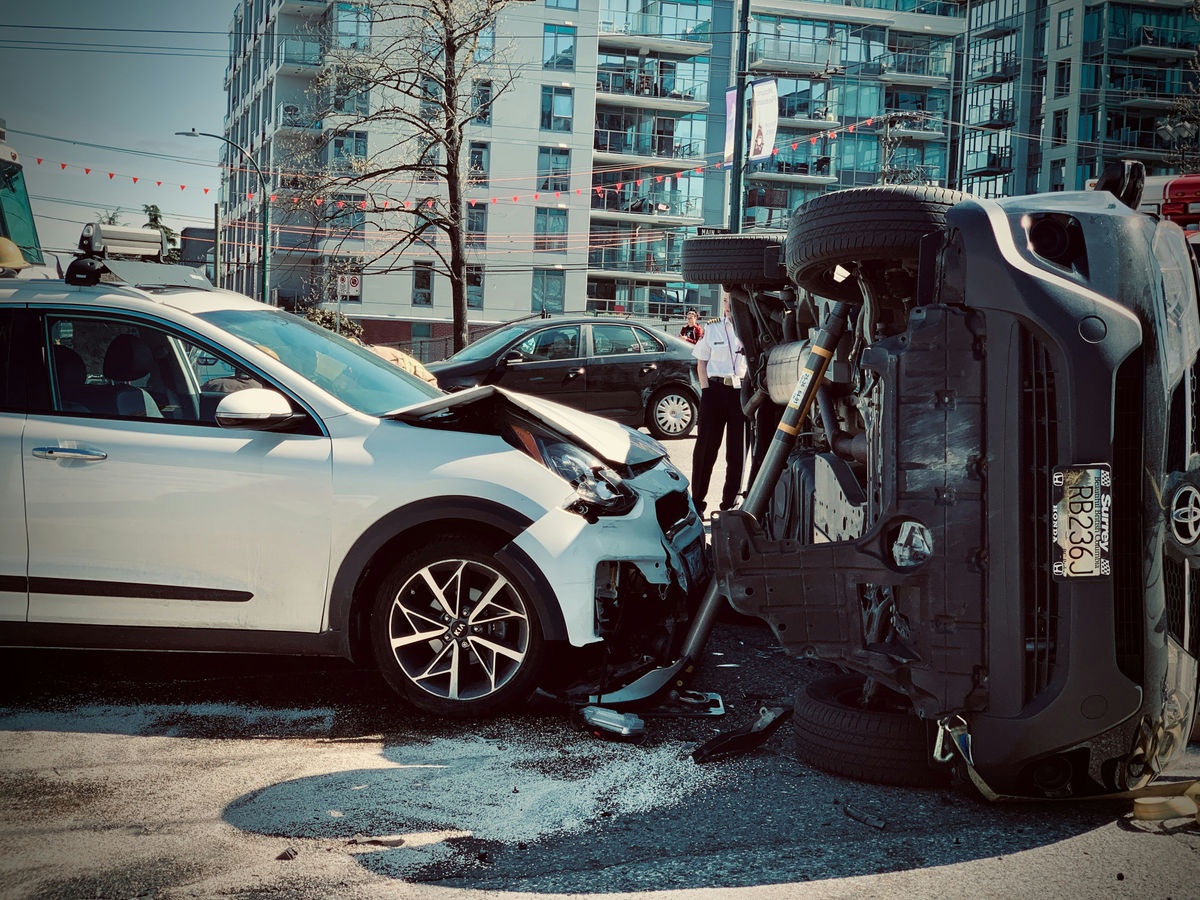
When the driving situation data obtained from Google's driving assistance tool 'Android Auto' was compared with statistical accident data obtained from police on-site inspections, a correlation was confirmed between sections with a high incidence of sudden braking and a high incidence of accidents.
Hard-braking events as indicators of road segment crash risk
Police-reported accident statistics are commonly used to assess the safety of a particular road. While they are a standard assessment methodology around the world because they provide accurate information about the actual locations of accidents, the extent of injuries and fatalities suffered by occupants, this data can be ineffective when creating models to predict accidents.
'This is because it can take years to accumulate sufficient data on roads where accidents are rare, and reporting standards are not consistent across regions. Google argues that to build a truly useful predictive model, it is necessary to use 'accident risk' rather than accident data as data, and proposed using the rate of sudden braking for each vehicle obtained by Android Auto as an indicator of accident risk.'
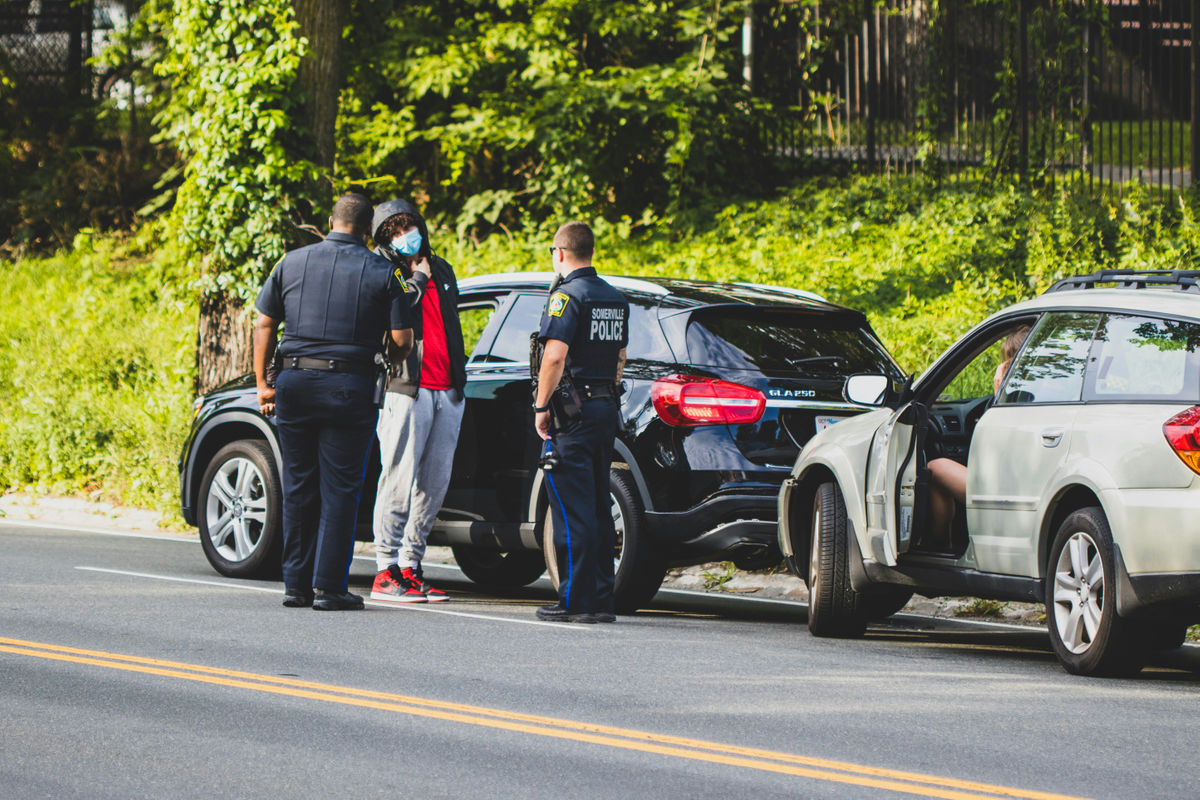
Google compared publicly available accident data from the US states of Virginia and California with sudden braking rate data obtained from Android Auto to verify the usefulness of both.
The results showed that road sections with a high frequency of sudden braking in both states consistently had higher accident rates. This was confirmed across multiple roads, from ordinary roads to expressways.

It has also been shown that certain infrastructure elements affect accidents, such as the presence of
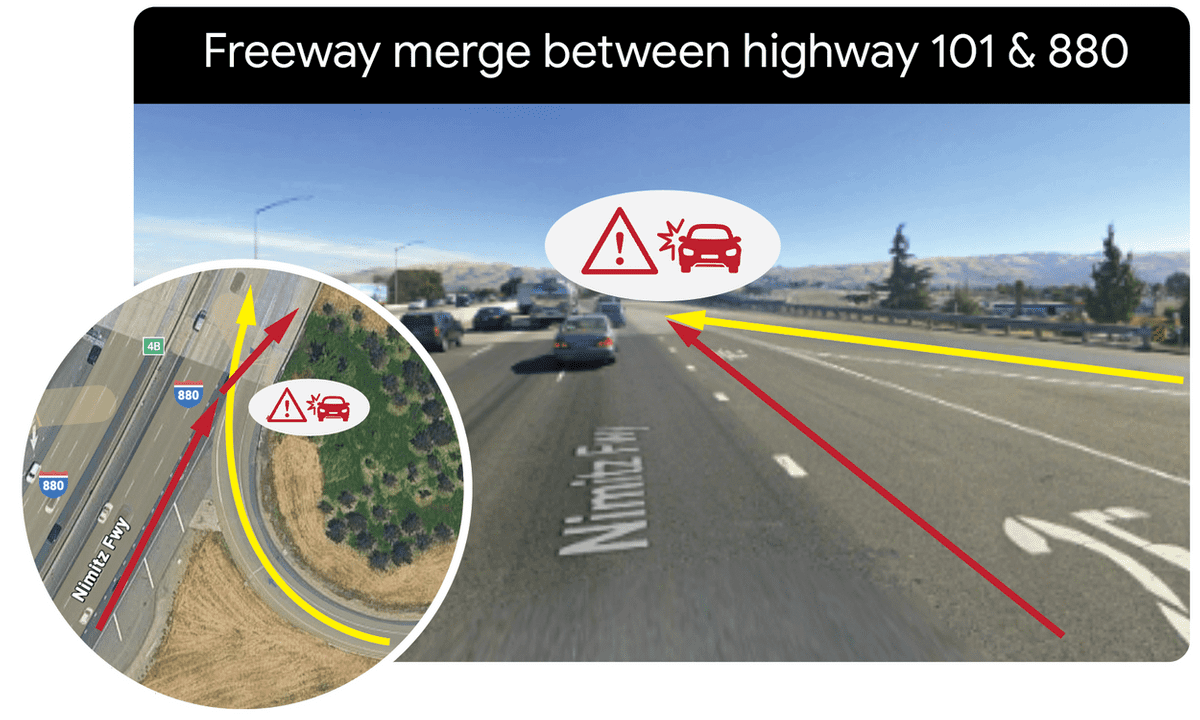
Google cited one example: the intersection of Highway 101 and Highway 880 in California, where the rate of sudden braking was about 70 times higher than the California average. Over a 10-year period, there was an average of one accident every six weeks, placing the frequency of sudden braking in the top 1% of all roads.
In addition, it was found that the number of sections where sudden braking was observed was 18 times the number of sections where accidents were reported. Google emphasized the advantage of this method, saying, 'Accident data is so sparse that it takes years to observe an event, especially on some residential roads. However, sudden braking rates can provide continuous information, effectively filling the gap in risk assessment.'
Google also said, 'When assessing risk, data from connected cars provides information at a higher spatial and temporal density than traditional accident statistics. Our driving assistance team is working with the Google Maps team to provide external data on sudden braking. By integrating this high-density data, transportation agencies will have access to data that is much fresher and covers a wider road network than traditional accident statistics.'
Related Posts:

in Vehicle, Posted by log1p_kr