Intel and AMD notify Chinese customers of server CPU supply shortage, with Intel warning delivery times of up to six months
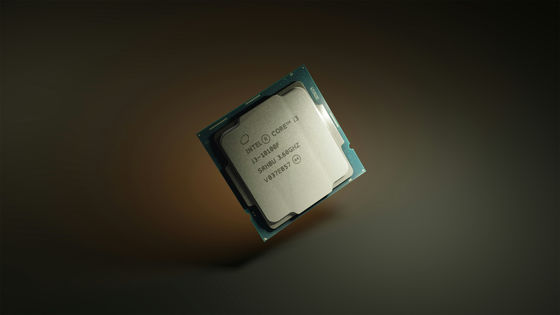
Semiconductor giants Intel and AMD have reportedly notified Chinese customers about a shortage of server CPUs, with some Intel products reportedly experiencing delivery times of up to six months.
Exclusive: Intel, AMD notify customers in China of lengthy waits for CPUs | Reuters
Intel and AMD warn Chinese customers of CPU delays due to supply shortages - report - DCD
https://www.datacenterdynamics.com/en/news/intel-and-amd-warn-chinese-customers-of-cpu-delays-due-to-supply-shortages-report/
Intel, AMD server CPUs reportedly suffering from supply shortages in China, leading to increased prices — sources say orders could be delayed by as much as 6 months | Tom's Hardware
https://www.tomshardware.com/pc-components/cpus/intel-amd-server-cpus-reportedly-suffering-from-supply-shortages-in-china-leading-to-increased-prices-sources-say-orders-could-be-delayed-by-as-much-as-6-months
Rapidly expanding investment in AI infrastructure is driving demand not only for AI-specific chips but also for the entire supply chain. Memory chips are experiencing a particularly severe shortage, with prices continuing to rise. However, it appears that memory is not the only chip experiencing a shortage; server CPUs are also experiencing one.
Reuters reports that Intel and AMD are experiencing a supply shortage of server CPUs. The supply restrictions have apparently caused prices of Intel server products in China to rise by more than 10%. According to one source, prices of Intel server products vary depending on the contract terms with customers.
Notifications of server CPU shortages to Chinese customers have apparently been sent in recent weeks, Reuters reports, 'indicating that the CPU shortage is also becoming more severe,' potentially exacerbating the challenges for many manufacturers, not just AI companies.

The Chinese market, which accounts for more than 20% of Intel's sales, is experiencing a particular shortage of 4th and 5th generation Xeon CPUs. According to Reuters sources, Intel is restricting shipments of server CPUs. The restricted server CPUs have a large backlog of orders, with delivery times reportedly stretching to up to six months.
Intel is not the only company to be notifying customers about a shortage of server CPUs. AMD has also notified customers of a similar situation, according to people familiar with the matter. The company is extending delivery times for some products to eight to 10 weeks.
At its earnings briefing in January 2026, Intel commented on CPU supply restrictions, saying, 'The rapid adoption of AI is creating strong demand for traditional computing.' 'While inventory levels are expected to be lowest in the first quarter (January to March), we are proactively addressing this issue and expect supply to improve in the second quarter (April to June).'
AMD also explained in its earnings briefing that it is increasing its supply capacity to meet CPU demand. AMD also told Reuters, 'We remain confident in our ability to meet customer demand globally, supported by strong supplier agreements and supply chains, including our partnership with TSMC.'

Intel and AMD have a near monopoly on the global server CPU market. According to a report released by UBS in January 2026, Intel's server CPU market share is expected to decline from over 90% in 2019 to approximately 60% by 2025. Meanwhile, AMD has succeeded in expanding its market share from approximately 5% in 2019 to over 20% by 2025.
Intel and AMD's main customers in China are major server manufacturers and cloud computing providers such as Alibaba and Tencent.
Reuters points out that Intel is struggling to expand production amid prolonged manufacturing yield issues, while AMD, which outsources its CPU manufacturing to TSMC, is facing a CPU shortage because TSMC is prioritizing the production of AI chips over CPUs.
Related Posts:






in Hardware, Posted by logu_ii