India proposes waiving some taxes until 2047 to attract foreign AI companies
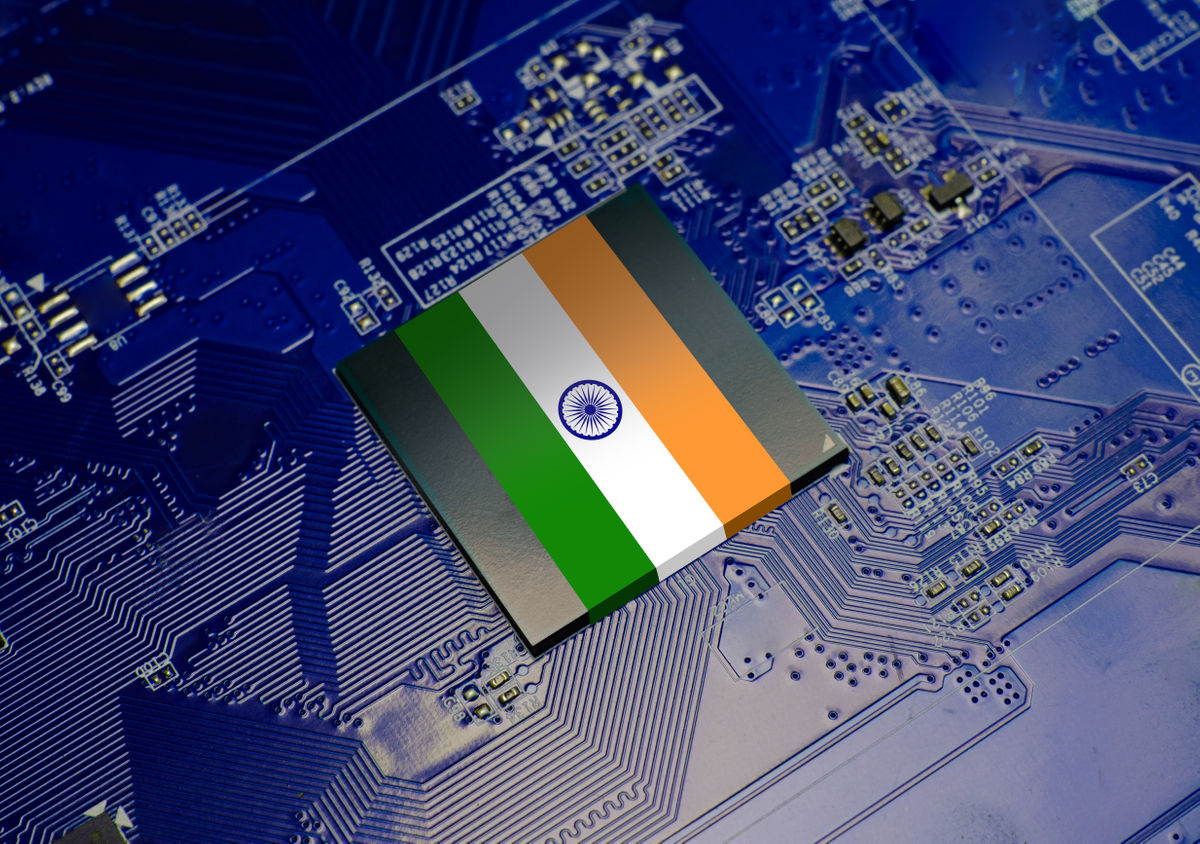
As major technology companies look to secure data centers for their AI operations, India has announced a budget proposal to offer tax incentives to foreign companies using data centers in the country.
Budget_Speech.pdf
(PDF file)
India offers zero taxes through 2047 to lure global AI workloads | TechCrunch
https://techcrunch.com/2026/02/01/india-offers-zero-taxes-through-2047-to-lure-global-ai-workloads/
The budget proposal submitted by the Ministry of Finance proposes to extend tax exemptions until 2047 to foreign companies that use Indian data centers to provide cloud services to customers around the world. This could encourage American cloud giants such as Amazon, Google and Microsoft, who are rushing to expand their data center capacity around the world, to make India a major investment destination.
Major tech companies have already set their sights on India, with Google announcing in October 2025 that it would invest $15 billion (approximately 2.32 trillion yen) in building an AI hub and expanding its data center infrastructure. This was Google's largest investment in India to date, following its $10 billion (approximately 1.55 trillion yen) investment in 2020.
Microsoft followed suit in December 2025, announcing plans to invest $17.5 billion (approximately 2.72 trillion yen) in India by 2029 to expand its AI and cloud businesses. It revealed that it would fund new data centers, infrastructure, and training programs. Amazon also accelerated its spending in December, announcing that it would invest an additional $35 billion (approximately 5.43 trillion yen) in India by 2030. This will bring its total investment to approximately $75 billion (approximately 11.65 trillion yen) as it expands its retail and cloud businesses.

India's domestic data center industry is also accelerating its expansion to meet global demand, and in November, the joint venture Digital Connection announced that it would invest $11 billion (approximately 1.71 trillion yen) by 2030 to develop a 1-gigawatt AI-specialized data center campus in Andhra Pradesh. The project, covering a land area of approximately 162 hectares, is one of the largest projects announced in India, and technology media outlet Tech Crunch described it as 'underscoring the strong interest from both domestic and international investors in building AI-enabled infrastructure in the country.'
However, expanding data center capacity in India may be challenging, with challenges such as unreliable power supply, high electricity prices, and water shortages being major constraints for energy-intensive AI workloads. These challenges are expected to lead to construction delays and higher operational costs for cloud providers.

'The data center announcement shows that it's being positioned as a strategic business area, not just back-end infrastructure,' said Rohit Kumar, co-founder of The Quantum Hub, a New Delhi-based public policy and technology consulting firm. While implementation challenges remain, such as power supply, land acquisition, and state-level approvals, he said, the move is likely to attract more private investment and strengthen India's position as a regional data and computing hub.
Sagar Vishnoi, co-founder and director of Noida-based think tank Future Shift Lab, predicted that India's data center power capacity is expected to exceed 2 gigawatts by 2026, up from just over 1 gigawatt today, and could expand more than fivefold to over 8 gigawatts by 2030 on the back of additional investments. Vishnoi noted that 'while the Budget clearly intends to accelerate digital infrastructure and cloud computing, it also reflects India's reliance on strategic bets on global Big Tech, even as it has the potential to develop homegrown technology leaders for the next 20 years.'
Related Posts:







in AI, Posted by log1p_kr