Demand for data centers increases demand for gas-fired power generation by more than 30%
by
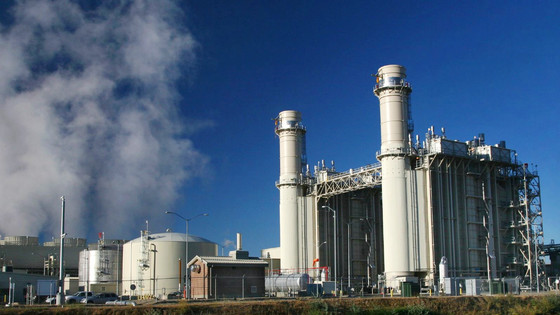
The Global Energy Monitor (GEM), which monitors global energy trends, reports that the development of gas-fired power plants around the world is increasing at a record pace, driven by the rapid expansion of data centers for AI.
Betting big on data centers, US now leads world for new gas power development - Global Energy Monitor
https://globalenergymonitor.org/report/betting-big-on-data-centers-us-now-leads-world-for-new-gas-power-development/
It's a new heyday for gas thanks to data centers | The Verge
https://www.theverge.com/news/870422/data-center-ai-gas-power-surge
US gas power projects tripled in 2025 on AI demand • The Register
https://www.theregister.com/2026/01/29/ai_datacenter_boom_tripled_us_gas_power_builds/
US leads record global surge in gas-fired power driven by AI demands, with big costs for the climate | Greenhouse gas emissions | The Guardian
https://www.theguardian.com/environment/2026/jan/29/gas-power-ai-climate
Global gas-fired power generation development capacity is expected to grow 31% year-on-year to a total of 1,047 GW by 2025. Leading this global trend is the United States, whose planned gas-fired power generation capacity for 2025 has nearly tripled to 252 GW compared to the previous year. This capacity accounts for about a quarter of the world's total development plans, surpassing China's, and the capital cost of new gas-fired power plant construction is estimated to reach $416 billion (approximately 62.4 trillion yen).
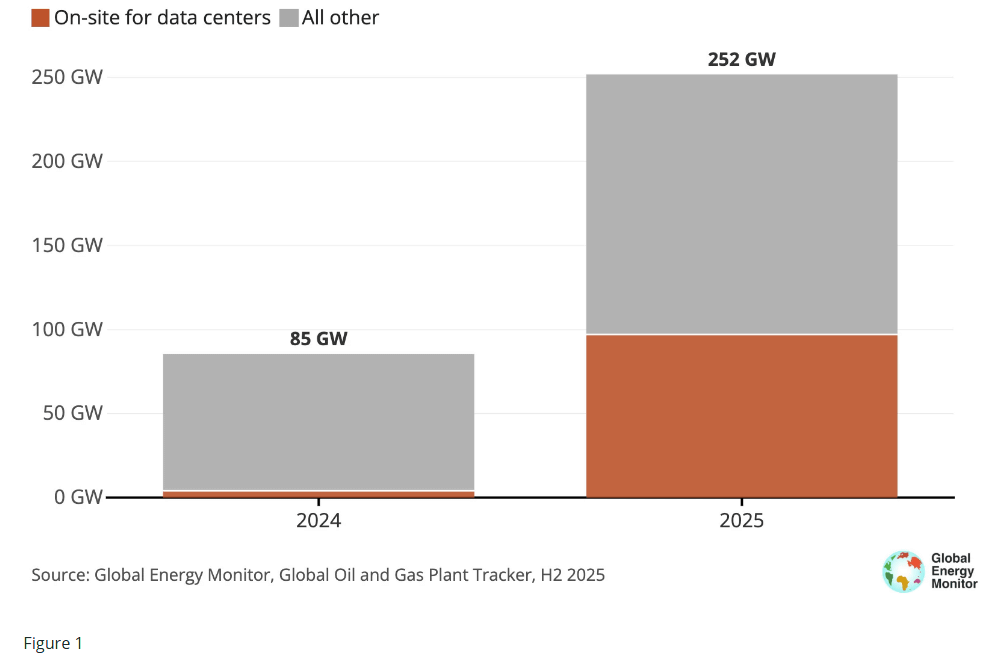
More than one-third of gas-fired power development in the US is on-site generation projects directly intended to power data centers. Texas, in particular, is a center of expansion, with 80.6 GW of development planned in the state alone, a nearly fourfold increase from last year, with half of that, or 40 GW, dedicated to data centers.
Tech giants are also keen to invest in gas-fired power generation. Meta is planning to build a $1.5 billion gas-fired data center in El Paso, Texas, while Microsoft, which has made renewable energy commitments, is considering using gas-fired power and carbon capture technology to meet its demand.
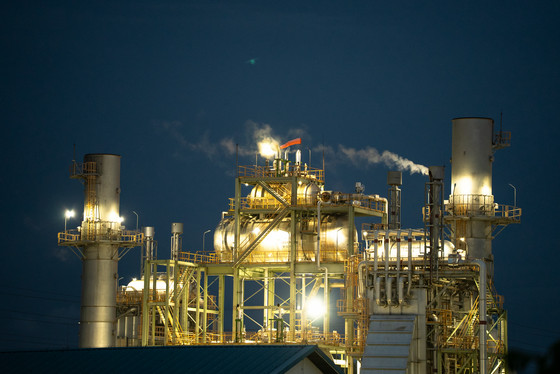
This is being driven by political support from President Donald Trump, who has pledged to lift regulations that hinder the construction of data centers in order to ensure American dominance in the field of AI. In western Pennsylvania, a plan has emerged to convert a closed coal-fired power plant into the largest gas-fired power plant in the United States to power a cluster of data centers, sparking debate in the local community.
However, this return to gas poses a significant threat to global warming. If all currently planned projects are completed, they are projected to emit 53.2 billion tons of carbon dioxide worldwide over their lifetime. In the United States alone, this figure is expected to reach 12.1 billion tons, which is twice the annual emissions of the United States from all sources at the time of writing.
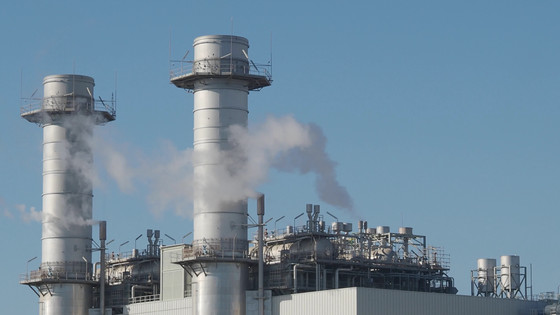
Experts have pointed out the risk that these power generation facilities will become 'stranded assets' that lose value if AI demand does not grow as expected, raising concerns about future economic losses. Furthermore, the rapid increase in electricity consumption by data centers has led to higher electricity bills for ordinary households, which has led to growing dissatisfaction among the public. While there are physical constraints, such as a shortage of gas turbine supplies, which means manufacturers have backlogged orders that extend to 2030, the demand for gas for data centers shows no signs of slowing down.
Related Posts:


in Note, Posted by log1i_yk