The oldest wooden tool, believed to be about 430,000 years old, has been discovered
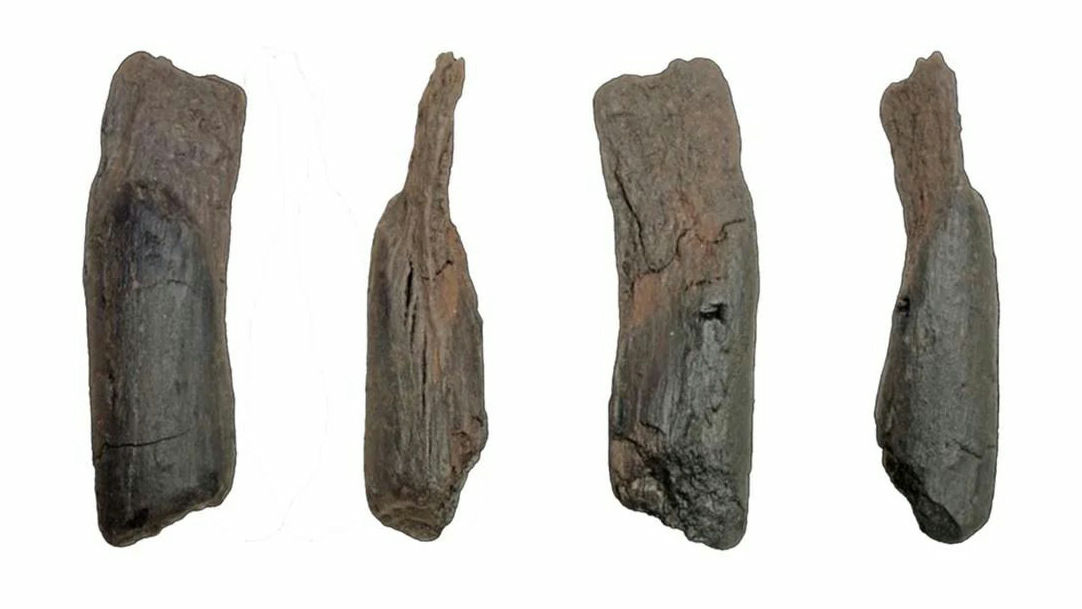
by N. Thompson, K. Harvati
Two wooden
Evidence for the earliest hominin use of wooden handheld tools found at Marathousa 1 (Greece) | PNAS
https://www.pnas.org/doi/10.1073/pnas.2515479123
430,000-year-old well-preserved wooden tools are the oldest ever found | Archeology News Online Magazine
https://archaeologymag.com/2026/01/430000-year-old-wooden-tools-marathousa/
Ancient wooden tools from Greece are the oldest found yet | AP News
https://apnews.com/article/oldest-wooden-tools-marathousa-1-6e07cfc79f6d8ba648138f805531b933
The site of 'Marathousa 1' in the central Peloponnese Peninsula has yielded various stone fragments, animal bones with artificial cut marks, and elephant tusks. This area was a lakeshore until about 129,000 years ago, and it is believed that early humans frequently visited this area to process the carcasses of large animals.
While wooden objects, such as wooden implements, are generally prone to decay and are unlikely to survive, the humid, low-oxygen environment of Marathousa 1 allowed the artifacts to be preserved, resulting in the unearthing of a variety of wood fragments. A research team from the University of Reading in the UK used a microscope to examine dozens of wood fragments for surface marks, internal structure, and wood species. This allowed the researchers to distinguish between human-caused marks on the wood fragments and those made by nature or animals.
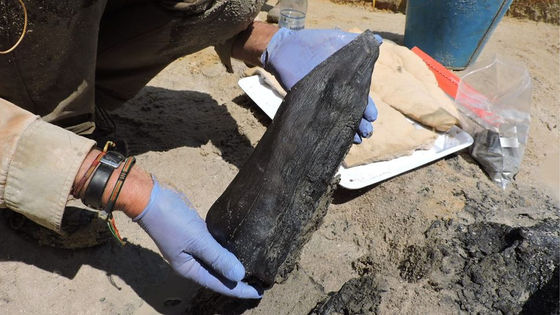
Investigations revealed clear signs of human processing and use on two of the wooden pieces found at Marathousa 1. One wooden implement was made from European alder and was a rod-shaped object approximately 80 cm long. Its surface bore traces of stone tool scraping and rounded areas due to repeated contact with the soil, suggesting it was used as a digging rod for digging in damp ground or mud.
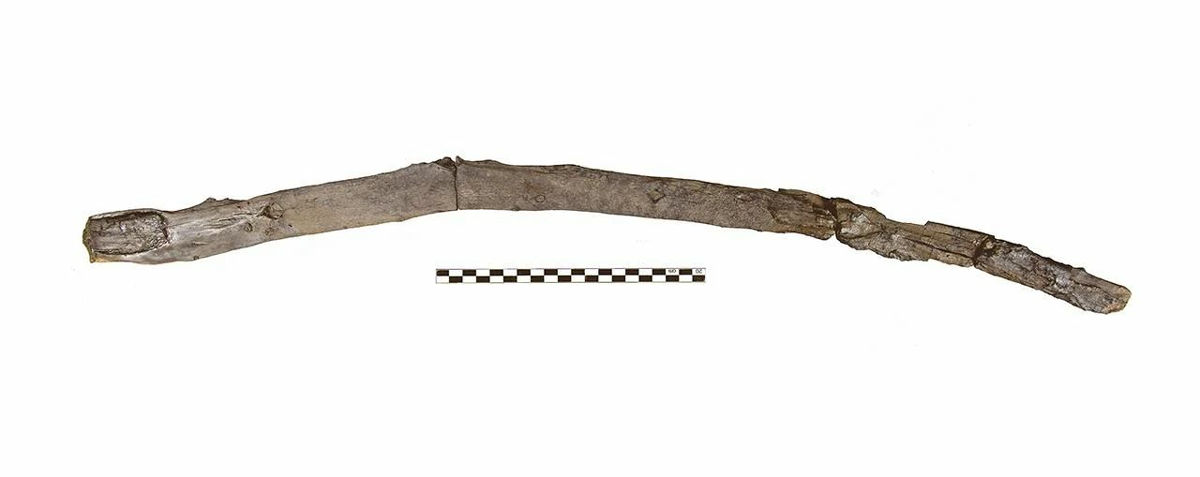
by N. Thompson, K. Harvati
The other wooden tool, made of
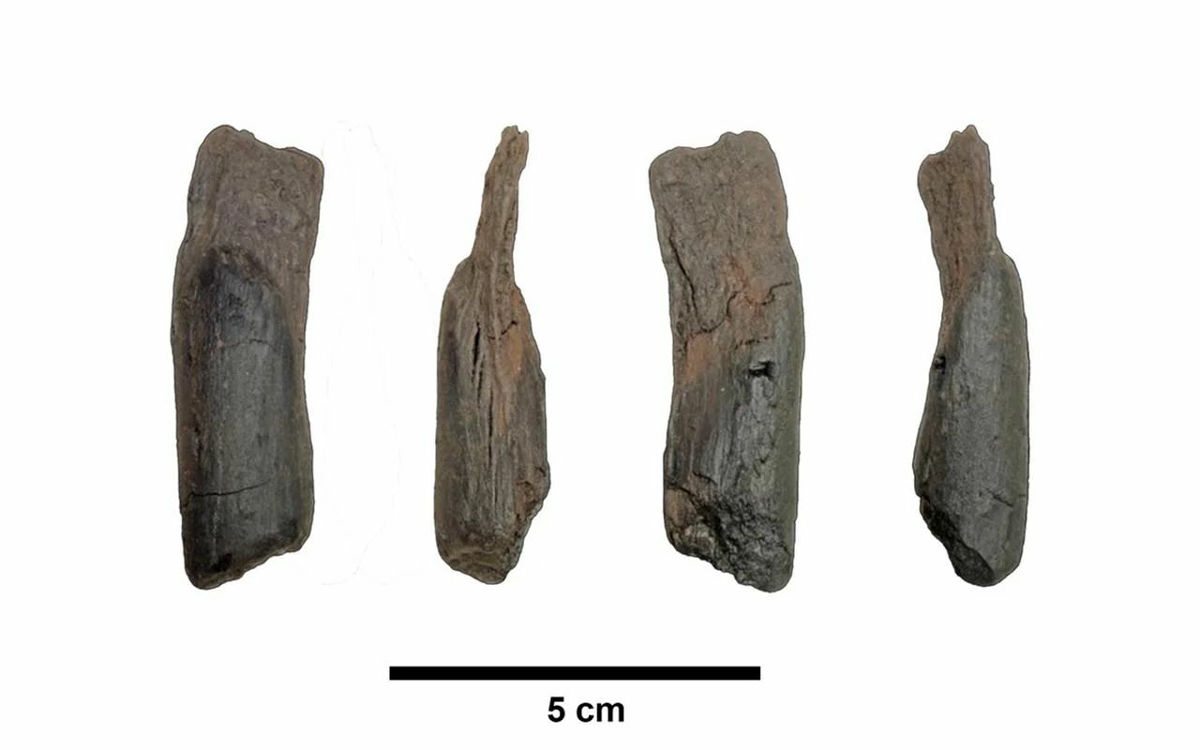
by N. Thompson, K. Harvati
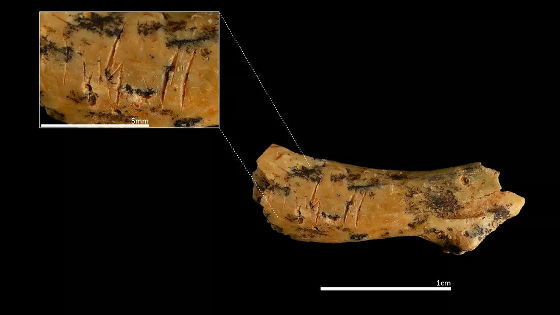
Additionally, some of the wood fragments found at Marathousa 1 bore claw marks left by large carnivores such as bears. This discovery suggests that large carnivores may have been present on the lakeshore where ancient humans butchered elephants and other predators, and that the two groups may have competed for access to animal carcasses.
'We've always been excited to be able to touch these objects,' said Annemieke Mirkes of the University of Reading, lead author of the paper. Since no human remains have been found at Marathousa 1, it's unclear who used these wooden implements.
Although ancient wooden implements have been found at sites in Africa, Europe, and Asia, this latest discovery is the oldest known. Traces of wooden buildings dating back at least 476,000 years have been found in Zambia, southern Africa, but these are not counted as wooden implements because they are structures.
Traces of the world's oldest wooden building discovered in Zambia - GIGAZINE
Related Posts:




in Science, Posted by log1h_ik