Just 10 minutes of exercise may trigger biological changes with anti-cancer properties

Exercise is known to improve a variety of health problems, and
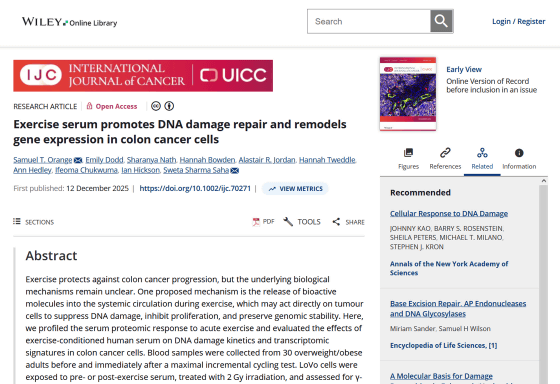
Exercise serum promotes DNA damage repair and remodels gene expression in colon cancer cells - Orange - International Journal of Cancer - Wiley Online Library
https://onlinelibrary.wiley.com/doi/10.1002/ijc.70271
Exercise helps fight bowel cancer - Press Office - Newcastle University
https://www.ncl.ac.uk/press/articles/latest/2025/12/exercisehelpsfightbowelcancer/
10-Minute Bursts of Exercise Can Trigger Anti-Cancer Signals in The Body : ScienceAlert
https://www.sciencealert.com/10-minute-bursts-of-exercise-can-trigger-anti-cancer-signals-in-the-body
Exercise is known to slow the progression of colon cancer and other cancers, but the biological mechanisms by which this occurs are not well understood. One proposed mechanism is that exercise releases physiologically active molecules into the blood, which act on tumor cells to suppress DNA damage and inhibit cancer cell proliferation.
To investigate the physiological changes that occur during exercise and their effect on cancer, a research team from Newcastle University in the UK conducted an experiment on 30 men and women aged 50 to 78. All of the subjects were overweight or obese, which are risk factors for cancer, but were otherwise healthy.
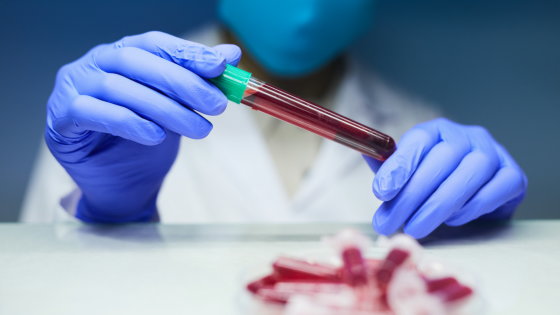
After a brief warm-up, the participants cycled vigorously for about 10 minutes on a stationary bike. The researchers took blood samples from the participants before and after the exercise to examine changes in their molecular composition, and then cultured serum samples in the lab before injecting them into colon cancer cells.

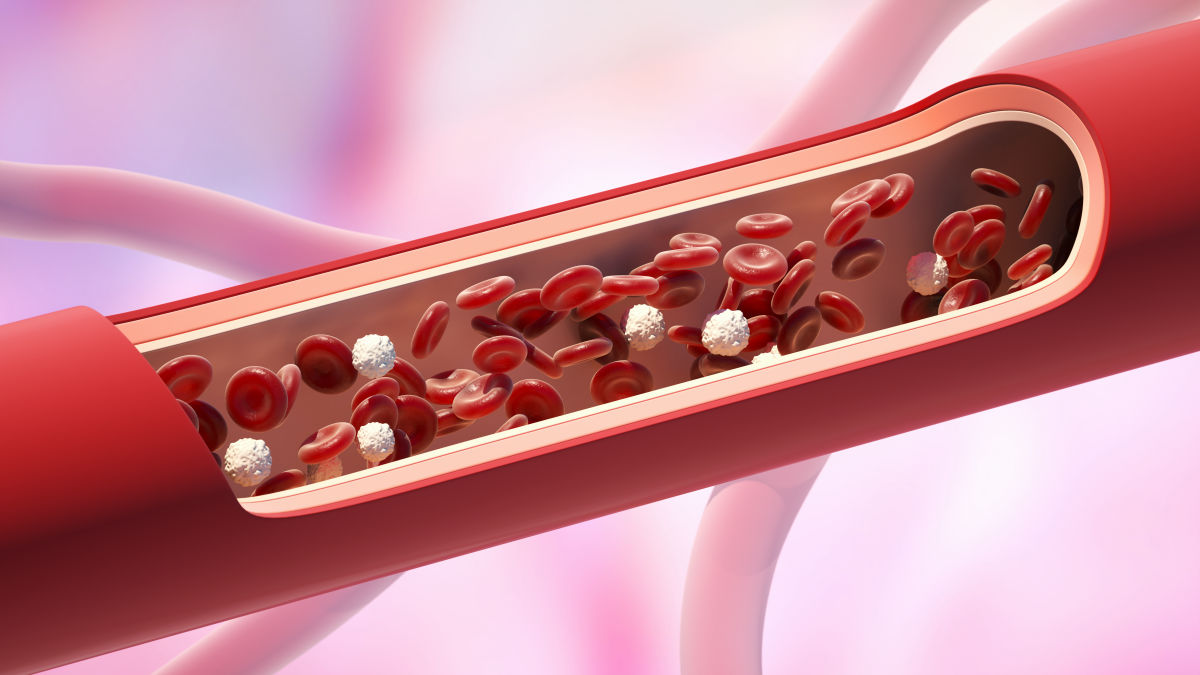
The research team analyzed 249 proteins in the blood and found that exercise increased the levels of 13 proteins, many of which are related to reduced inflammation, improved vascular function, and improved metabolism, including
When the research team applied the cultured serum samples to colon cancer cells, they found that the activity of more than 1,300 genes involved in DNA repair, energy production, cell proliferation, and other processes was altered.
'What's remarkable is that exercise not only has a positive effect on healthy tissue, but also sends powerful signals through the bloodstream that can directly affect more than 1,000 genes in cancer cells,' said lead author Samuel Orange, a clinical exercise physiologist at Newcastle University. 'Even just a single bout of exercise can have a positive effect. Even just 10 minutes of exercise sends powerful signals to the body.'
However, this study was limited in that it only examined the effects of post-exercise serum on cultured cancer cells and not on humans. Furthermore, the study only examined the effects of a single bout of exercise, and did not examine the effects of continued exercise.
'These findings suggest that short bouts of intense exercise, or drugs with some similar effect, may be a promising way to slow the progression of colorectal cancer. 'This is an exciting discovery because it paves the way for finding ways to mimic or enhance the biological effects of exercise, potentially improving cancer treatments and patient outcomes,' said Orange.
Related Posts:




in Science, Posted by log1h_ik