What are the linguistic tricks in product and brand names?
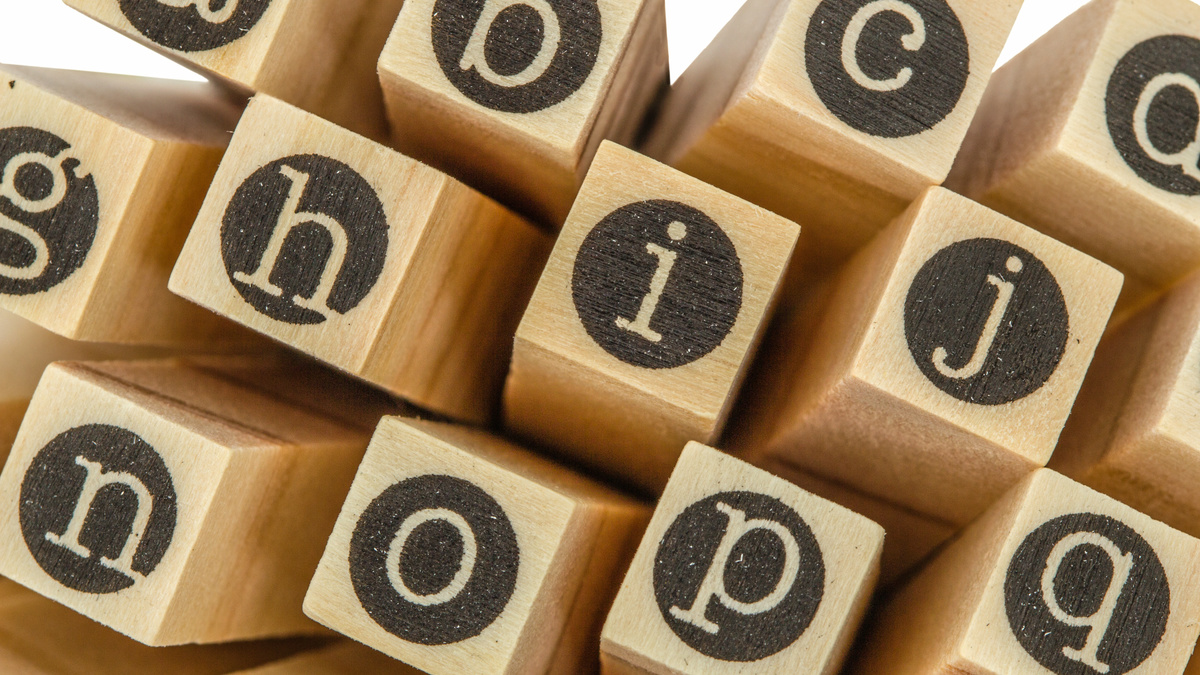
Product and brand names often contain linguistic tricks that make them familiar to users who hear them for the first time. Sociolinguist Erica Brozowski explains the techniques used to create such brand names.
When naming products or brands, it can be as simple as naming the raw material or inventor, or model numbering like Ford 's 'Model S' and 'Model T.' In some cases, however, professional linguists are hired to name products or brands with the aim of activating users' unconscious desires.
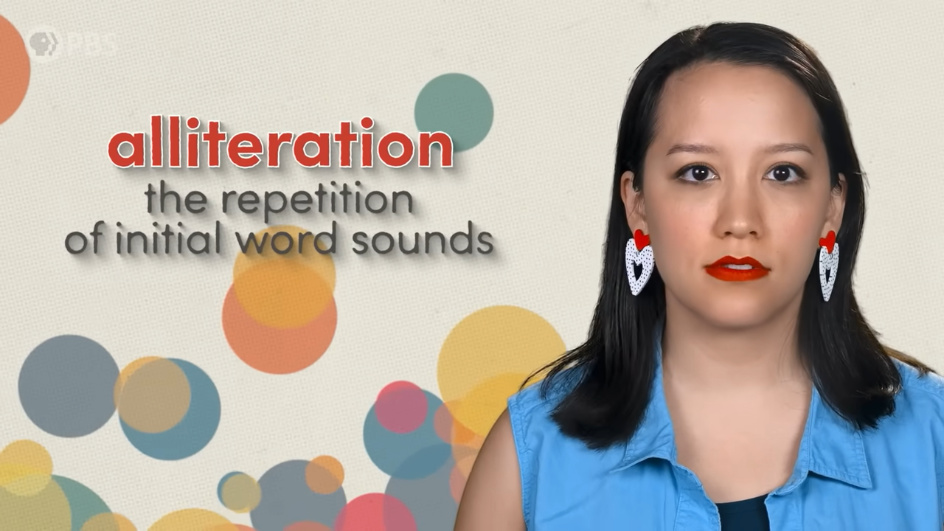
Brozovsky first mentioned 'alliteration' (repetition of the initial sound) as a naming technique. For example, Coca-Cola is named after its raw material, Coca, so it's unclear whether it was intended as a linguistic trick, but the repetition of the 'Co' sound from 'Coca' to 'Cola' makes it easier to remember.
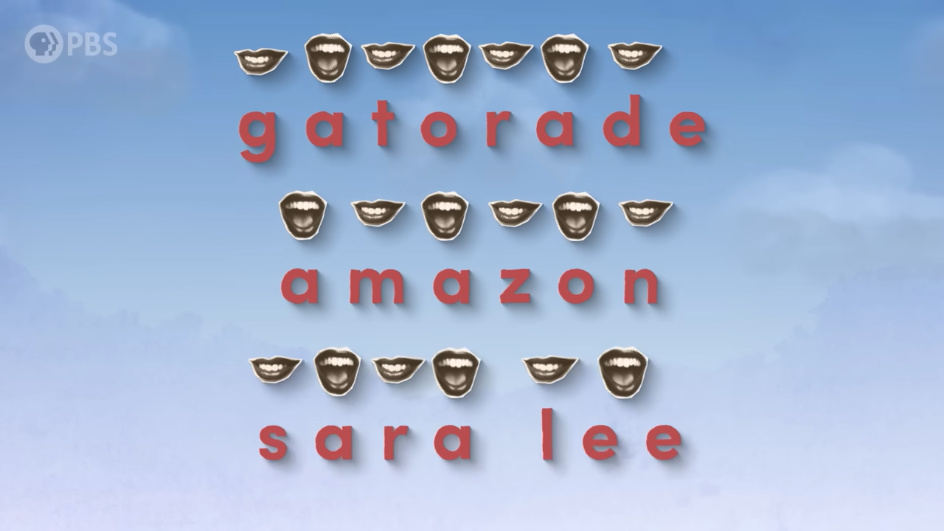
Also, words that have a structure in which the sounds of opening and closing the mouth alternate are easy to pronounce and are the first thing babies imitate, so they are apparently used as a naming trick.
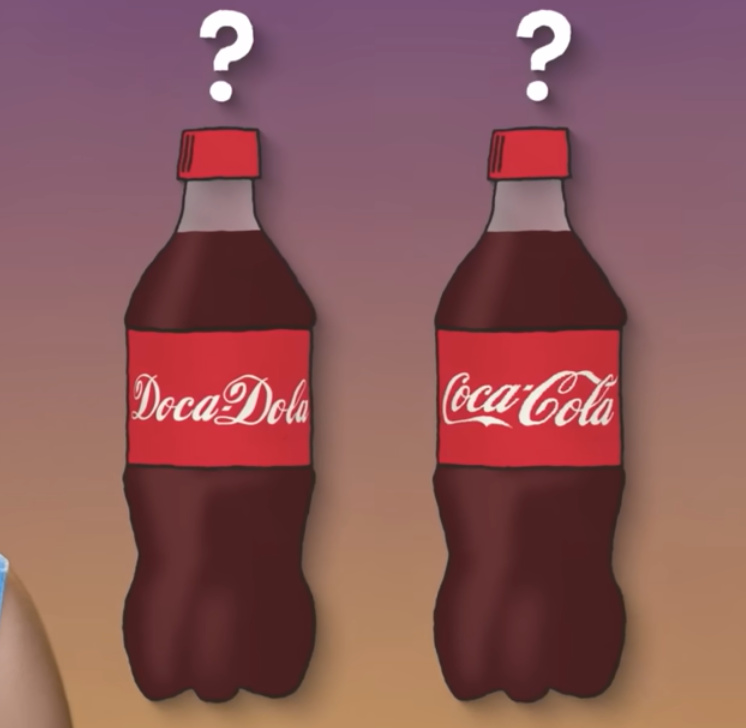
However, even if there was a product name like 'Doka Dora,' it may not be as popular with users as 'Coca-Cola.' The debate over '
A famous experiment on sound symbolism is the bouba-kiki test conducted in 2001. In this test, subjects from different language areas were shown a round shape like an amoeba and a sharp shape like a sea urchin and told, 'One is bouba, the other is kiki.' It was found that 95% of participants tended to associate 'bouba' with the round shape and 'kiki' with the sharp shape. Research has also shown that there are common characteristics in the words used to swear or insult someone across different languages.
Research results show that 'swearing' has common characteristics across different languages - GIGAZINE

Even if sound symbolism is correct, most words are arbitrary, and our perception of words changes depending on how we've been raised. We don't often think, for example, that the name 'dog' sounds more like a cat's name. However, when we encounter an unfamiliar word, our brains tend to look for clues to its meaning in the sound. Since new products and brands typically involve unfamiliar words, sound symbolism is important.
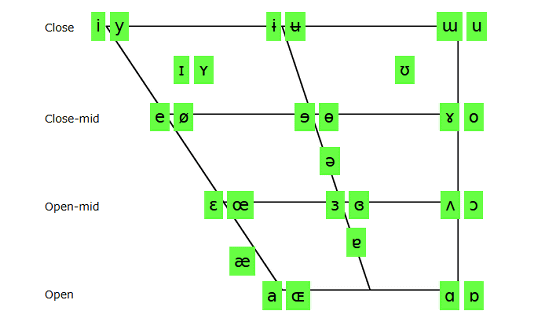
A more specific naming trick involves the handling of vowels. Vowels are classified into 'front vowels,' which are articulated with the tongue's highest raised position at the front; 'back vowels,' which are articulated at the back; and 'central vowels,' which are somewhere in between. Brozovsky says that when people hear unfamiliar words, they tend to associate front vowels with images such as 'small,' 'light,' 'sharp,' and 'feminine,' while back vowels tend to associate images such as 'heavy,' 'round,' and 'masculine.'
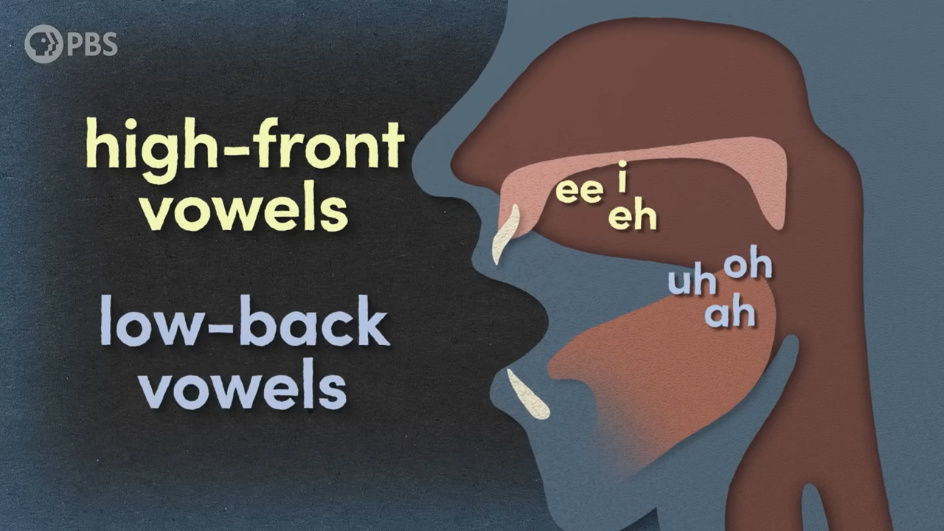
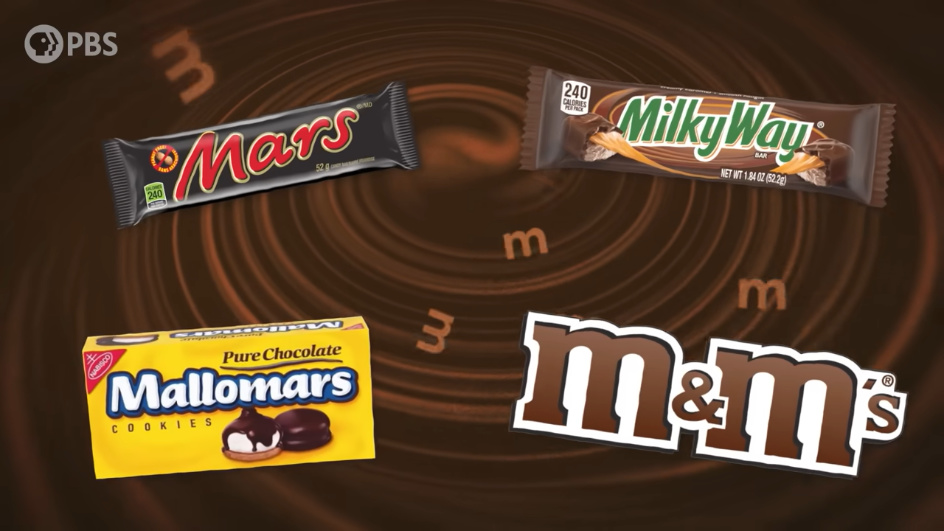
Furthermore, when it comes to consonants, 'voiceless plosives' like the 'ka' and 'pa' sounds are often perceived as smaller and sharper, while 'voiced plosives' like the 'ba' and 'da' sounds are often perceived as stronger and more luxurious. In addition, fricatives starting with the 'sa' and 'f' sounds are considered soft and airy, and 'nasals' like the 'm' and 'n' sounds are associated with delicious food, so the choice of consonant also has an important meaning.
These tricks are merely trends, not strict rules. In some cases, the names of soft and light products are popular because they use hard vowels or consonants, resulting in the trademark becoming a generic term known as 'genericid,' and phrases that are the exact opposite of the impression given by the sound symbols become established.
Related Posts: