Why do we tend to get sick during long holidays and weekends?

You've probably experienced the experience of finally getting a day off or a long vacation after a hard day's work or school, only to suddenly fall ill just as you were about to relax and have fun. Thea
Why do I seem to get sick as soon as I take time off?
https://theconversation.com/why-do-i-seem-to-get-sick-as-soon-as-i-take-time-off-270673
The term 'leisure sickness' was coined in a paper published by Dutch researchers in 2002 and refers to 'a person who rarely gets sick on weekdays but gets sick relatively frequently on weekends or during long holidays.' The researchers conducted a survey of 1,893 people and found that approximately 3% of people suffer from leisure sickness.
Common symptoms include headache, fatigue, colds, flu, muscle aches, and nausea. Infectious diseases are more likely to occur during vacations than on weekends, with symptoms most prevalent during the first week of a long vacation. However, because this study relies solely on participants' memories, responses may not be accurate. Furthermore, people may experience different feelings, such as 'I rarely get sick on weekdays' or 'I get sick relatively frequently during vacation.'
Another study conducted in 2014 asked 22 subjects who regularly suffer from migraines to keep a record of their stress levels and migraine occurrences. The results, surprisingly, suggested that 'stress reduction triggers migraines.' Those who recorded that their stress levels had decreased on a given day were more likely to experience a migraine within the same 24 hours. This means that if work is a stressor, migraines are more likely to occur on days off.
A 1996 study of stroke incidence also showed that strokes were more likely to occur on weekends than on weekdays in young women, leading researchers to suggest that weekend lifestyle changes may be a contributing factor.
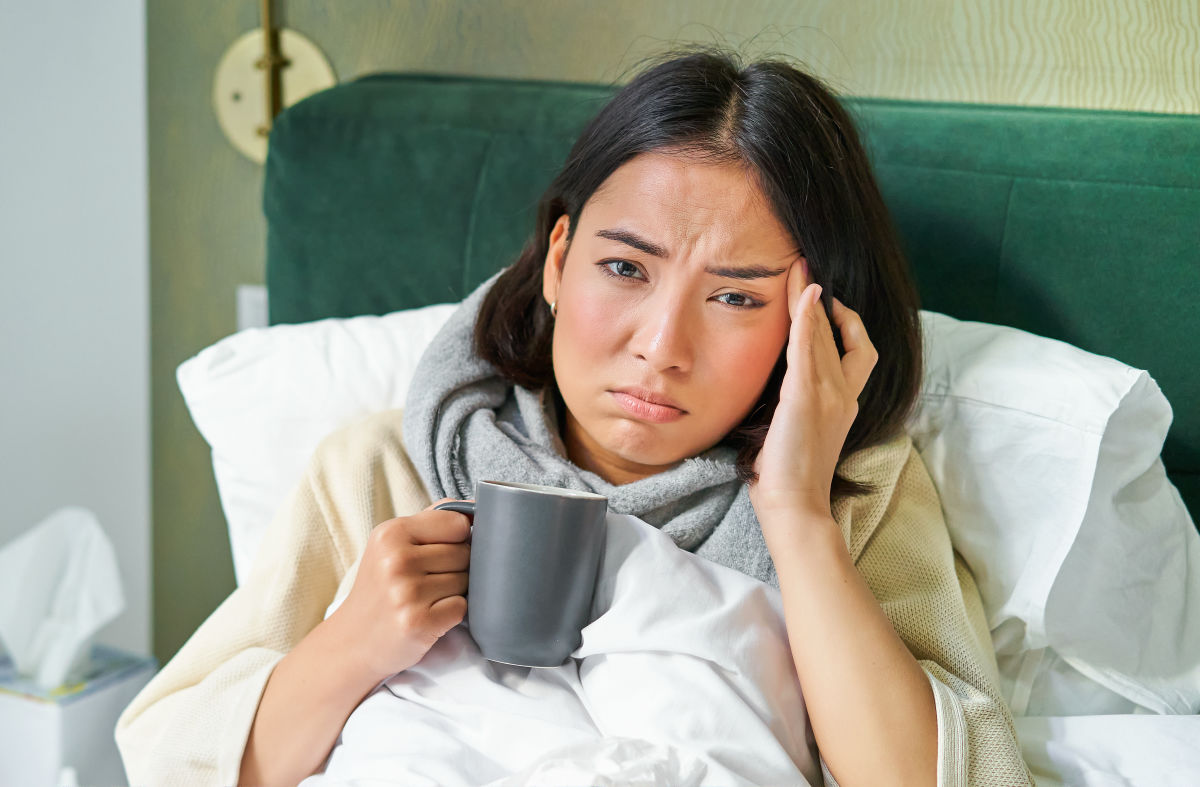
Due to a lack of high-quality research on leisure sickness, its potential causes aren't fully understood, but Mortel says there are several hypotheses for it.
First, 'people travel during holidays and long vacations, and sitting in crowded, enclosed spaces like trains and airplanes for long periods of time increases exposure to pathogens like bacteria and viruses. Traveling to distant places also increases the chance of exposure to bacterial strains to which you have no immunity.'
The second reason is that increased drinking on weekends can weaken the immune system. In addition to the effects of drinking alcohol itself, it is also possible that acting differently from weekdays can put stress on the body.
The third reason is that 'when you're busy at work, you're distracted and it's hard to notice symptoms, but on holidays and vacations, you're free from work, so it's easy to notice symptoms like muscle pain and headaches.' Also, while you might notice a slight feeling of fatigue or a headache while at work, you might think, 'It's probably because I'm busy at work,' but on holidays, you can't blame work, so it's easier to admit you're sick.
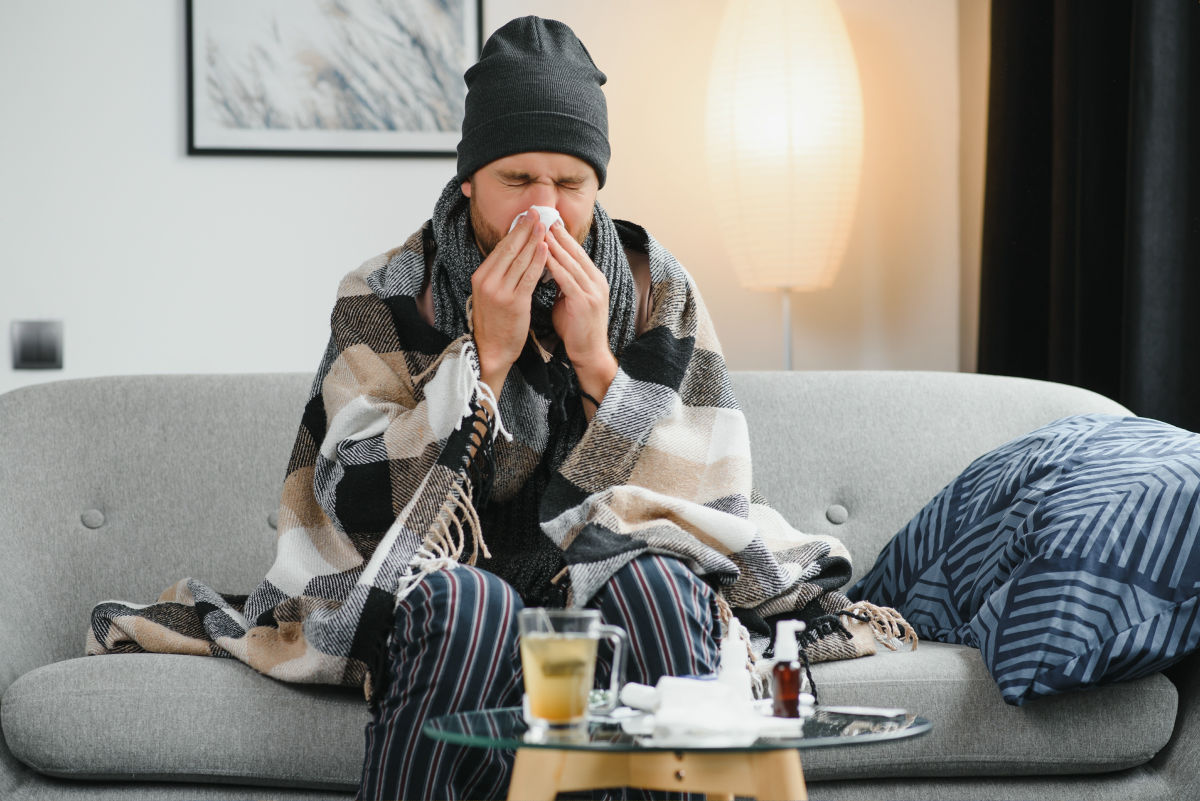
Work-related stress can also affect your health. Stress activates
However, in the short term, both adrenaline and cortisol may boost some parts of the immune system. This means that acute stress may temporarily increase your resistance to infection, which may help you avoid getting sick even when you're busy or stressed. Cortisol's anti-inflammatory properties may also help relieve pain.
On weekends and holidays, the acute stress of work is removed, which means the temporary immune boost and pain-relieving effects of cortisol are gone, which can lead to illness and symptoms like headaches and muscle aches, Mortel said.

Although much remains unknown about leisure-related illness, regular physical activity, even when busy, and adequate nutrition and sleep are key to boosting immunity. A study conducted in Finland showed that workers with low physical activity levels who started to exercise regularly were more likely to take less sick leave than those who remained sedentary.
Managing workplace-related stress is also important, as chronic stress has been linked to several chronic diseases. Reducing stress through meditation, mindfulness, and relaxation practices may also be helpful.
Other important things to reduce the risk of respiratory infections include getting vaccinated against influenza and COVID-19 before holidays and events, and wearing a mask in crowded places and on airplanes, Mortel advised.
Related Posts:




in Free Member, Science, Posted by log1h_ik