If SETI is successful and discovers an extraterrestrial civilization, what should we do?

What Do We Do If SETI Is Successful? - Universe Today
https://www.universetoday.com/articles/what-do-we-do-if-seti-is-successful
From its early days of monitoring extraterrestrial radio communications to examining the use of interstellar lasers and detecting signs of Dyson swarms , SETI has expanded its knowledge of how to detect intelligent life in our galaxy, and the IAA is currently updating its protocols for what researchers should do once intelligent life is discovered.
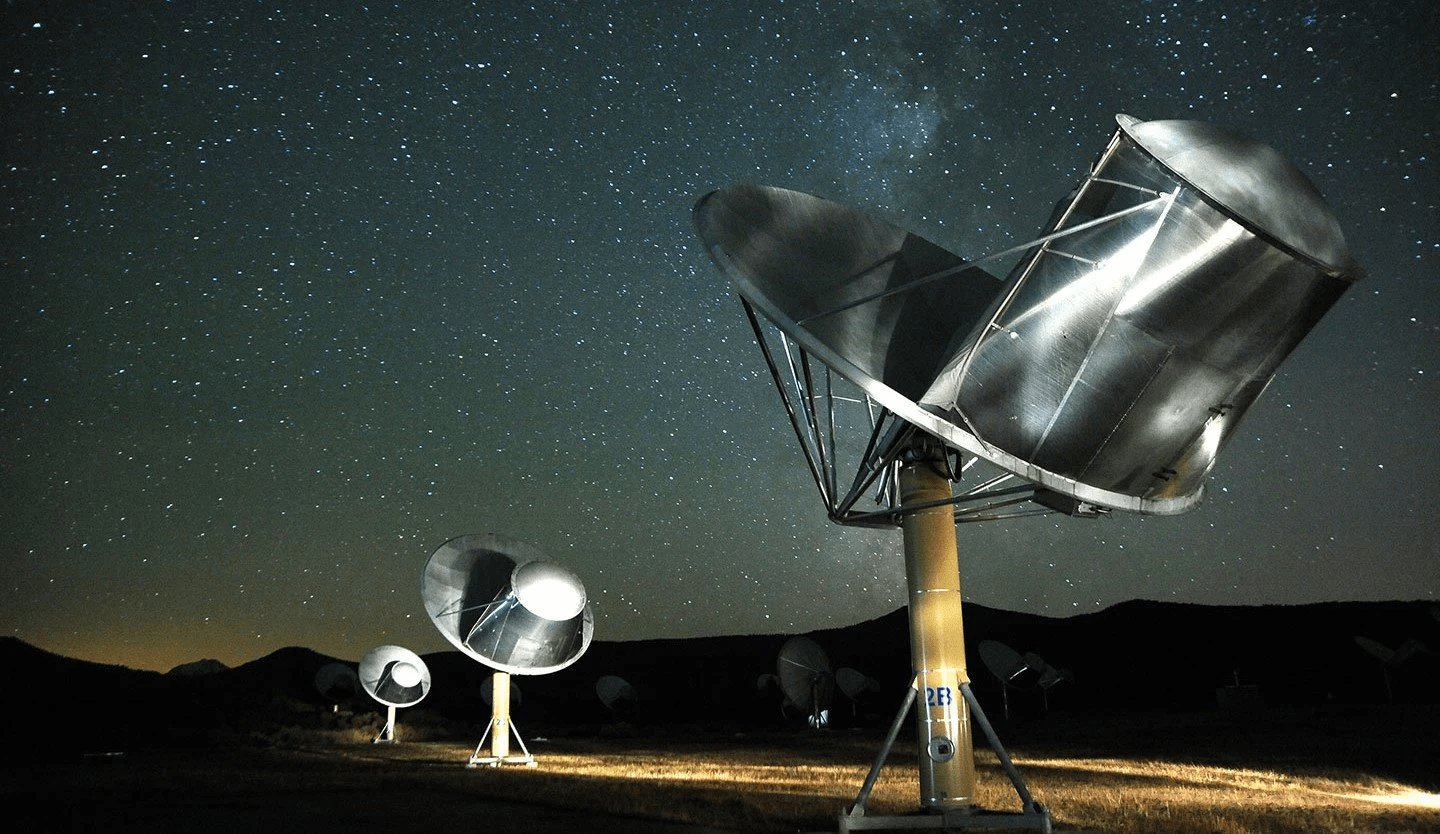
The proposed new protocol has been published as a preprint on arXiv and is expected to be adopted at
However, if there is one change that is most important, it is the suggestion that researchers should not reply to direct messages from extraterrestrial intelligent life .
The previous protocol stated that 'messages should be responded to,' and therefore placed few restrictions on responses. The updated protocol, on the other hand, proposes that researchers should not respond to messages at all until discussions have taken place in an external international organization such as the United Nations. This proposal does not directly affect the METI ( Message to Extraterrestrial Intelligence ) initiative. While some kind of protocol is considered necessary for METI, at present, only position papers have been presented by the IAA and other organizations, and no officially adopted protocol exists.

The new SETI protocols specify how to verify extraterrestrial signals and collected data, how to store the data in two geographically separate locations to make it accessible to a wider range of interested parties, and the software used to analyze the data. Furthermore, if the signal is electromagnetic, the paper suggests petitioning the International Telecommunication Union (ITU) to request the release of the frequency band in which the signal is detected. Note that these protocols are not binding rules, but should be considered merely 'best practices.'
'This update shows that the world has become incredibly complex over the last 15 years, from the political and social environment to what a SETI discovery might mean,' Andrew said. 'While no one has the perfect answers for what we should do if we discover a signal that suggests the presence of extraterrestrial intelligence, the IAA's approach to updating its protocols is exemplary.'
Related Posts:








in Science, Posted by log1c_sh