An 'anode-free battery' has been developed that could double the range of electric vehicles
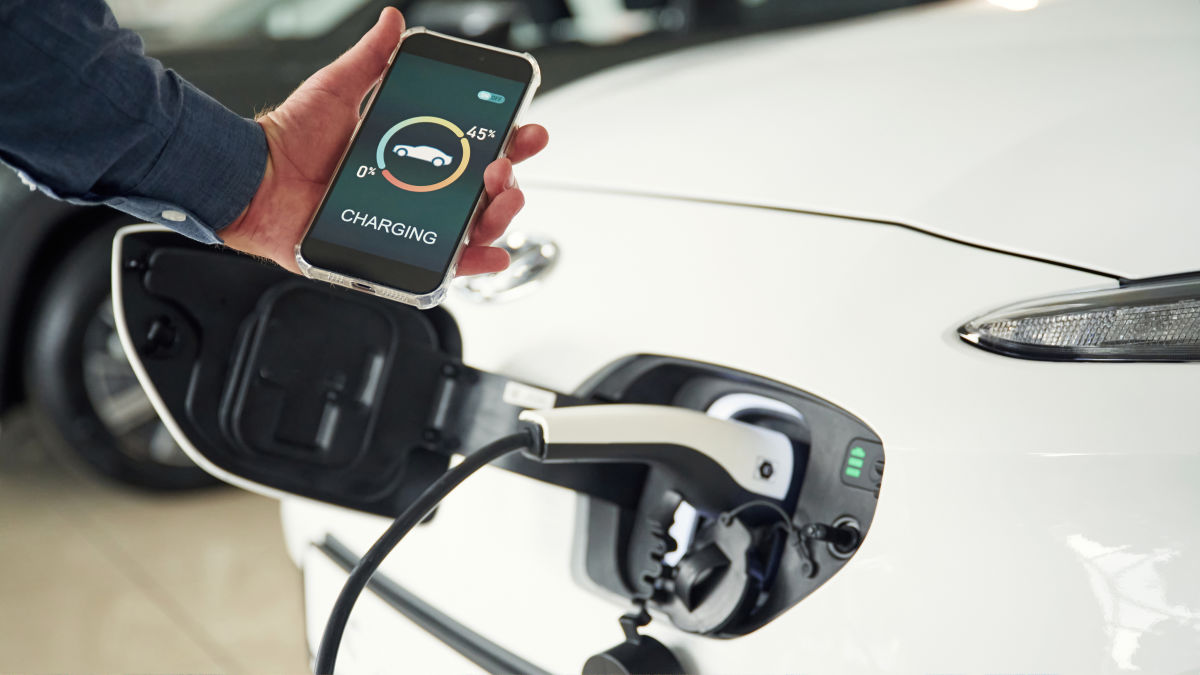
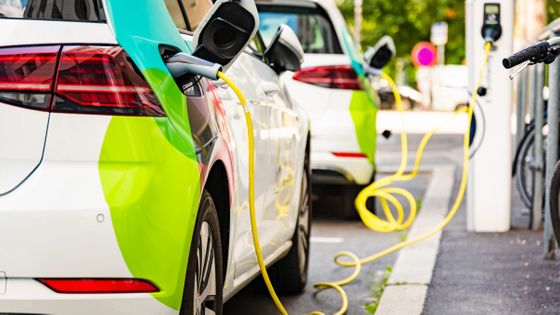
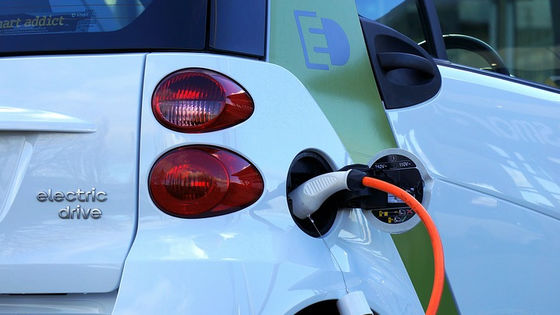
While electric vehicles (EVs) have become increasingly popular in recent years, some people may be hesitant to switch to EVs due to concerns about their limited driving range compared to gasoline-powered vehicles. A Korean research team has developed an 'anode-free battery' that has the potential to double the driving range of EVs.
Synergistic Coupling of Host and Electrolyte Achieving 1270 Wh L−1 in Anode‐Free Lithium Metal Batteries - Han - Advanced Materials - Wiley Online Library
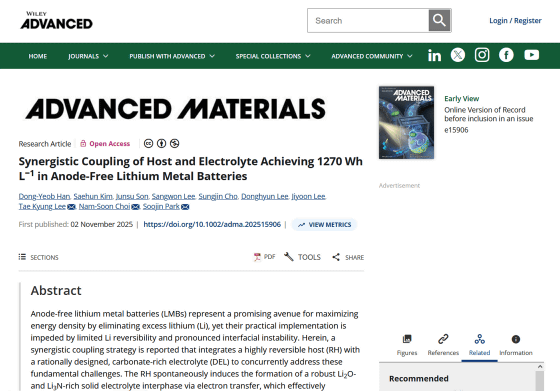
Anode-Free Battery Doubles Electric Vehicle Driving Range | POSTECH
https://postech.ac.kr/eng/research/research_results.do?mode=view&articleNo=43617
EV batteries have evolved dramatically since their introduction, and the driving range on a full charge now ranges widely, from approximately 200 to 750 km . However, EVs with long driving ranges are expensive, and gasoline-powered vehicles generally have longer driving ranges, and there are also issues such as a lack of EV charging stations in cities compared to gas stations.
Therefore, research teams such as those at Pohang University of Science and Technology (POSTECH) and Korea Advanced Institute of Science and Technology (KAIST) in South Korea have developed an 'anode-free lithium metal battery' with an energy density that exceeds that of conventional lithium-ion batteries used in EVs.
As the name suggests, an anode-free lithium metal battery is a battery that completely eliminates the anode (negative electrode) . In a typical lithium-ion battery, lithium ions from the cathode (positive electrode) migrate to the anode and accumulate there during charging. However, in an anode-free lithium metal battery, there is no anode, so lithium is deposited directly on the copper current collector.
By removing unnecessary components, more internal space can be devoted to energy storage in a battery of the same size. However, there are problems with designs that eliminate the anode.
First, uneven lithium deposition can lead to the formation of needle-like structures called dendrites , which increase short circuits and potential safety risks, and repeated charging and discharging can damage the lithium surface, rapidly shortening the battery's lifespan.

The research team employed a strategy that combined a reversible host (RH) and a designed electrolyte (DEL). The RH consists of
DEL also improves stability by forming a thin, strong protective layer of lithium oxide or lithium nitride on the lithium surface, which acts like a band-aid on the skin, preventing the formation of harmful dendrites while providing a pathway for lithium ions to travel.
The newly developed anode-free lithium metal battery maintained 81.9% of its initial capacity even after 100 cycles, and achieved an average coulombic efficiency of 99.6%, which represents the efficiency of charging and discharging. Furthermore, a high volumetric energy density of 1270Wh/L was achieved, not only in small laboratory cells but also in pouch-type cells closer to actual EV applications. The energy density of conventional lithium-ion batteries used in EVs is approximately 650Wh/L, so the energy density of the anode-free lithium metal battery is nearly double that.
'This research represents a significant breakthrough by simultaneously solving the efficiency and lifespan issues of anode-free lithium metal batteries,' said Professor Park Su-jin of POSTECH, co-author of the paper.
Related Posts: