When the image generation AI and image recognition AI generation loop is executed, it turns out that any instruction will eventually converge to '12 different styles'
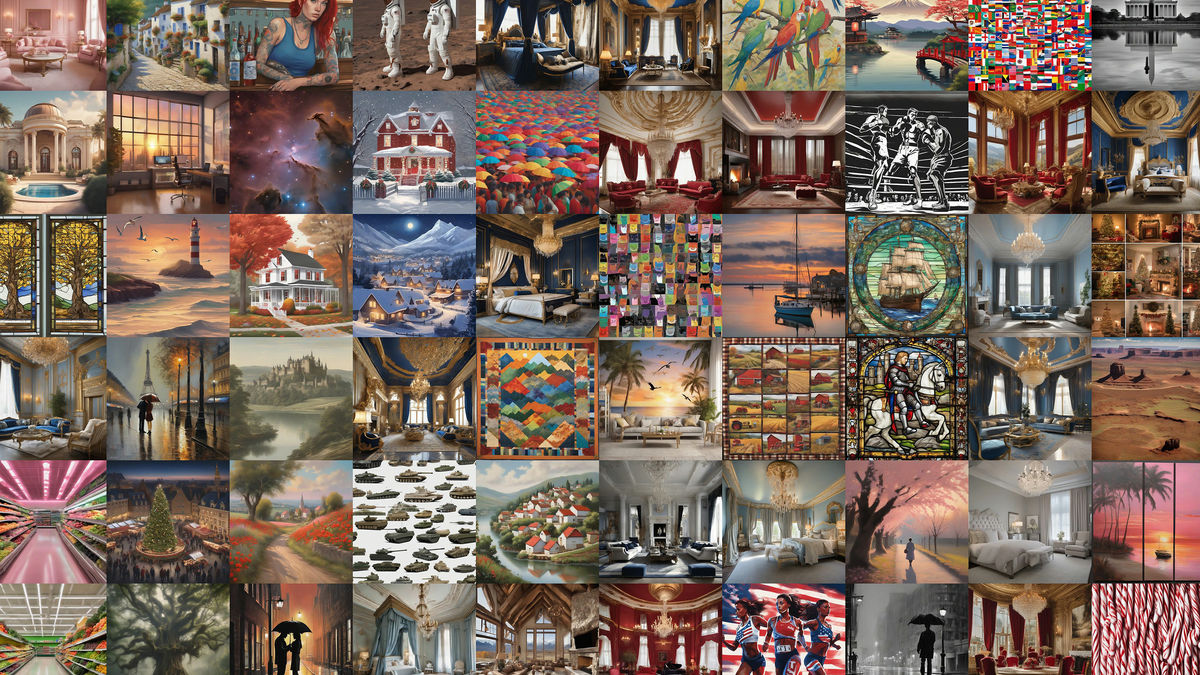
With the development of generative AI, anyone can easily generate images simply by entering a text prompt. At first glance, image-generating AI seems capable of producing diverse and free expressions. However, a study published by Swedish researchers shows that repeated autonomous generation by AIs may eventually converge what initially appeared to be diverse images into just 12 different styles.
Autonomous language-image generation loops converge to generic visual motifs: Patterns
AI Image Generators Default to the Same 12 Photo Styles, Study Finds
https://gizmodo.com/ai-image-generators-default-to-the-same-12-photo-styles-study-finds-2000702012
A research team led by Erlend Hintze, a data analytics specialist at Dalarna University in Sweden, used a self-referential AI loop to test the 'creativity of AI.' In their research, they used the image generation AI ' Stable Diffusion XL ' and the image recognition and chat AI ' LLaVA ' to create a text-to-image-to-text-to-image cycle that works without human intervention.
For example, first, Stable Diffusion XL was given a short prompt, such as, 'Sitting alone, surrounded by nature, I came across eight pages of an old book. It contained a story written in a forgotten language, waiting to be read and understood.' The generated image was then presented to LLaVA, which read it and provided a textual description of the image. This description was then sent to Stable Diffusion XL, which used it as a prompt to generate a new image. This process was repeated over 100 rounds, and researchers investigated how the image changed over the course of the cycle.
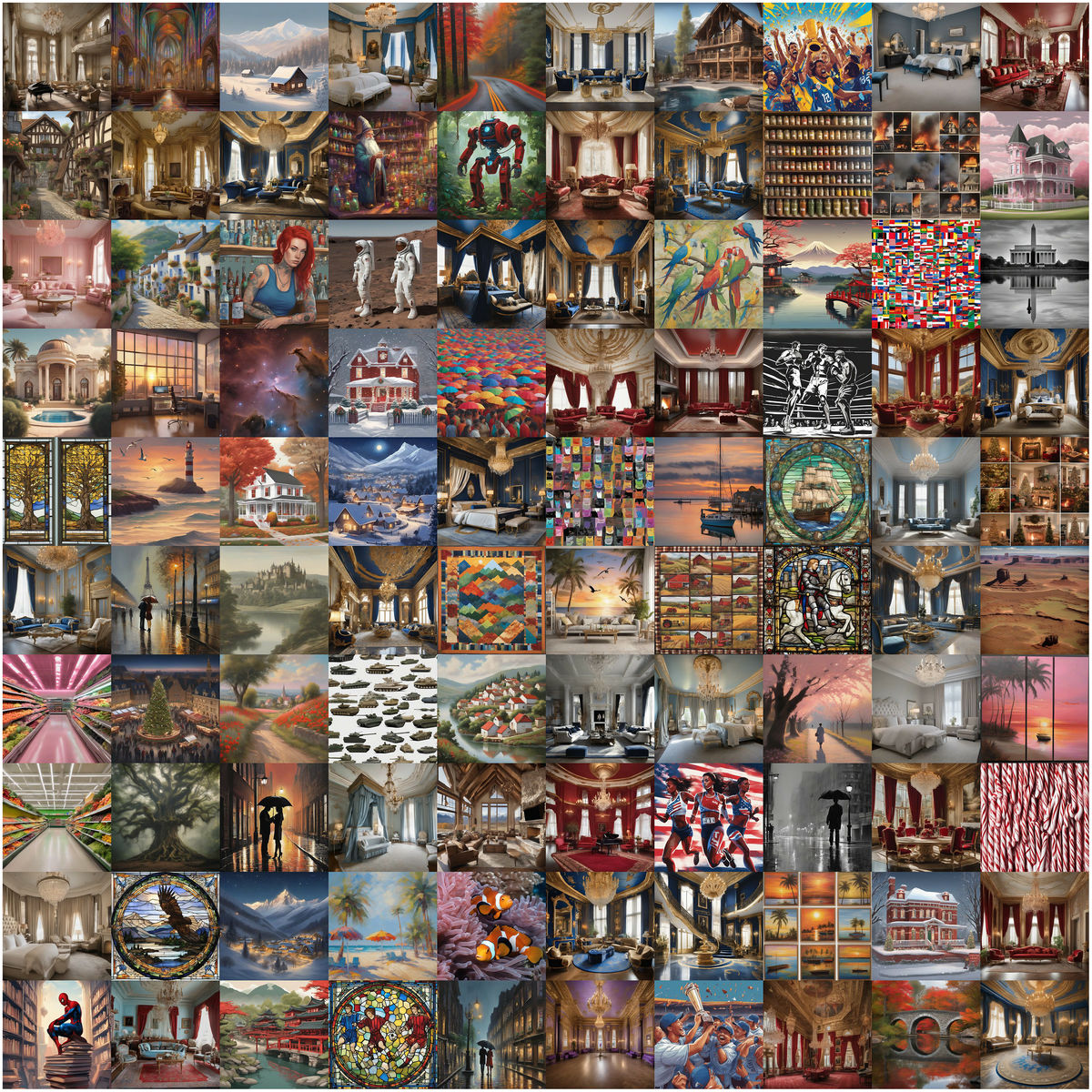
During the cycle, the original image was quickly lost, like when playing a game of telephone. Furthermore, in a game of telephone between humans, each message is conveyed and received differently, reflecting each person's biases and preferences, resulting in significant variation. On the other hand, the AI, no matter how unusual the original message, can always only choose from a limited number of messages. Therefore, unlike the game of telephone, creativity did not 'expand in unimaginable directions,' but rather converged on a small number of visual motifs, the researchers report.
'The results are strikingly counterintuitive. Despite the probabilistic nature of both image generation and text description, the creative cycles of the autonomous AIs consistently converge to remarkably similar outputs. Regardless of their diverse semantic starting points and sampling parameters, the independent trajectories evolve to nearly identical visual and textual endpoints characterized by a common, commercially viable aesthetic. We call this 'visual elevator music.'' He expressed surprise at the results.
Across all experimental conditions, over 2000 runs, it was revealed that the final result was a convergence to just 12 visual motifs. Across over 1000 runs, the motifs that were consistently present in one of the generated images were as follows:
Sports and action
・Formal interior space
・The sea or a lighthouse
- City night view with atmospheric lighting
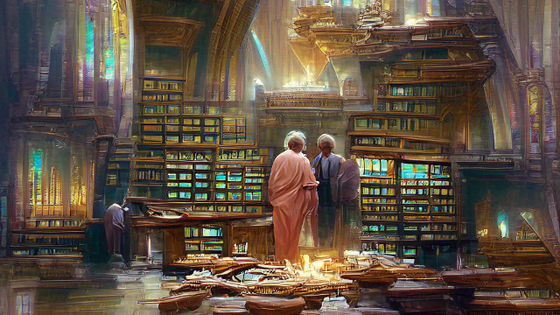
-Interior of the Gothic cathedral
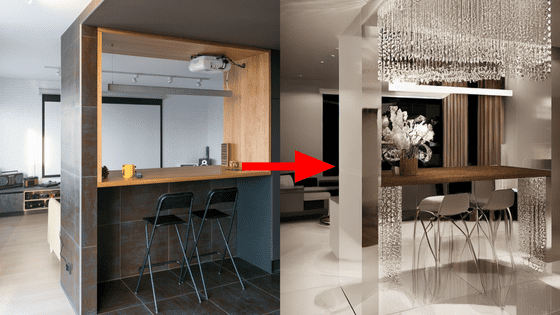
・Luxurious interior design
- Industrial and vintage themes
・Simple architectural space
- Images of home scenes and food
- The interior of the palace with decorative architecture
・Rural landscapes and villages
-Dramatic lighting of natural landscapes and animals
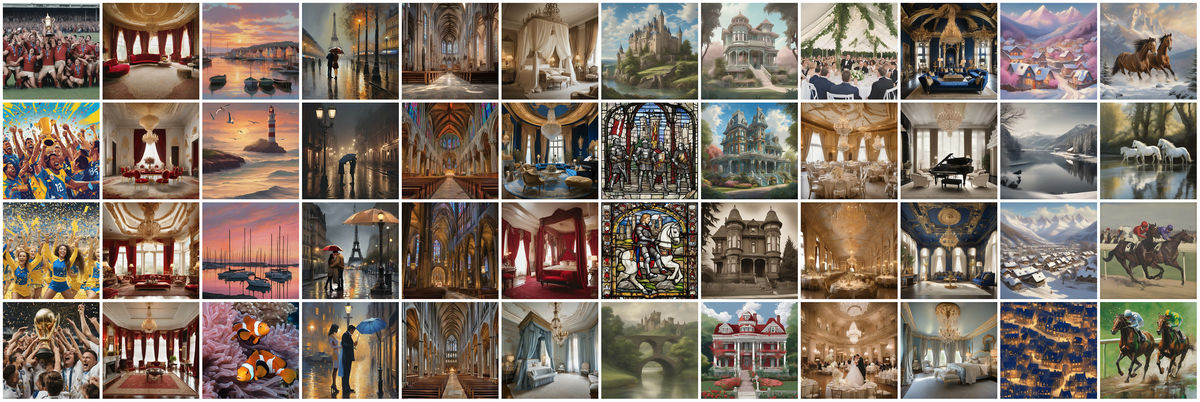
According to the research, what the converged images have in common is 'themes that humans often photograph' or 'visuals that are frequently used in datasets when generating images.'
The results of this study may suggest that there are fundamental limitations on creativity in the creative process between AIs, regardless of the model or prompt, transcending individual architectures. While AI image generation is increasingly being used in advertising, design, movies, and games, the researchers point out that even when unique prompts are input, 'the limited creativity of AIs can lead to a degree of convergence in the images they generate, and there is a risk of bias toward the same motifs, leading to a loss of originality and cultural diversity.'
Related Posts:




in AI, Posted by log1e_dh