Giant 'CO2 batteries' that store renewable energy as carbon dioxide will be built around the world
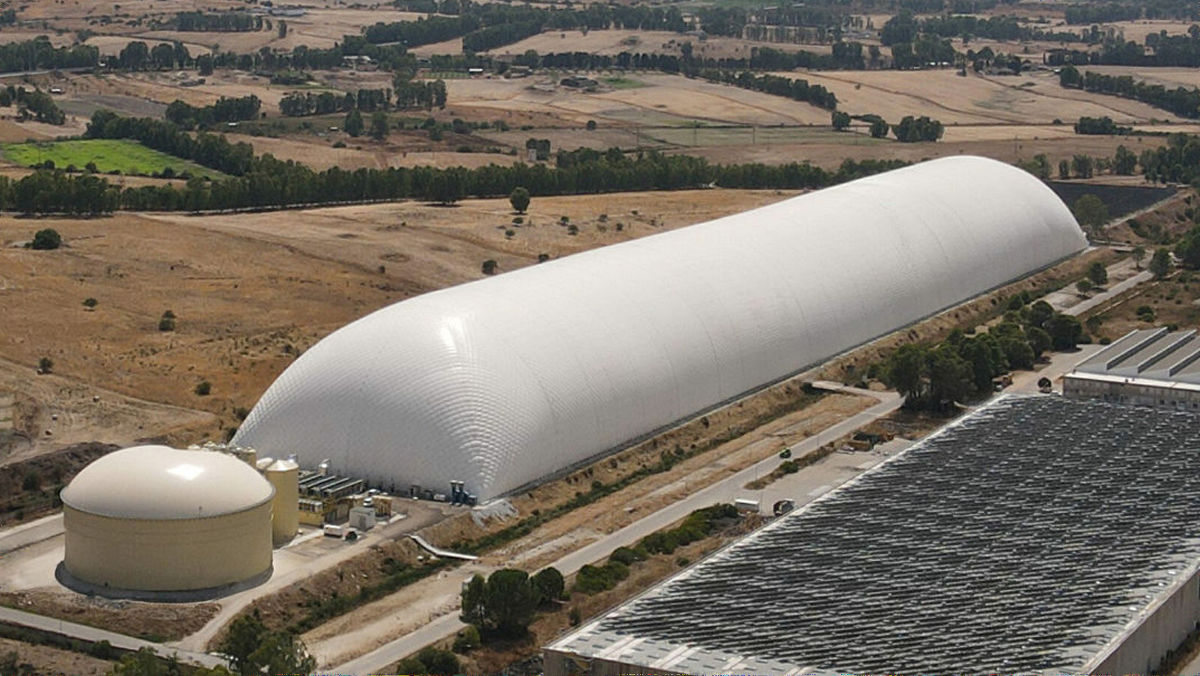
When generating electricity using renewable energy sources such as wind and solar power, there are times when power cannot be generated due to weather conditions, so it is important to combine it with a system that stores surplus energy.In recent years, 'CO2 batteries' that use large amounts of carbon dioxide to store surplus energy have begun to be put into practical use, and Google is also planning to deploy them in its major data centers.
CO2 Batteries That Store Grid Energy Take Off Globally - IEEE Spectrum
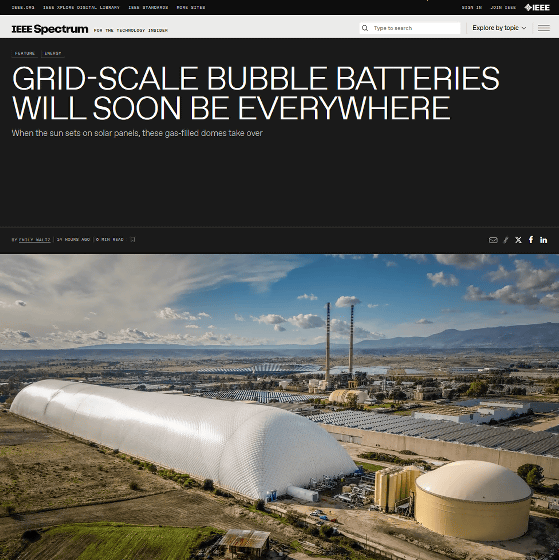
With the emergence of large-scale wind and solar power plants, the question of how to store surplus renewable energy is becoming increasingly important. The concept of 'long-duration energy storage (LDES),' which stores surplus energy and provides continuous power for eight or more hours when wind or solar power is unavailable, is key to maximizing the value of renewable energy.
The problem is that even the most advanced grid-scale energy storage systems on the market can only store energy for around four to eight hours, meaning they cannot meet increased energy demands at night, during periods of bad weather, or during periods of extreme heat. These systems primarily use lithium-ion batteries, but they become economically unviable if they are made too large. Batteries using other metals and chemistries are also being developed, but energy density, cost, degradation, and funding are obstacles.
Researchers are trying to store excess energy in a variety of ways, including compressing air, heating sand or blocks , using hydrogen or methanol, pressurizing water deep underground, and lifting heavy objects into the air . However, geological constraints, feasibility, efficiency, and scalability have hindered commercialization.
Pumped storage hydroelectric power generation , which moves water between two reservoirs, is already being used as a surplus energy storage system, and is capable of storing thousands of megawatts of electricity for long periods of time. However, pumped storage hydroelectric power generation requires special topography and a large amount of land, so it cannot be deployed everywhere.
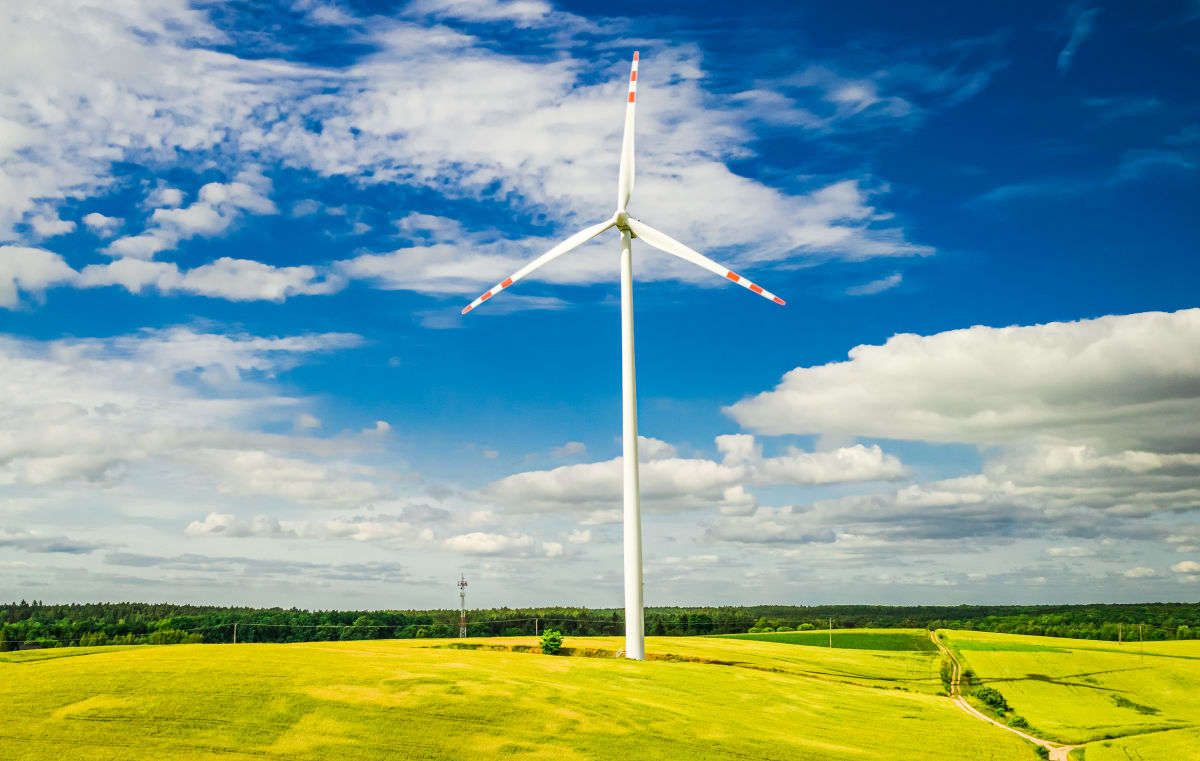
The CO2 battery uses excess renewable energy to compress 2,000 tons of carbon dioxide, cool it to room temperature, and store it in dozens of pressure vessels the size of a school bus. When the energy is needed, the process is reversed, turning the liquid carbon dioxide back into a gas to power turbines that generate electricity. The gas is then stored inside the dome. When excess energy arrives, a corrugated pipe transports the carbon dioxide out of the dome and converts it back into a liquid. This method can generate up to 200 megawatts of electricity in 10 hours.
A CO2 battery consists of a giant dome that stores gaseous carbon dioxide, a tank that stores liquid carbon dioxide, a turbine, and other equipment. It does not require special topography like pumped hydroelectric power generation, nor does it use rare minerals like electrochemical batteries. It uses components available in the existing supply chain. The expected battery life is approximately three times that of lithium-ion batteries, and increasing the size and storage capacity can significantly reduce the cost per unit of electricity generated. Energy Dome estimates that a CO2 battery-based LDES solution will be 30% cheaper than a lithium-ion battery of the same size.
The photo below shows the CO2 battery at the Energy Dome in Milan. You can see the huge vertical dome equipped with various facilities.
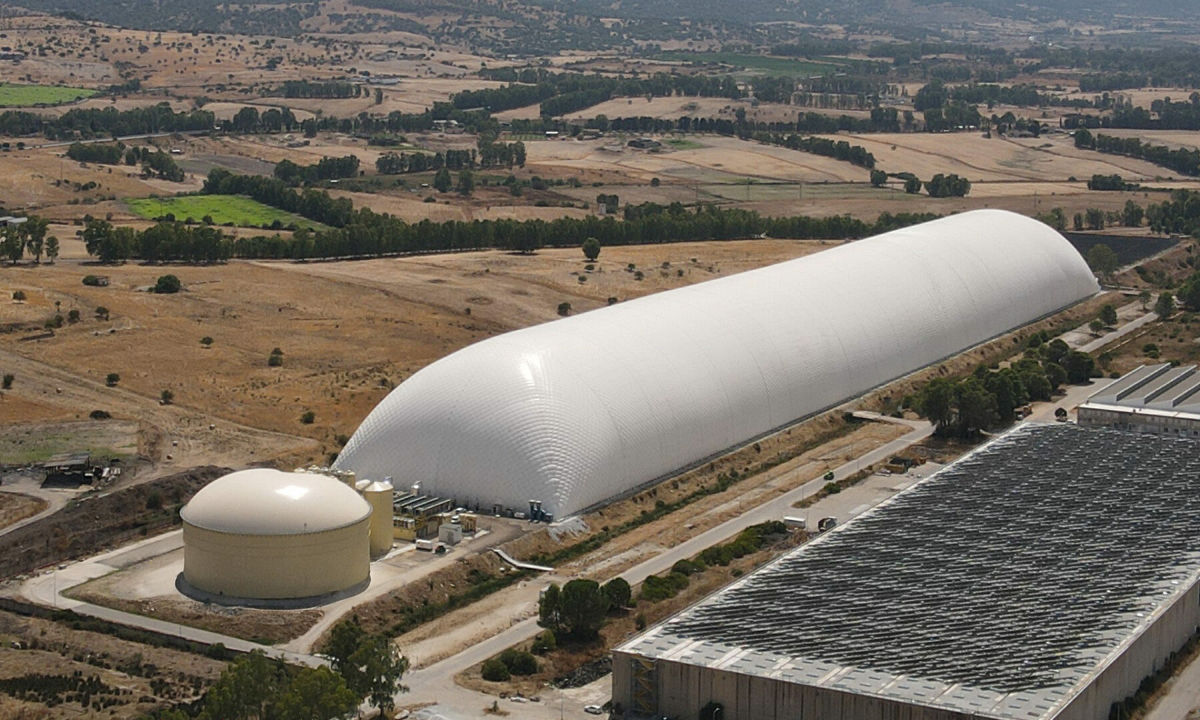
The Energy Dome can be inflated in just half a day, and the rest of the facility can be constructed in less than two years. It can be built anywhere with a 5-hectare (50,000 square meter) flat land, sparking a movement to build CO2 batteries around the world.
The next CO2 battery to be built after Sardinia will be in India, with completion planned for 2026 in the state of Cartanaca . And in the US state of Wisconsin , utility company Alliant Energy has received permission to build a CO2 battery that will power 18,000 homes in 2026.
Google also highly values Energy Dome's CO2 batteries and plans to deploy them in major data centers in Europe, the Americas, and the Asia-Pacific region. Ainhoa Anda, senior leader of energy strategy at Google, said that the company appreciates the fact that Energy Dome is standardized, allowing it to be built in various regions around the world. Google and Energy Dome have not disclosed the terms of the contract for the CO2 batteries.
Our first step into long-duration energy storage with Energy Dome
https://blog.google/outreach-initiatives/sustainability/long-term-energy-storage/
The downsides of CO2 batteries include the fact that they require roughly twice the land area of a lithium-ion battery of the same capacity, and that the dome itself is huge, which can have an impact on the surrounding landscape. There are also concerns that a large amount of carbon dioxide would be released if the dome were to collapse, but the Energy Dome's CO2 battery can withstand winds of up to 160 km/h, and if an impending typhoon or hurricane is predicted, the dome can be deflated in about half a day by liquefying the carbon dioxide.
If the worst-case scenario were to occur and the dome were to puncture, 2,000 tonnes of carbon dioxide would be released into the air – equivalent to the emissions from 15 Boeing 777 flights between New York and London – but still negligible compared to the emissions from a coal-fired power plant.
Related Posts:


in Science, Posted by log1h_ik