Why do dogs hide their toys and food?
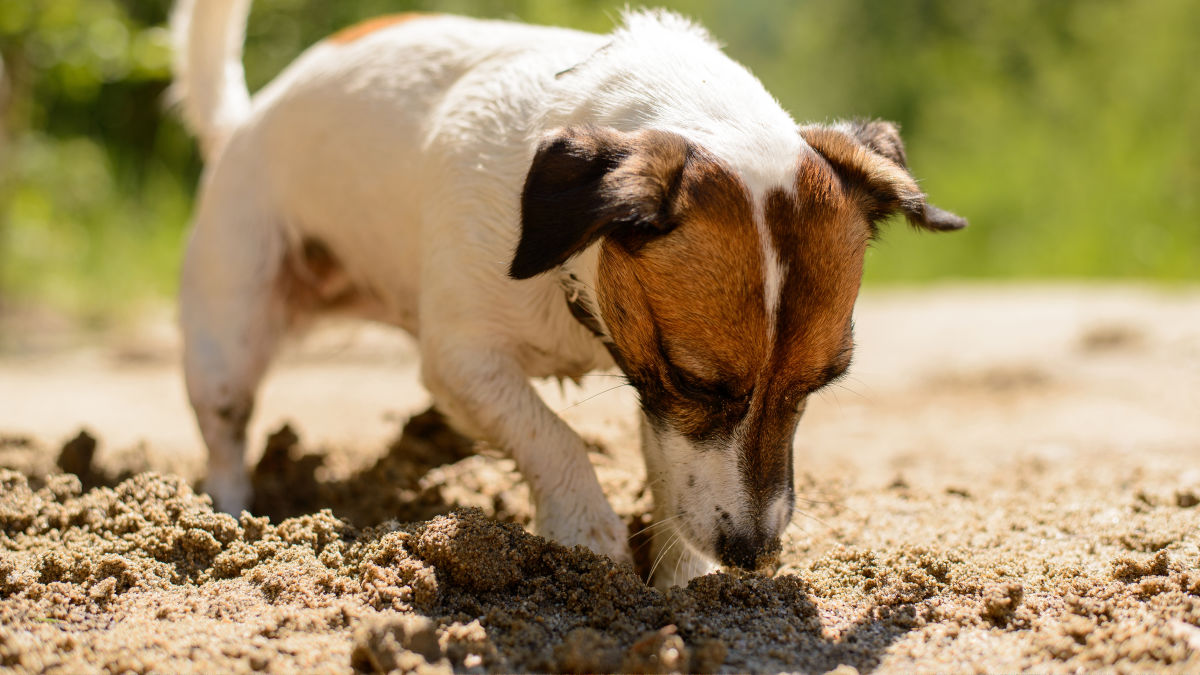
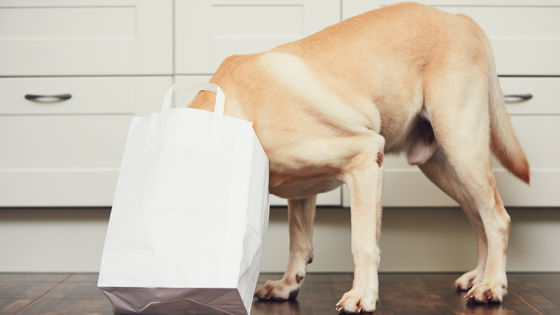
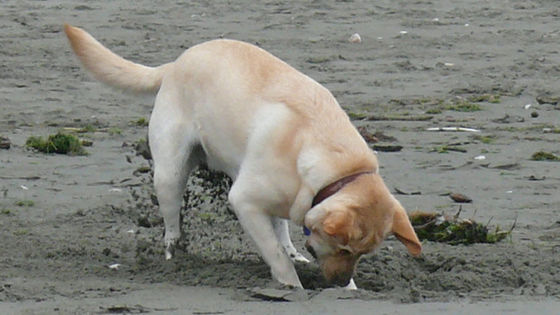
Domestic dogs sometimes hide food or toys under cushions or in holes they dig in the garden. Many people have wondered why their dogs do this. Mia Cobb, a researcher at the University of Melbourne's Centre for Animal Welfare Science, explains why dogs hide food and toys.
Your dog is not a doomsday prepper. Here's why they hide food and toys
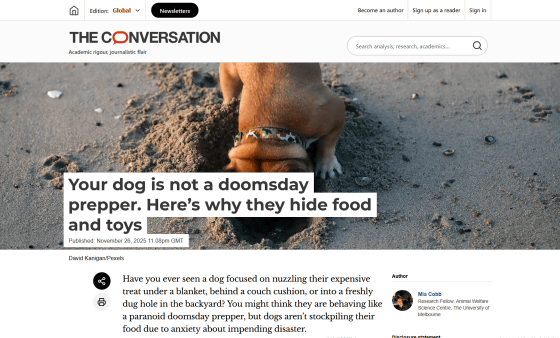
Cobb explains why dogs hide their food and toys: 'Dogs aren't stockpiling food because they're worried about an impending disaster. Rather, they're revealing how evolutionary processes influence modern behavior.'
Caching, the act of storing food for later retrieval, is common in the animal kingdom. For example, squirrels hide harvested nuts and other food in one or two caches to provide food for the long winter. Canines, such as foxes and wolves, store surplus food in multiple locations and use it to survive periods of food scarcity.
The reason modern domestic dogs hide food and toys is an instinctive remnant of the feeding habits of their hunter-gathering ancestors. Dogs use a combination of olfactory and observational spatial memory to remember where they have hidden objects.
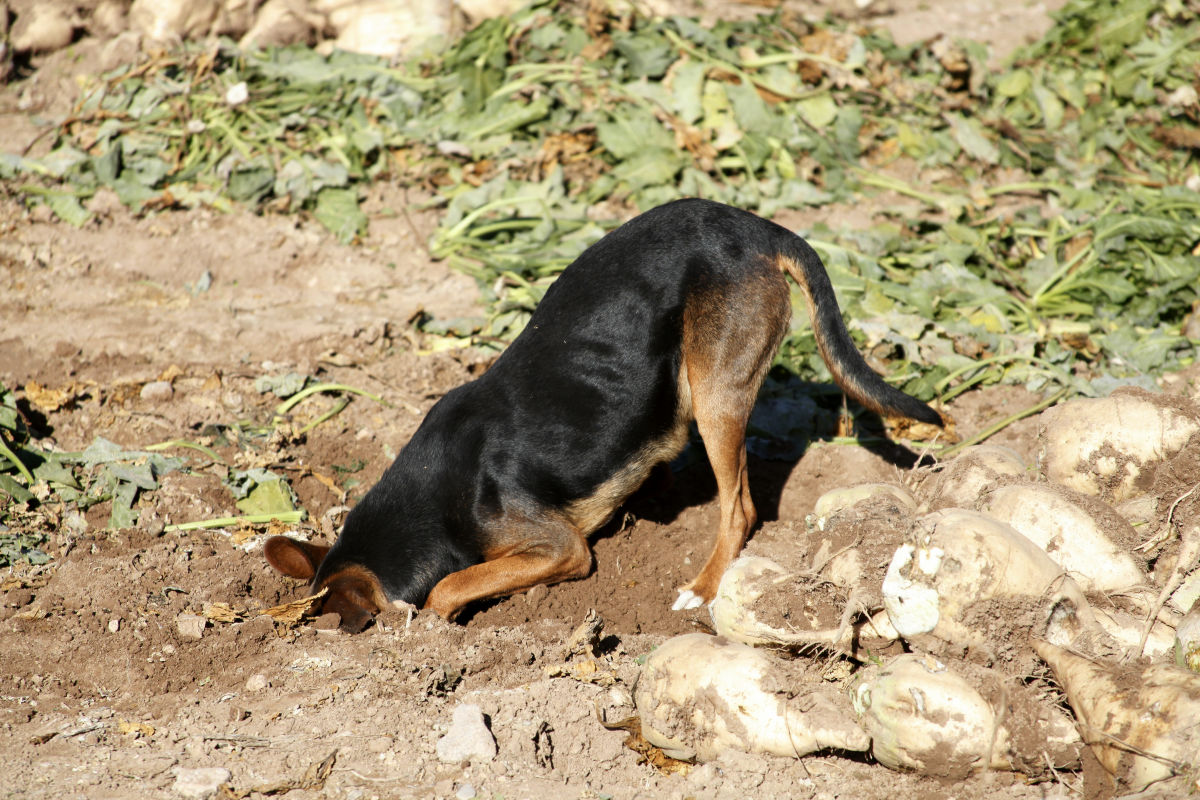
When owners see their dogs hiding food or toys in various places, they might wonder, 'Is my dog worried about not getting food?' However, Cobb explains that this behavior is a genetically innate survival mechanism and not a sign that the dog is anticipating future hunger.
However, if a dog was once a stray or raised in a stressful environment, it may store more food as a way to cope with those experiences, and this may also be common in breeds that are well-suited for hunting, such as
Generally, dog stalking is not a behavior you should be too concerned about, but if it becomes a problem in your dog's life, you should consider how to deal with it. Providing your dog with daily exercise, mental stimulation, and fun social interactions is beneficial in dealing with problematic dog behavior.
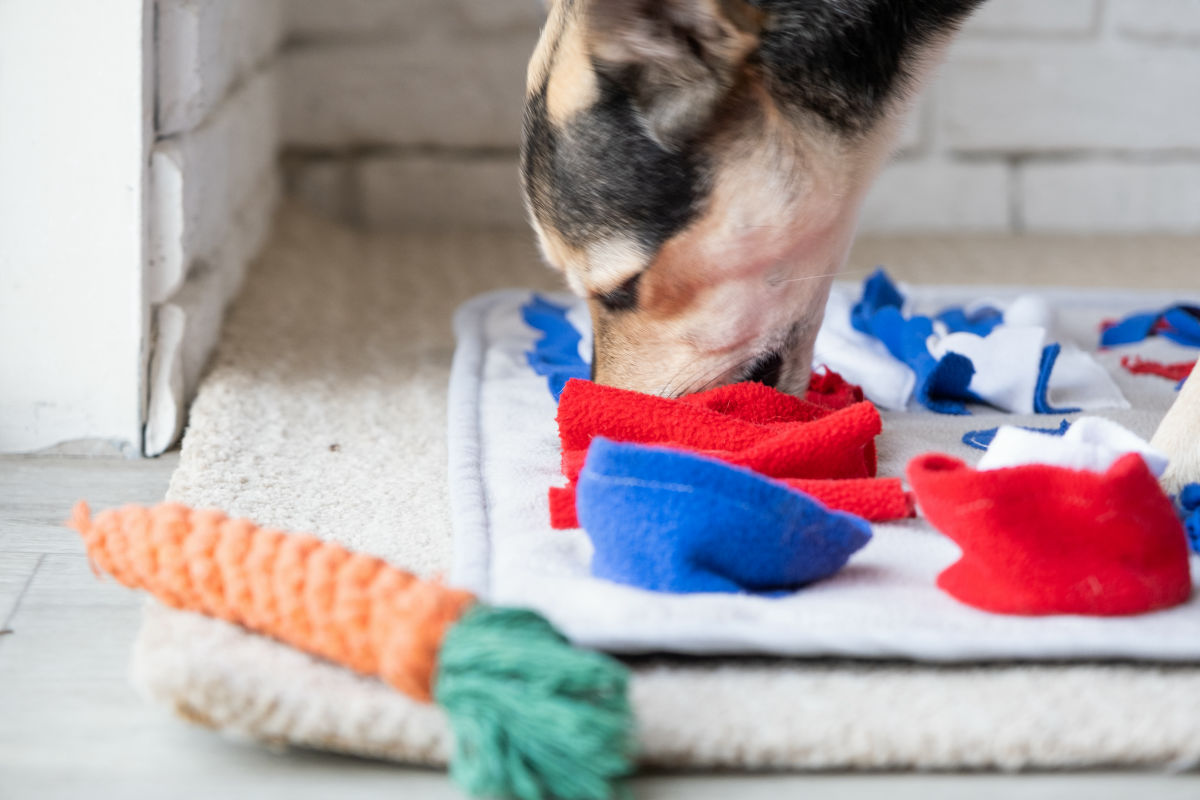
Cobb recommends using snuffle mats and interactive puzzles to hide treats and toys as ways to encourage interactions that build on your dog's natural foraging behavior.
By hiding treats in these mats and puzzles, your dog has to actively 'problem solve' to get to the treats, which keeps them entertained and reduces boredom and anxiety.
If your dog is guarding its food and exhibiting problem behaviors such as growling or attacking family members or other dogs, you will need to come up with strategies to ensure their safety, such as providing an abundance of toys to reduce competition, or creating physical barriers such as doors or cages to separate eating areas.
'The next time you find your dog hiding something special, you can rest assured. They're not worrying about an impending apocalypse or protesting the taste of a treat. They're just engaging in normal, natural behavior that speaks to their wild past,' Cobb said.
Related Posts:
in Free Member, Science, Creature, Posted by log1h_ik