Research shows simple eye scans can help check heart disease risk and biological aging
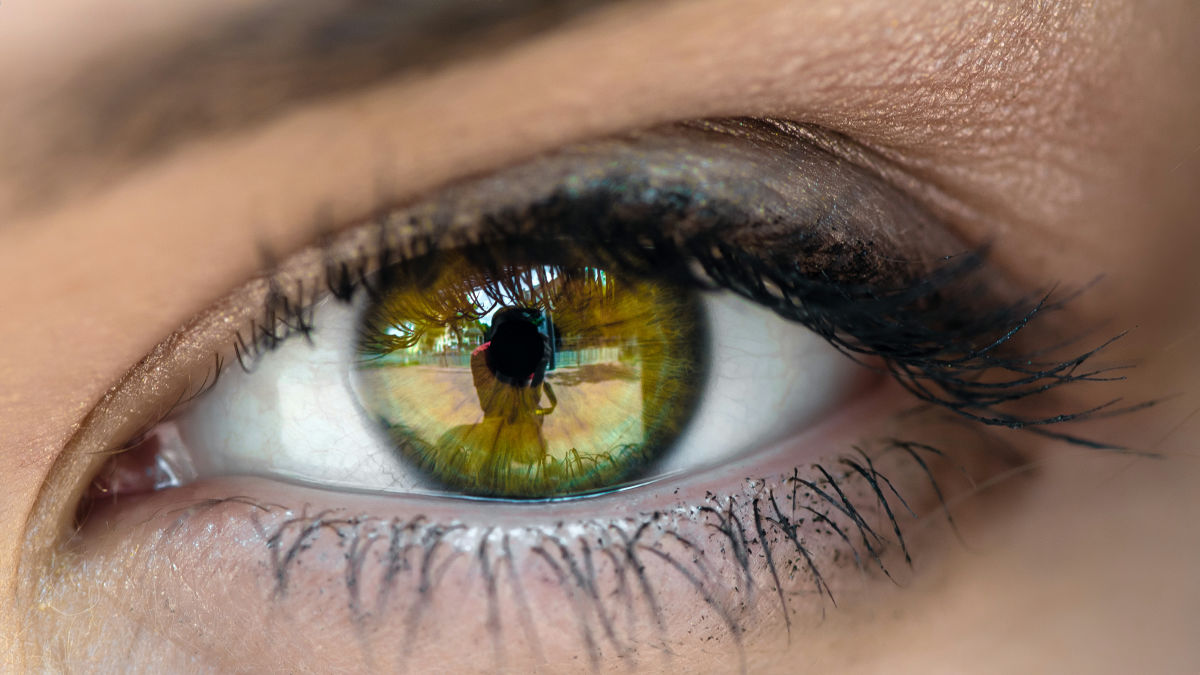
A British and Canadian research team has announced that a simple eye scan could potentially identify heart disease risk and signs of biological aging. Identifying health risks in a non-
Mendelian randomization study implicates inflammaging biomarkers in retinal vasculature, cardiovascular diseases, and longevity | Science Advances
https://www.science.org/doi/10.1126/sciadv.adu1985
Aging in plain sight: What new research says the eyes reveal about aging and cardiovascular risk - Faculty of Health Sciences
https://healthsci.mcmaster.ca/aging-in-plain-sight-what-new-research-says-the-eyes-reveal-about-aging-and-cardiovascular-risk/
A Simple Eye Scan Could Flag Heart Risks – And How Fast You're Aging : ScienceAlert
https://www.sciencealert.com/a-simple-eye-scan-could-flag-heart-risks-and-how-fast-youre-aging
At the time of writing, assessing risk for age-related diseases like heart disease, stroke, and dementia requires complex and time-consuming tests, but in recent years, eye scans have become a popular way to detect signs of heart disease , Parkinson's disease , and other conditions.
Eye scans reveal information about people's health by examining the tiny blood vessels in the retina. 'The eye is a unique, non-invasive way to view the circulatory system in the body,' says Marie Piguere , associate professor of medicine at McMaster University in Canada. 'Changes in retinal blood vessels often reflect changes occurring throughout the body's small blood vessels.'

Piguere and his team collected retinal scans, genetic data, and blood sample analysis data from more than 74,000 participants across four studies in Canada and the UK to examine the relationship between retinal blood vessels and the risk of heart disease.
The researchers found that people with simpler, less branched retinal blood vessels were at higher genetic risk for cardiovascular disease and showed signs of biological aging, such as increased inflammation and shorter lifespan.
The findings, based on a method called

The research team also examined blood biomarkers and genetic data to identify specific proteins that may contribute to aging and disease. Two notable proteins, MMP12 and IgG-Fc receptor IIb, have been linked to inflammation and vascular aging.
Piguere pointed out that these proteins could be targets for future therapeutics: 'Our findings suggest potential drug targets to slow vascular aging, reduce the burden of cardiovascular disease, and ultimately extend lifespan.'
Related Posts:






in Free Member, Science, Posted by log1h_ik