Introducing 'Poké Authentication' that unlocks your Pokémon by playing them
GitHub - AdoPi/wlgblock: Wayland Gameboy locker
https://github.com/AdoPi/wlgblock
AdoPi, who has been a Linux enthusiast since childhood, cites the 'freedom to customize the system as you want' as a great thing about Linux. With the advent of Wayland , AdoPi wrote that the ability to freely customize the system has 'reached incredible performance levels.'
Regarding Wayland, AdoPi wrote, 'Linux has become like a video game! I've always been fascinated by the feeling that the OS combines fun with serious, technical essence. That's what inspired me to start this project.'
AdoPi studied the Wayland protocol and how to build a compositor, and then became interested in the concept of a locker. This reminded him a little of an escape room, and he came up with the idea: 'How cool would it be if, instead of entering a password, you unlocked your session by solving a puzzle?' AdoPi had used emulators and was a big Pokémon fan, so he decided to create a Pokémon-themed puzzle.
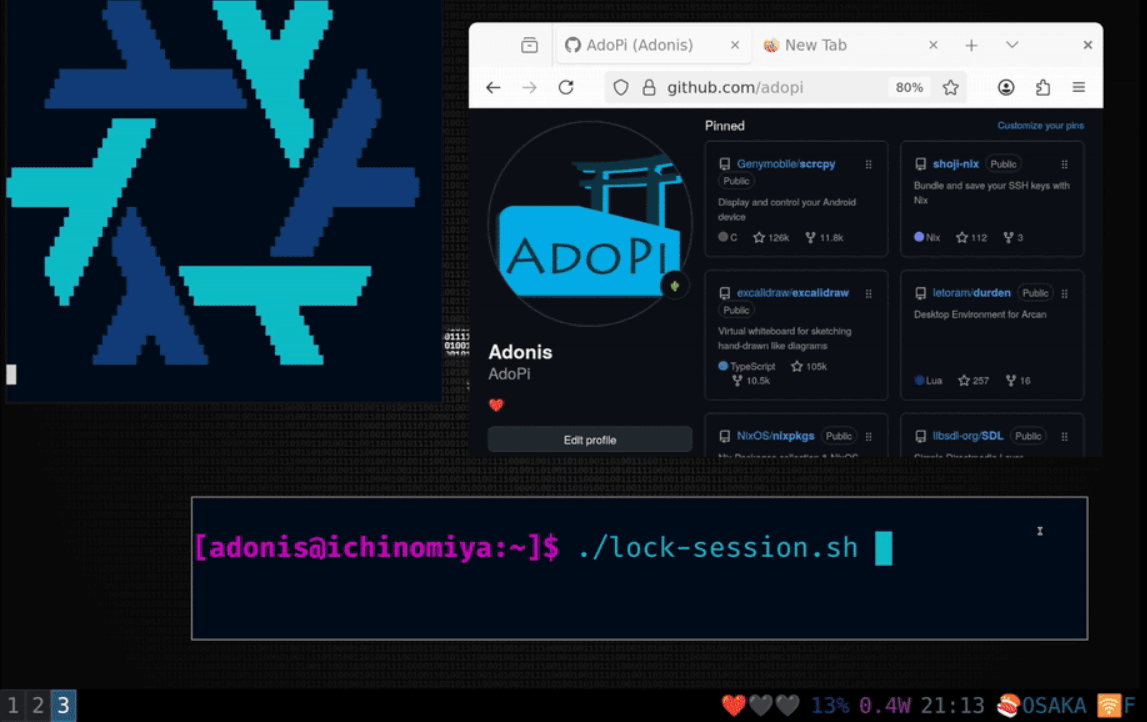
To see how 'Gameboy locker for Wayland' actually works, first enter a command to lock the session.
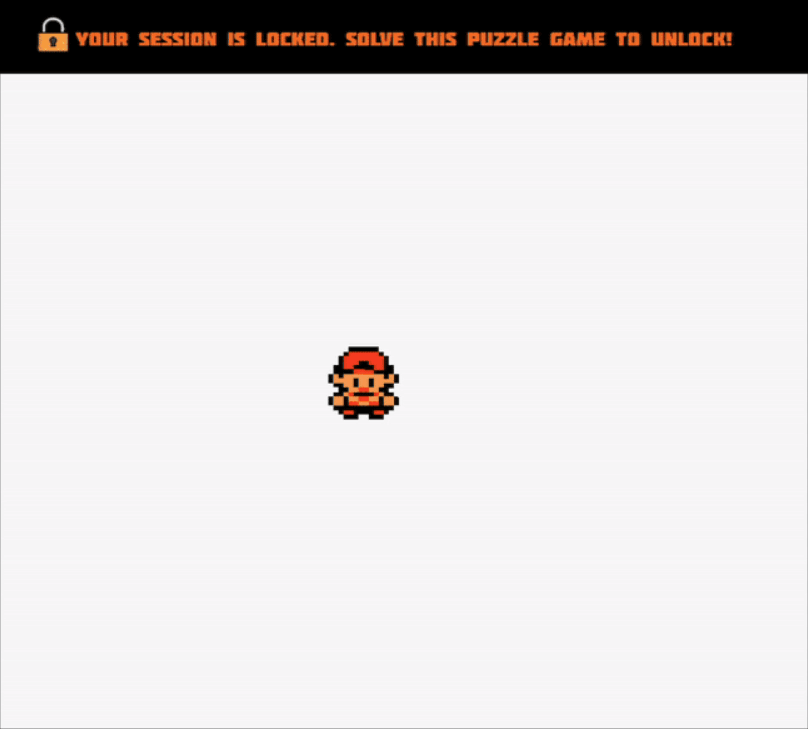
Then, just like at the start of the Pokémon Red and Green games, the human figure will rapidly become smaller and smaller.
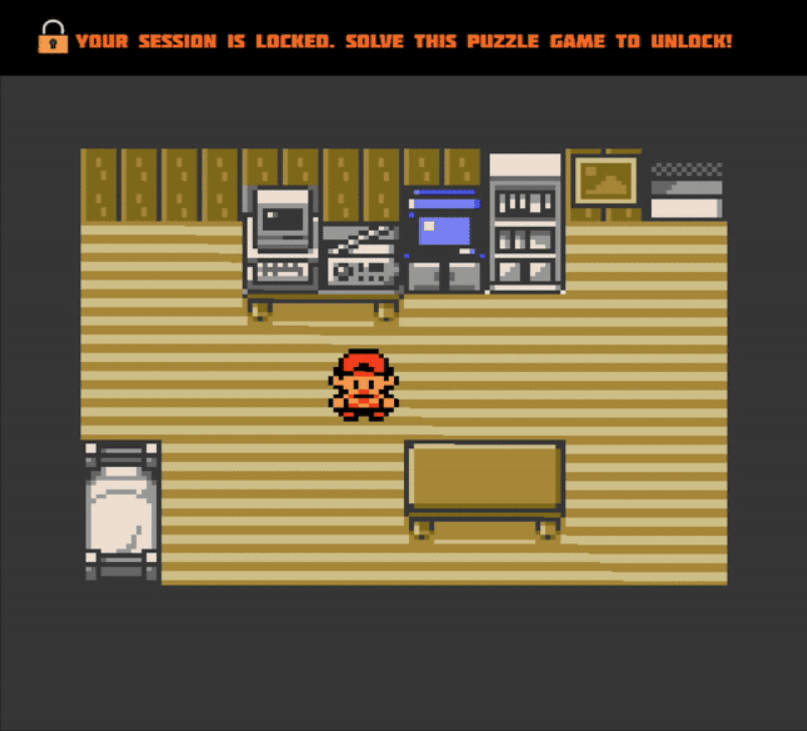
Enter the game world. Not only can you walk around the field normally, but you can also open menus.
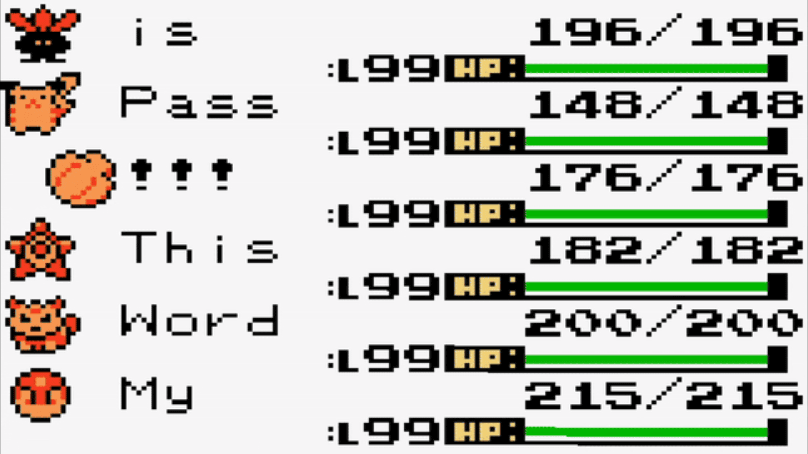
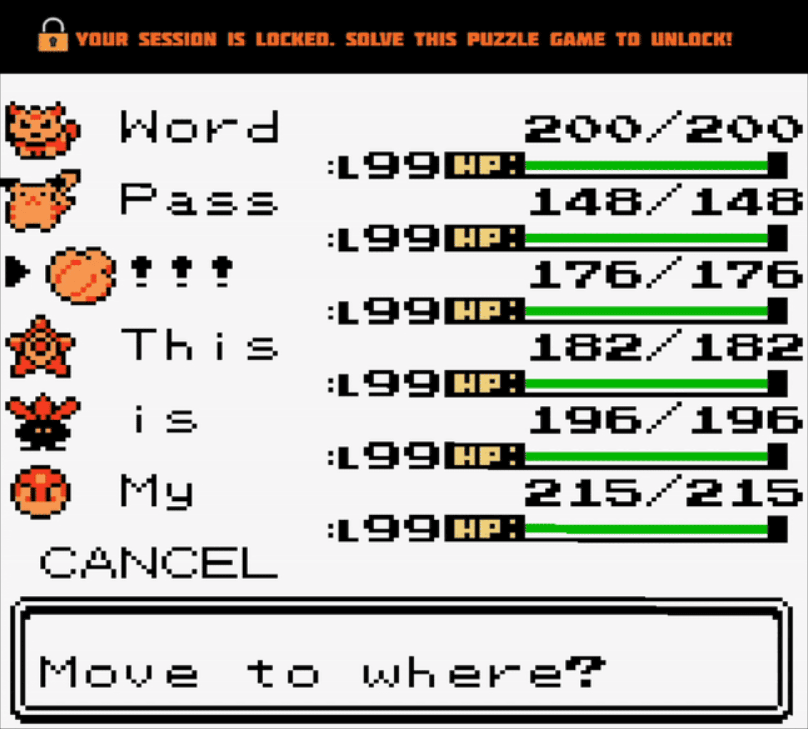
If you check your Pokemon, you'll see that their names act like passwords, and you can unlock them by rearranging them.
According to AdoPi, the Gameboy locker for Wayland implements the locker code and the Wayland protocol from scratch, and uses a custom-modified Gameboy Color emulator for the locker. The emulator waits until a specific value is set at a specified memory address.
In addition, since 'Gameboy locker for Wayland' uses the ext-session-lock-v1 protocol, a compositor is required to implement this protocol, and Sway is said to be an acceptable compositor.
Related Posts: