Appropriate and inappropriate teaching methods for educating gifted children
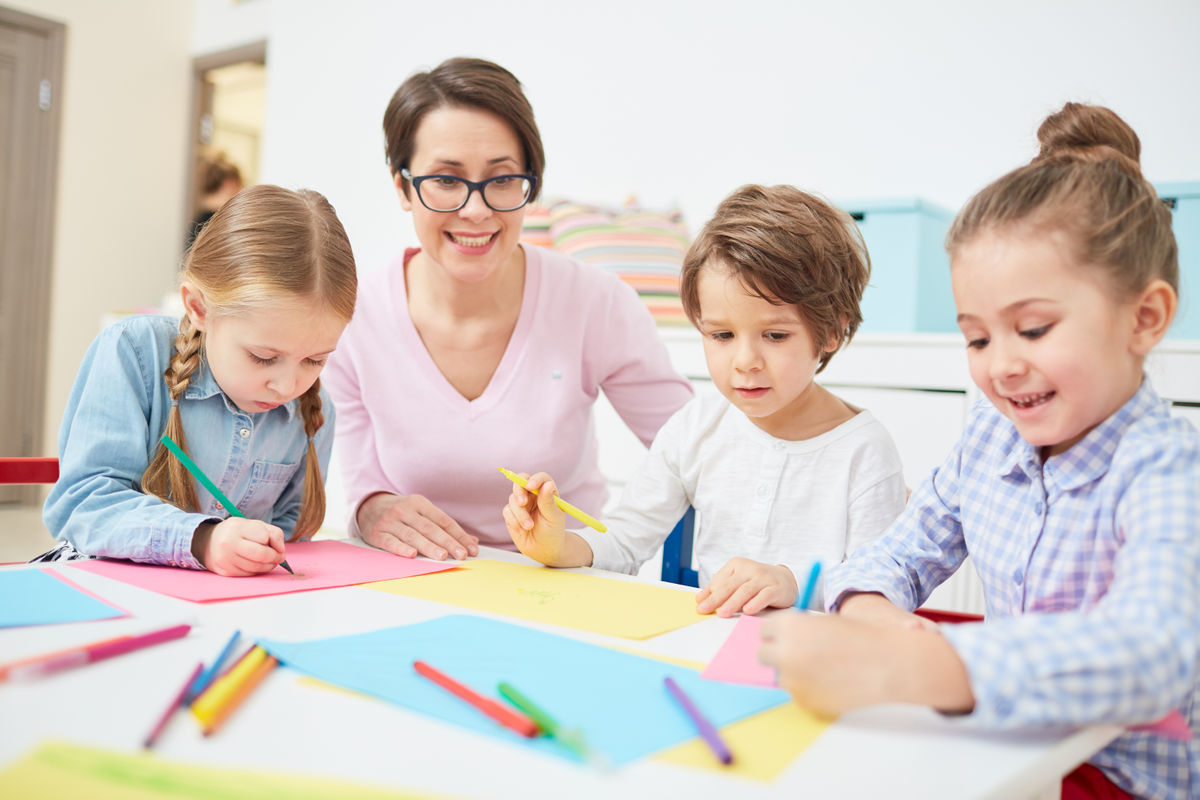
What it Means to Teach Gifted Learners Well | National Association for Gifted Children
http://www.nagc.org/resources-publications/gifted-education-practices/what-it-means-teach-gifted-learners-well
◆Appropriate method
- The same environment for all children
It is difficult to develop the talents of gifted children with a dry curriculum; they need rich learning experiences, just like other children. In order to enrich the ideas of gifted children and give them the ability to face challenges, they need education that follows the ' General Principles of Discipline, ' a well-known method of disciplining children. They should be raised in an environment where all children, not just gifted ones, gather together.
・Pace distribution according to the individual
Gifted children typically learn faster than other children and therefore require more rapid instruction, something that often scares educators but is comfortable for gifted children.
・More advanced education
The NAGC points out that gifted individuals should be tasked with more complex, abstract, and multifaceted problems, which greatly enhances their insights. They may, but do not always, respond to ambiguous problems with a higher degree of independence than others.
・Appropriate support
When gifted children consistently achieve better grades than other children, they may become aware of this and feel like they are expected to excel more than others. Giving such children heavy tasks not only makes learning difficult, but can also lead to fear of disappointing others. Therefore, it's important for educators to ensure that children have sufficient knowledge before providing instruction.

◆Inappropriate methods
・Repetitive learning
Because many gifted children excel at building on the knowledge and ideas they have acquired, the NAGC describes teaching methods that require them to learn what they already know or to solve the same tasks faster as 'interest and motivation killers.' It also discourages gifted children from spending their spare time solving puzzles or doing classroom chores, among other low-quality activities.
-Long hours of self-study
Separating children from other children by telling them to 'stay in the back and read a book' goes against the basic premise that 'every child needs an educator' and hinders a child's social and emotional development.
A fragmented learning experience
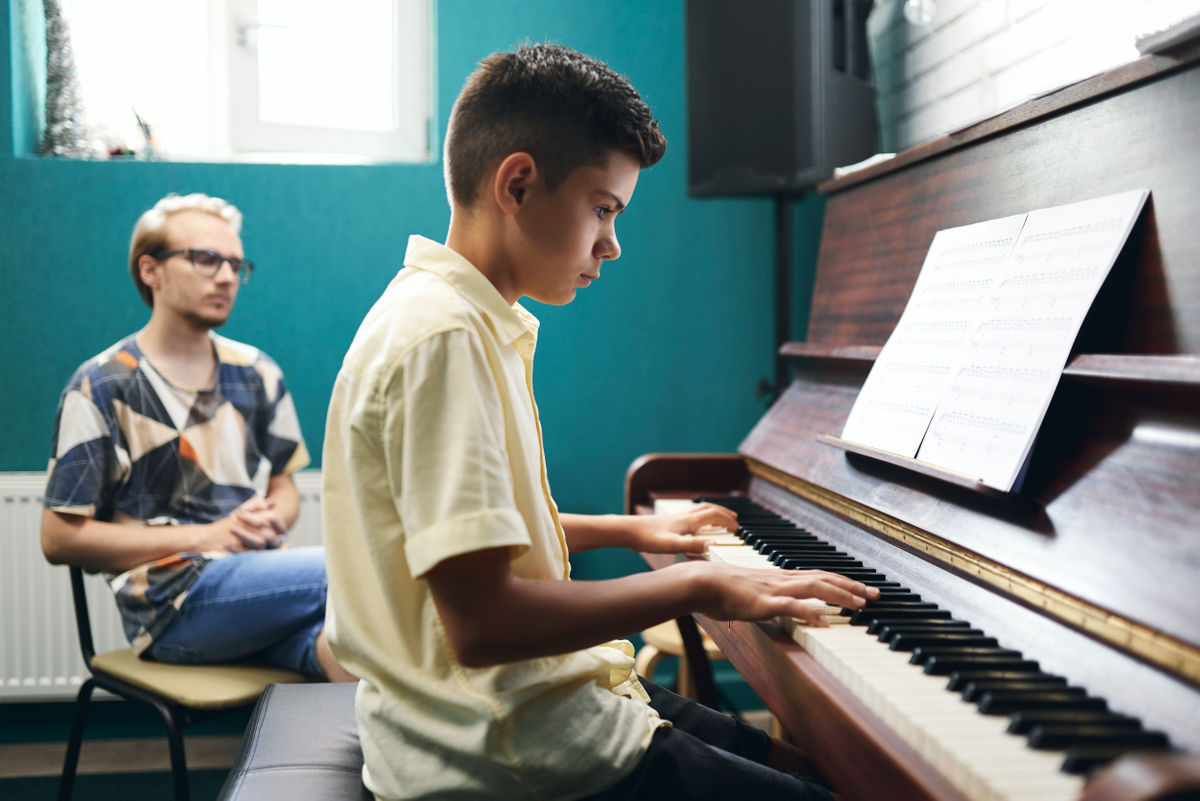
When teaching gifted children, innovative and 'perspective-enhancing approaches' are not considered appropriate. For example, asking a gifted child with piano talent to build a toy piano, tell them strange events in the music world, or play a game of finding musicians' names 'calls into question the qualifications of the music teacher,' he points out. He says what should be done is for gifted children to learn about music theory and performance, so they can understand how musicians think and act, and become aware of how they need to act to perform at an expert level.
Educational methods for gifted children vary depending on their age, learning style, gender, culture, and whether or not they have had a variety of experiences before entering school. NAGC stated, 'The ideas presented here are merely theoretical, and flexible school education is needed to allow children to continue to progress.'
Related Posts:


in Education, Posted by log1p_kr