Review of 'Ruby's Adventure,' a picture book for 5-year-olds that teaches programming concepts
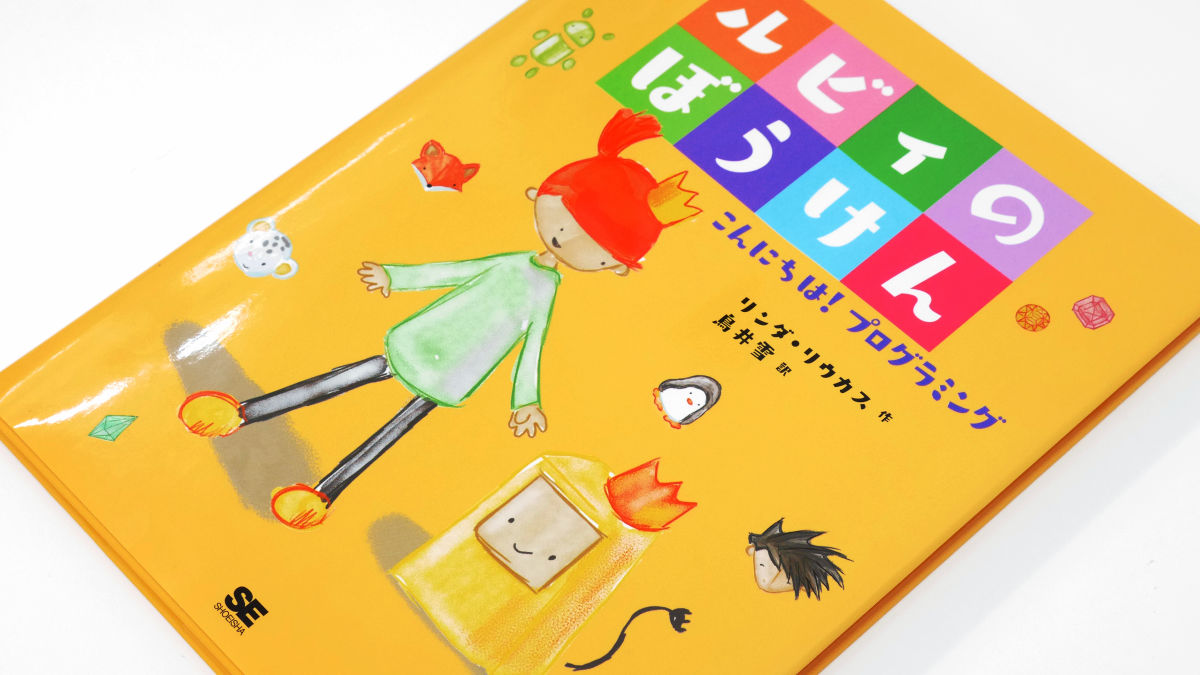
' Ruby's Adventure ' is a picture book aimed at children aged 5 years old that can easily understand the 'programmer thinking method' that people who want to start programming need, and the concept of the world of technology.
'Ruby's Adventure' special site
http://www.shoeisha.co.jp/book/rubynobouken/
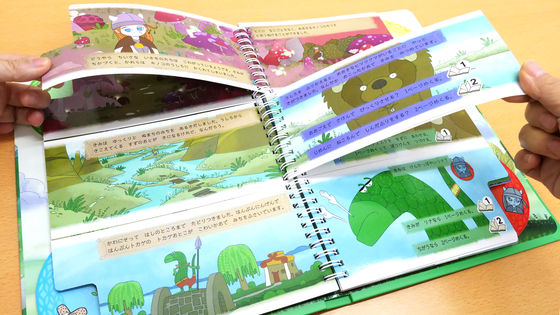
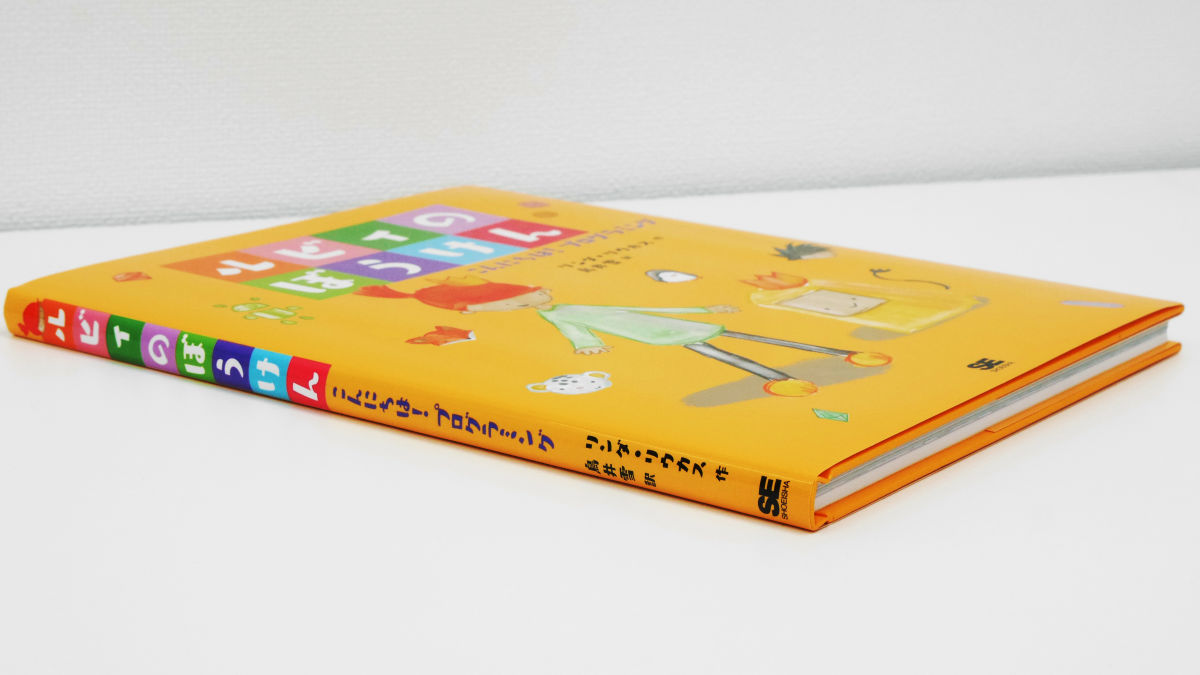
This is 'Ruby's Adventure.' It's a large book, measuring 24cm x 18.8cm x 1.1cm.
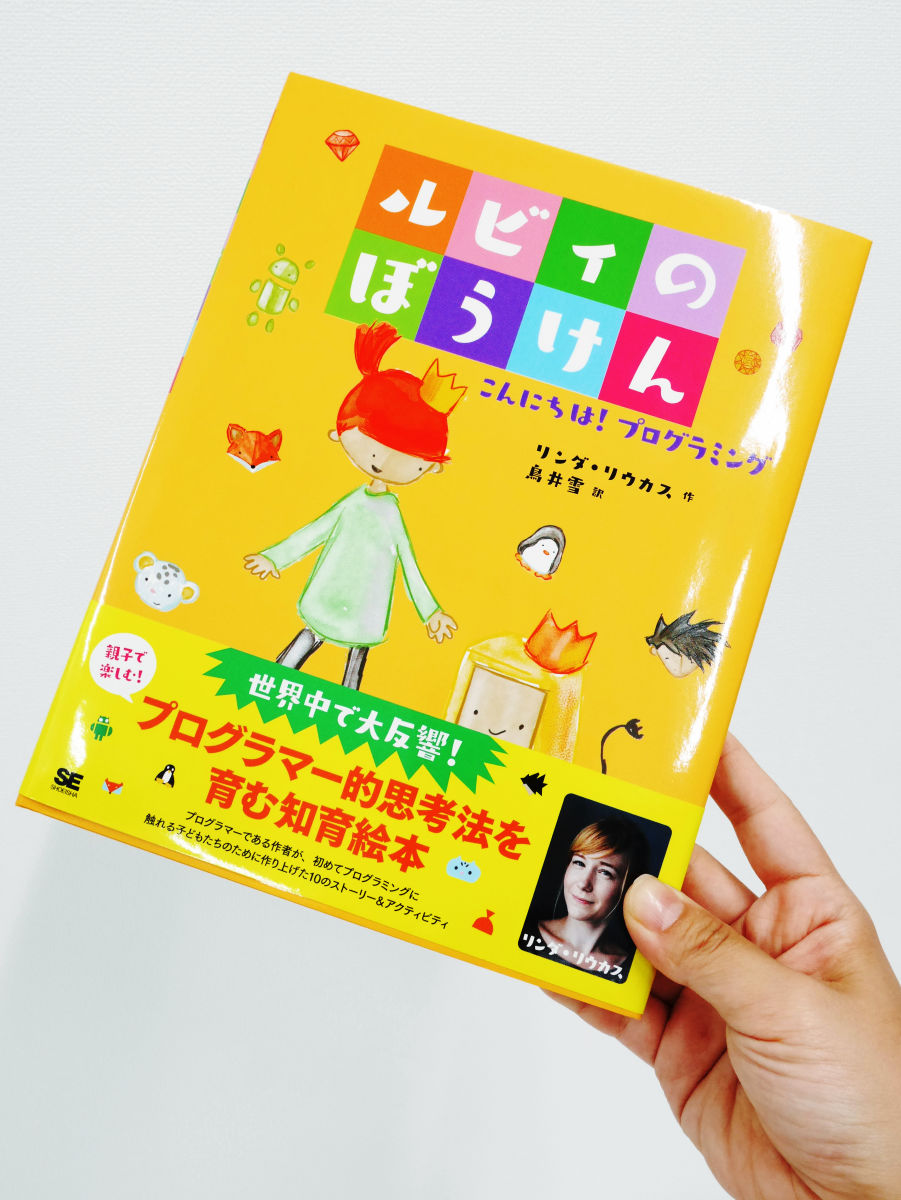
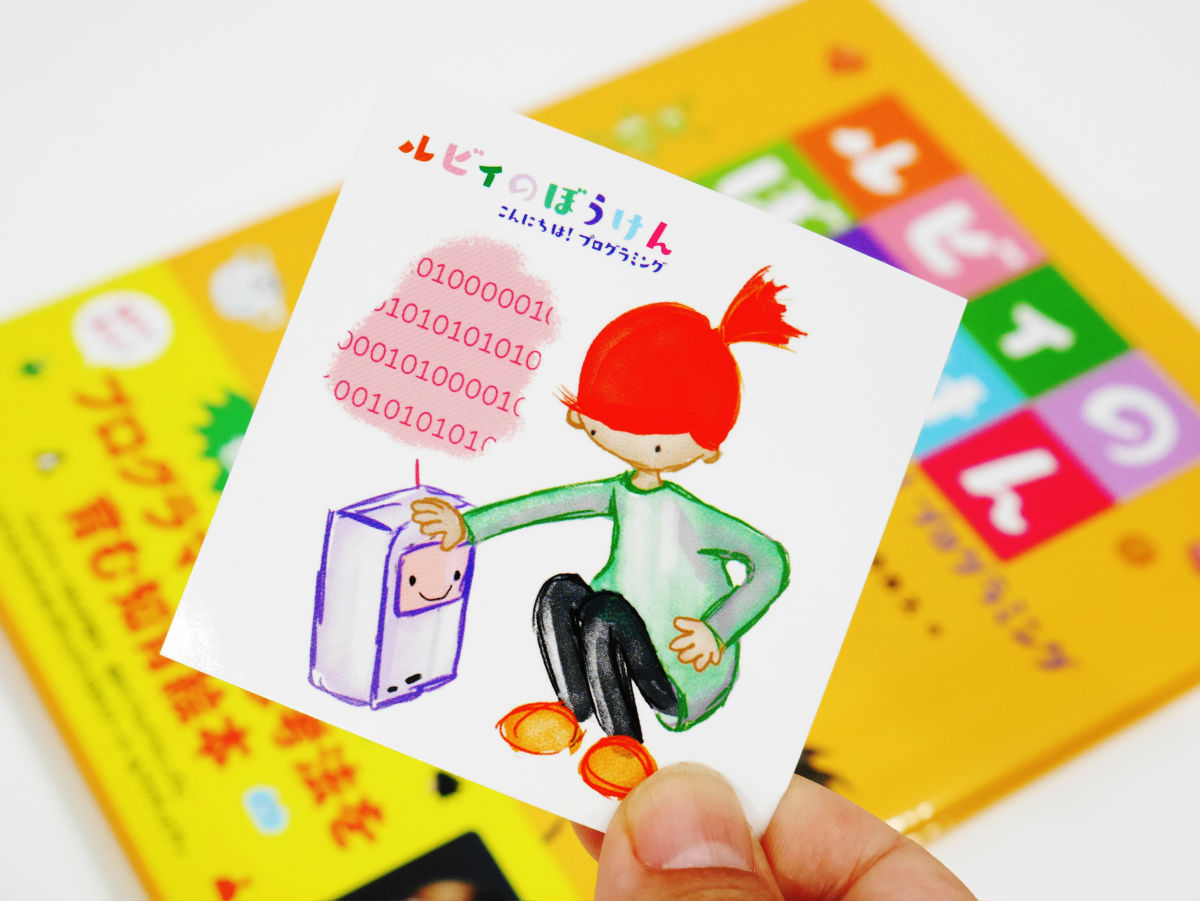
When I purchased it on Amazon, it came with the following sticker:
It's 114 pages in total and about this thick.
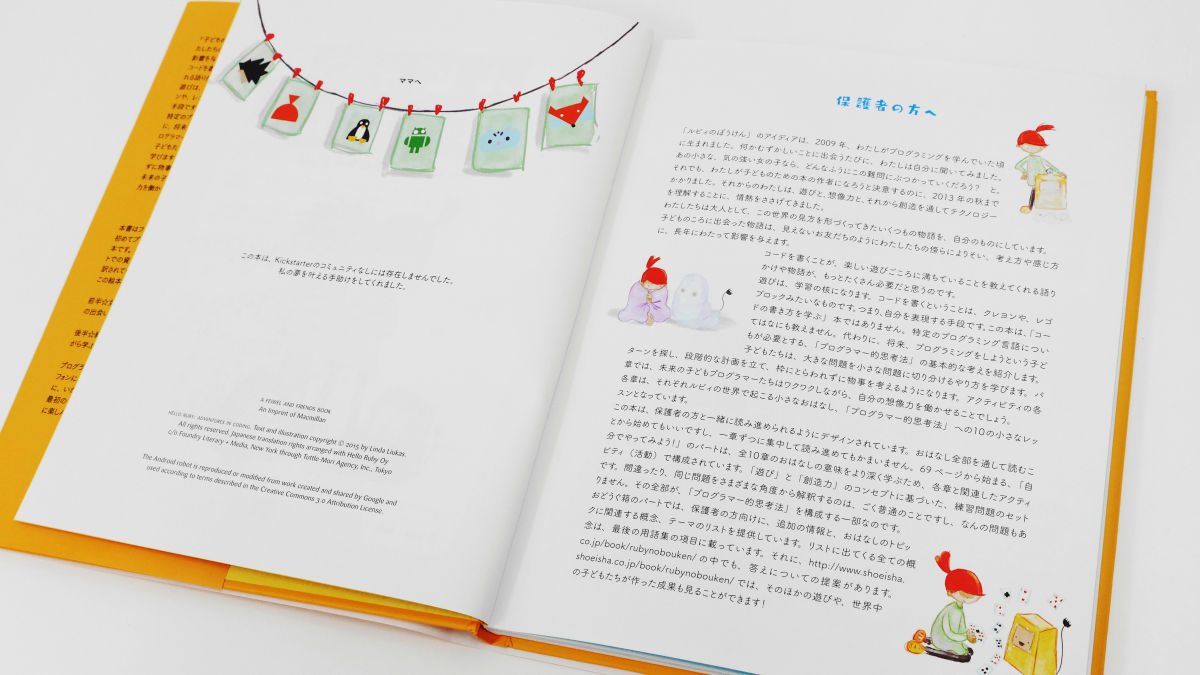
I flipped through the book and found a message from author Linda Liukas, titled 'For Parents.' Ruby's Adventure isn't a book about learning to code, like teaching a specific programming language, but rather about introducing the fundamental concepts of 'programmer thinking,' which are essential for children who want to become coders in the future. Through this book, Liukas explains, 'children learn how to break down big problems into smaller ones. They learn to look for patterns, develop step-by-step plans, and think outside the box.'
There is no table of contents, but Ruby's adventures are broadly divided into the following four parts.
◆Ruby and Friends (Character Introduction)
◆Picture book (10 chapters)
◆Try it yourself! (Activities/10 items in total)
◆Glossary
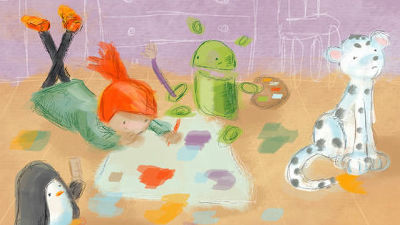
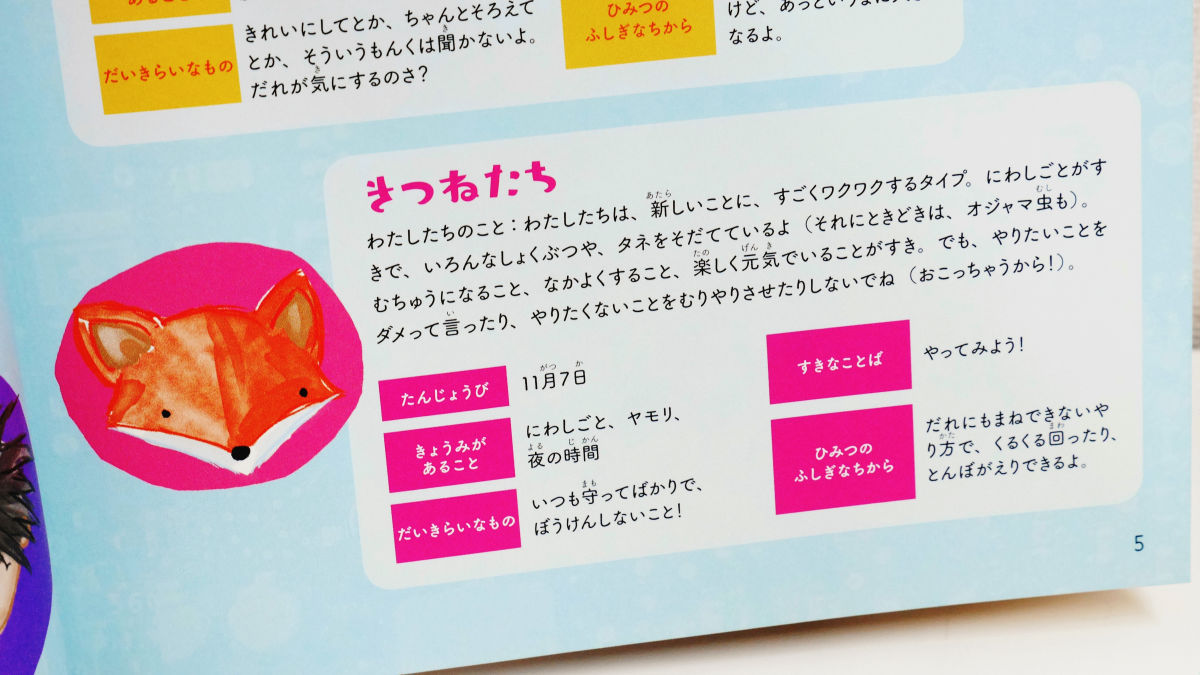
First, there is the page introducing the characters of 'Ruby and Friends.' In addition to the main character Ruby, the characters include penguins, Django, snow leopards, robots, and foxes.
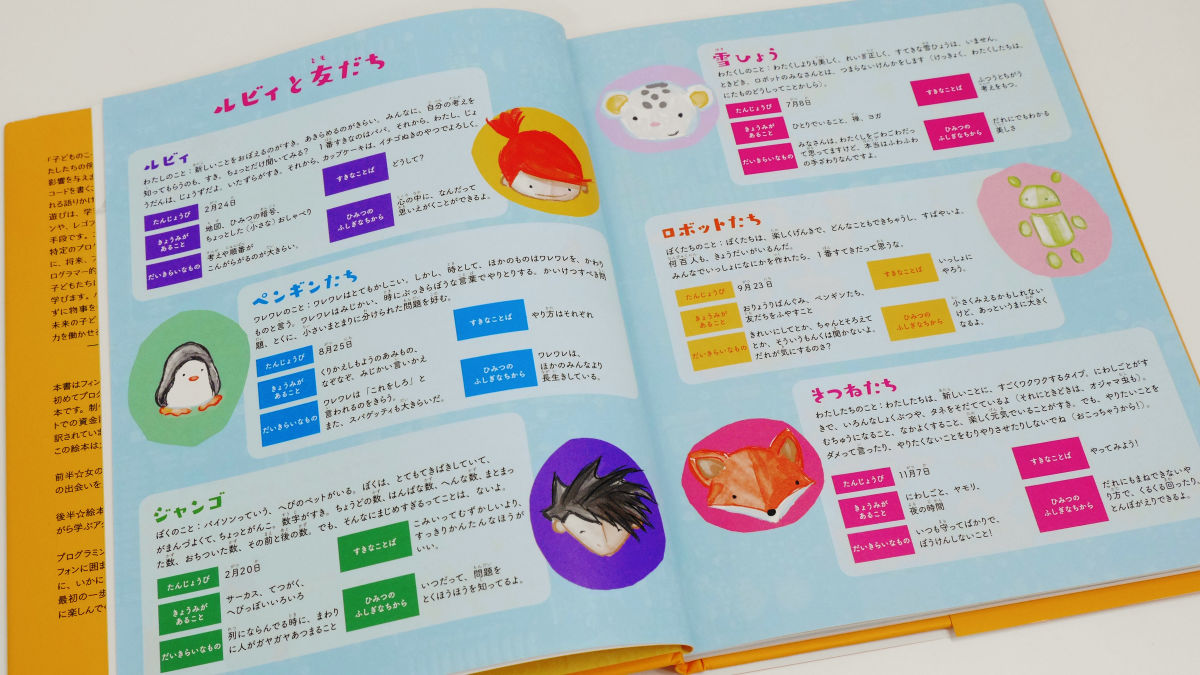
Ruby, whose name is taken from the scripting language

The
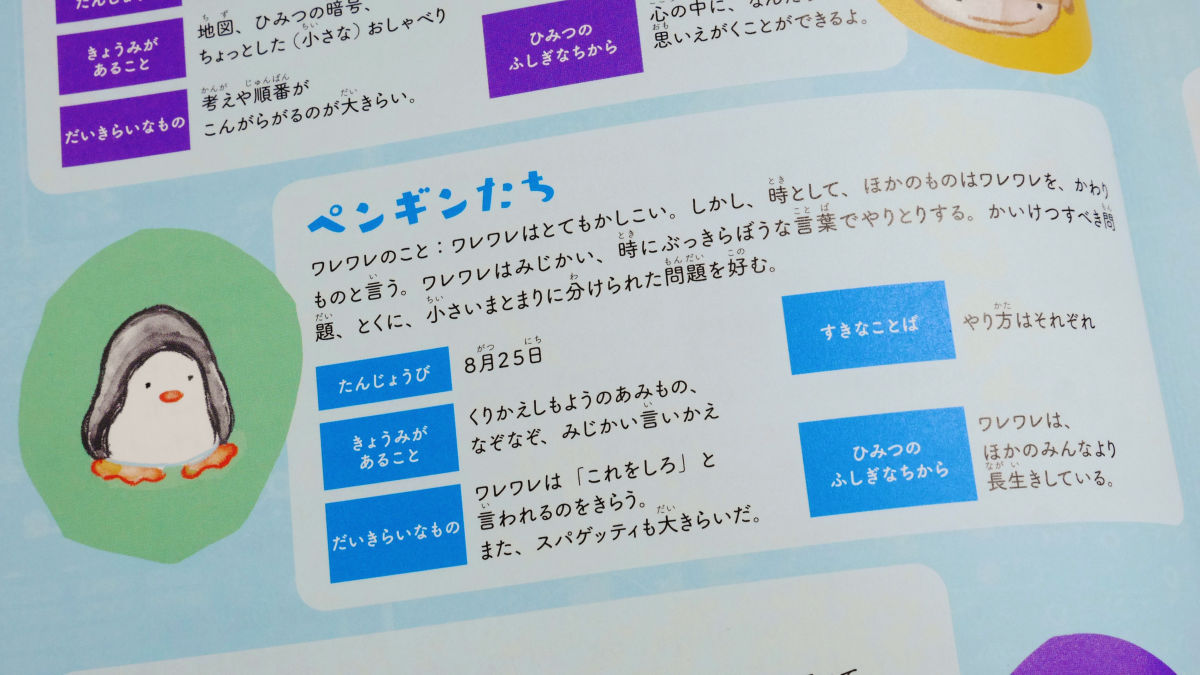
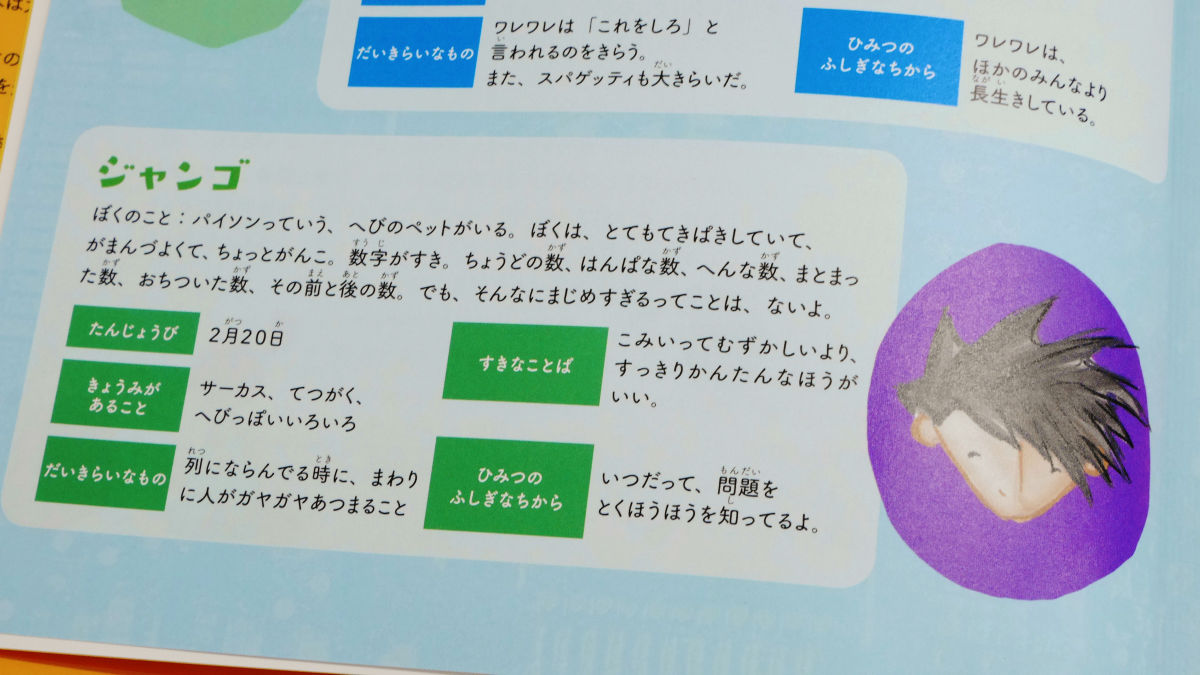
Others include

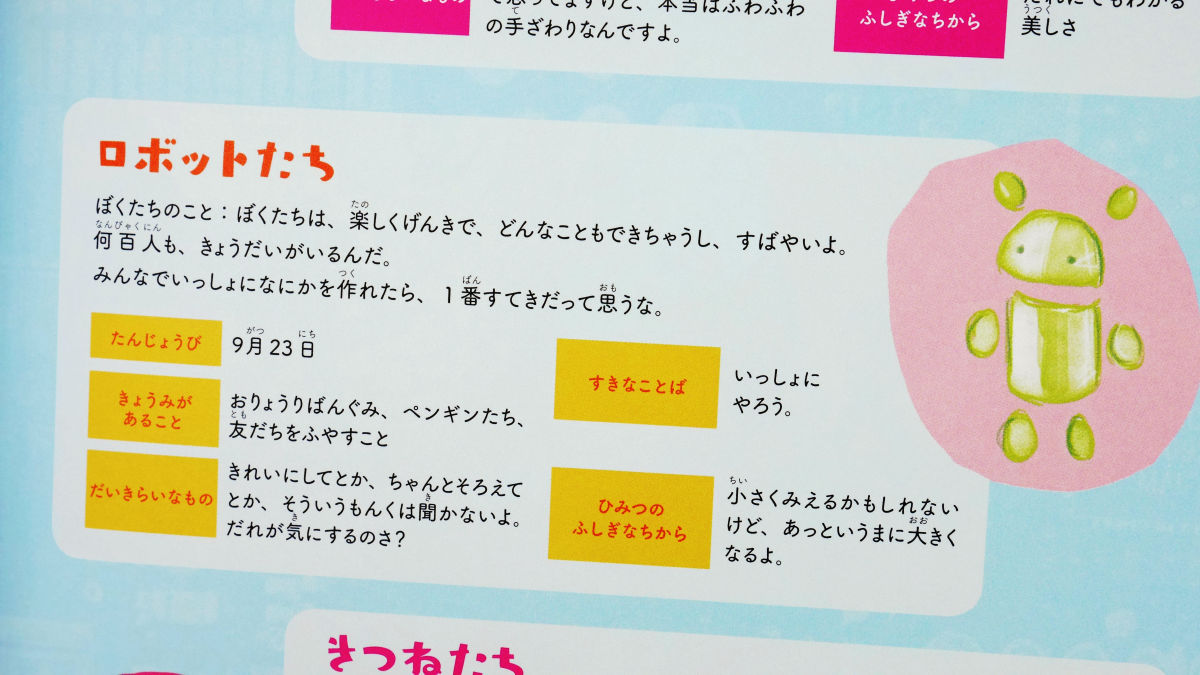
There were also
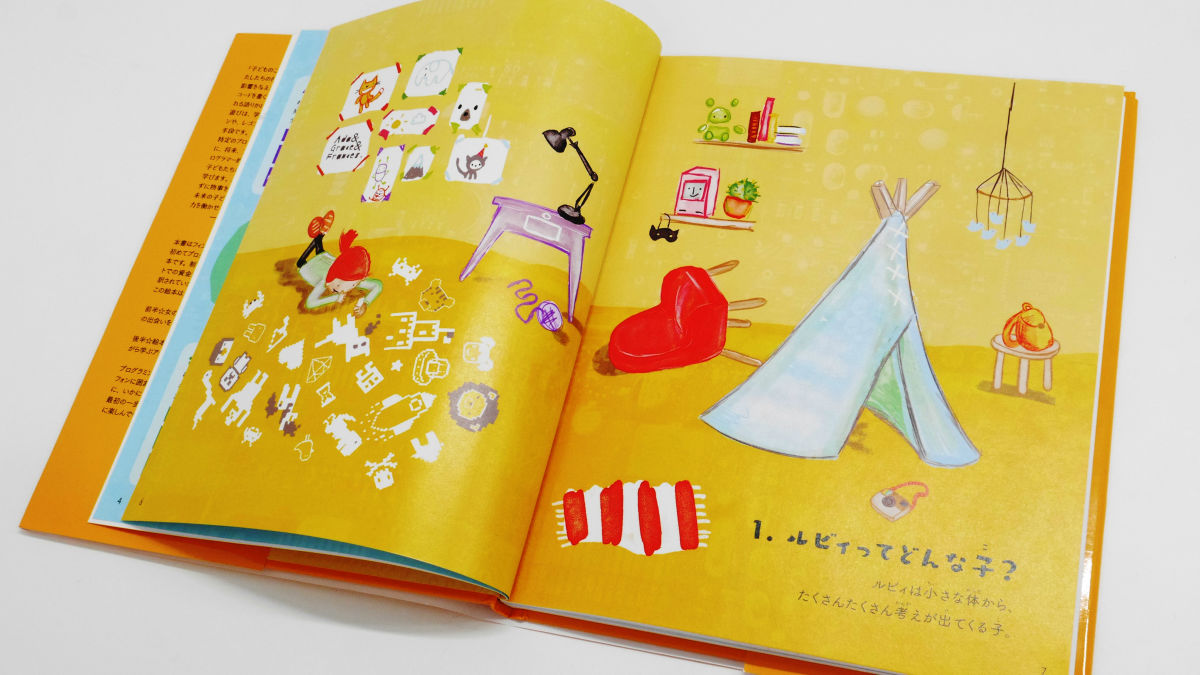
The main story looks like this, with colorful and cute illustrations, and at first glance it looks like a normal picture book. Since it is aimed at children, there are not many words and kanji are not used very often, and all the kanji that are used are written with furigana.
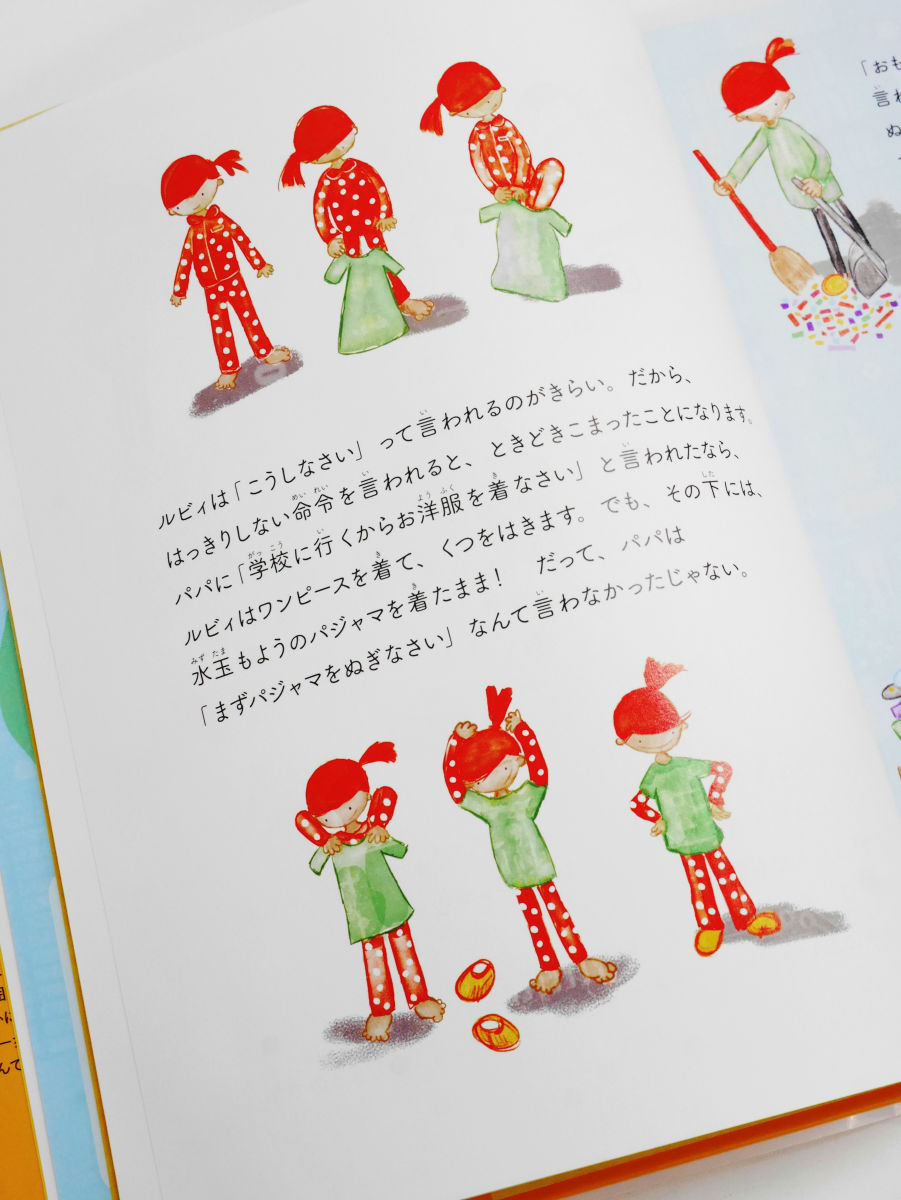
Ruby hates being told what to do, so she sometimes gets into trouble when she is given vague orders. For example, when her father tells her to put on some clothes because she's going to school, she puts on a dress over her pajamas, saying, 'No one told me to take off my pajamas first.'
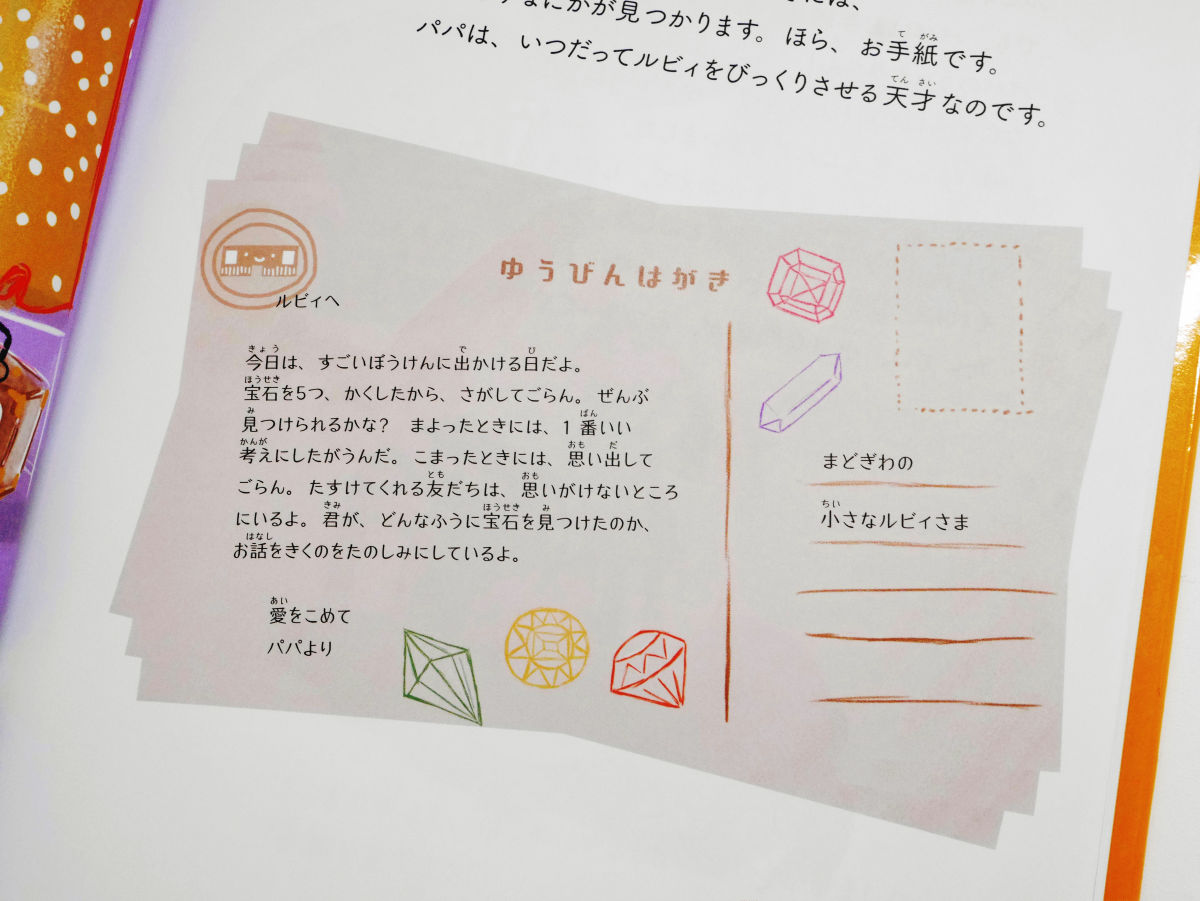
One day, Ruby receives a letter from her father, who is away from home. The letter says, 'I've hidden five jewels, so go find them,' but it doesn't say anything about what to do. This is where Ruby's journey to find the jewels begins. Ruby begins to wonder, 'Where should I start?' and realizes that 'a big, intractable problem is made up of a bunch of small problems,' so she starts by making a plan...
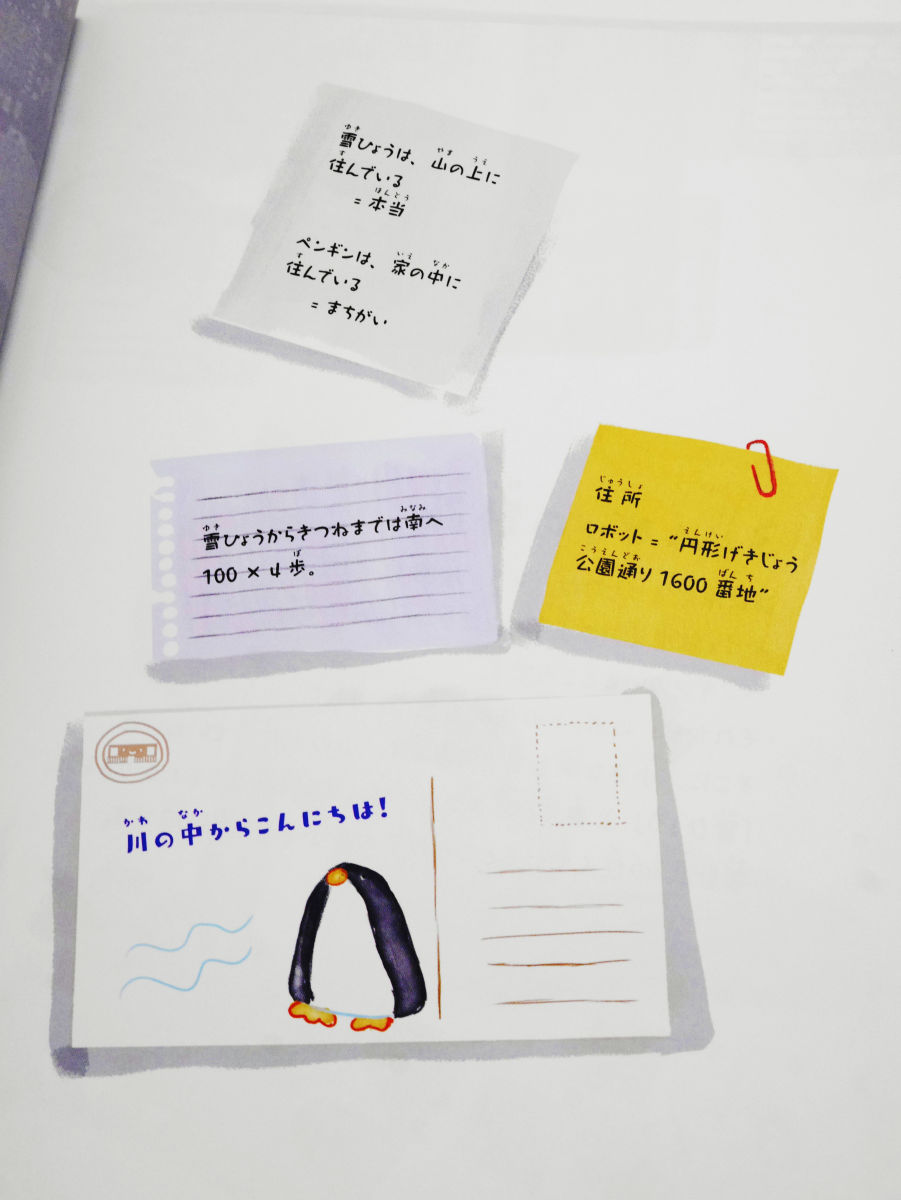
First, she searches for clues in her father's room, where she discovers a code that 'looks like trash to others, but is a clue to Ruby,' revealing the locations of penguins and snow leopards.
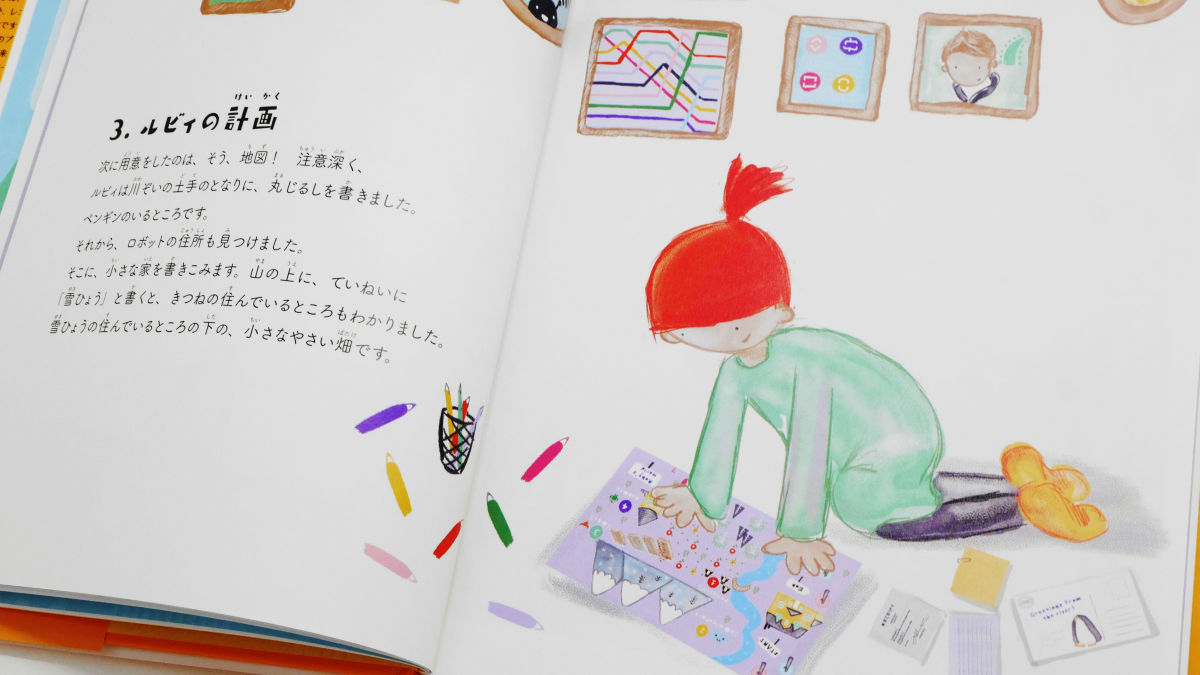
Ruby then prepares a map and maps out the locations of the penguins and snow leopards.
When he went to the penguins' house and asked them, 'Do you know what jewel Daddy has hidden?', the penguins simply replied with meaningless words like, 'A jewel, a fine stone that has been carved and polished.'
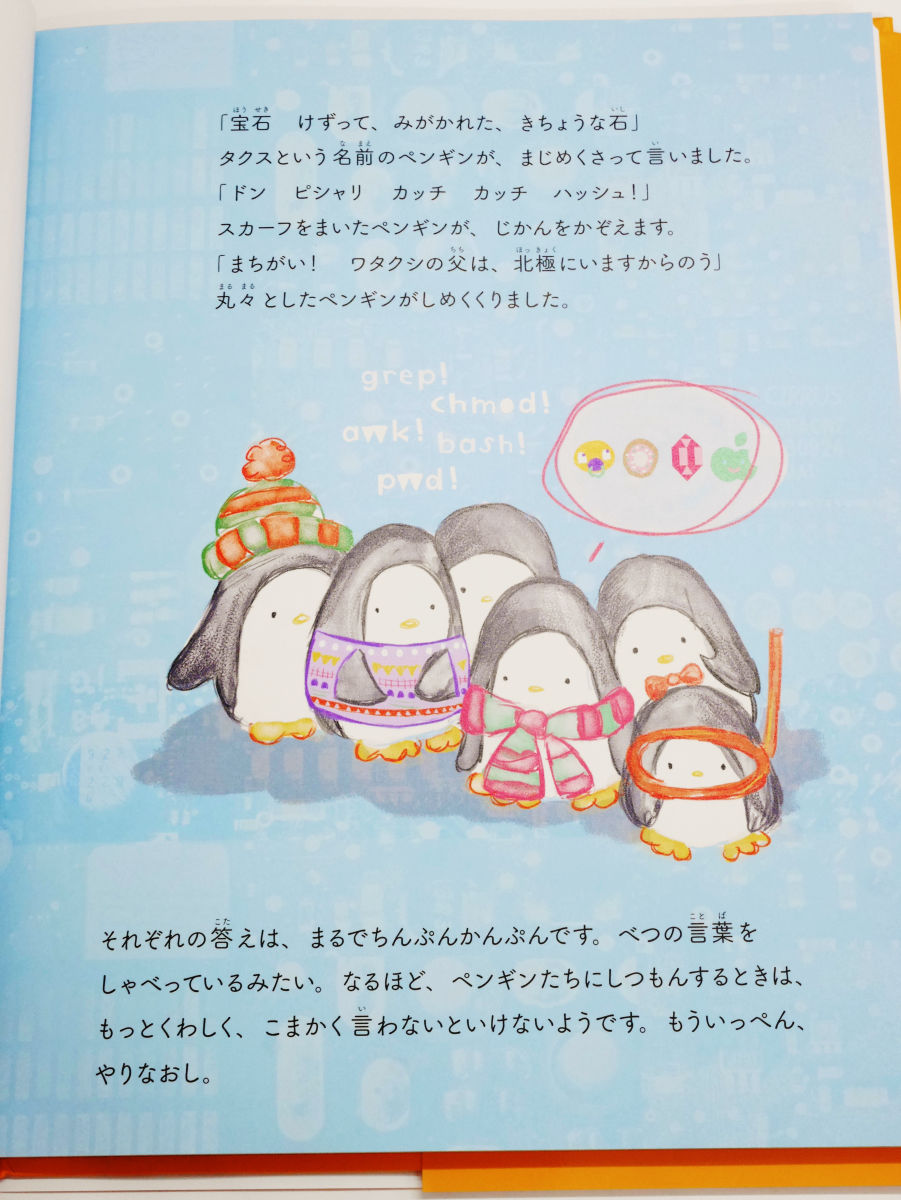
Realizing that she needed to be more specific when asking the penguins questions, Ruby asked, 'Is there anything here that's smaller than my fist, cut out of stone or metal, and that's unusual and colored?' The penguins responded, 'Yes, it is!', and together they were able to find the gems.
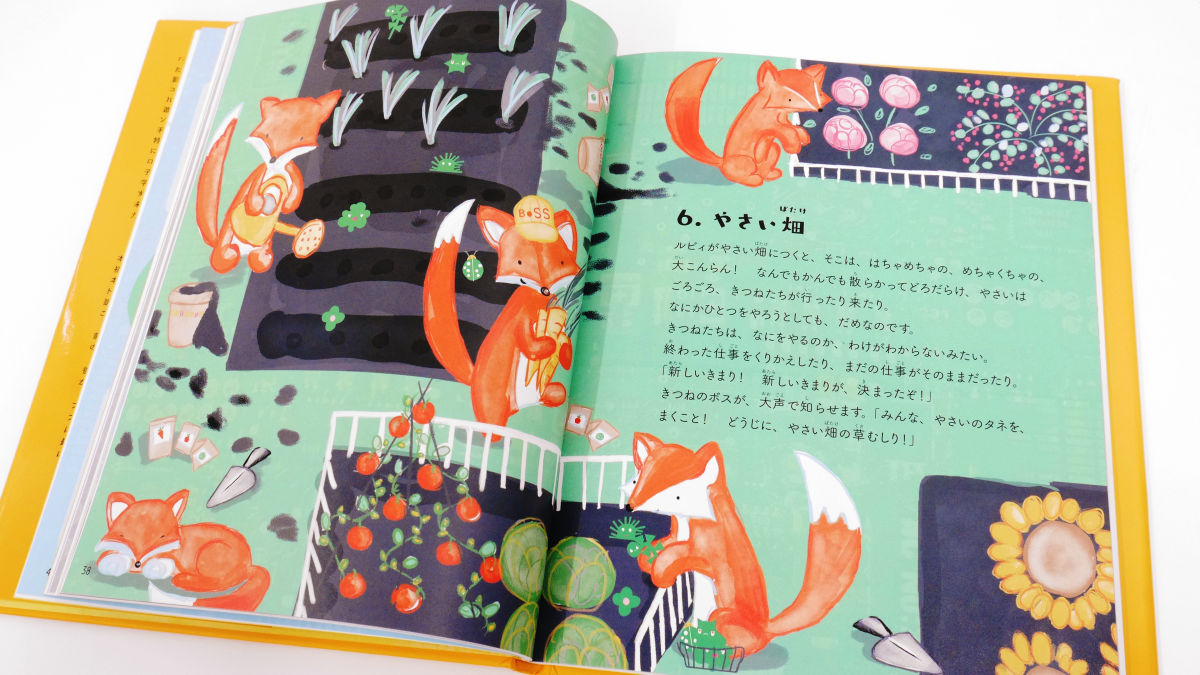
Meanwhile, at the foxes' house, the foxes were inefficiently going back and forth in the fields, repeating tasks they had finished or leaving tasks undone.
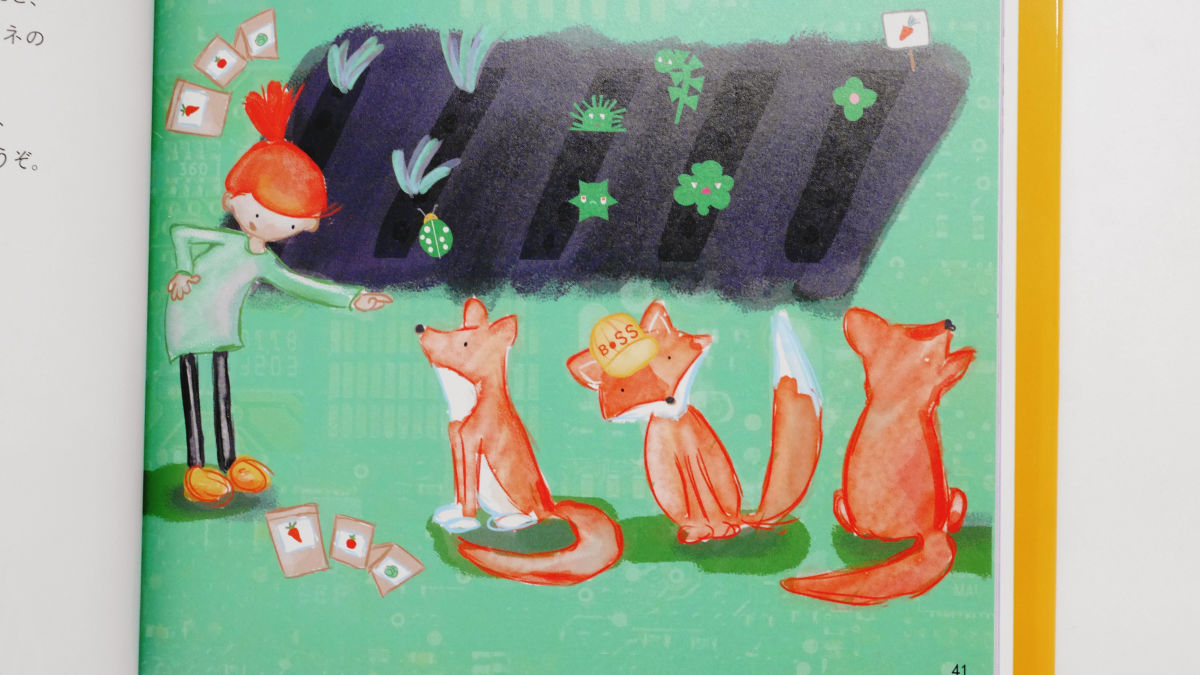
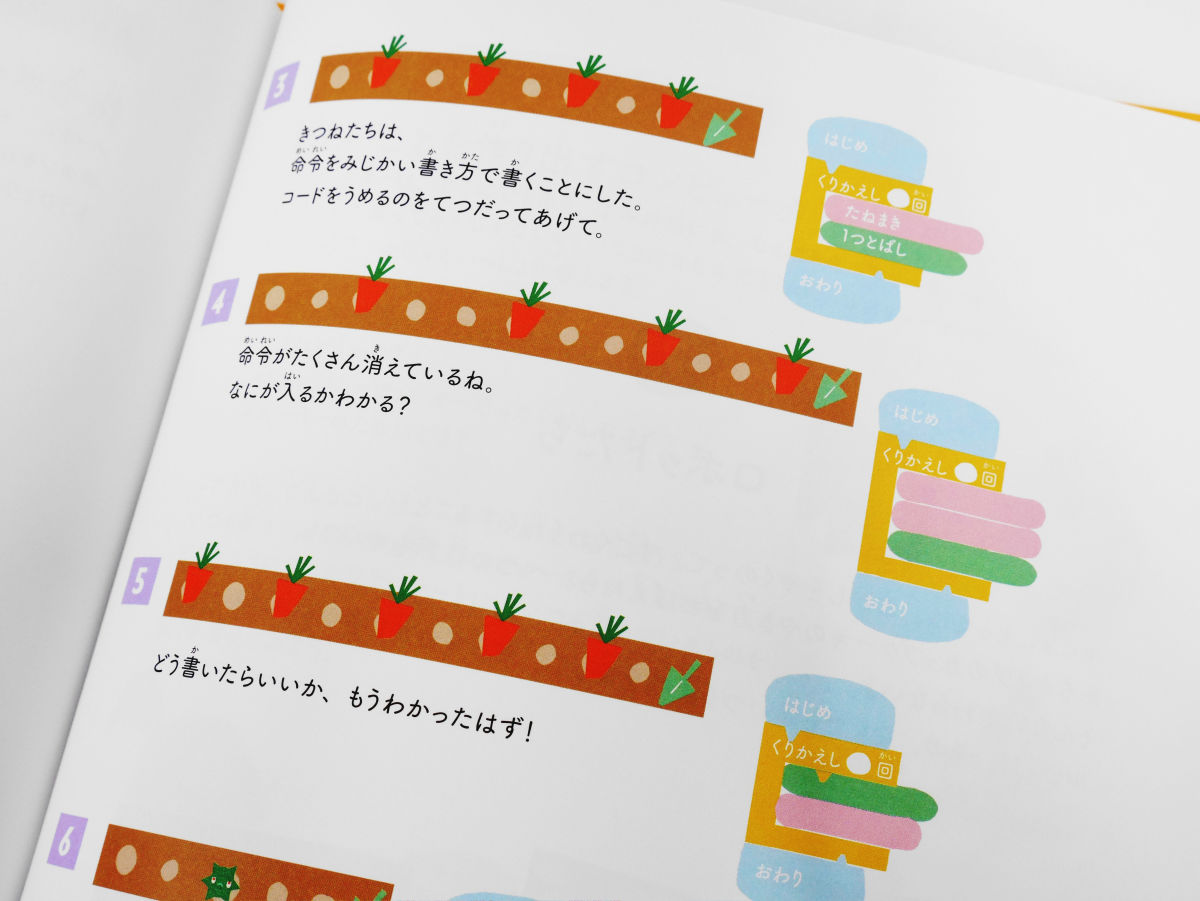
Ruby then instructs them, 'You guys, start sowing seeds! Take your bags full of seeds, and if a hole in the field is empty, go to the next hole. When you get to the end of the row, go to the next row. Repeat what I've said so far five times.' The foxes are able to work in the fields efficiently, and Ruby finds a jewel in the field.
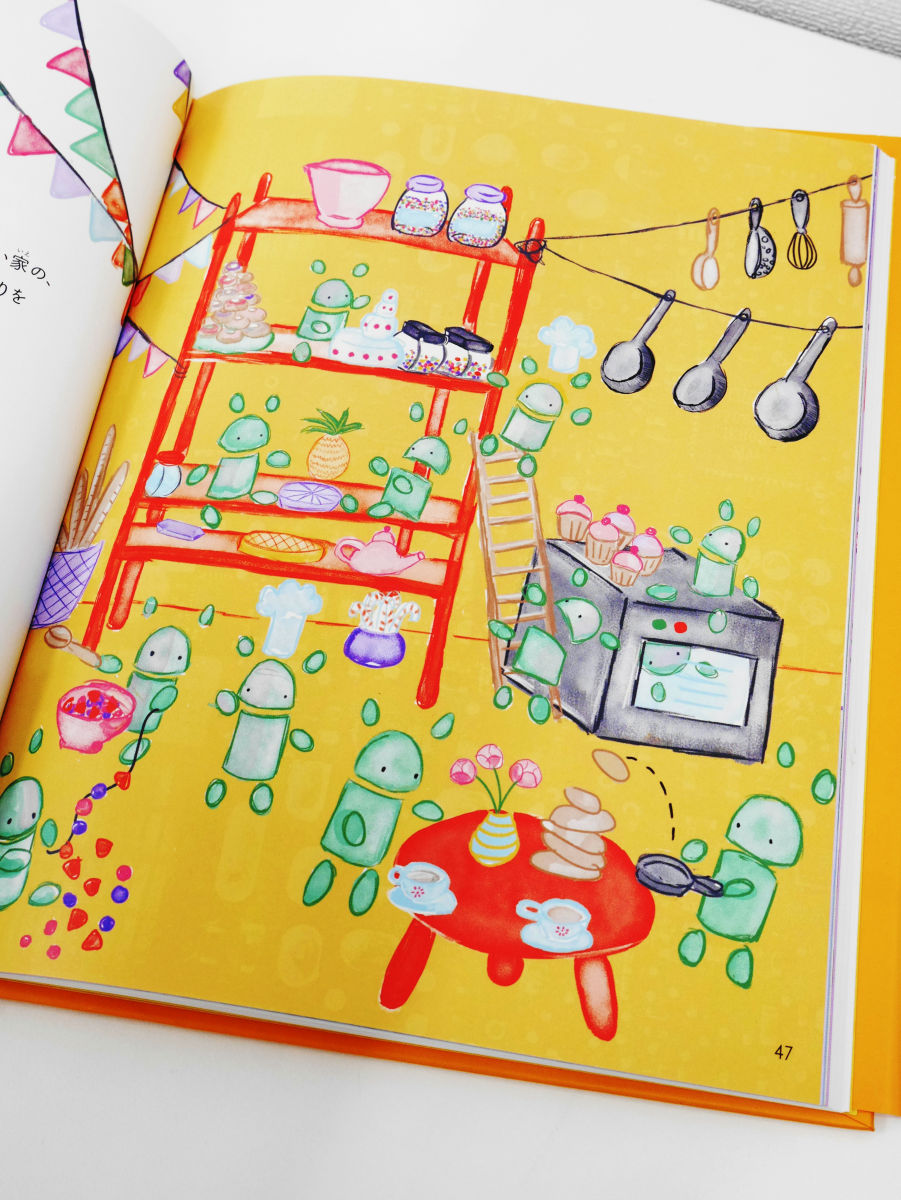
'Recipes are even better when we share them with others. And when we share, we become friends,' said the robots, who taught the children how to make cupcakes, and even created their own original cupcakes. By learning about the open-source Android philosophy, children can naturally understand the concepts of the computer world while reading the picture book.
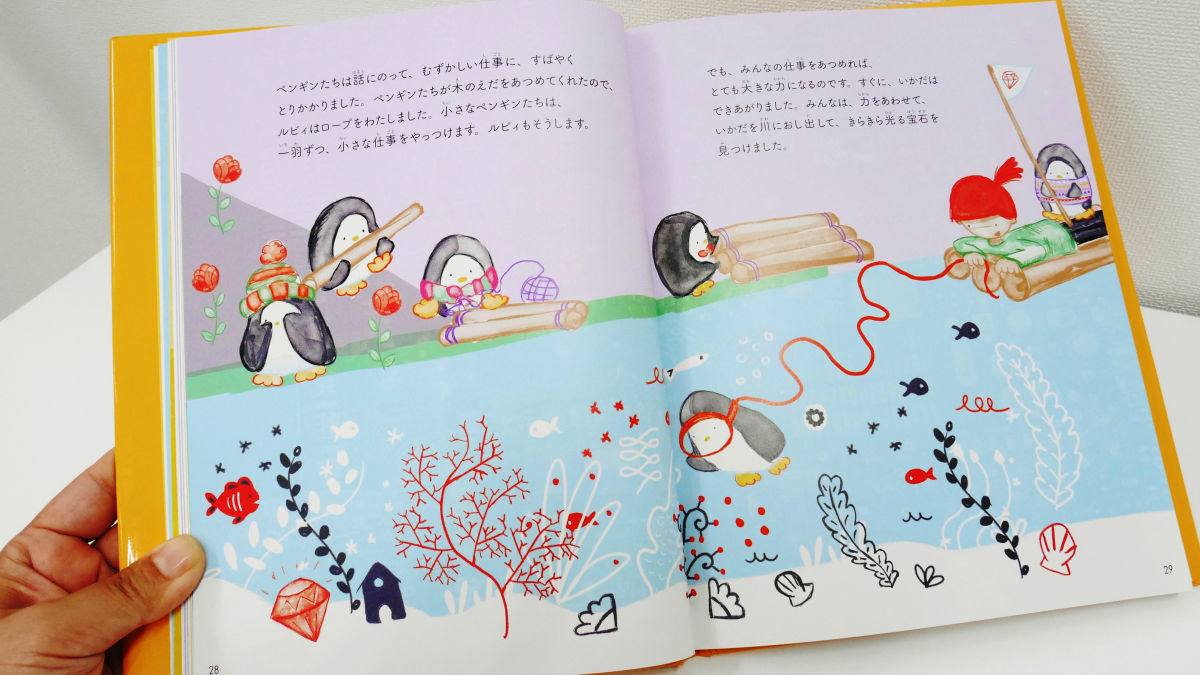
Ruby thinks and tries again and again, but sometimes she fails when crossing a river.
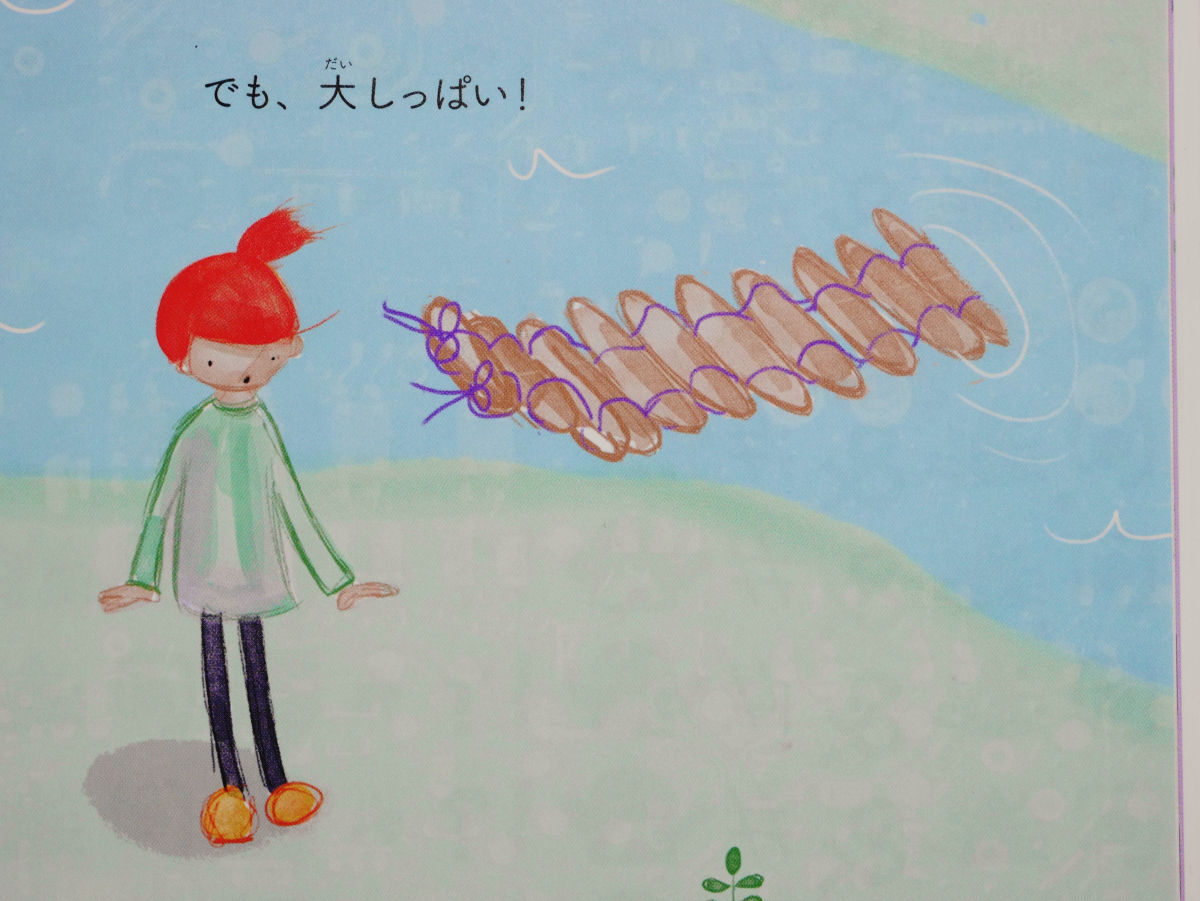
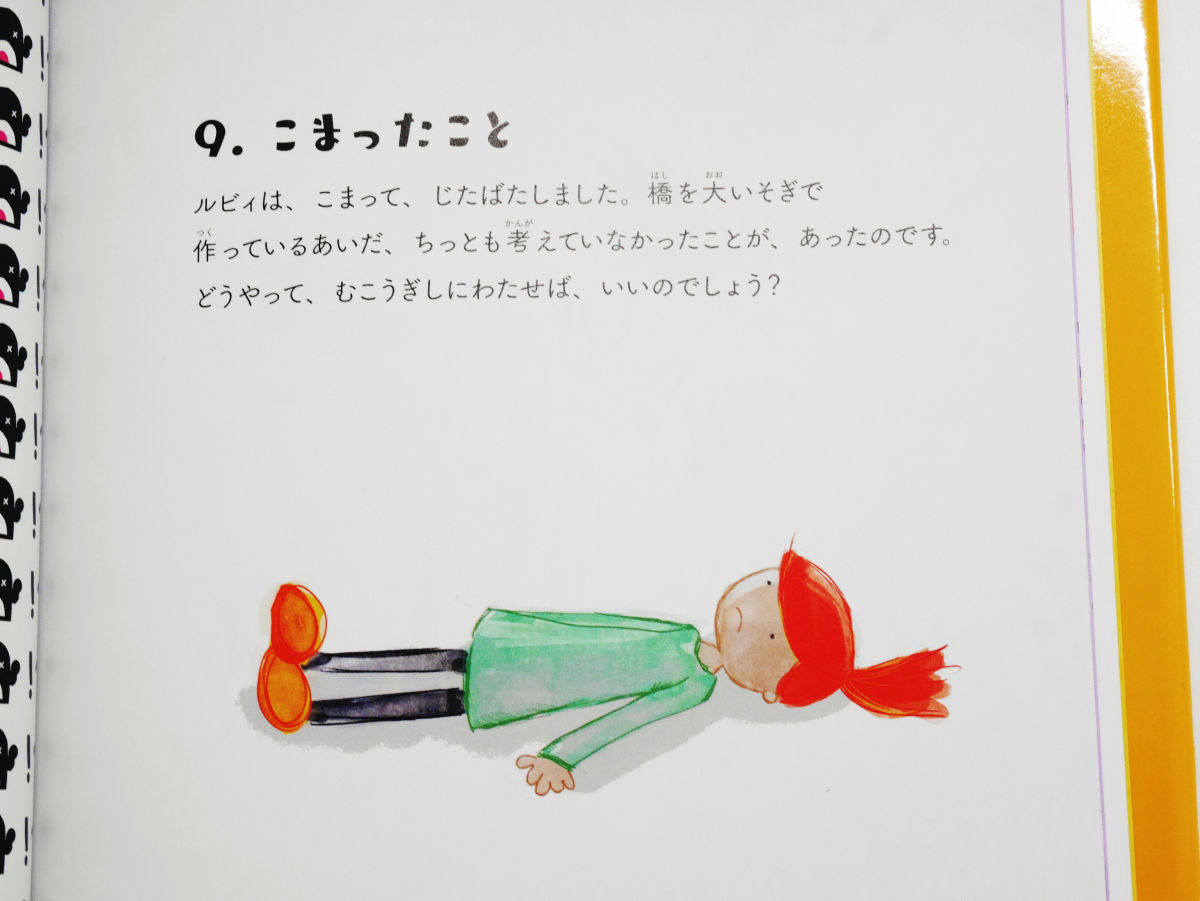
Ruby is depressed, but she learns from her mistakes and finds a solution. Will Ruby be able to find all five gems? This is the main story.
Of the 114-page picture book, the main text is from pages 6 to 68, and pages 69 to 109 contain activities and practice questions based on the contents of the book.
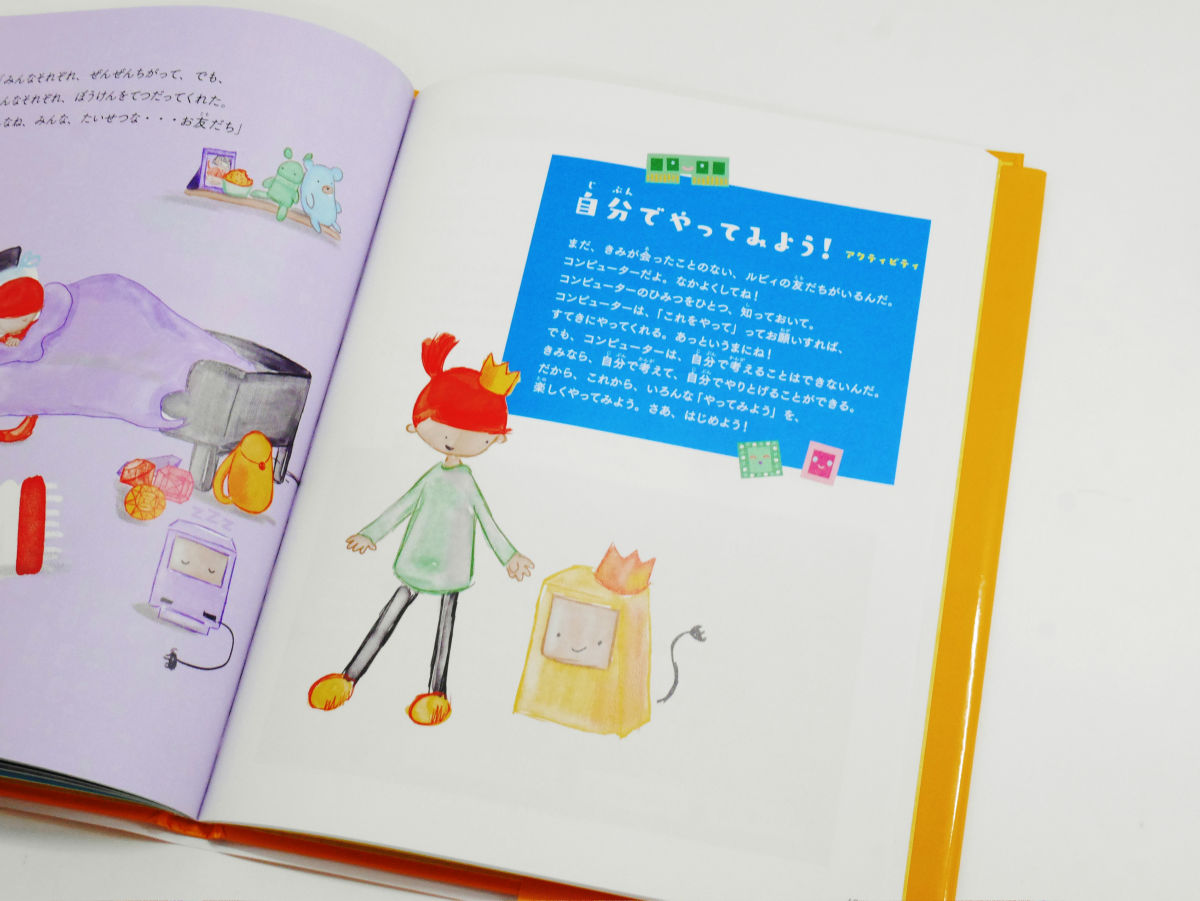
There are 10 exercises in total. The first exercise is 'to make you aware of how to give accurate instructions in your daily life, give instructions in the correct order, recognize patterns, and encourage you to understand the importance of breaking things down into small pieces.' The purpose is to acquire three programmer-like thinking methods: sequencing (ordered instructions), dividing into small pieces, and finding patterns.
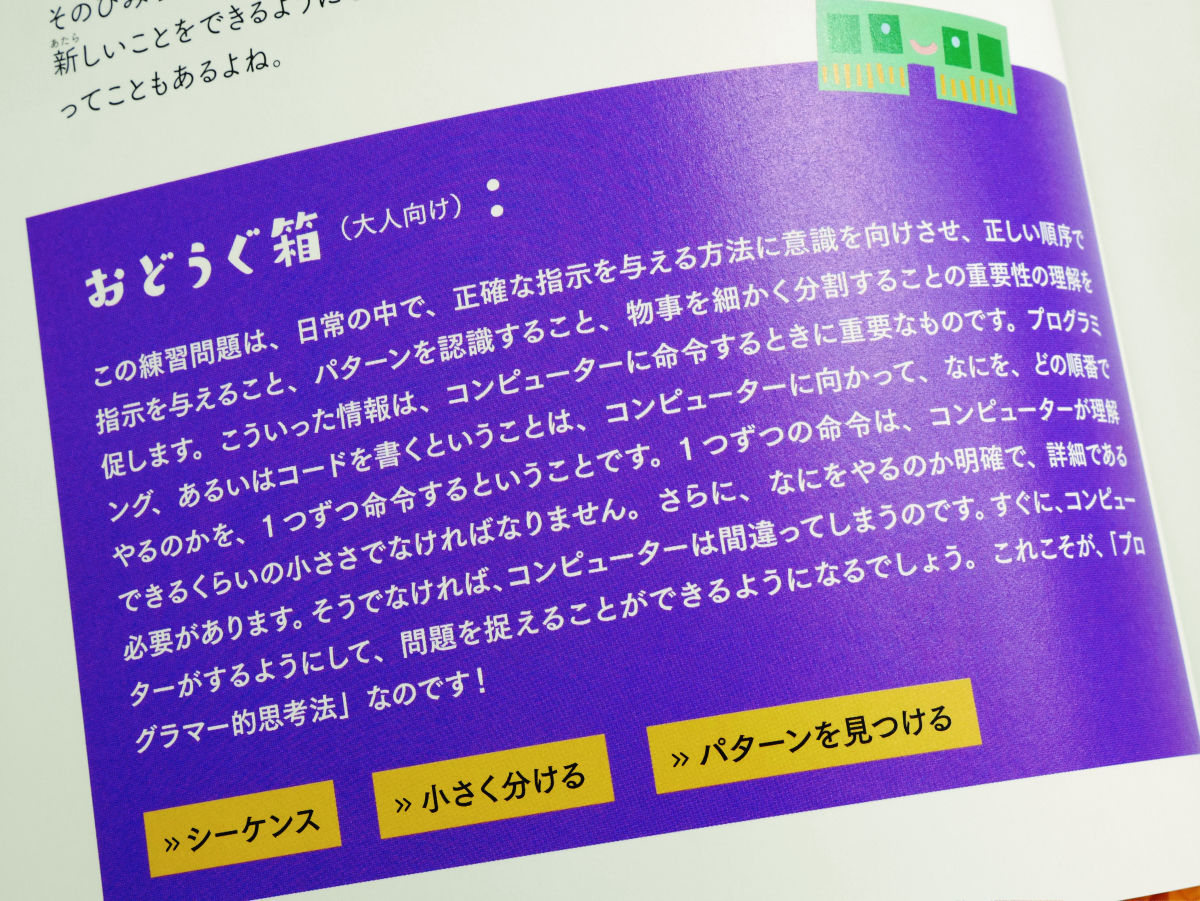
In the main story, Ruby exploits a loophole in what her father told her by wearing clothes over her pajamas, but this is an imitation of a computer. Exercise 1 involves writing out the order in which you want people to do things, just as you would give commands to a computer that does exactly what it's told.
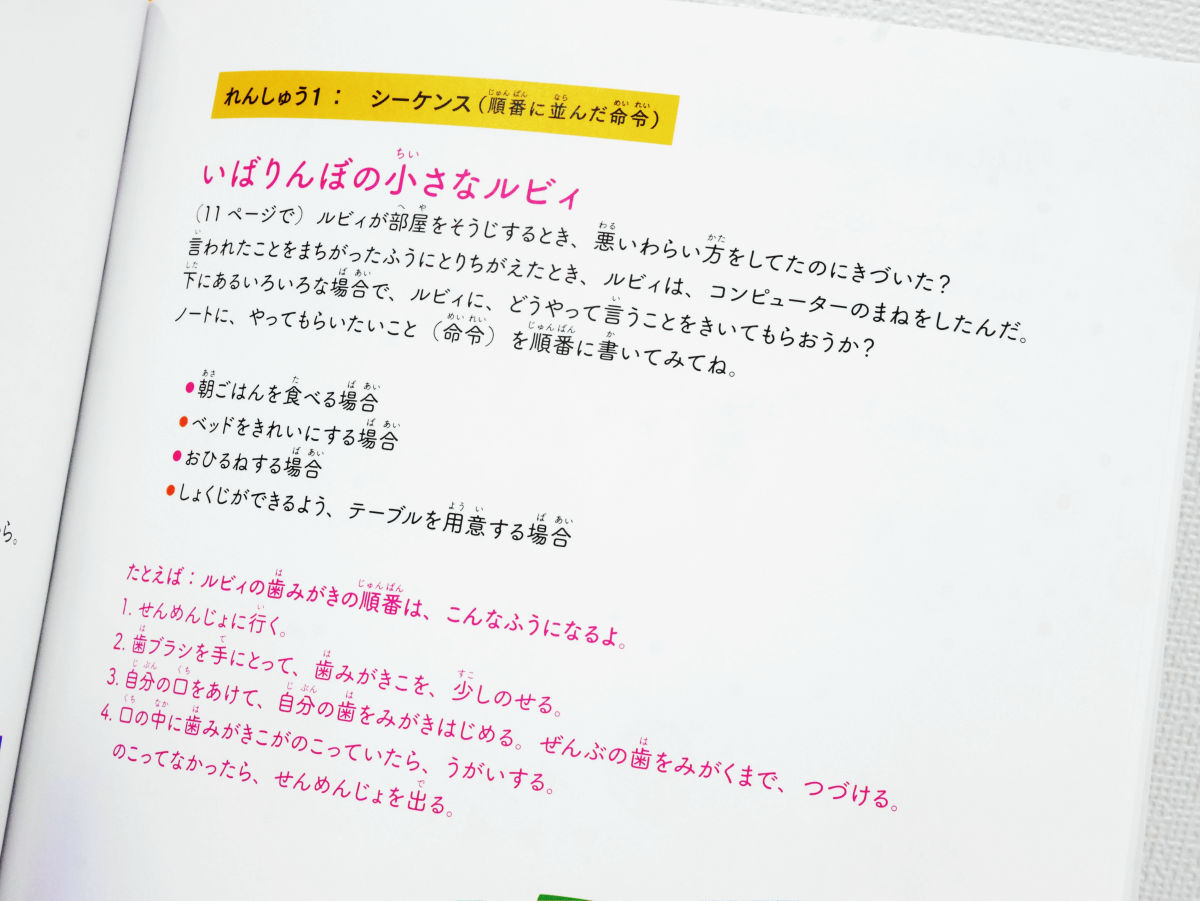
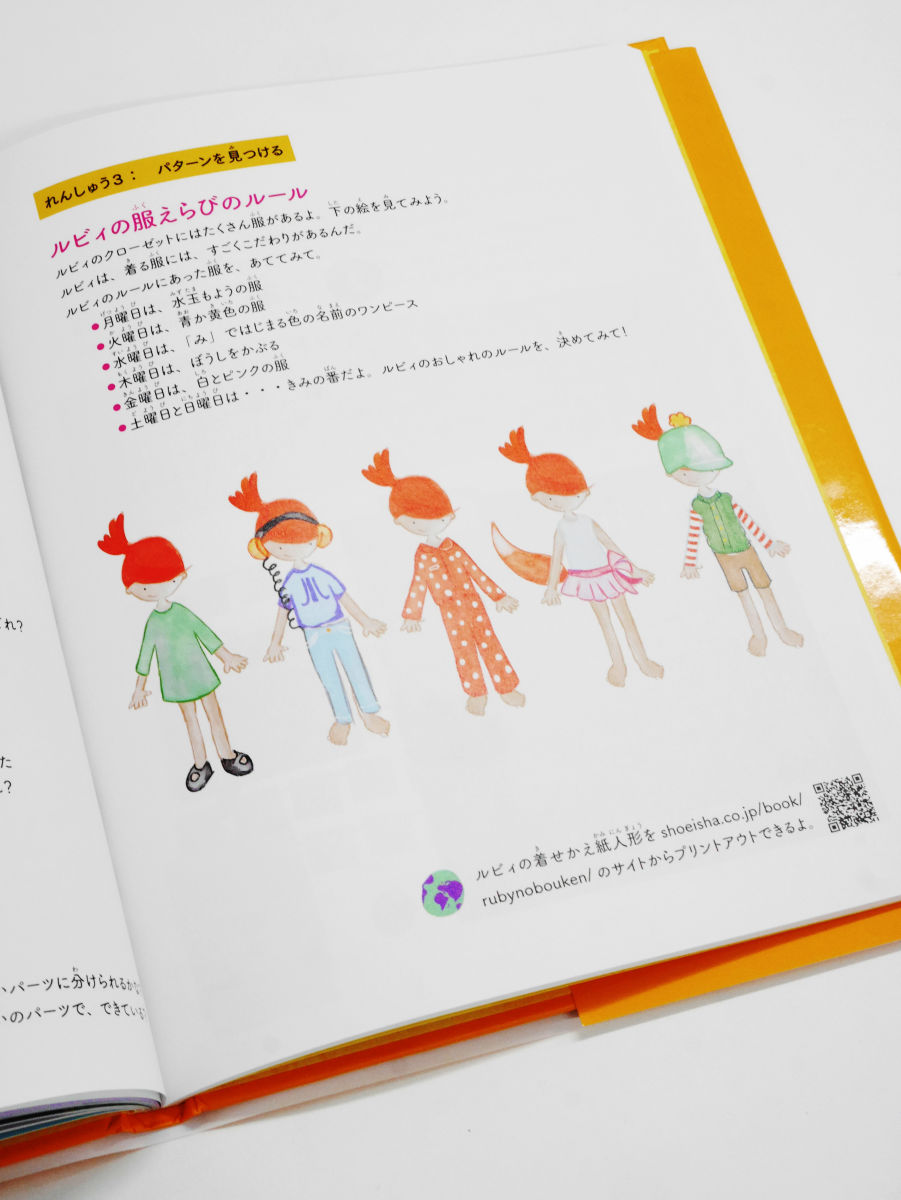
In addition, 'Practice 3' involved 'finding a pattern,' which involved using Ruby's clothing patterns from Monday to Friday as a reference to think about what to wear for Saturday and Sunday.
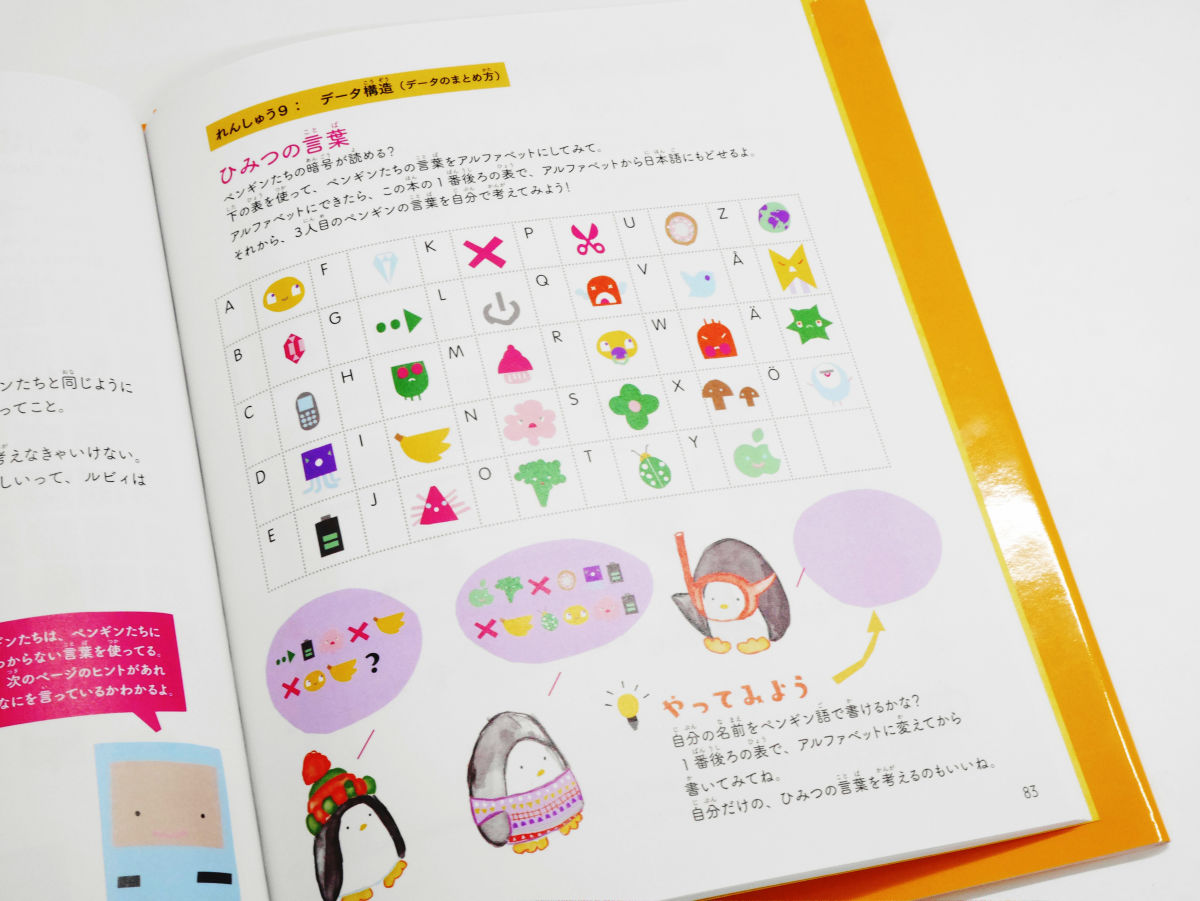
The penguins who appeared in the main story and spoke an incomprehensible language symbolized data structure. The fourth item is an exercise in using a code table to decipher the penguins' language and organize the data.
Ruby, who was giving instructions to the foxes, was working on 'case analysis' in programming. In the exercises, they learned two types of case analysis: 'if (if) - then (in that case)' and 'if (if) - else (otherwise).'
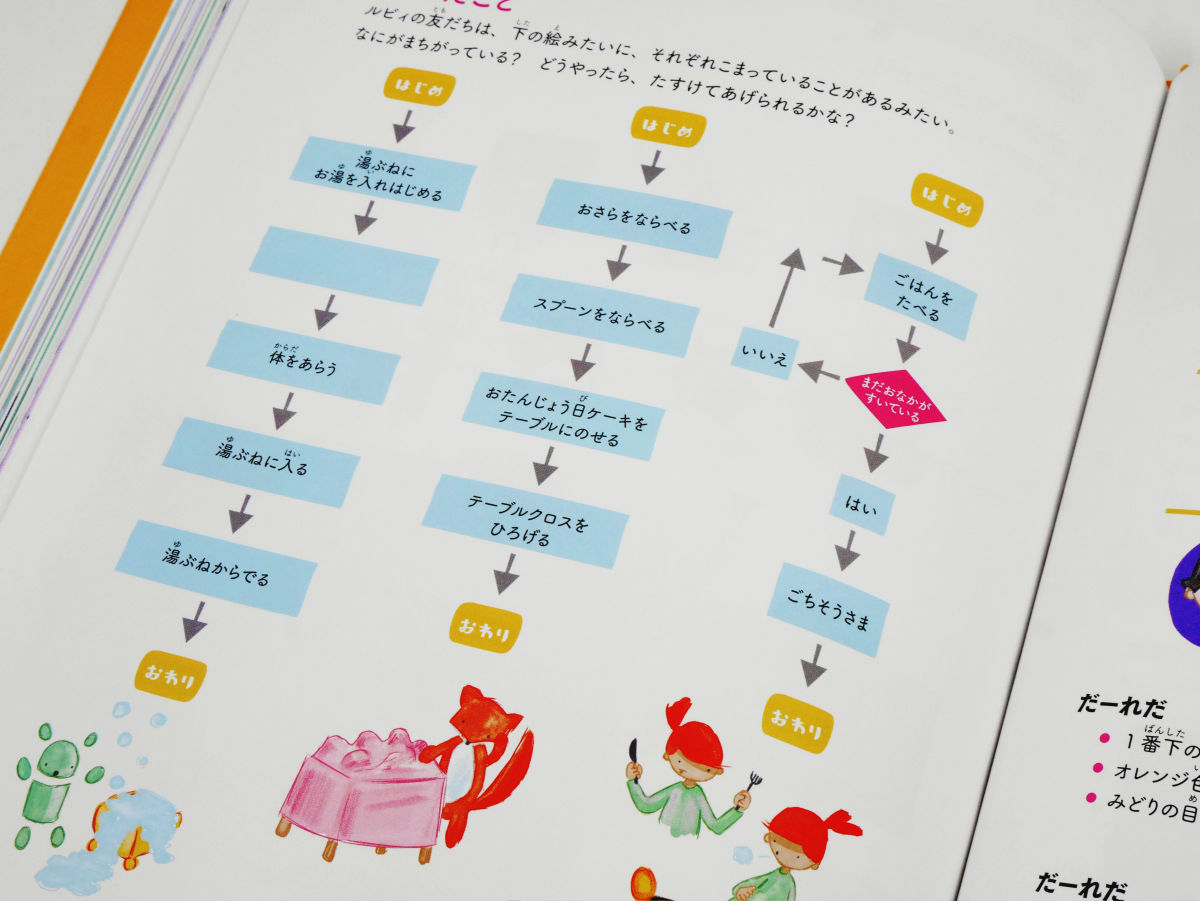
In the book, Ruby tries to build a bridge to cross a river, but fails. This represents bugs and debugging, and the book provides practice exercises that teach debugging methods along with the concept of pair programming.
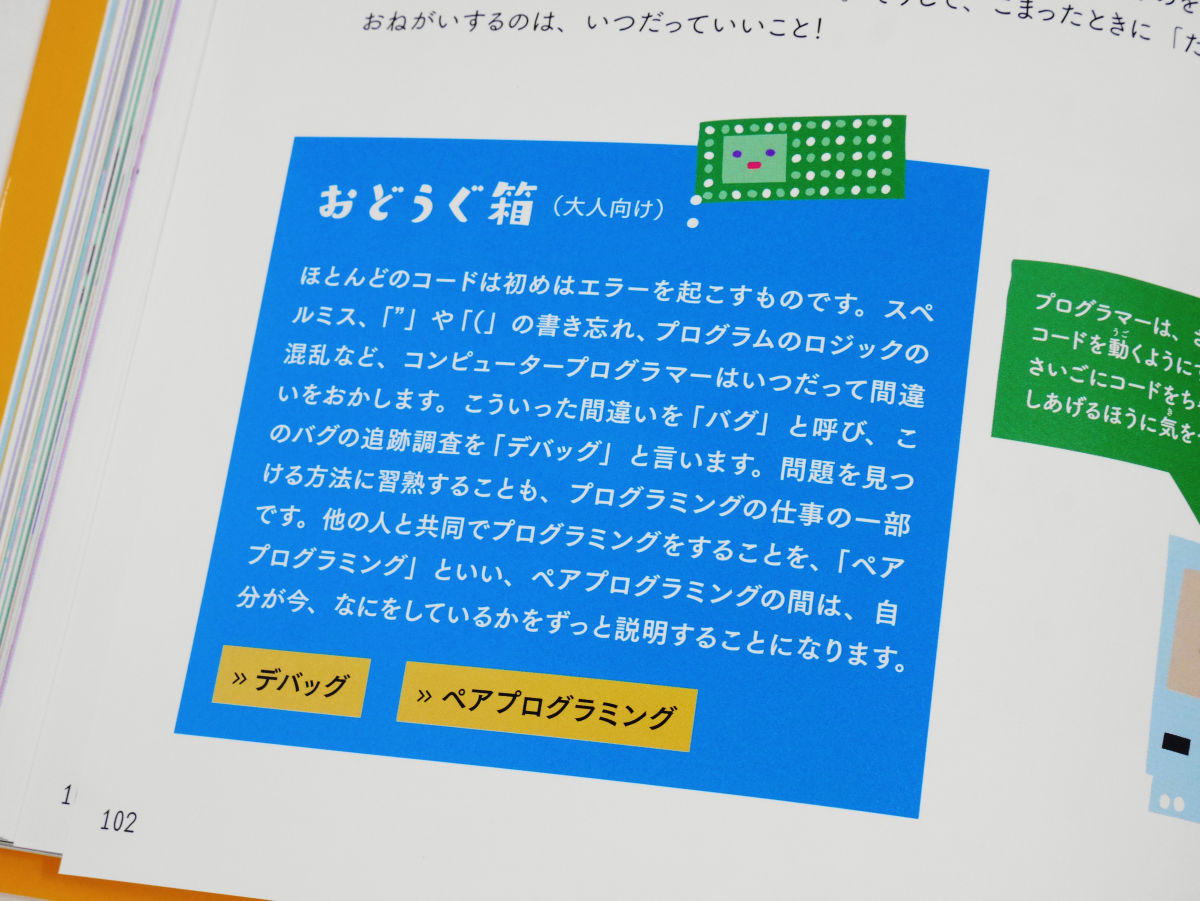
To find the bug, you practice finding the only bug in the game called 'Searching for the Nuisance Bug.'

Debugging (bug fixing) is about finding out what is wrong with the process of 'arranging the plates → arranging the spoons → putting the birthday cake on the table → spreading out the tablecloth' in order to achieve the goal.
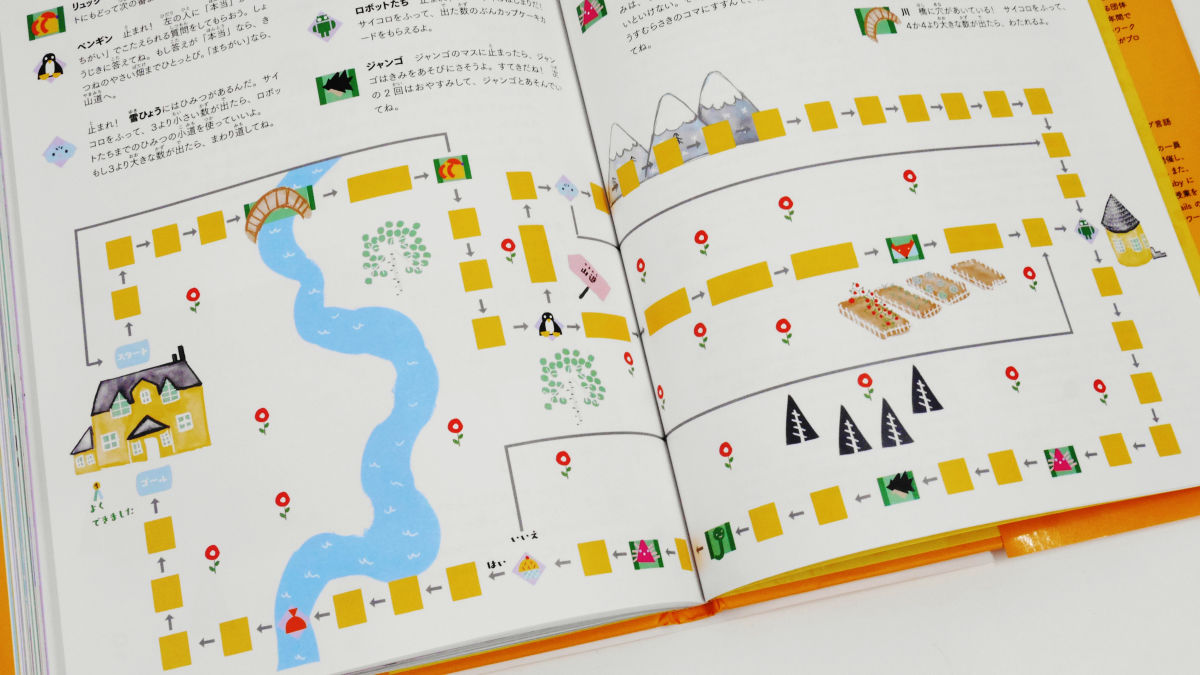
The tenth exercise is a board game in which the reader collects cupcakes by themselves using the concepts of algorithms, case analysis, and loops that they have learned in the previous exercises.
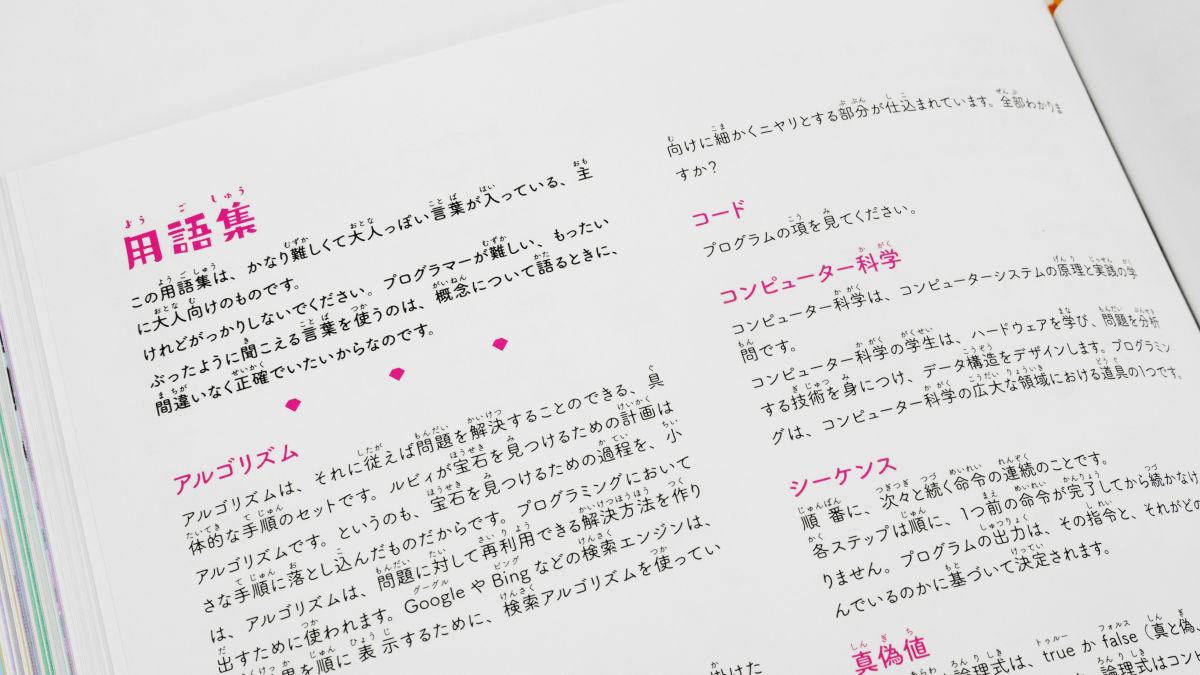
Finally, there is an 'adult' glossary to help understand terms such as algorithm, function, sequence, and boolean that appear in the book.
So, the content of the picture book itself is easy enough for a 5-year-old to understand, but the story is sprinkled with concepts and ideas from the computer world, so even a casual reader can get a basic understanding of technology that will be important in the future. The second half may be a little difficult for children, but it is very useful for those who want to understand programming, and even those who are daunted by the words 'variable' and 'operator' can acquire basic programming concepts.
Ruby's Adventure can be purchased from Amazon for 1,944 yen including tax.
Ruby's Adventure: Hello! Programming | Linda Liukas, Yuki Torii | Books | Amazon.co.jp

Related Posts: