A supermarket that experienced a dark age offers the advice: 'Beware of management consultants.'

Beware management consultants – About Iceland
https://about.iceland.co.uk/our-story/the-dark-ages/beware-management-consultants/
An article posted by Iceland Foods titled 'Beware of Management Consultants' likened the company's situation at the time to a boat race team, and contained the following points:
Two boat teams (A and B) worked hard to get themselves in top condition. On race day, both teams gave it their all to win, but Team A won by a narrow margin of one mile.

Team B, having lost, was devastated by their defeat, but they were determined to win the next race. Therefore, Team B established an audit committee to observe the situation and check for any discrepancies between the two teams. After several weeks of detailed information gathering, the audit committee reached only one conclusion.

'The winning Team A had 7 rowers and 1 captain.' In contrast, Team B had 1 rower and 7 captains.
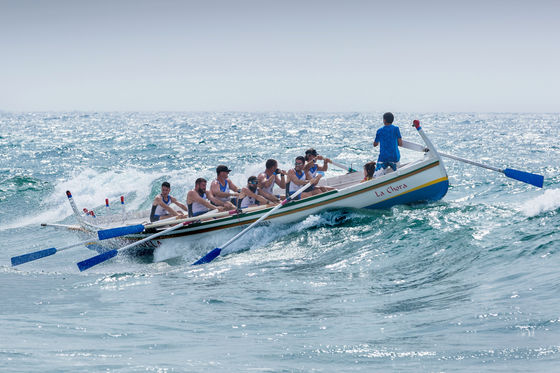
Therefore, the management of Team B hires a consulting firm to conduct data analysis and propose solutions for Team B to win next year.

The consultant concluded that the problem with Team B lay in the ratio of captains to rowers. Based on this analysis, the proposed solution was to 'change the organizational structure of Team B.' Following this advice, the management reorganized Team B into a team consisting of one rower, four captains, two managers, and one senior director. They also suggested that if the rowers' performance improved, they would consider improving the working environment through non-monetary rewards and recognition programs.

As a result, in the race held the following year, Team B lost to Team A by 2 miles. In response, Team B's management dismissed the rowers due to their poor performance. On the other hand, the captain, manager, and senior director, who had demonstrated excellent leadership and motivation during the preparation phase, were given bonuses. This reward served as an incentive to find better rowers for the next race.

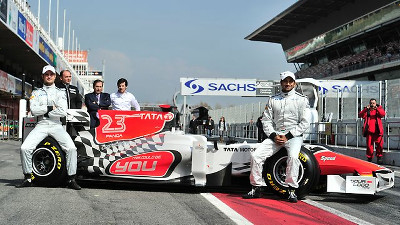
Subsequently, the consulting firm conducted a new analysis of the restructuring. They determined that the strategy was excellent, motivation was high, and the restructuring was executed correctly. However, they concluded that the tools used were below standard and needed improvement. As a result, the upper management of Team B is proceeding with the design of a new boat. They have also commissioned the rowers to India to demonstrate their financial and human resources capabilities to shareholders.

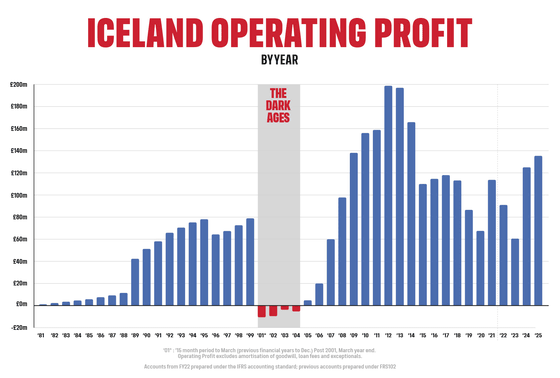
Iceland Foods, which had made a profit of £80 million (approximately 17.3 billion yen) in 1999, fell into the red in 2001 when the old management team, including Malcolm Walker, stepped down and Bill Grimsey was appointed as the new CEO. The company did not recover during this 'dark age,' and only returned to profitability after Walker and others returned in 2005. The article in question appears to have been written by someone who experienced their company being ruined in just four years.
A consultant who worked for a major consulting firm commented on Hacker News: 'The teams I worked with delivered great value. Our job was to protect clients from design flaws and a lack of responsibility. Some of the projects I was involved in were very large, involving dozens of suppliers. Clients lacked the ability to coordinate many tasks and lacked know-how and expertise in many areas. Also, some large engineering and technology companies are very sloppy. Just because a company is well-known doesn't mean it always does a good job. I've seen many companies that are truly terrible and don't meet safety standards. That's where we consultants step in and take on the client's role. Many of the projects I was involved in were highly regulated and involved very complex elements, so we needed people with experience in specific areas. Design flaws that lead to environmental disasters or regulatory violations can result in very large losses.'
Related Posts:





in Note, Posted by logu_ii