Why was the 1996 Quake-related game compilation CD cracked in just 39 days?
Released in 1996, the first-person shooter (FPS) game '
Quake Shareware, a CD-ROM just a little too full
https://fabiensanglard.net/quake_shareware_cd/index.html
According to Mr. Sangraar, in the mid-1990s, aside from the very expensive Intel Pentium processor, the coolest item on a PC was the CD-ROM drive. With a capacity about three times that of the HDDs installed in PCs at the time, CDs could handle high-resolution 640x480 pixel, 256-color palette index images, VOC audio, and smooth 12fps, 240x179 pixel videos, which were the highest resolution at the time.
CD-ROMs were a nuisance for video game developers as well, as their capacity far exceeded the amount of assets game developers could handle. John Carmack, a developer at id Software , the creators of 'Quake' and ' DOOM, ' said in 1994, 'People expect CD-ROM games to contain a massive amount of digitized audio and video. If we were to release a CD version of DOOM, it would mean we could include the game and a one-hour feature film, 'Making DOOM.''
In June 1996, id Software completed 'Quake,' a title they had been developing for three years. Initially, they planned to release both a shareware version (free trial version) and a full version of 'Quake,' but even the full version was only about 23MB, leaving a significant amount of space left over on the CD-ROM. So, the developers at id Software decided to include encrypted versions of their entire game catalog to make use of the remaining space on the CD-ROM.
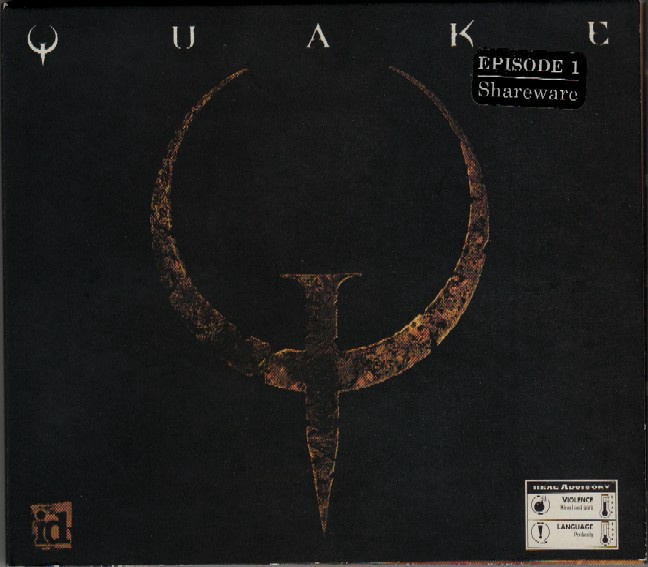
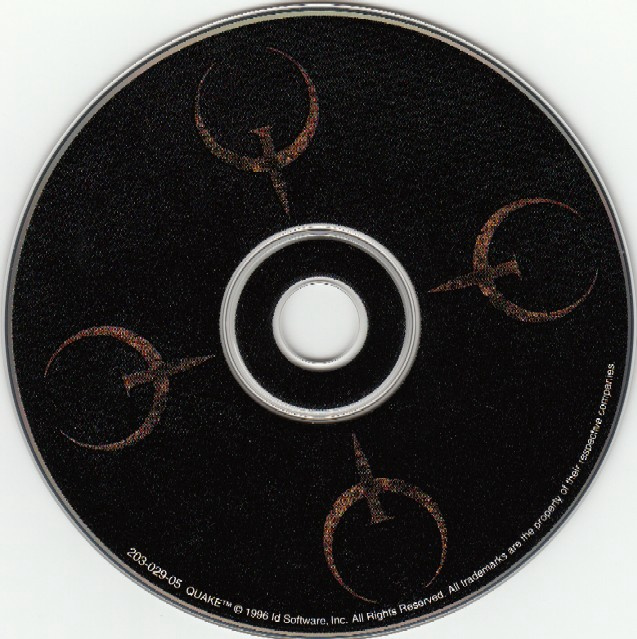
The 'Quake' CD-ROM, which was actually announced on July 3, 1996, and released on August 30, contained all of id Software's games, including 'Quake,' encrypted. Because only a trial version of each game was playable initially, users had to call a number listed on the CD-ROM to place an order and pay with a credit card to receive the decryption key to play the full version. This meant that users didn't need to buy individual game CD-ROMs, and the manufacturer could sell without intermediaries like retailers. Below is the 'Quake' package as preserved on the Internet Archive .
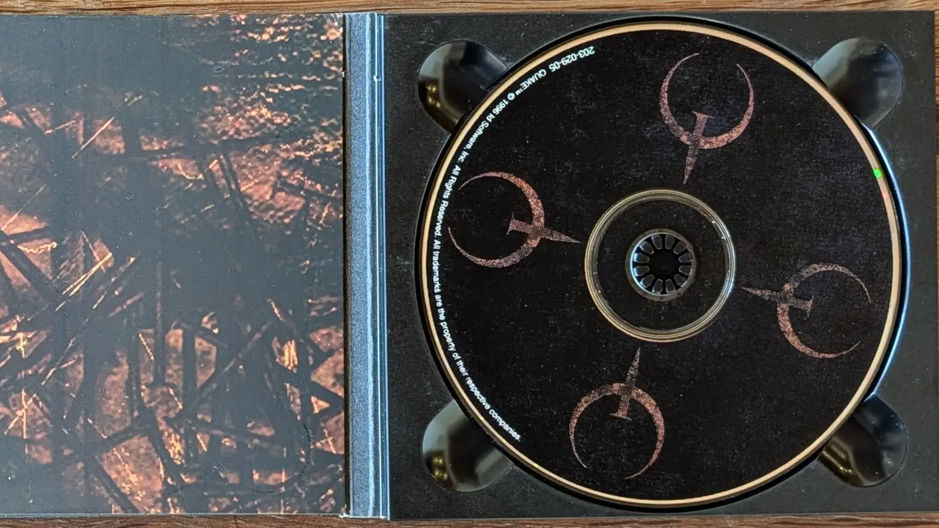
The following is the 'Quake' CD-ROM.
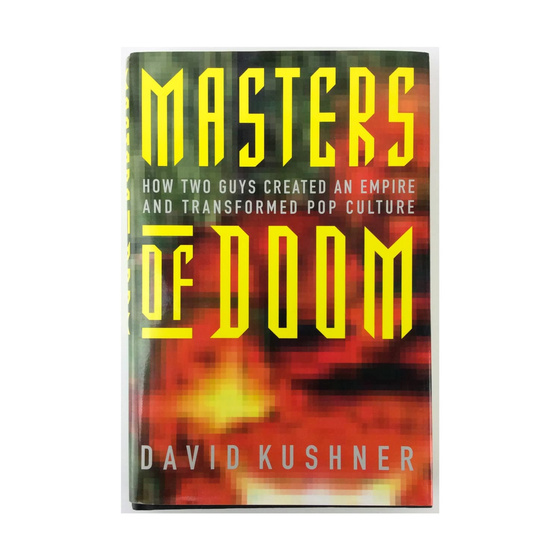
However, just 39 days after the release of the Quake CD-ROM, the hacker group 'GNOMON' released 'Quakecrk.zip,' which included a tool to decrypt all the games. The book ' Masters of Doom ,' which describes id Software and its influence on pop culture, states: 'The Quake shareware experiment was a complete failure. id Software intended to eliminate retailers by having gamers purchase the shareware and then receive a serial code to order and unlock the game over the phone. However, the shareware was quickly hacked, and the full version of the game was unlocked for free. Even worse, all routine operations such as distribution and order processing went out of control. id Software tried to stop selling the shareware, but it was too late. There were approximately 150,000 CDs piled up in their warehouses.'
Sangraar explains what was wrong with the shareware version of 'Quake.' The game's lock/unlock function used a tool provided by TestDrive Corp, which allowed players to play a portion of the game as a trial before purchasing the full version to play the entire game. The encryption tool converted the executable file into a special format, so if you tried to force the executable file to run, it would display the message, 'This application is disabled.' The unlock serial was issued by the unlock service according to the CHALLENGE generated by the program. Since the CHALLENGE changed each time the program was launched, the design prevented the reuse of the same serial.
However, GNOMON discovered that the serial numbers received over the phone contained no confidential information whatsoever; they were merely proof of payment, and the program included on the CD-ROM could calculate the correct serial number itself. As a result, GNOMON developed a tool that could automatically generate serial numbers compatible with CHALLENGE, allowing users to play any game, including 'Quake,' for free.
In addition, many problems have been discovered with the 'Quake' CD-ROM, including the fact that some games could not be unlocked even by calling through legitimate means, and that it contained files that were never used. 'The more I looked into it, the more it seemed to me that the person in charge had absolutely no time to finish it properly,' said Sangraar.
Related Posts: