Human habitats built on the ocean floor will soon become operational. What is the meaning of living on the ocean floor?
While the idea of 'living on the ocean floor' might sound like a fun attraction, living in an environment with water pressure stronger than atmospheric pressure requires solving a variety of problems.
A Human Habitat at The Bottom of The Ocean Is Now Operational. Take a Look Inside : ScienceAlert
https://www.sciencealert.com/this-human-habitat-at-the-bottom-of-the-ocean-is-now-operational-take-a-look-inside
DEEP is a private company developing underwater habitats applicable to a variety of missions. While some scientists and adventurers have previously attempted to live underwater, DEEP has the ambitious goal of enabling short-term and semi-permanent stays anywhere on the continental shelf .
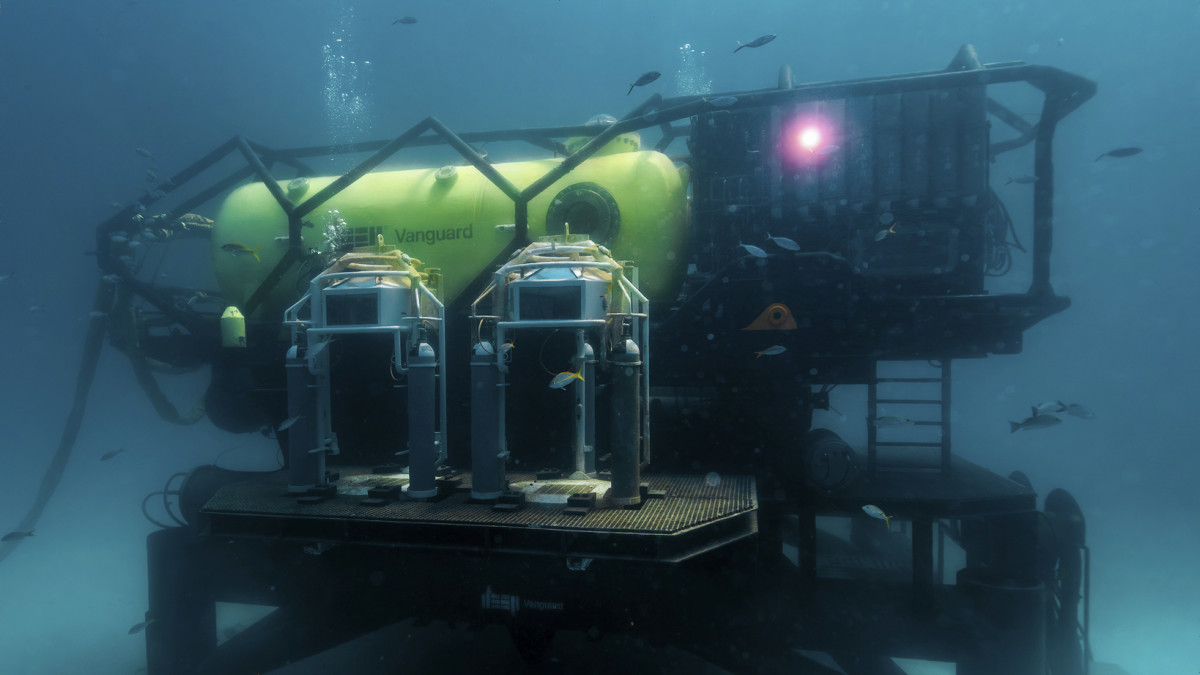
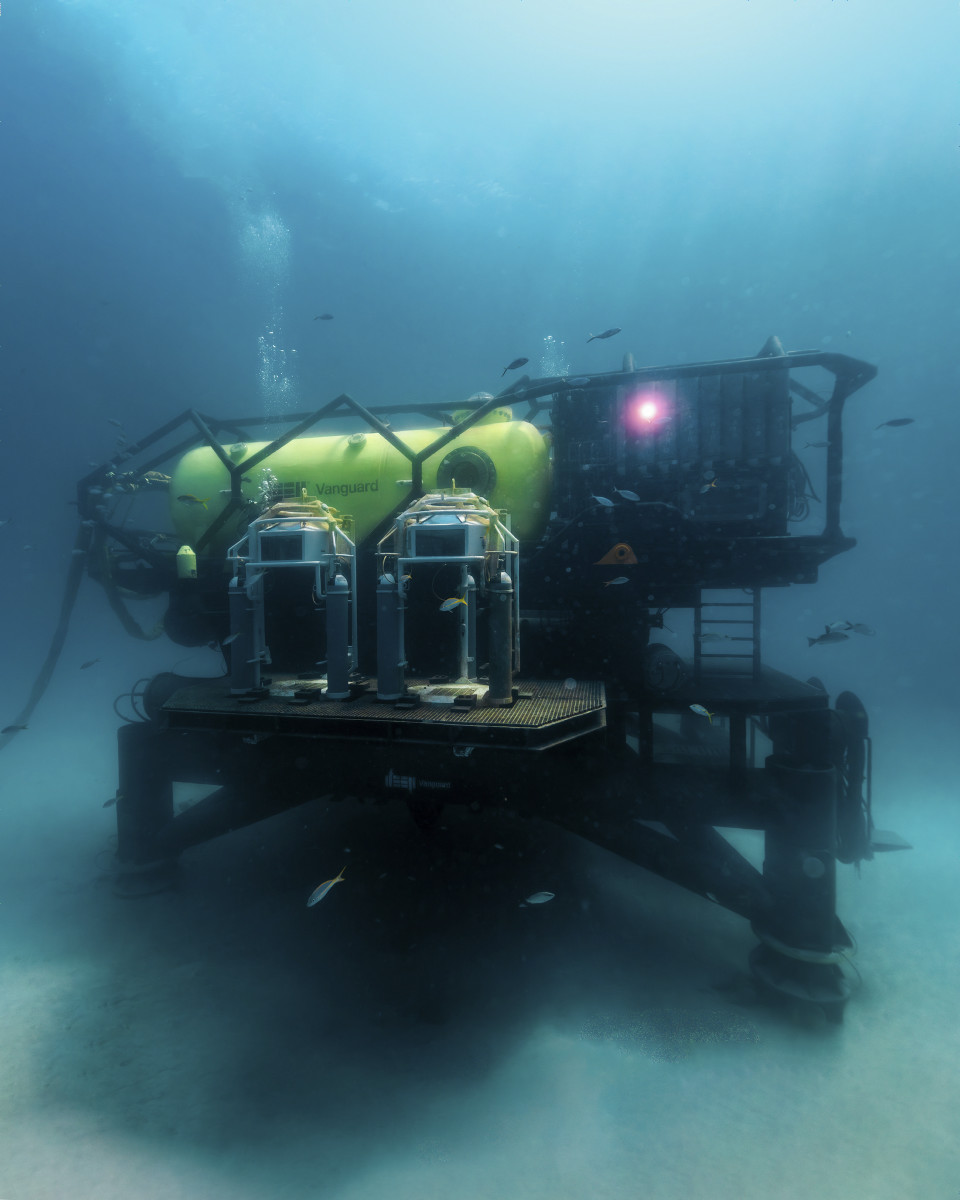
In June 2026, DEEP deployed Vanguard, a prototype underwater habitat, in the Florida Keys National Marine Sanctuary off the southern coast of Florida. Vanguard is designed for a wide range of uses, including scientific research, environmental monitoring, advanced diving training, and astronaut training, and can accommodate a crew of four at a time.
The following photo shows the Vanguard installed on the seabed at a depth of 17 meters in the Florida Keys National Marine Sanctuary.
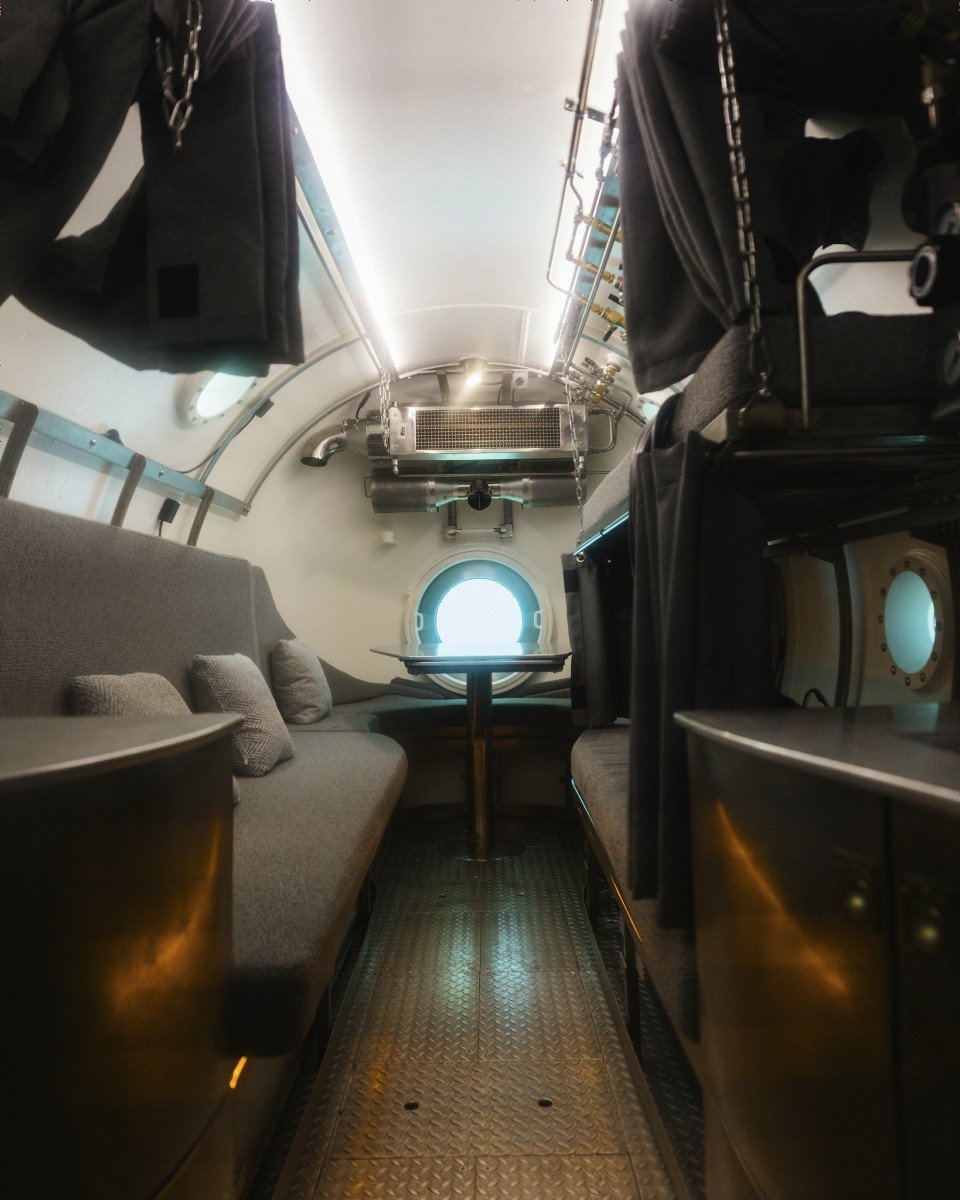
This is what the living quarters look like. A test crew consisting of underwater explorers and scientists will be staying at the Vanguard for several days for research and training missions.
ScienceAlert interviewed Dawn Karnagis, head of scientific research for DEEP, who is expected to be the first crew member of the Vanguard. Karnagis's research focuses on human physiological functions in extreme environments, with a particular emphasis on the relationship between the brain and nervous system. Karnagis previously participated in NASA's
For scientists, staying on the seabed for research offers several advantages. For example, when bringing samples collected from the seabed to the surface, sudden pressure changes can damage the samples, which has been a source of concern for scientists. However, by staying on the seabed and analyzing samples under the same pressure environment, the effects of pressure changes can be avoided.
Karnagis said, 'When a sample is brought to the surface, it is subjected to decompression. Therefore, all the molecular and cellular characteristics contained in the sample are closely related to the decompression process the sample went through. In other words, it does not accurately reflect the conditions the sample was in when it was on the seabed. We are very excited to rethink much of this science and create new opportunities to process samples at great depths in near real-time.'
A Vanguard is essentially a massive decompression chamber that controls the internal pressure and the crew inside. When the crew arrives at the Vanguard in a small submersible, the crew and living space are at the same pressure as the surrounding water. Then, by slowly decompressing the Vanguard, the crew can operate on the seabed for extended periods. This is the same mechanism as saturation diving , which allows divers to operate at very great depths.
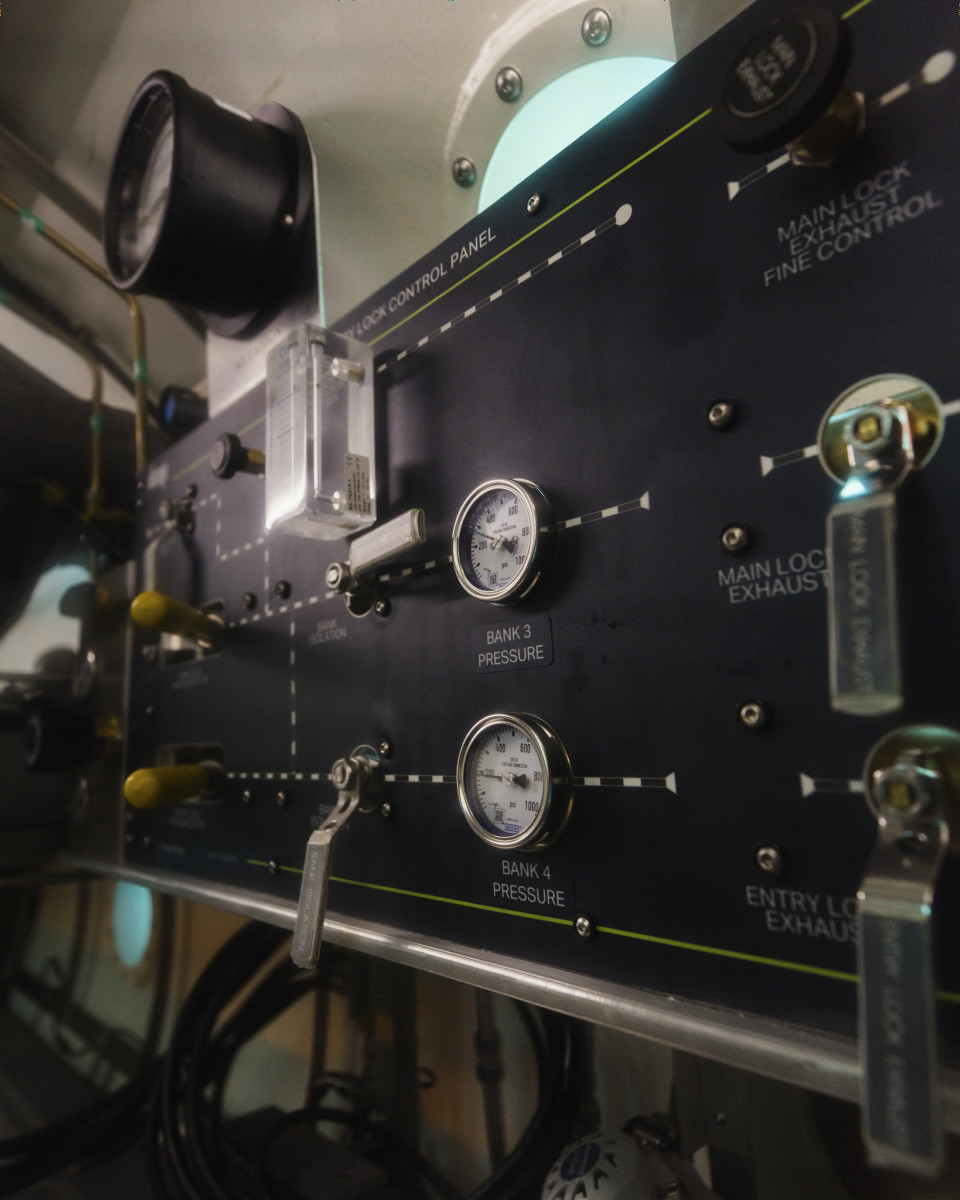
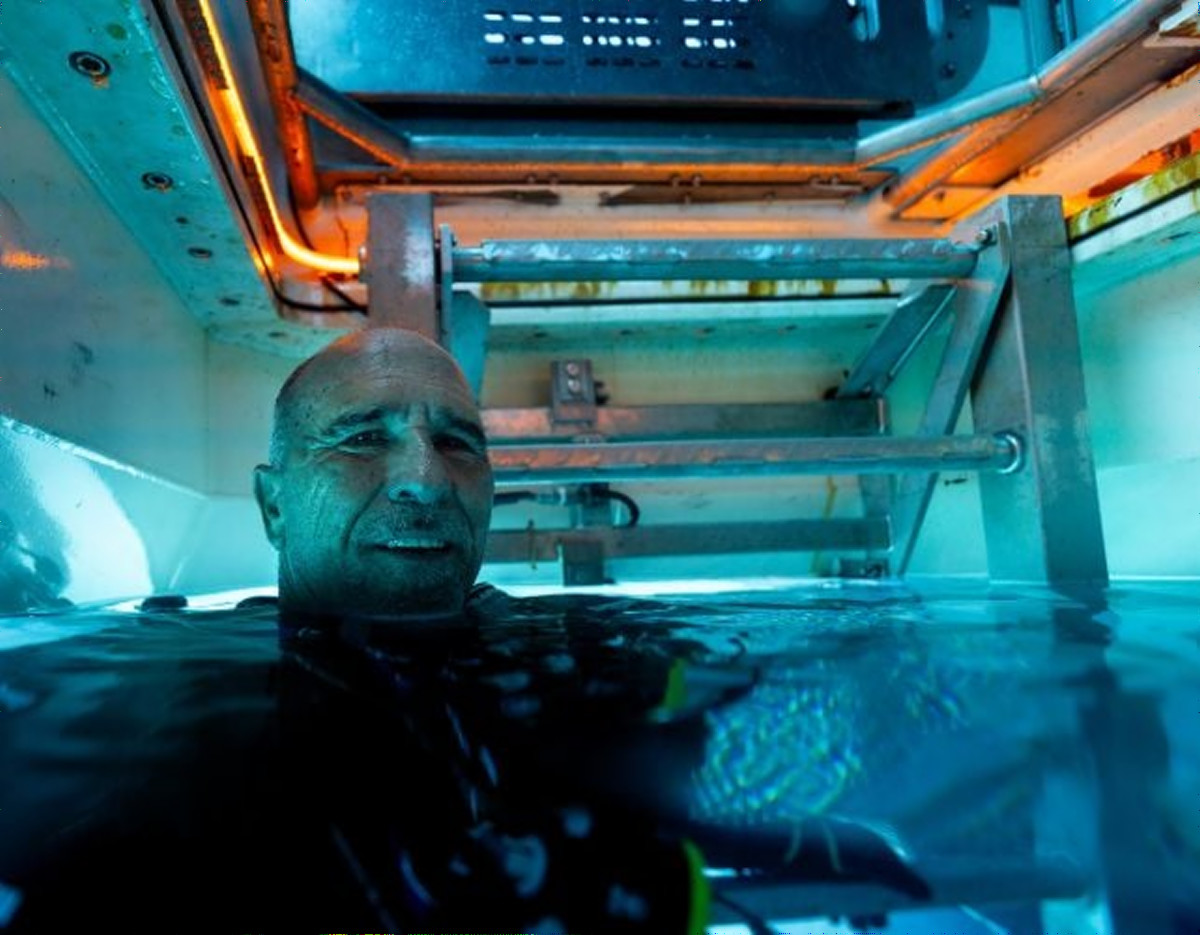
After the overnight decompression is complete, the Vanguard's internal pressure is repressurized, and the crew can exit into the surrounding ocean through a downward-facing inlet called the 'moonpool,' which leads to the seabed. The crew can then take in air directly from the Vanguard's air supply system via a cable, allowing them to stay submerged for several hours, exceeding the typical 60-minute limit of a standard dive.
The following photo shows Roger Garcia, the head of residential facilities at DEEP, demonstrating the Moonpool.
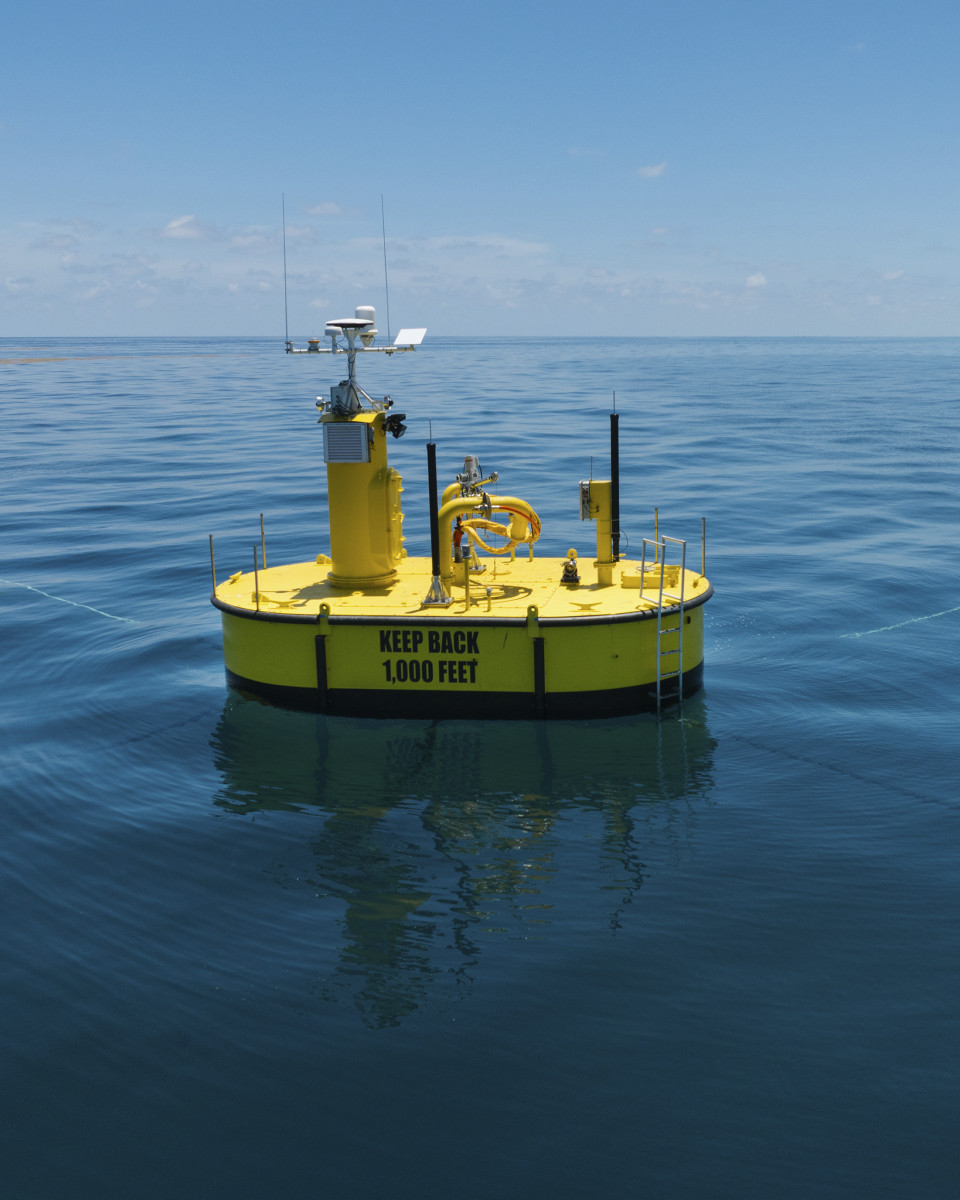
The crew maintains 24-hour contact with the land base via satellite communication. Power and air are supplied from equipment installed on buoys on the water's surface, and fresh water is supplied from tanks on the Vanguard. The following photos show the communication, power generation, and air supply equipment located on the sea surface directly above the Vanguard.
Underwater habitats like Vanguard have the potential to be used not only for scientific research, but also in a variety of fields such as oil and gas drilling facilities, the defense industry, and underwater recreation. In fact, many of DEEP's project partners are companies involved in these businesses.
Karnagis and his colleagues want to expand underwater habitats for more people, and they envision future residents including artists, historians, students, and educators. 'I think underwater habitats would be great for politicians too, as it would give them an opportunity to learn what's beneath the surface of the ocean,' Karnagis said.
Related Posts:

in Free Member, Science, Posted by log1h_ik