The little-known reality of ferocious super-predators that exist in the microscopic world
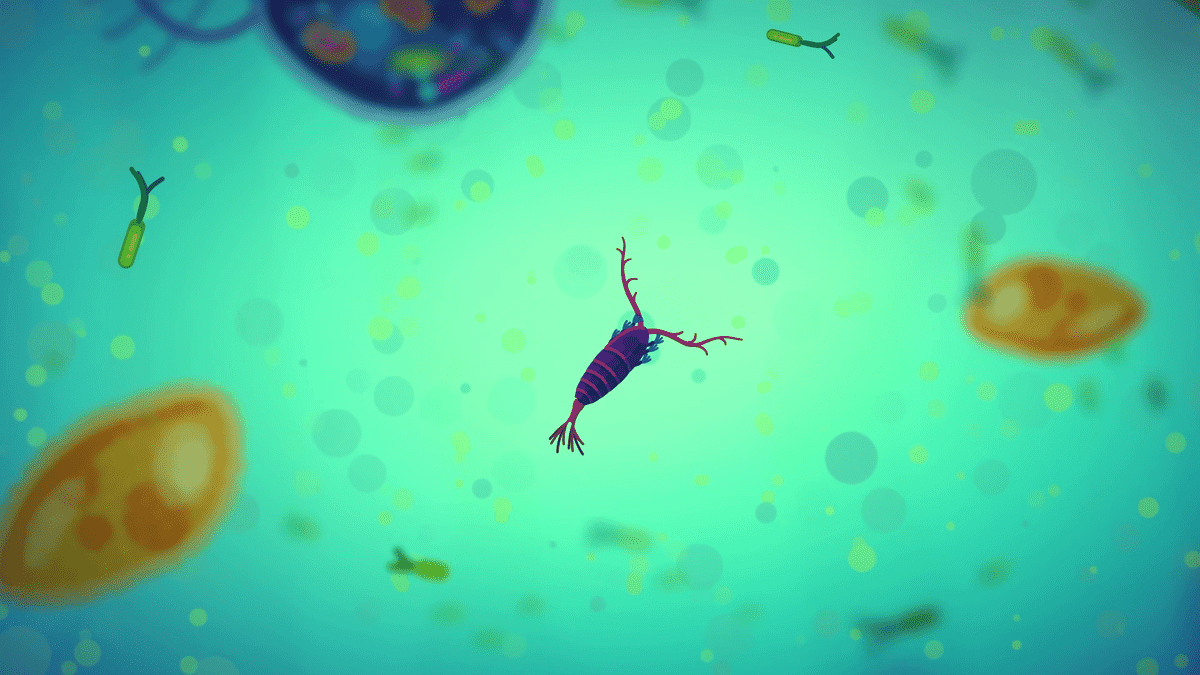
In nature, there are microscopic organisms that spit acid and use their bodies to expand and contract like weapons to catch prey. The science-focused YouTube channel Kurzgesagt introduced the ecology of such organisms.
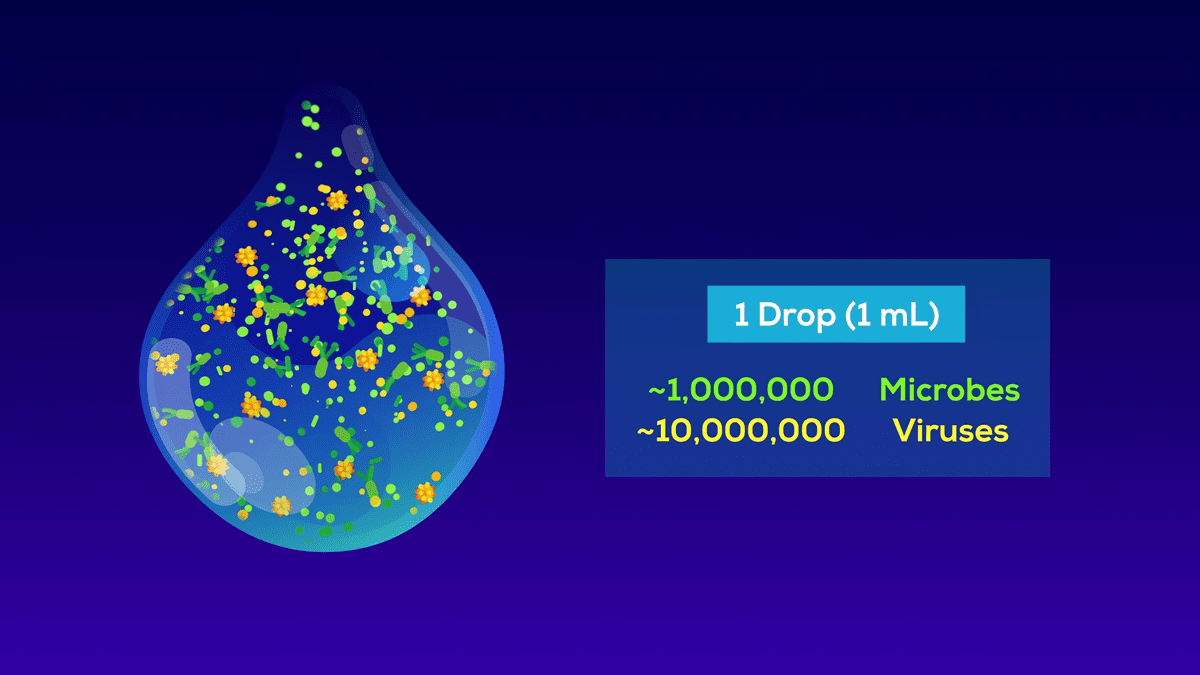
A single drop of seawater contains approximately 1 million microorganisms and 10 million viruses. Kurzgesagt focuses on protists, of which there are thought to be up to 10 million species, and explains how they hunt.
The first creature we'll look at is a ciliate called Coleps hirtus. It's covered in a hard armor made up of tightly interlocking, plate-like parts.
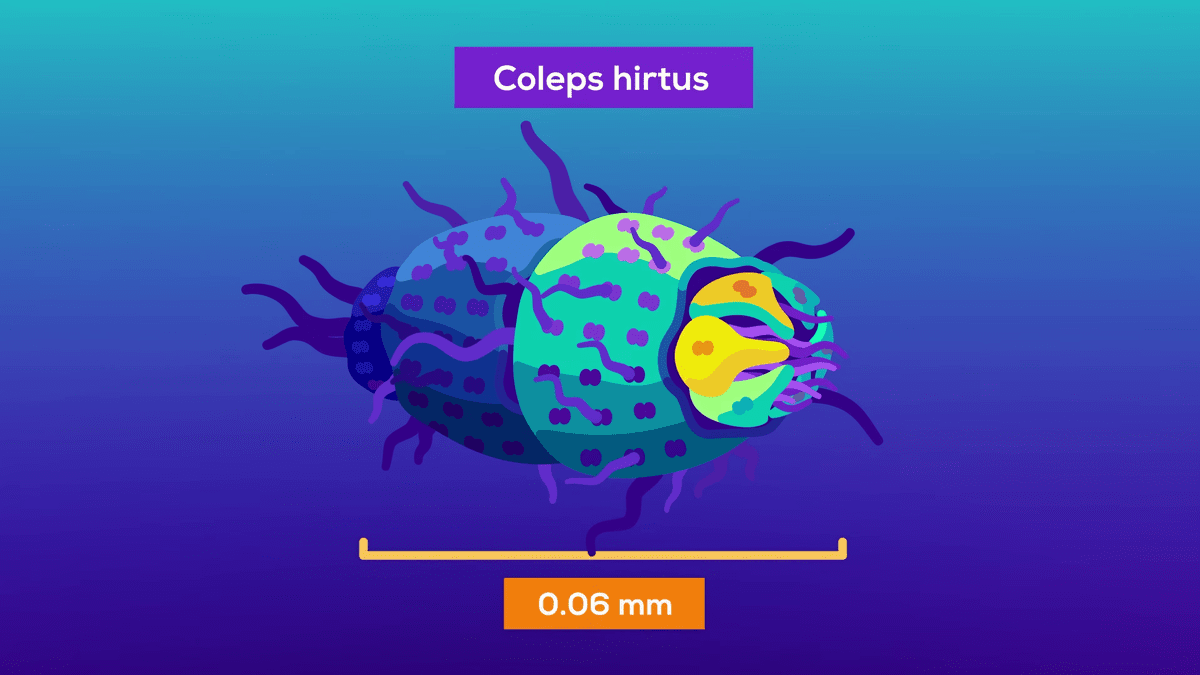
Hundreds of cilia extend from the gaps in the plate, moving in a wave-like motion, and advancing towards the predator while rotating like a drill. By charging at high speed, it can bore holes in its prey and tear pieces of flesh apart.
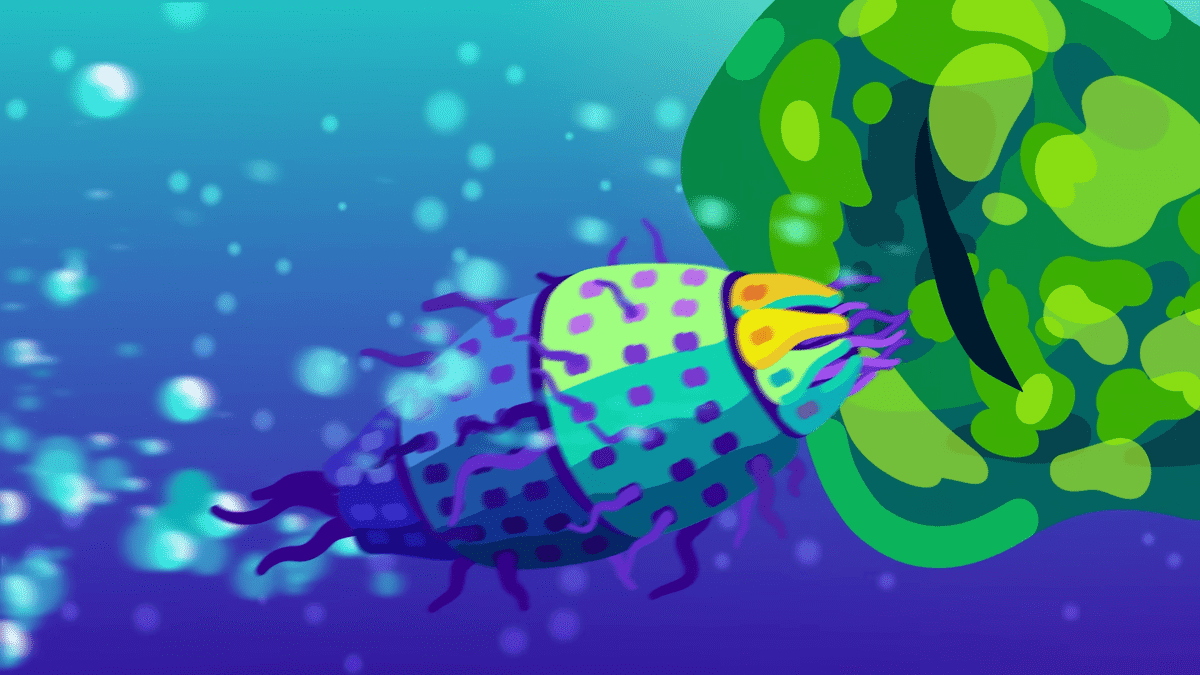
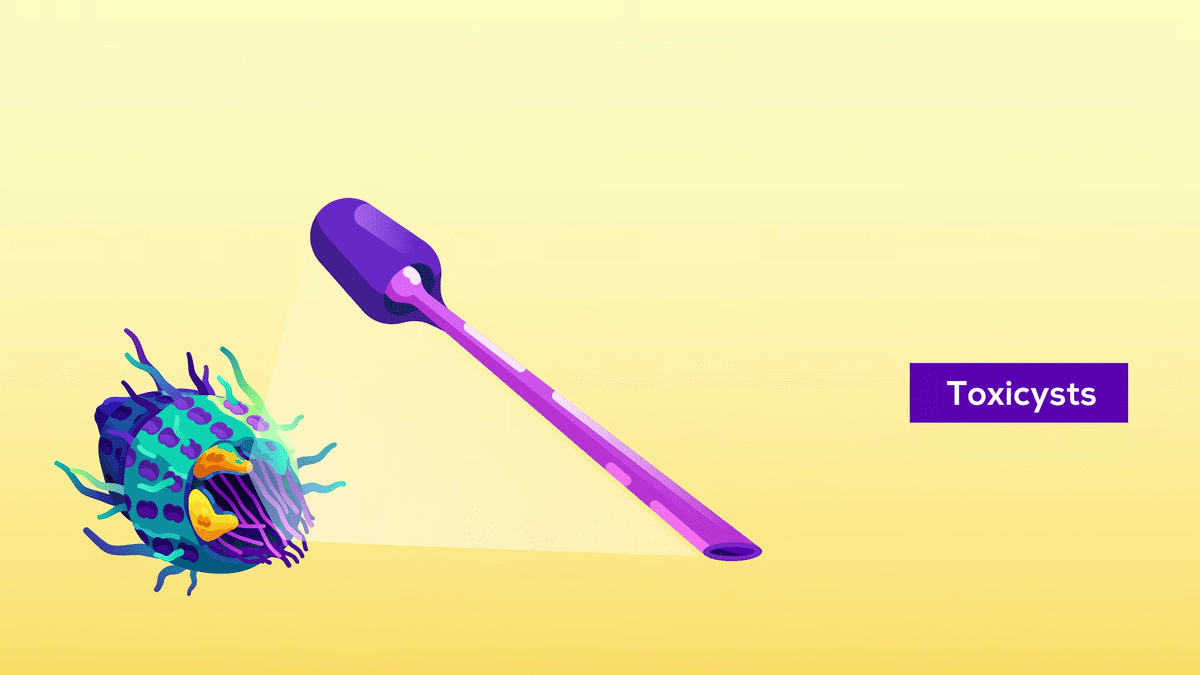
The mouth is lined with more than a dozen venomous syringes, and when they pierce prey, the chemicals inside dissolve the cell membranes, killing the cells and creating large, gaping wounds in the skin of small fish. The chemicals released during battle attract other individuals, and they collectively prey on creatures much larger than themselves.
This is what the actual footage looks like.
Coleps? Coleps as a hunter - YouTube
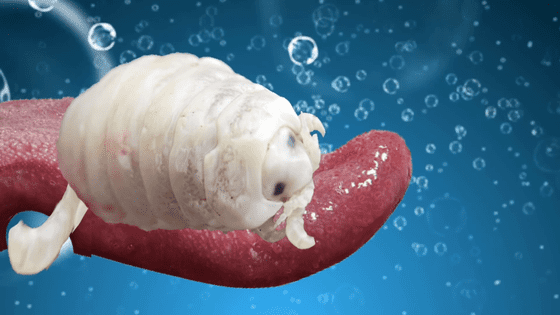
The next species Kurzgesagt discussed was Pseudomicrothorax dubius.
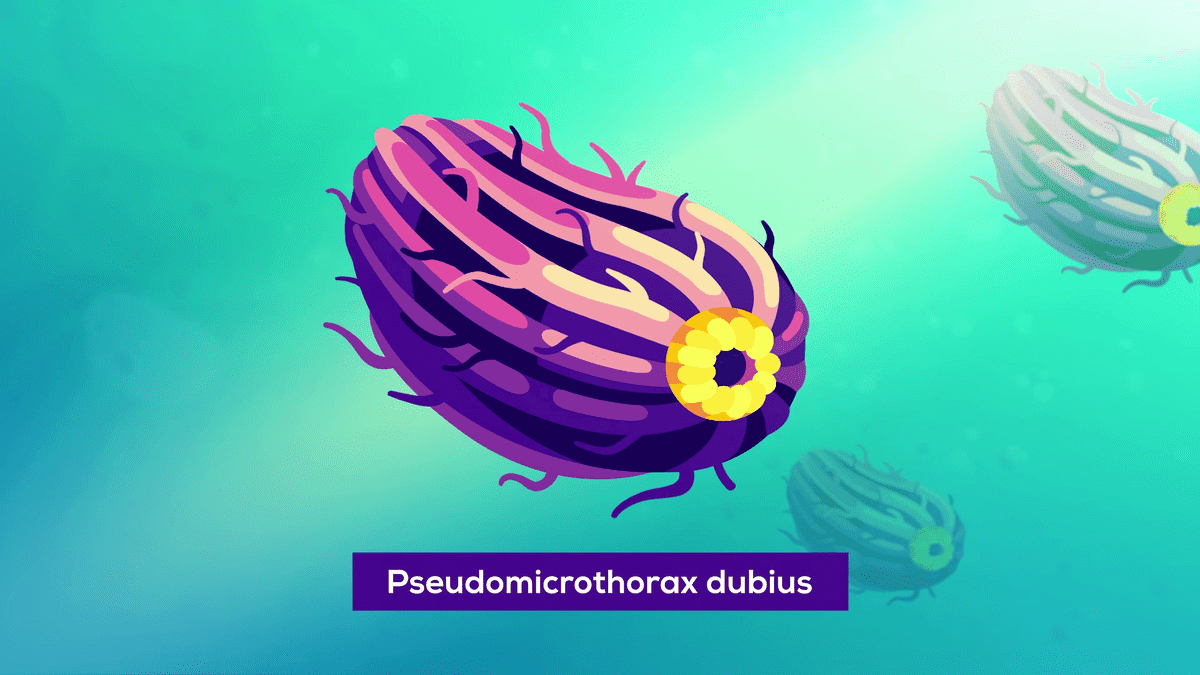
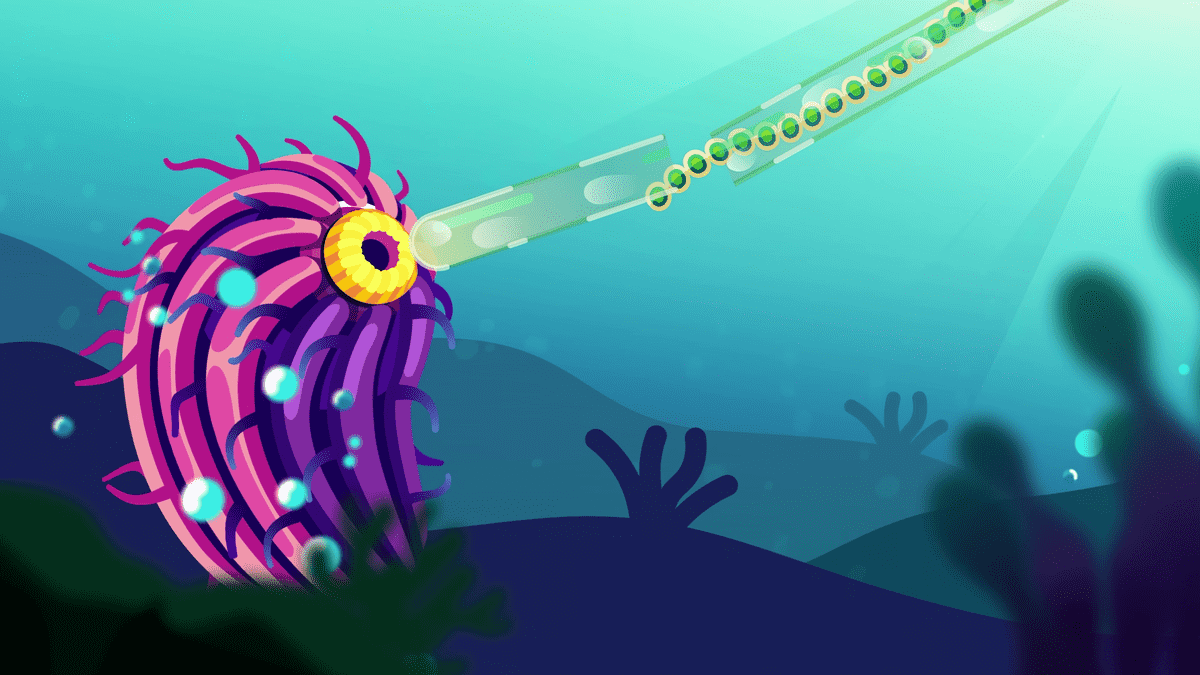
From its seemingly harmless tiny mouth, it sucks in bacteria such as cyanobacteria. This tiny mouth is a ring-like structure of 22 small, arm-like parts that pull in prey at a terrifying speed. Instead of teeth, it has hundreds of tiny vesicles filled with a liquid equivalent to super-strong stomach acid, which dissolves its prey into a soup-like substance.
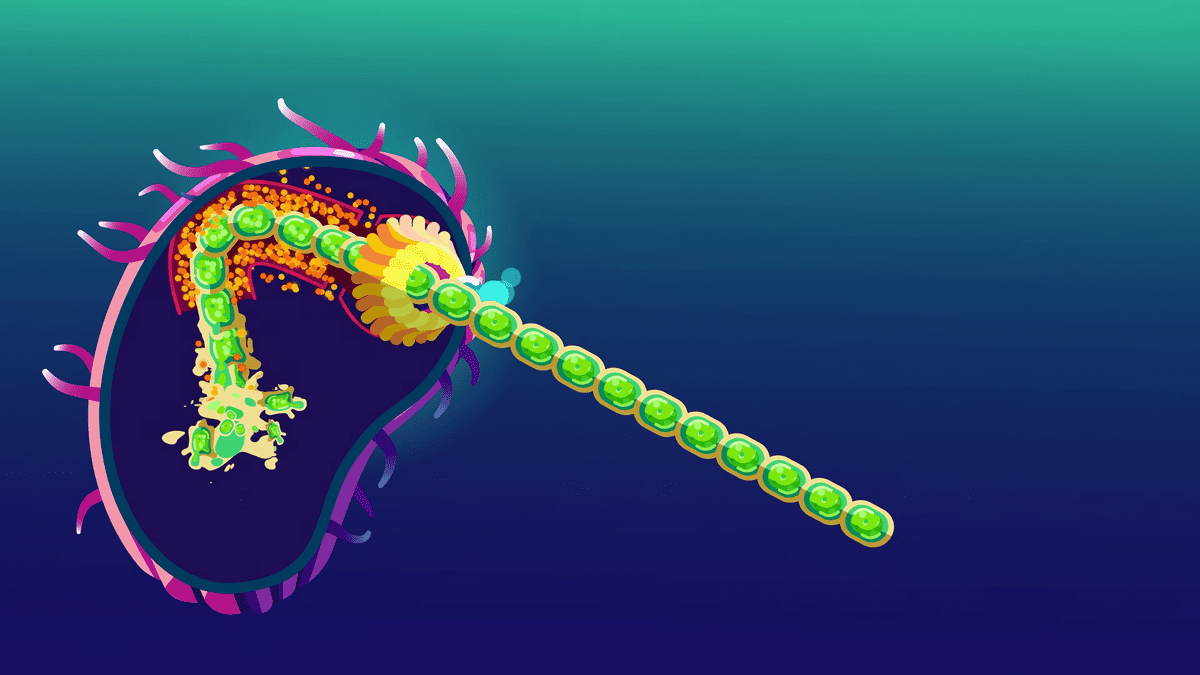
Apparently, the prey can also resist by shedding cells.
Next, Kurzgesagt introduced Polykrikos kofoidii. It has the characteristic of four semi-independent individuals fusing together to function as one large cell, giving it the appearance of stacked macarons.
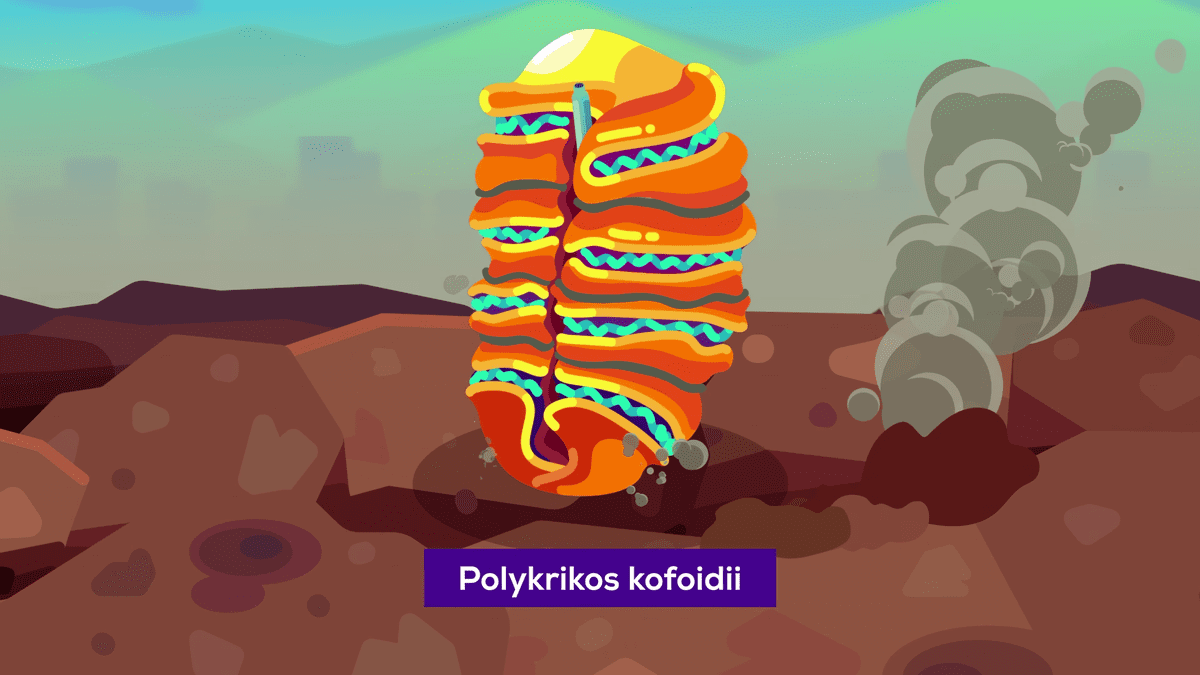
This creature is equipped with a double-barreled harpoon launcher. This weapon gives it combat capabilities far exceeding its own size, making it a formidable apex predator.
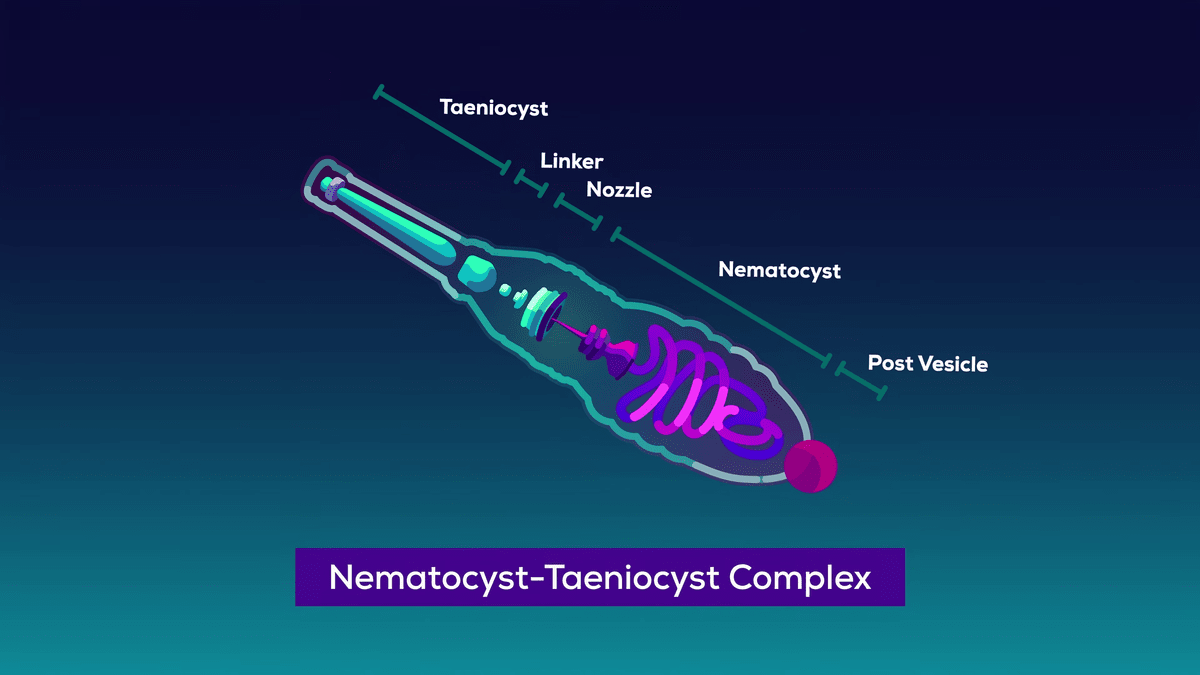
Polykrikos kofoidii approaches its prey in a manner similar to a shark, circling around it and gradually closing the distance. Then, it fires the top of its harpoon launcher at the target. The harpoon explodes upon impact, and the prey is covered in a mucus film.
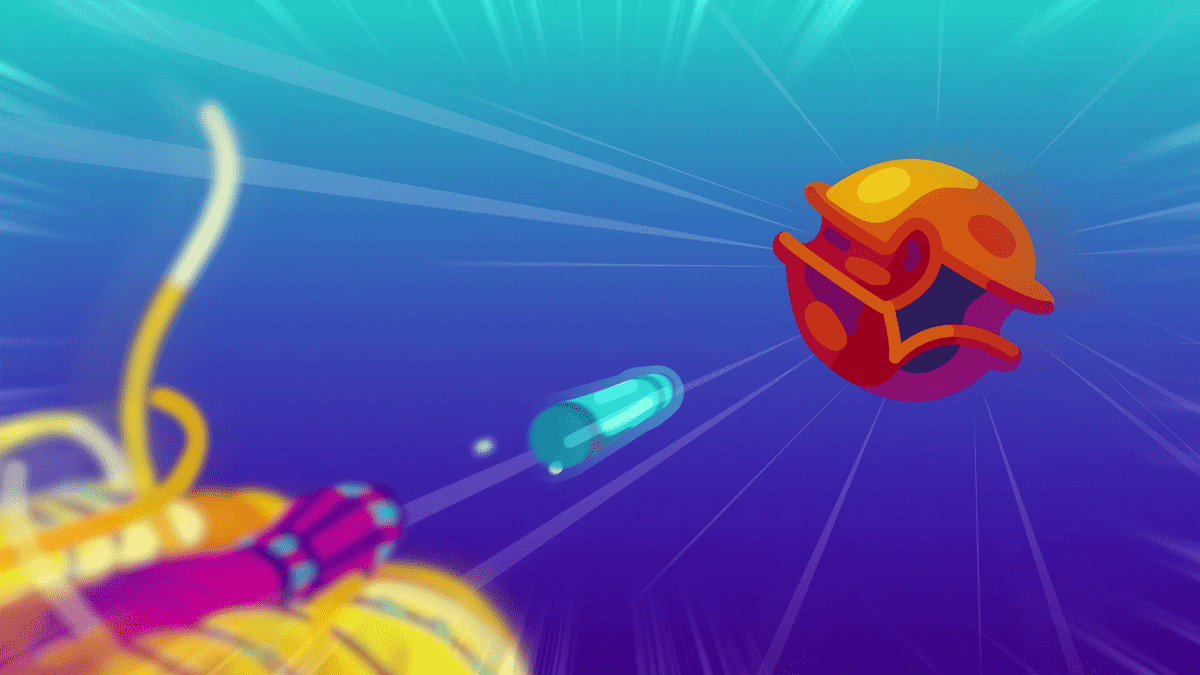
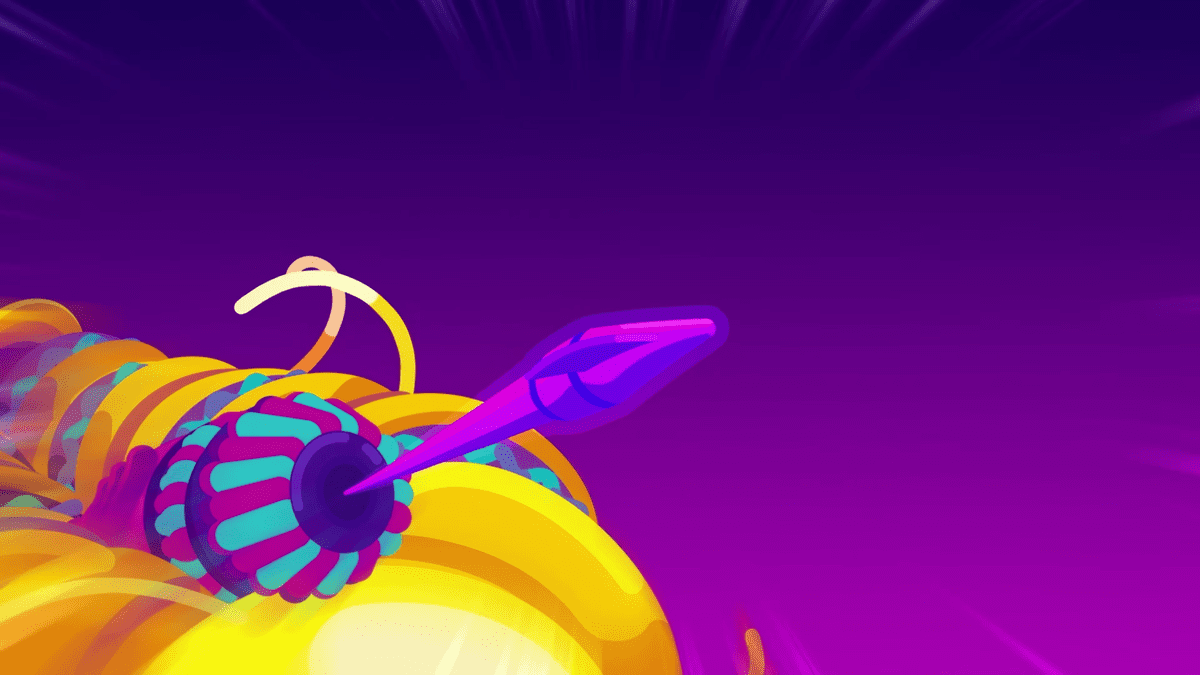
Immediately afterward, the second stage is launched. A long harpoon with a sharp tip shoots out, quickly closing the distance and piercing deeply into the prey's cells, securing itself firmly.
Eventually, the harpoon is slowly wound up and drawn into the mouth of Polykrikos kofoidii. The trapped prey is then doused in a large amount of acid and dissolved while still alive.
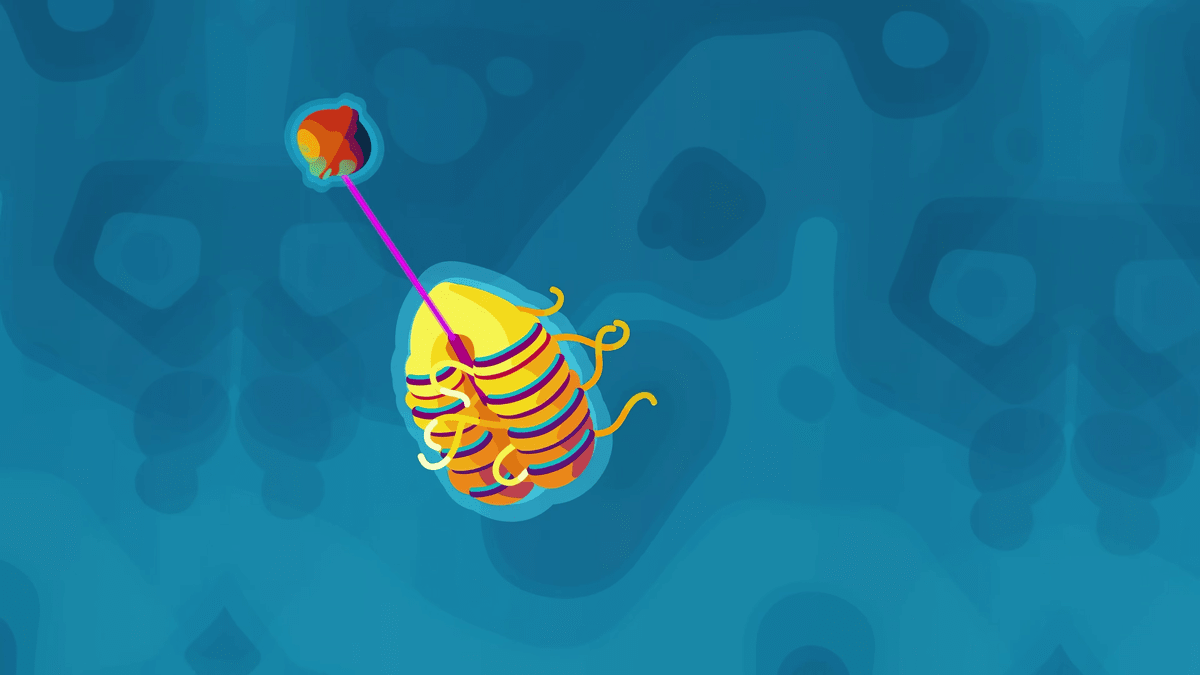
Although they have a terrifying life cycle, they are beneficial to humans because they prey on plankton that cause red tides.

Kurzgesagt concluded by saying, 'Remember this the next time you go swimming: so much is happening in just a single drop of water.'
Related Posts: