A psychologist explains why 40% of people worldwide are 'turning a blind eye to the news.'

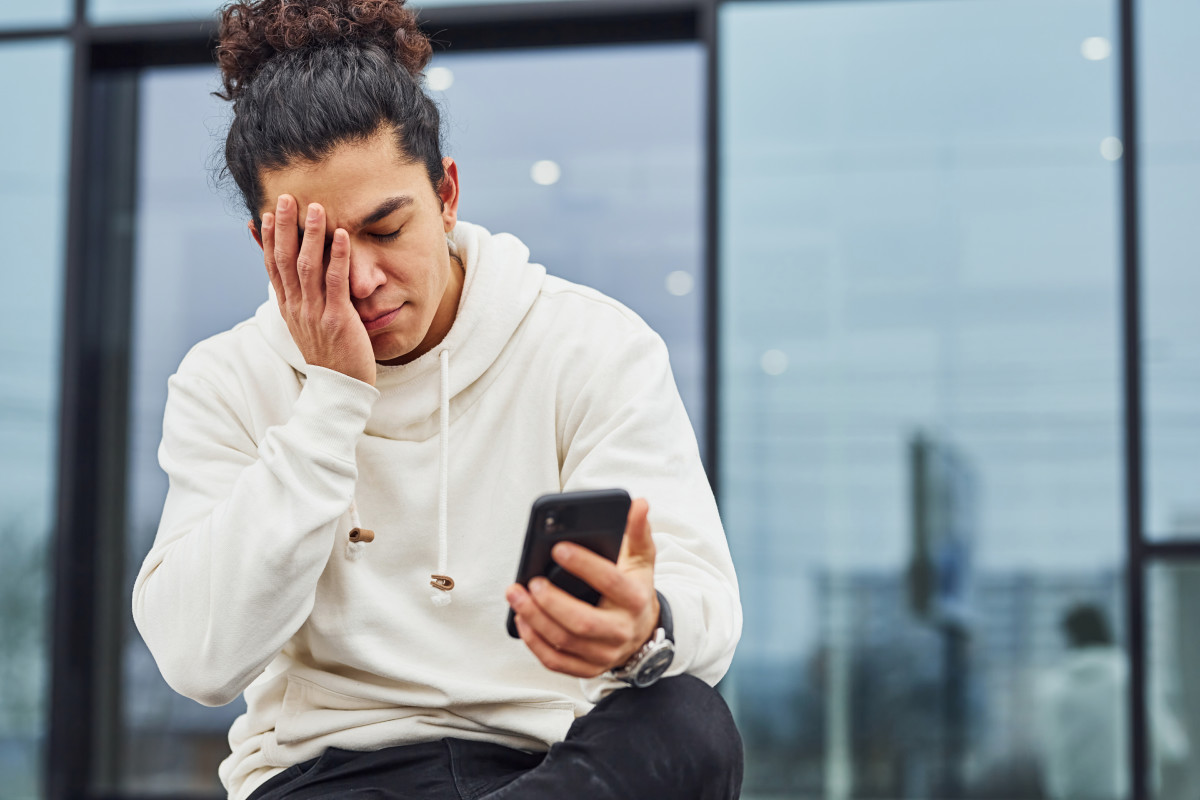
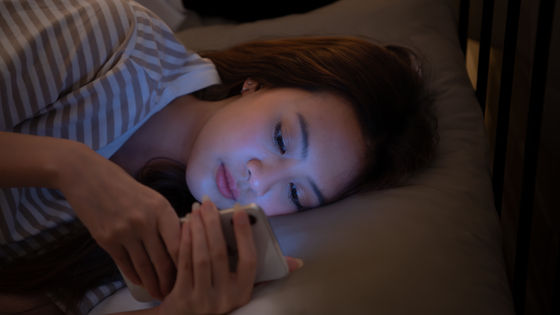
Many people have likely experienced feeling disheartened early in the morning after waking up, checking social media on their smartphones, and being bombarded with news about various incidents, disasters, and political issues that occurred between yesterday and this morning. Because of such experiences, some may even try to avoid watching the news altogether.
Why 40 per cent of people are avoiding the news, according to a psychologist
https://theconversation.com/why-40-per-cent-of-people-are-avoiding-the-news-according-to-a-psychologist-282023
A 2025 Digital News Report by the Reuters Institute for the Study of Journalism, a UK- based research institute and think tank, found that approximately 40% of people worldwide sometimes or frequently avoid the news. Reasons cited for avoiding the news included feeling unwell, overwhelmed, and unable to act.
Jasemi, who studies social development and psychological well-being, points out that the 'news fatigue' these people are experiencing is not due to laziness, weakness, or a decline in civic consciousness. 'This is a predictable reaction when the human brain is faced with an environment it was not originally designed for,' she says.
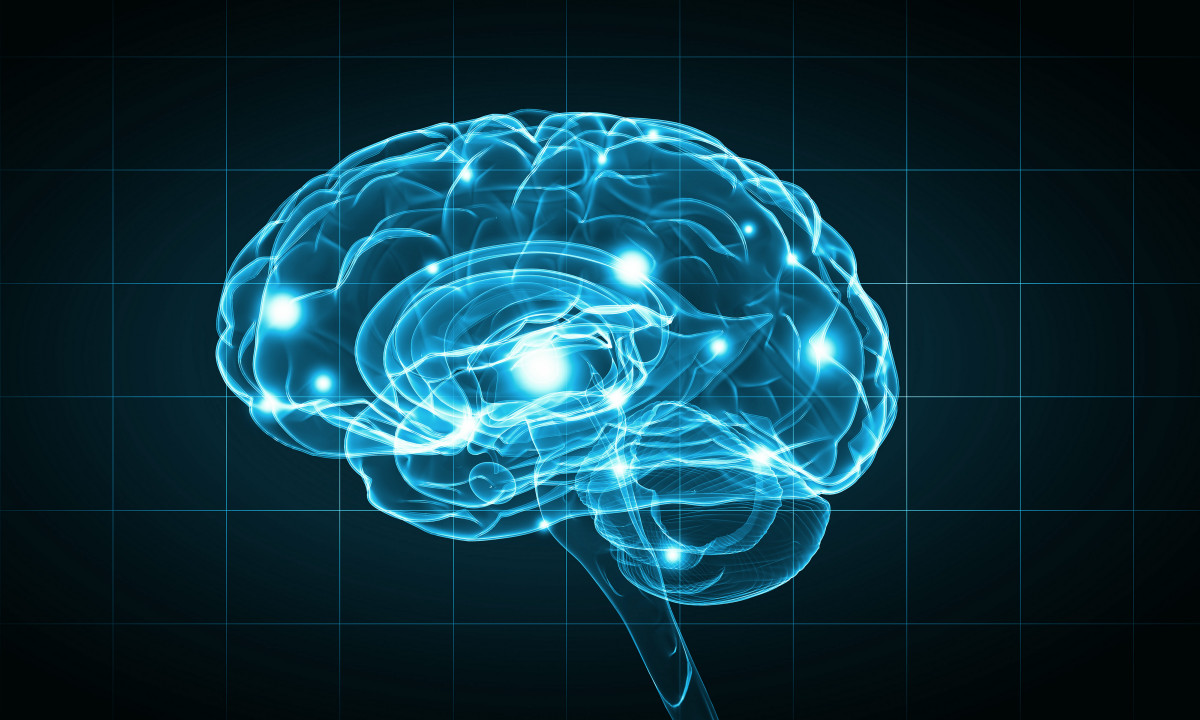
The human brain has been shaped by a single problem long before the advent of printing presses and smartphones: 'to survive long enough to leave behind offspring.' For example, a careful ancestor who would stop and observe what was in the bushes when they heard a sound was less likely to be attacked by predators and was able to leave behind more offspring than a careless ancestor who would quickly lose attention to the sound of the bushes. 'The brain that paid attention to threats was the brain that survived,' says Jasemi.
This response to threats forms the basis of what psychologists call '
For most of human history, the presence of a predator nearby was more important than the beauty of a sunset. Missing a 'real threat' such as a predator or other external enemy could be fatal, while being overly vigilant and nothing happening at best only resulted in wasted minutes of vigilance. This asymmetry made negativity bias more adaptive.
Jasemi states, 'The problem lies here. The human brain hasn't changed since then, and we are the same species as we were thousands of years ago. What has changed is the scale of the world that our brains have to scan to detect threats.'
For most of human history, the threats the brain had to process were those concerning the region in which they lived. For example, the activities of neighboring tribes, droughts, or illnesses affecting children close to home. Information about distant places rarely reached them, and even when it did, it was mostly irrelevant. However, in today's highly connected world, powered by the internet and technology, the situation is different.
By 2026, we will need to use the same brainpower we've used to respond to immediate threats to our surroundings to react quickly to news about conflicts and financial crises in distant regions, weather disasters on other continents, and violent crimes occurring in neighboring prefectures dozens of kilometers away.
Some researchers have proposed a clinical framework called ' Problematic News Consumption (PNC) ' to explain the phenomena that occur in such situations. This refers to patterns that cause excessive immersion in news, dysfunction, and disruption of daily life. A 2022 study found that 17% of American adults fit the description of PNC, with 61% reporting a significant decline in health, compared to only 6% in the non-PNC group.
For minority groups, news fatigue has an even more serious impact. Jasemi says, 'Even if you are not the direct target, repeatedly witnessing harm directed at your group can have a significant psychological effect on people. The cognitive burden is even greater for racial minorities such as immigrants, and it becomes far more difficult to simply choose to stop watching the news if it concerns their country of origin.'

The first thing that comes to mind as a countermeasure against news fatigue is 'avoiding the news,' but Jasemi states that 'democracy is built on informed citizens,' and does not recommend simply avoiding the news. Furthermore, if you distance yourself from accurate and reliable information, you become more susceptible to exaggerated misinformation from unreliable sources. The human brain tends to focus on bad news, and is more likely to notice misinformation that grabs attention with negative lies.
Jasemi recommends 'managing the amount and source of news consumption' as a countermeasure. For example, limiting the time spent watching the news to specific times of the day, or reading long articles from reliable newspapers and publishers instead of news accounts on social media, can reduce the feeling of being overwhelmed by information overload. Also, recognizing what you can do about the news you read can help reduce psychological distress.
What we should be wary of are provocative messages and content that incite anger. This content aims to increase engagement on social media by provoking negative reactions.
Social media and the media use 'negative information' to attract people's attention; how can you regain your own attention? - GIGAZINE
Jasemi stated, 'By recognizing that some content creators have provocative intentions rather than reflecting reality, we can maintain a healthy distance from the news. This won't lessen the oppressive nature of the news, but it will allow us to be more conscious of how we engage with it. Our brains aren't built to handle this much information input, but they are designed to learn to adapt.'
Related Posts:

in Free Member, Science, Posted by log1h_ik