NVIDIA has unveiled a fully liquid-cooled system that uses 'cooling fluid hotter than a bath,' claiming it can reduce power consumption and water usage by up to 100%.
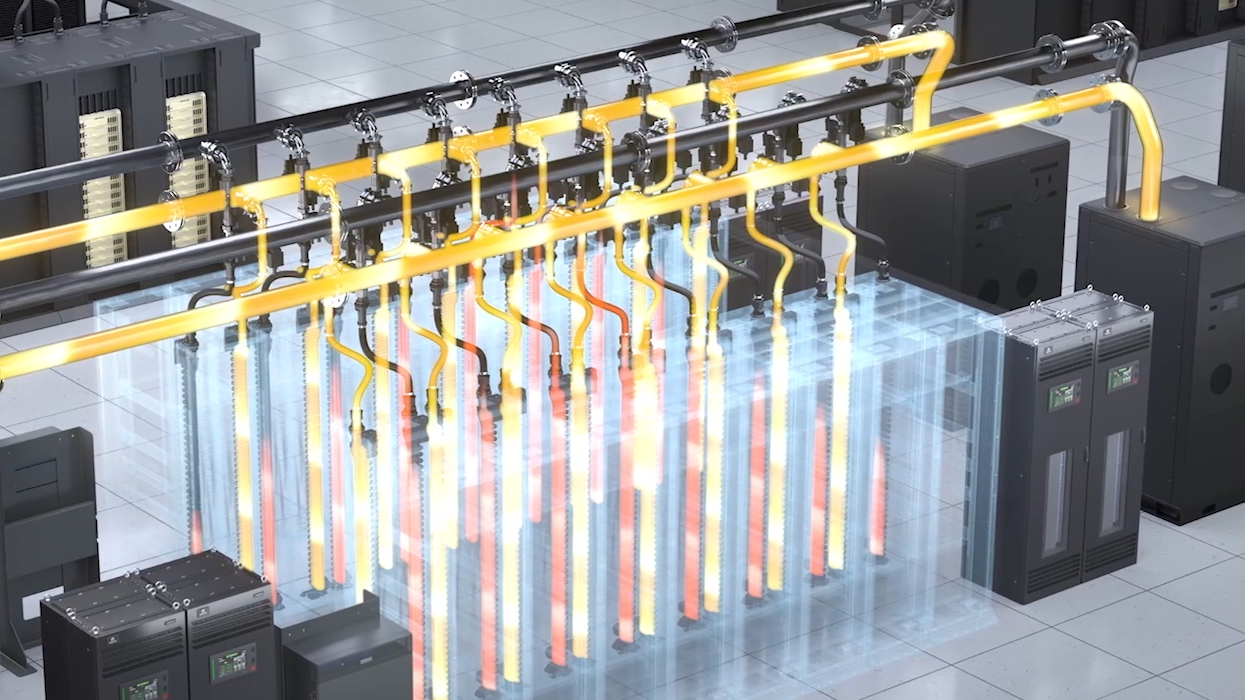
NVIDIA has announced a fully liquid cooling system for its AI servers that circulates a coolant at 45°C. For its
Hotter Than a Hot Tub: The 45°C Breakthrough to Cool AI's Biggest Machines | NVIDIA Blog
https://blogs.nvidia.com/blog/liquid-cooling-ai-factories/
Nvidia announces liquid cooling system that runs 'hotter than a hot tub' — promises to reduce electricity consumption and cut water use by up to 100%, but sustainability challenges remain | Tom's Hardware
https://www.tomshardware.com/tech-industry/data-centers/nvidia-announces-liquid-cooling-system-that-runs-hotter-than-a-hot-tub-promises-to-reduce-electricity-consumption-and-cut-water-use-by-up-to-100-percent-but-sustainability-challenges-remain
As GPU performance increases, heat generation becomes a problem, and in recent years, 'liquid cooling' systems, which use a coolant instead of air cooling, have been attracting attention as a cooling system for data centers. For example, Microsoft is developing a system that cools servers by submerging them in a 'liquid that boils at low temperatures.'
Microsoft's data center cools servers by submerging them in boiling liquid - GIGAZINE

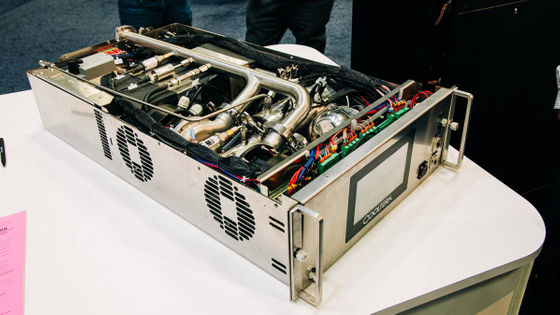
The new method announced by NVIDIA is a fully liquid cooling system in which a coolant consisting of 75% water and 25% propylene glycol flows through a cold plate directly attached to the processor.
In conventional data centers, cooling equipment alone can account for up to 40% of power consumption, as large amounts of cold air are used to remove the heat generated by servers. NVIDIA's fully liquid cooling system is designed so that the coolant enters the server at 45°C, absorbs the heat, and exits at approximately 55°C, maintaining server performance. Because the coolant temperature is high, in areas where conditions are suitable, heat can be dissipated by outdoor dry coolers, reducing the operation of power-intensive chillers.

According to NVIDIA, it is estimated that raising the chiller temperature by 1°C can reduce energy costs for cooling by approximately 4%, and they state that high-temperature liquid cooling can be a means of reducing the overall power consumption of data centers.
In particular, this method, in areas where conditions such as ambient temperature are suitable, may allow heat to be released to the outside using only an outdoor dry cooler, potentially eliminating the need to operate mechanical chillers. NVIDIA claims that this can reduce the amount of water required to cool a facility by up to 100% compared to the common method that uses cooling towers.
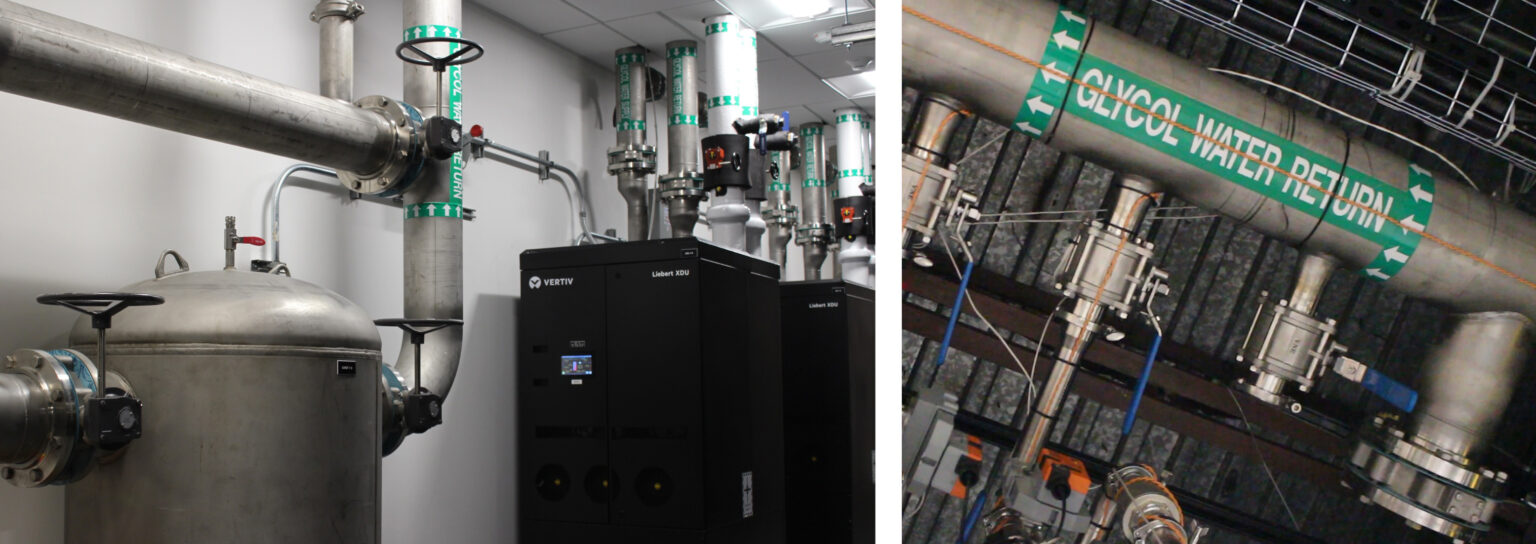
On the other hand, the effectiveness of a fully liquid-cooled system depends on the climate of the location. While chiller operation may be necessary in hot regions or during periods when outside temperatures exceed 45°C, limiting the operating hours throughout the year is expected to lead to a reduction in resource consumption.
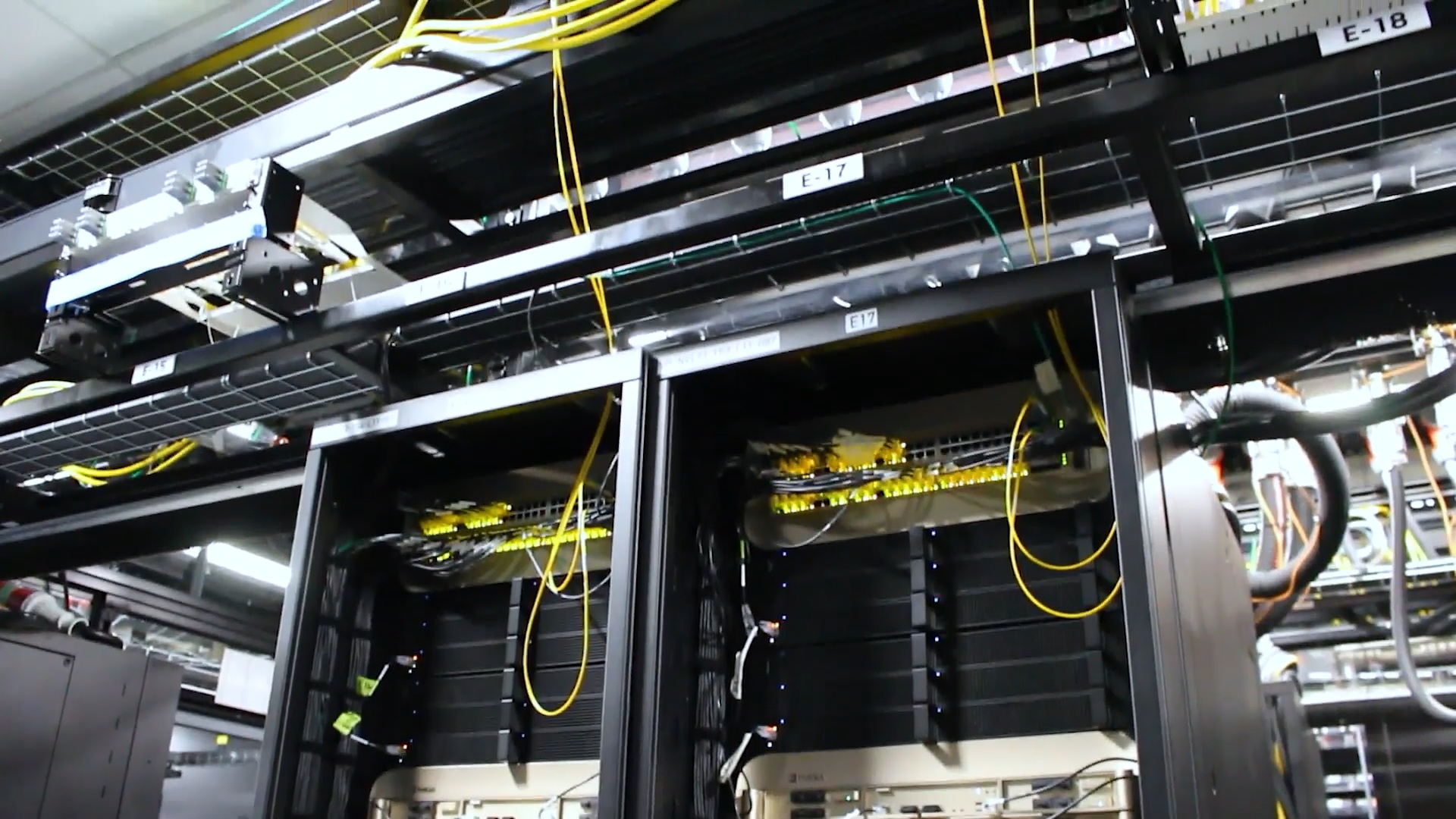
In a fully liquid-cooled system, components that previously relied on air cooling now need to be cooled with liquid, so NVIDIA is also rethinking the cooling structure inside the server. In some cases, configurations that previously required 6U in air-cooled servers can now fit into 2U, which is expected to reduce not only costs but also density, space saving, and noise.
Furthermore, the possibility of reusing the waste heat from data centers to heat nearby commercial facilities and homes has also been suggested. However, NVIDIA stated that the large amount of electricity required by the GPU servers themselves, and the environmental impact associated with supplying that electricity, remain as separate challenges.
Related Posts:






in Hardware, Posted by log1i_yk