The history of 'dice' used by humankind
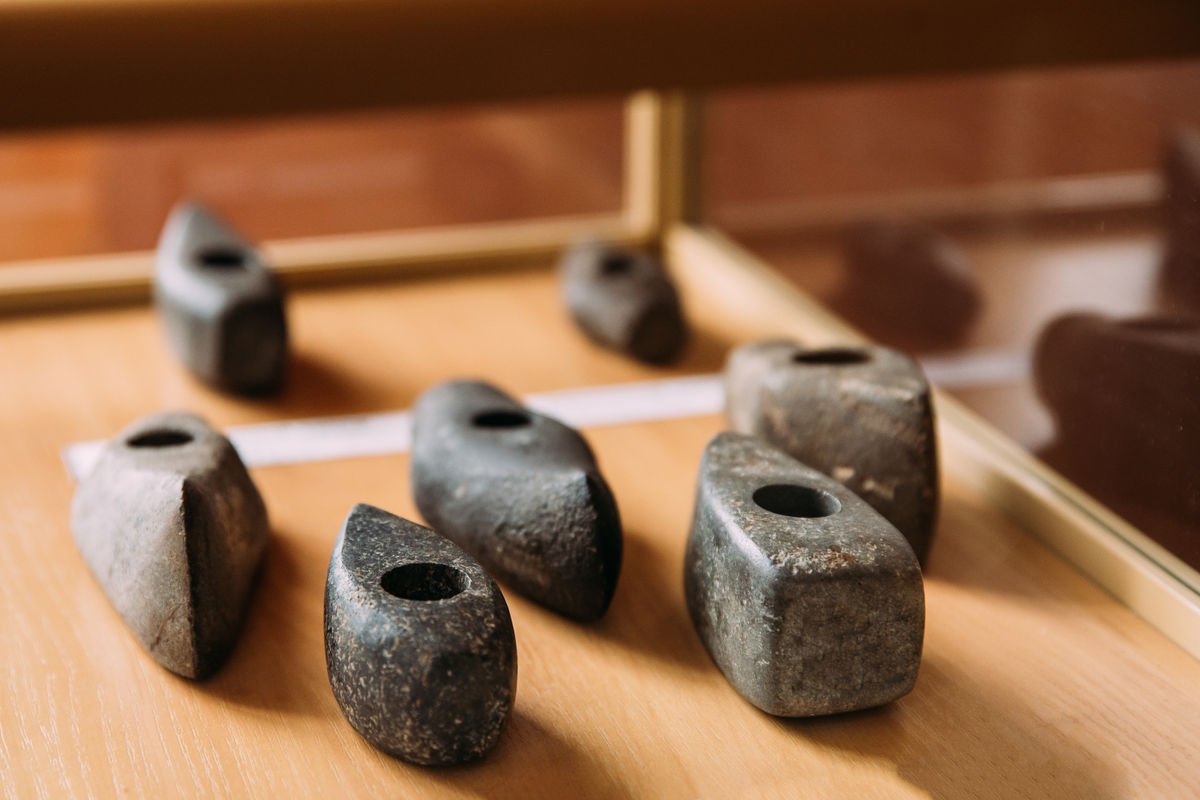
The history of dice, which humankind has used for 'play,' is surprisingly old, with archaeological discoveries showing dice dating back 12,000 years. Alice Politopoulos, who teaches archaeology at Leiden University in the Netherlands, explains the history of dice.
Archaeologists have discovered 12,000-year-old dice – here's what they reveal about the history of play
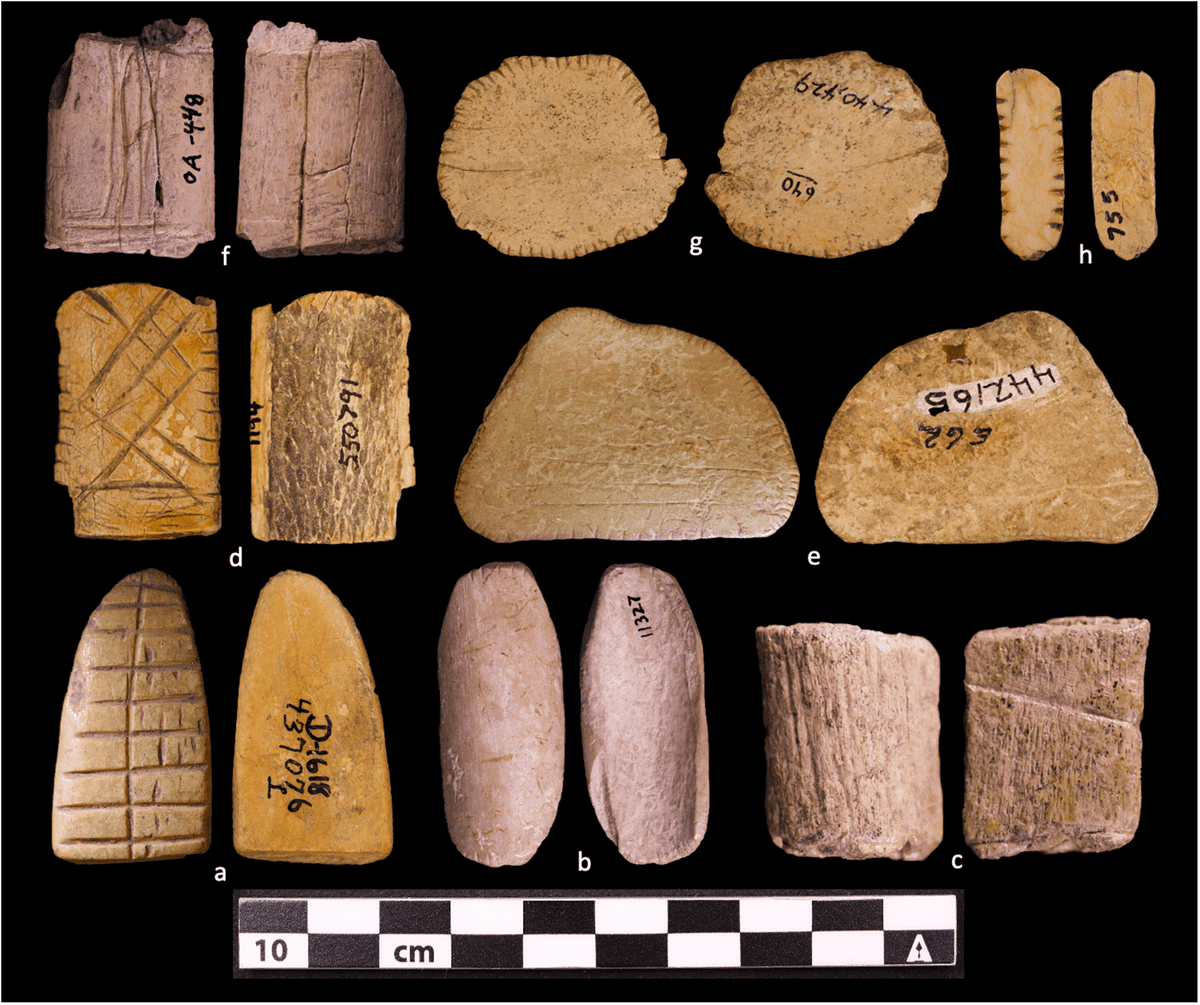
A paper published in April 2026 showed that some of the 565 dice discovered at archaeological sites across North America, including Wyoming, Colorado, and New Mexico, date back 12,000 years.
Research suggests humans created the 'world's oldest dice' over 12,000 years ago - GIGAZINE

Some of these dice bear little resemblance to the six-sided dice used today; they are flat, pebble-like objects with markings on only one side. It is believed that these dice were used in a similar way to modern coin tosses.
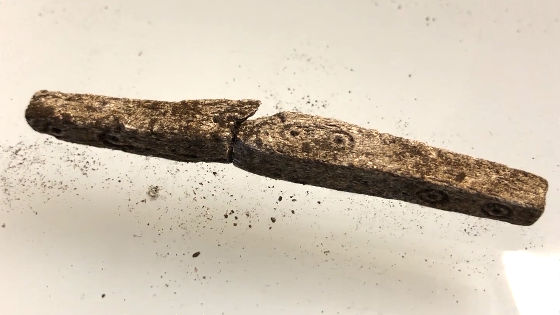
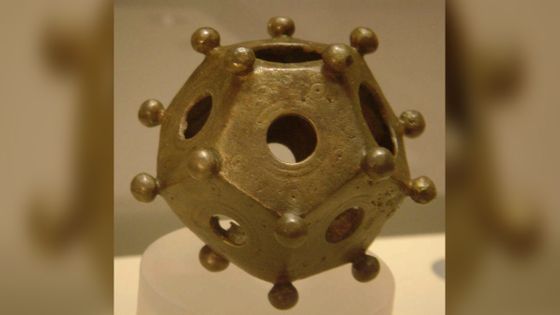
From ancient Roman ruins, game pieces and dice believed to have been used in games have been found. These dice were elongated, about 6 cm long.
In the field of archaeology, many artifacts related to rituals and dietary habits have been discovered, but not much is known about 'play.' Even when play requires tools, simple games like board games leave little evidence. What ethnographic research, rather than archaeology, has revealed is that people enjoyed board games in ways that are almost undetectable to archaeologists. People created game boards by digging holes or drawing lines in the ground, and used stones, seeds, seashells, and even dried animal dung as game pieces.
Even today, bottle caps, empty cans, string, sticks, stones, and various other small objects are used for play all over the world, but it is difficult to clearly identify these as 'play equipment.' Therefore, Politopulos points out that for archaeologists who study 'play,' dice that can be clearly identified as play equipment are a special discovery.

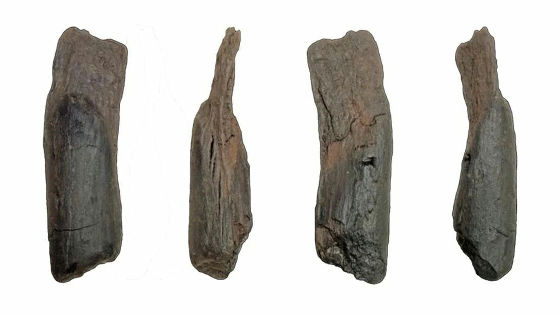
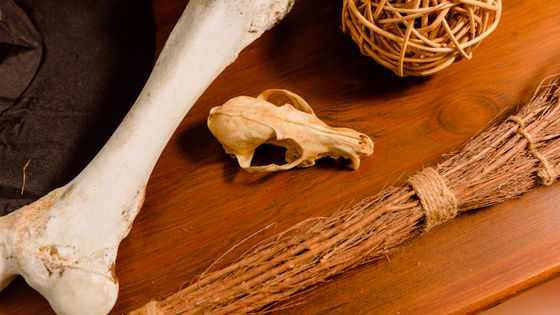
Archaeologists have discovered dice quite frequently. Their forms are incredibly diverse, with one of the most famous examples being the talus, the ankle bone of ungulate animals such as sheep and goats. In the ' Game of Ur, ' one of the oldest games in human history, a talus was found in a drawer of the game box, indicating that such dice were used.
People made dice from materials other than bone, such as stone, glass, metal, and ivory. Ivory dice were found in the tomb of King Tutankhamun in Egypt, along with a game. Politopulos explains, 'This suggests that people began making artificial objects like dice only after they were already using natural materials suitable for the same purpose.'
Politopulos continued, 'The dice found all over the world demonstrate the timeless and captivating beauty of play. The next time you roll the dice, remember that you are sharing the feeling of play with others. It is a feeling that people 12,000 years ago also experienced.'
Related Posts:


in Science, Posted by log1p_kr