Free-roaming cats are infected with far more pathogens than their owners realize. How can you prevent your cat from bringing disease into your home?
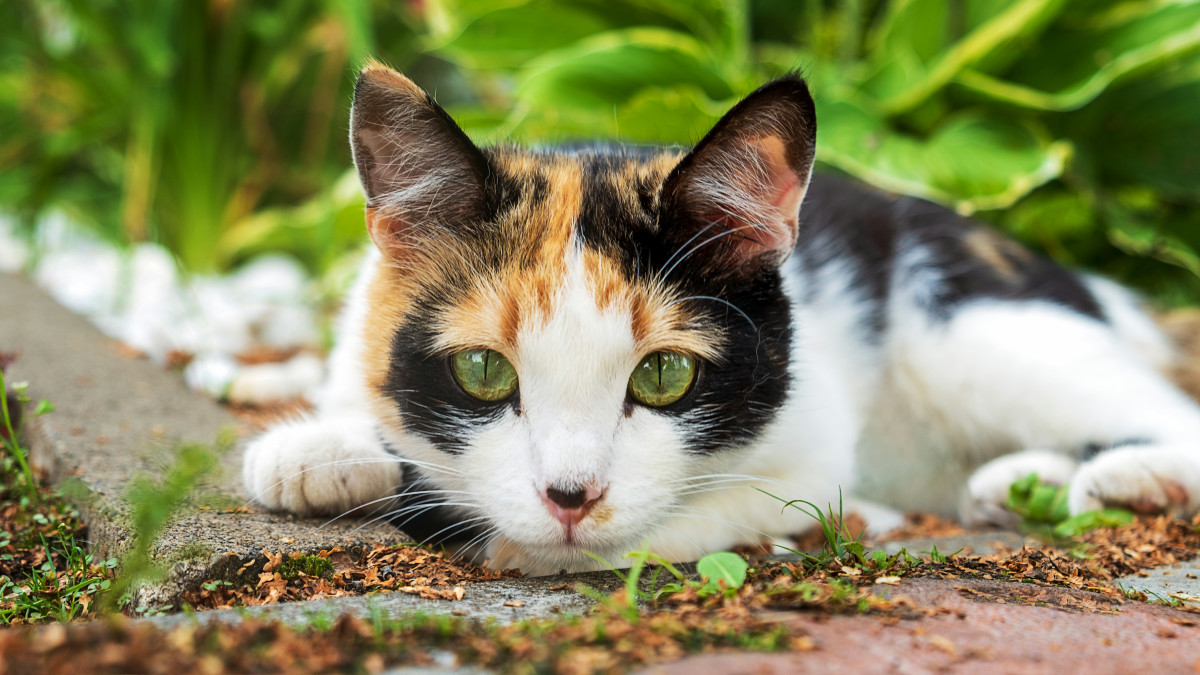
Pets are like family to many owners, but cats that are allowed to roam freely outdoors can bring undesirable pathogens into the home. A research team led by
Outdoor roaming of owned cats elevates risk of zoonotic pathogen exposure: A global synthesis | PLOS Pathogens
https://journals.plos.org/plospathogens/article?id=10.1371/journal.ppat.1014160
How you can stop your cat from bringing home unwelcome pathogens
https://theconversation.com/how-you-can-stop-your-cat-from-bringing-home-unwelcome-pathogens-281860
Zoonotic diseases are diseases that can be transmitted from animals to humans or from humans to animals, and they are attracting attention as a potential source of new infectious diseases for humans. Compared to wild animals that rarely come into contact with humans, pets and livestock that come into daily contact with humans are a strong candidate for transmission of zoonotic diseases.
Therefore, Wilson and his research team investigated the ability of 'free-roaming cats,' which are regularly exposed to the outdoor environment and interact with humans, to spread zoonotic diseases. They collected data from more than 400 studies and analyzed the impact of a cat's lifestyle (indoor, free-roaming, or stray) on its potential to carry pathogens that can infect humans.
Analysis revealed that nearly 100 pathogens detected in cats are known to cause zoonotic diseases. Well-known examples include rabies virus , toxoplasmosis , feline roundworm , and salmonella .
Furthermore, it was found that free-roaming cats that can roam freely outdoors are 3 to 5 times more likely to carry zoonotic pathogens than indoor cats. Although the variety of pathogens was less than that of stray cats, the 'proportion of cats carrying at least one type of zoonotic pathogen' was the same as that of stray cats.
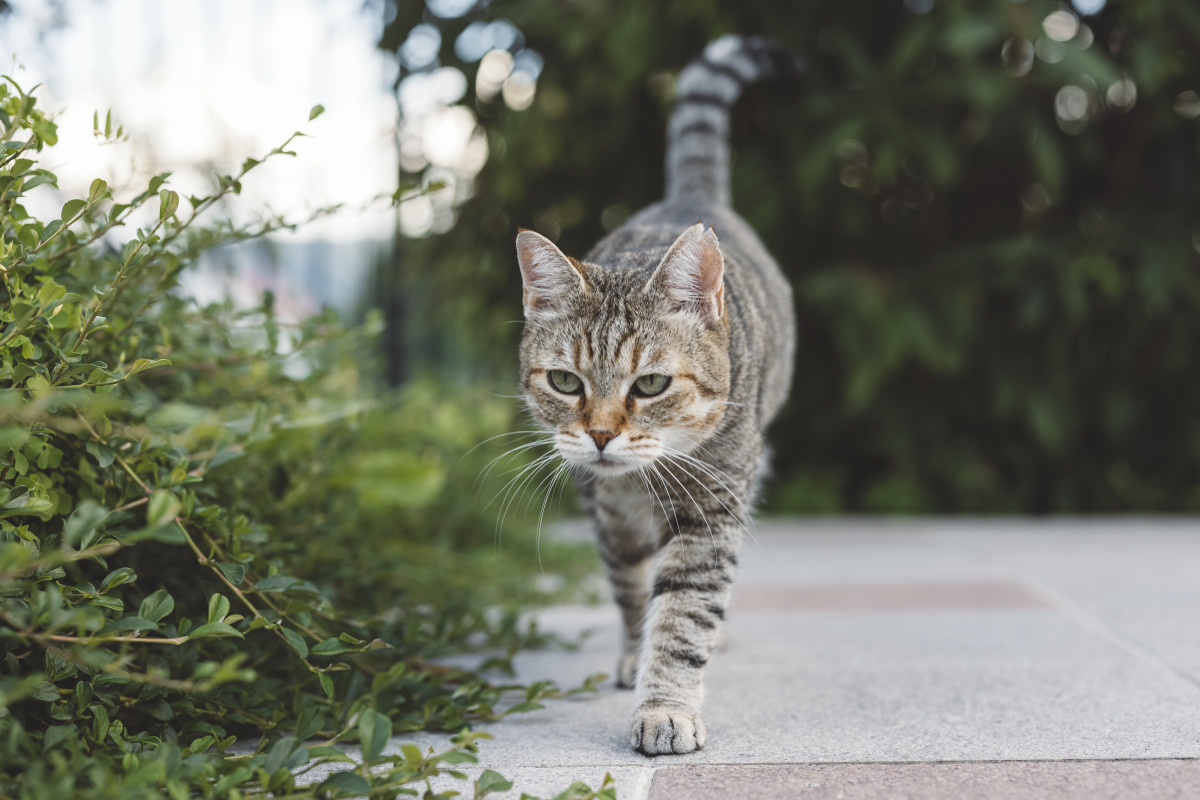
Free-roaming cats are at high risk of carrying zoonotic pathogens because they come into daily contact with humans, wild animals, and other pets. In this study, which covered a total of 88 countries, approximately 60% of pet cats moved between indoors and outdoors without human supervision, and in some regions, this figure exceeded 90%.
Wilson and colleagues state, 'Stray cats hunt, interact with wild animals and other livestock, and travel through environments contaminated with pathogens and toxins. Research suggests that owners may underestimate the frequency of their cats' hunting by as much as 80%, meaning that many prey catches and animal contacts are likely being overlooked.'
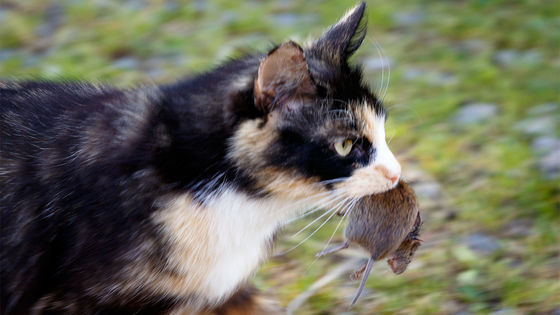
Cats hunt animals that may carry pathogens that can be transmitted between humans and animals, such as rodents, birds, and bats. While most of these animals usually have little to no contact with humans, there is a risk that free-roaming cats may become infected with pathogens from these animals or, at times, bring home carcasses that carry pathogens. In the past, there have been reports of cats bringing home bats infected with the rabies virus.
It's not just pet owners who are at risk; free-roaming cats can also contaminate the environment with pathogens by defecating in yards, parks, and other public spaces. Cat feces can contain hundreds of thousands to hundreds of thousands of parasite eggs, which can survive in the soil for months to years and infect other animals and humans who come into contact with them.
Interactions between cats and wild animals are not uncommon, and some studies suggest that free-roaming cats kill as many as 30 billion wild animals annually in North America alone. In Australia, cats are also considered a threat to ecosystems, and it has been pointed out that rare species are at risk of extinction .
Outdoor cats kill 30 billion wild animals annually in North America alone; experts urge people to 'keep cats indoors' - GIGAZINE
Wilson and his colleagues also explain ways pet owners can prevent the spread of pathogens by cats. The first is to 'prevent cats from roaming outdoors unsupervised,' which includes not only keeping cats indoors but also creating enclosed play areas ( catios ) in the yard or other areas for them to play in, or taking them for walks on a leash just like dogs.
The second point is to 'ensure your pet receives proper veterinary care.' Treatment for existing parasitic infections and vaccination against diseases like rabies are important, even for indoor cats. However, since antiparasitic drugs and vaccines alone cannot cover all zoonotic pathogens, reducing the overall risk of infection is a more comprehensive preventative measure.
Wilson and his colleagues argued, 'The debate surrounding free-roaming cats is often framed as a flawed either/or dilemma: 'let cats roam freely' or 'deprive cats of their natural life.' However, this perspective is misleading and contradicts how other pets are kept. No one believes that dogs need access to roads, neighbors' yards, or the ability to hunt wild animals to be happy. Indoor cats and cats that are allowed outdoors under supervision can also live healthy and fulfilling lives.'
Related Posts:


in Free Member, Science, Creature, Posted by log1h_ik