Waymo, the self-driving car company, has launched a plan to detect potholes in roads.
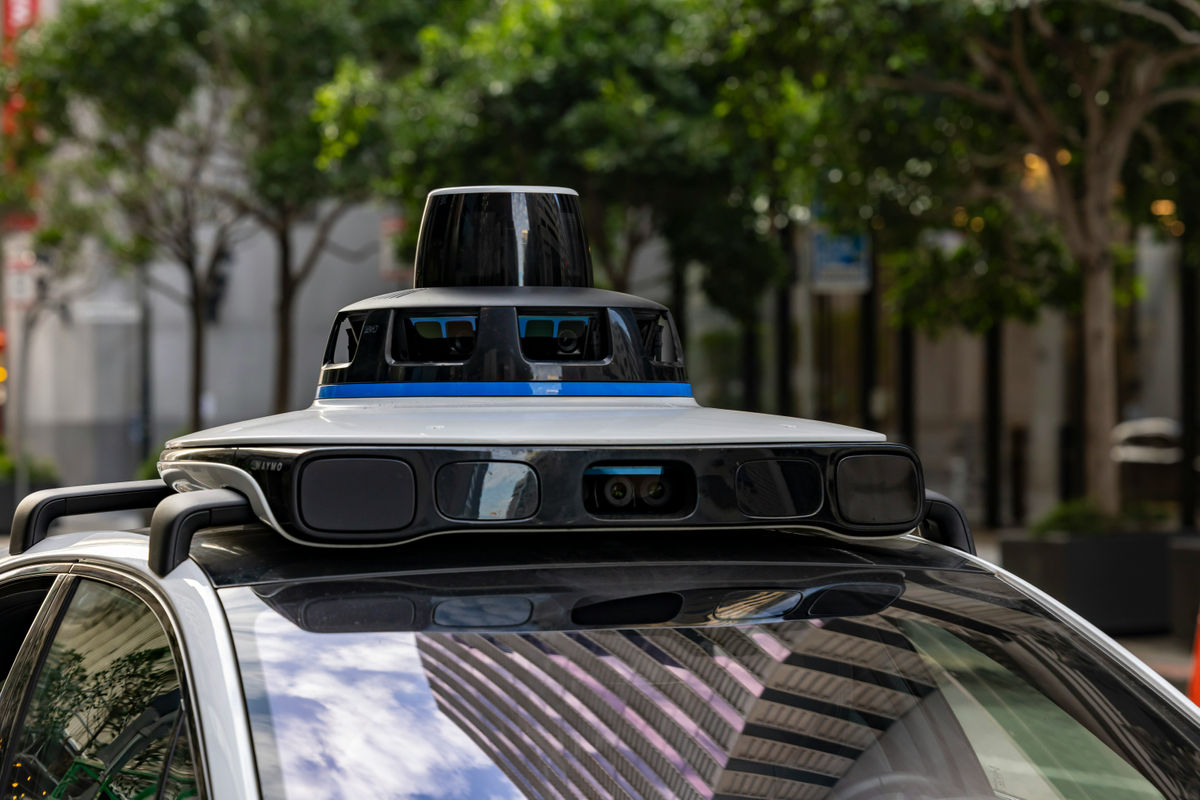
Waymo, which operates self-driving taxis and other services, has announced a partnership with navigation app Waze to build a system that detects potholes in roads and notifies the authorities.
Partnering with Waze to help cities patch their potholes
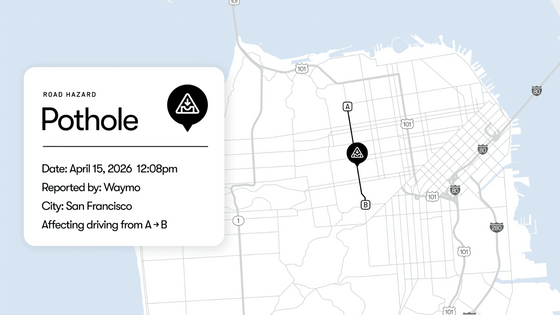
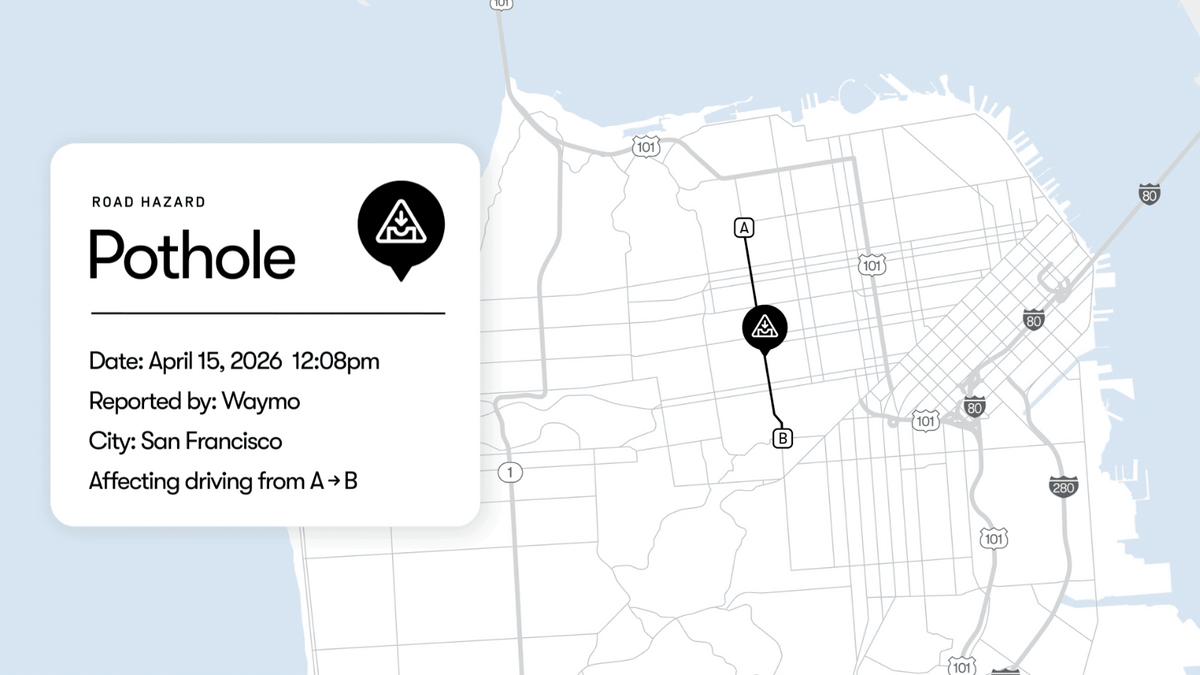
Waymo and Waze will identify potholes in San Francisco and elsewhere
Waymo is offering to help cities fix their potholes | The Verge
https://www.theverge.com/transportation/908886/waymo-potholes-cities-data-waze-robotaxi
Waze offers a service called 'Waze for Cities' that allows users to share information about dangerous areas and traffic conditions in real time. Waymo's newly announced system utilizes Waze for Cities to share information about potholes detected by autonomous vehicles. This information is sent to the transportation bureaus of each city, allowing authorities to effectively understand road conditions and proceed with repairs.
Waymo stated, 'Waze for Cities will display a warning when approaching a pothole, ensuring the safety of road users. As with other reporting features in Waze for Cities, users can verify the potholes identified by Waymo, improving the accuracy of the data. We have already identified approximately 500 potholes. We will gather feedback from each city and consider how we can provide more actionable data to the cities where we serve.'
San Jose Mayor Matt Mahan welcomed the initiative, acknowledging its potential to detect holes faster than human inspectors or cameras on city trucks.
Rachel Gordon, a spokesperson for the San Francisco Department of Public Works, California, sees Waymo's data as a potential tool for the department, viewing it as a complement to existing telephone notification systems and human workers. However, she pointed out concerns that Waymo's self-driving cars will primarily operate in urban areas and tourist spots, potentially neglecting suburban data. She stated that the challenge lies in the fact that 'city departments strive for geographical fairness, but private companies are not obligated to do so.'
On the other hand, some stakeholders are not happy with this initiative. Jeffrey Tamlin, former director of the San Francisco Transportation Authority, believes the trial run 'missed an opportunity to build meaningful collaborative relationships with public works officials responsible for road management.' Tamlin expressed his dissatisfaction with self-driving cars, stating, 'The city knows where the potholes are. The real problem is a lack of funds for road repairs. One reason for this is that self-driving cars are replacing private cars, and the city is losing revenue from parking fees.'
Ariel Fleischer, Policy Development and Research Manager at Waymo, said, 'Waymo contributes to improving road safety in the communities where we operate. We want to further enhance the safety of our services by working with organizations and local governments to help improve infrastructure that everyone relies on. Waymo's mission is to become the world's most trusted driver, and we are committed to being a trusted partner for the cities we serve.'
Related Posts:
in Vehicle, Posted by log1p_kr