Evidence has been found that surgical procedures using aconite poison as an anesthetic were performed in China 600 years ago.
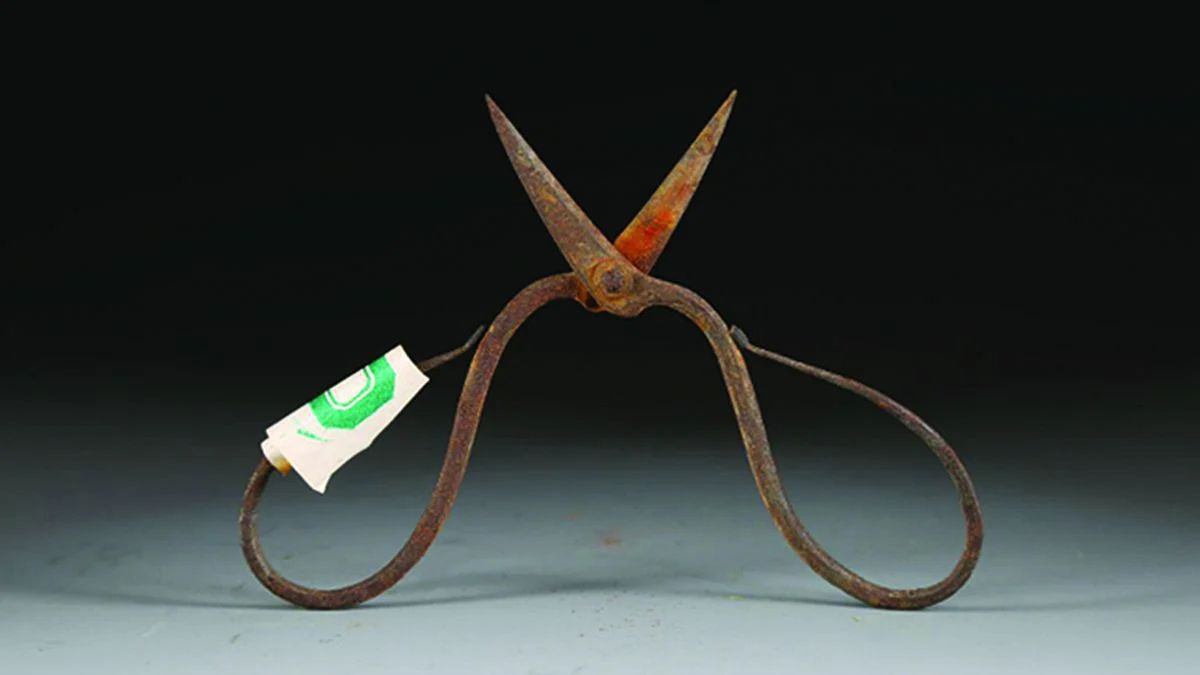
The world's first chemical evidence of a local anesthetic has been discovered in surgical instruments found in a
Ancient anesthetic reveals Ming China's sophisticated medicine
https://phys.org/news/2026-05-ancient-anesthetic-reveals-ming-china.html
Chinese medical practitioners used extremely toxic plant as a topical anesthetic 600 years ago, study finds | Live Science
https://www.livescience.com/archaeology/ancient-china/toxic-plant-on-ming-dynasty-era-surgical-tools-may-be-worlds-oldest-chemical-evidence-of-topical-anesthetic
Ming Dynasty Surgeons Used Poison as an Anesthetic, Ancient Tools Reveal : ScienceAlert
https://www.sciencealert.com/ming-dynasty-surgeons-used-poison-as-an-anesthetic-ancient-tools-reveal
In 1974, various surgical instruments were discovered as burial goods in the tomb of Xia Quan, a physician from the Ming Dynasty, in Jiangyin City. Xia Quan was a renowned physician who is believed to have lived from around 1348 to 1411. The surgical instruments found in the tomb contained residues that appeared to have been attached to the instruments during surgeries of that time, but the technology available at the time of discovery made it impossible to analyze the chemical composition of the residues.
Approximately 50 years after the excavation, archaeologists analyzed residues attached to iron scissors and tweezers unearthed from a doctor's tomb using a technique called stimulated Raman scattering microscopy imaging . In stimulated Raman scattering microscopy imaging, a laser beam is shone onto a sample to scatter photons within the sample, and the structural characteristics of the molecules contained in the sample are revealed by analyzing the scattering pattern.
Zhao Congcang, a member of the research team and professor of archaeology at Northwest University in China, stated, 'Stimulated Raman scattering microscopy imaging is an advanced optical technique that can be used to accurately identify the composition of materials and map their component distribution, effectively overcoming the major challenges in residue research, namely the need for minimal sample availability and preservation of archaeological materials.'
The following are the scissors and forceps analyzed in this study. These surgical instruments have gaps that are difficult to clean, making it highly likely that surgical residues remain in them.
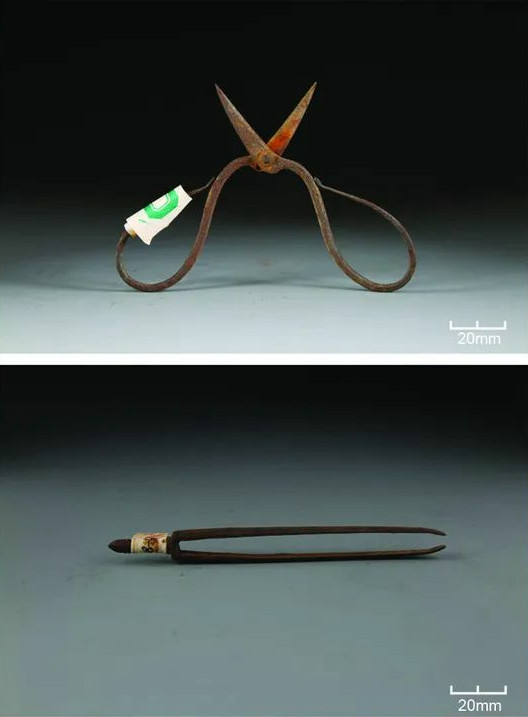
In fact, rust-colored residue can be found on the surface of scissors and tweezers.
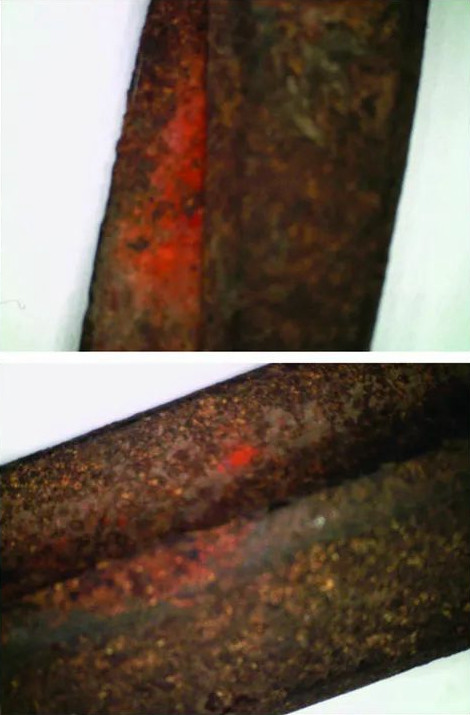
Analysis revealed that the particles collected from these surgical instruments were highly likely to be
The aconitine found on the surgical instruments is thought to have been extracted from Aconitum carmichaelii, a plant native to China. Medical texts from the Ming Dynasty describe methods to reduce the toxicity of aconitine, such as treating it with the urine of boys, boiling it in vinegar, or soaking it in a decoction of black beans . It is believed that aconitine processed in these ways was then powdered and applied to the skin to numb the affected area during surgery, and that this powder then adhered to the surgical instruments.

by H. Zell
Zhao stated, 'Considering this research in conjunction with records of anesthetic prescriptions found in medical texts from the Ming Dynasty, it confirms that aconite was used safely and accurately as a local anesthetic during surgical procedures. Ming Dynasty physicians used iron surgical instruments and controlled the toxicity of aconite through local application, compound formulations, and strict control procedures, demonstrating a practical ability to balance medicinal efficacy with patient safety.'
Related Posts:




in Science, Posted by log1h_ik