Why are there so many pitchers now throwing at speeds exceeding the previous world record of 160 km/h?

In baseball, a pitcher who can throw at 160 km/h was considered a 'monster that appears once every few years,' even in MLB around 2010, but nowadays it's not uncommon to see multiple such pitchers on a single team. Sports journalist Jun Lee and former MLB player
Why Everyone Throws 100 MPH Now - YouTube
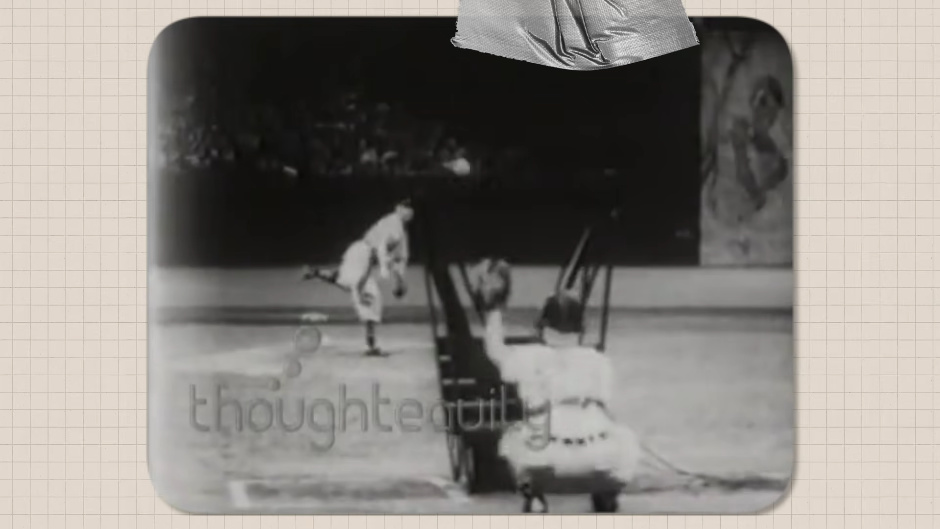
The first recorded pitcher's ball speed occurred on August 20, 1946. A U.S. Army device called a 'lumiline chronograph,' originally used to measure the speed of artillery shells, was brought to a baseball field in Washington, D.C. Bob Feller , a legendary pitcher who was inducted into the Baseball Hall of Fame, became the first MLB pitcher to have his pitching speed measured by radar. The fastest pitch recorded that day was 98.6 miles per hour (approximately 158 km/h), which was dubbed 'the fastest pitch in human history.'
Ottavino said, 'Measuring ball speed spread rapidly from that point. Nobody really understood how to improve the measurement results, but everyone wanted more speed.' Ottavino himself tried to throw faster by training his body through long throws and weight training.

However, Lee pointed out that in the baseball training industry, there was a prevailing belief that 'you can train up to 90 mph (approximately 145 km/h), you can teach up to 92 mph (148 km/h) if you're lucky, but you can't teach anything above 95 mph (153 km/h), so talent is what matters.' In fact, Ottavino was noticed as a first-round draft pick candidate when he could throw around 95 mph as a freshman in college, but he didn't improve much from there by his sophomore year, and he was seen as a lower-ranked candidate, probably in the third to fifth rounds.

Lee cited

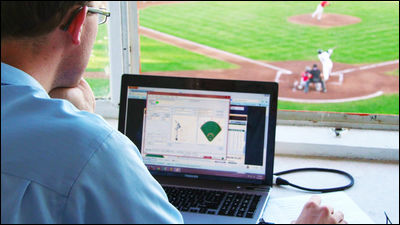
In the late 2000s and early 2010s, Bodie experimented with an approach that most professional teams had not yet adopted. At his training facility, called 'Driveline Baseball,' he used sensors and high-speed cameras to analyze the optimal pitching form through his unique biomechanics research. He discovered that throwing lighter and heavier balls instead of baseballs had a significant effect on increasing ball speed, and that increasing the number of pitches, given the right mechanics and sufficient recovery, did not lead to injury but rather strengthened the arm.

One of Bodie's first and most successful disciples is
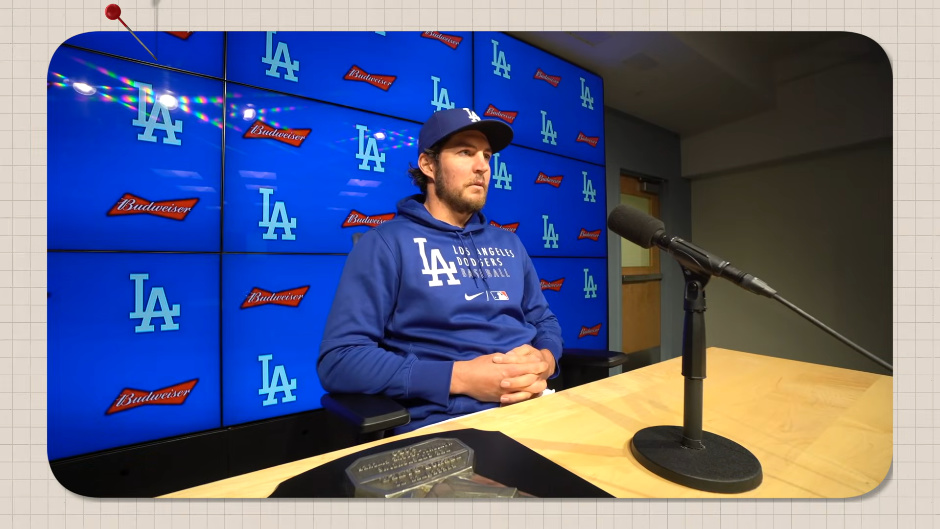
Lee cites three key changes as major reasons why Body and his colleagues revolutionized baseball. The first is the use of slow-motion cameras, which allow for extremely slow-motion filming of a pitcher's release motion when throwing the ball.

The second technique is motion capture, the same type of technology Hollywood uses for visual effects, which allows us to pinpoint when and in which direction forces are being released.
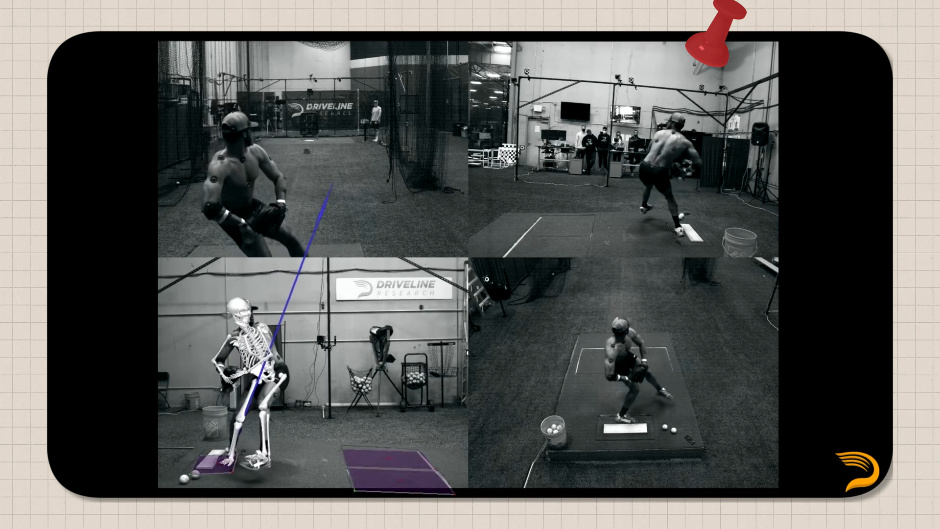
The third device is called a 'force plate,' which measures the force a person receives from the ground when they move. By embedding the force plate in the mound, it is possible to accurately measure how much force a pitcher is generating and in what way. According to Mr. Ottavino, he had been taught the common belief that 'to throw a fast ball, you need to push off the ground hard,' but measurements using the force plate revealed that 'pushing off the ground with the back pivot foot during the pitching motion is counterproductive to throwing a strong ball.' What is more important is to firmly stabilize the pivot foot and efficiently transfer force from the lower body to the upper body.

The new common sense that some training consultants were spreading took time to revolutionize professional training. Ottavino had been independently gathering information and incorporating it into his training, but one day he was called in by his team and reprimanded for 'undermining the authority of the coaching staff.'
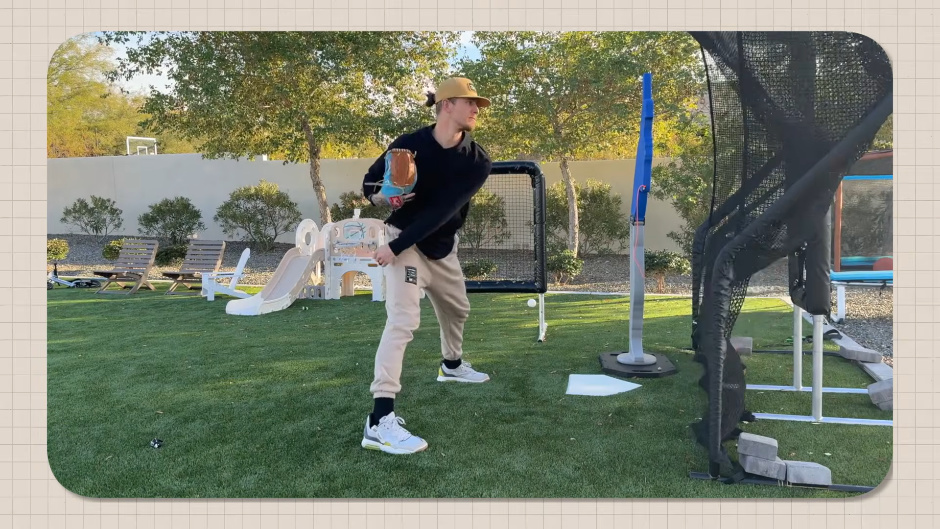
Lee points out that the reason the situation changed so drastically from that point onward is that 'baseball front offices, which were previously run solely by former players, are now increasingly run by people deeply involved in analysis.' Former players tend to value what they were taught and their own experiences, but as analysts and investors began to be hired, teams started to place more importance on data analysis, and other teams followed suit.
According to Mr. Ottavino, the revolution in pitching speed training has also changed draft trends. In the past, the idea was that 'pitching speed is a talent, and control and pitching technique can be taught later,' so players who could throw fastballs were often selected in the early rounds. However, now that the idea that pitching speed can be significantly increased through training has become widespread, teams are now drafting players who excel in pitching technique and have a variety of breaking balls.
While revolutionary training methods have established ways to increase pitching speed, Lee pointed out that there are also downsides, such as the fact that 'the evolution of data analysis has led to a shift in prioritization of 'individual numerical targets' like pitching speed and movement over 'winning as a team,' which has altered the quality and culture of baseball itself.'
Related Posts:






in Free Member, Video, Posted by log1e_dh