A man who went 10 years without being caught for counterfeiting a poorly made $1 bill – why did he target $1 bills instead of higher denominations?
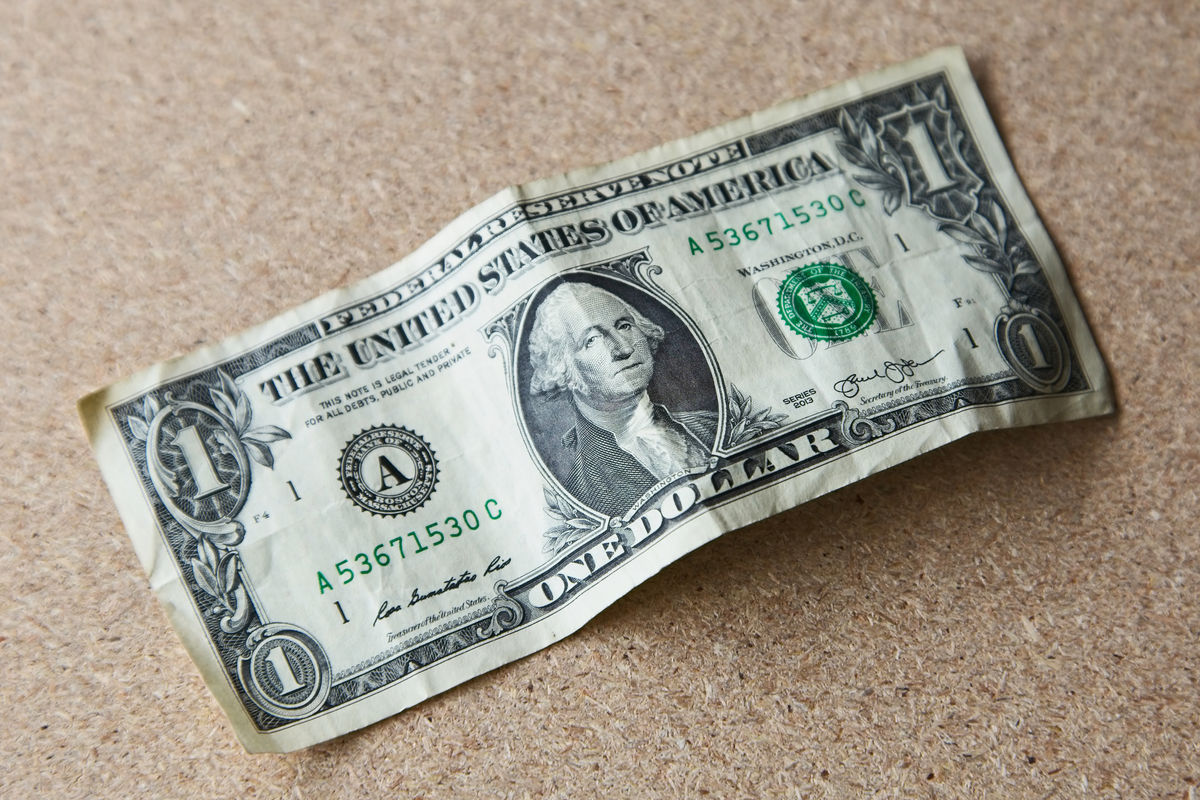
Amusing Planet, an English-language website that deals with 'topics that pique curiosity' such as history, culture, strange places, and little-known people, has published an article by its founder and editor, Kausik Patwari, about 'Emmerich Jüttner,' a man who continued to make shoddy counterfeit dollar bills.
Emerich Juettner: The One Dollar Counterfeiter | Amusing Planet

When we think of counterfeit money, we tend to imagine criminal organizations with sophisticated printing techniques or masters who can even fool bank tellers. However, Emmerich Jüttner was completely different. He was an elderly immigrant living alone in a dilapidated apartment in New York, and he was making counterfeit one-dollar bills in small quantities using a cheap, hand-operated printing press. Moreover, the quality of his counterfeit bills was terrible.
Nevertheless, Jüttner continued counterfeiting money for about 10 years, from around 1938 until his arrest in 1948. By the time of his arrest, he had become something of a celebrity and would later become widely known through the movie 'Mister 880,' named after the Secret Service case number '880.'
Jüttner was born in 1876 in the Austro-Hungarian Empire and later emigrated to the United States. In his youth, he worked as a craftsman applying gold leaf to picture frames, and after getting married, he worked as a building caretaker on the Upper East Side of New York. Because it was a live-in job, he and his family were able to live rent-free in the building's basement.
However, when his wife died in 1937, 60-year-old Jüttner was left alone. After that, he made a living by walking around town pulling a used handcart and collecting discarded items to sell. However, his income was unstable, and he was in a state where he barely had enough to eat.
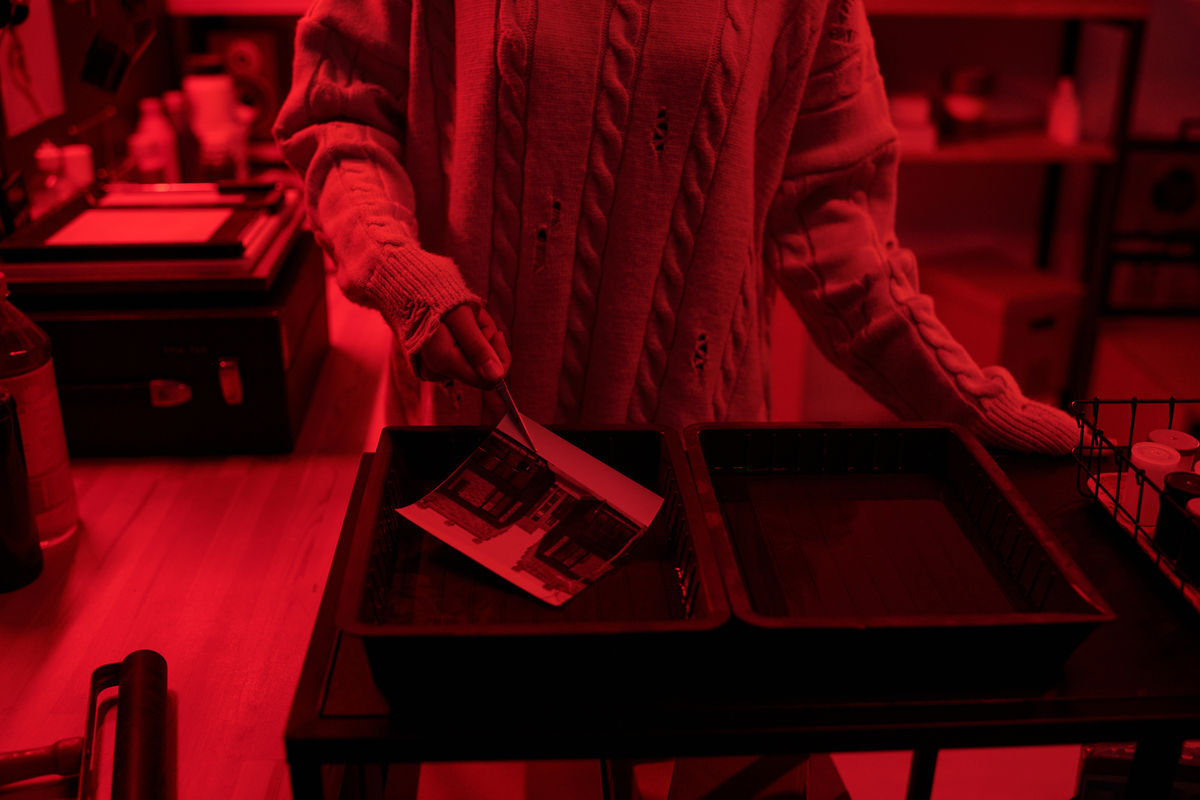
So Jüttner combined the metal engraving skills he had acquired in his youth with his dabbling in photography and began counterfeiting one-dollar bills. His method involved photographing genuine one-dollar bills, transferring the image to a zinc plate, and then manually engraving the details.
However, the counterfeit bills that were produced were quite crude. The paper and ink were different from the real thing, the printing was blurry, the lines were weak, and sometimes there were even spelling mistakes. Bank tellers and shopkeepers could easily spot them as fakes if they looked closely.
Nevertheless, Juttner still had a chance of winning.
The key takeaway is that 'most people don't carefully examine a one-dollar bill.' While some might hold a twenty-dollar bill up to the light or feel its texture, very few people bother to examine a worn-out one-dollar bill they receive in a busy store. Jüttner took advantage of this indifference.
He didn't distribute the counterfeit money in large quantities. He used it carefully, one bill at a time, in restaurants, bars, food stalls, and small shops. Because he wasn't trying to make a fortune, but just needed to supplement his living expenses, the investigation was difficult.
The Secret Service became aware of the circulation of poor-quality counterfeit $1 bills in New York and launched an investigation into case number 880. They distributed numerous warning posters and tracked down and interviewed people who used the counterfeit money, but because Jüttner didn't have any accomplices, didn't engage in large transactions, and only used the counterfeit money little by little, the culprit was difficult to find.
The turning point came in January 1948. Boys playing in a vacant lot on the Upper West Side found zinc plates and a 'strange dollar bill' in the snow. Later, it was discovered that a fire had broken out in a nearby apartment building, and firefighters had been throwing a room full of junk out the window. The counterfeiting tools were mixed in with the junk and discovered by the boys.
During questioning, the arrested Jüttner readily admitted to the crime. He reportedly stated that he had been making counterfeit bills for about nine to ten years and that 'I never gave more than one bill to the same person, so no one lost more than a dollar.'
Normally, counterfeiters don't garner much sympathy. However, Jüttner was neither a violent criminal nor a swindler aiming for large sums of money. The story of a poor old man surviving by making crude one-dollar bills one by one attracted public attention and sympathy.
In court, Jüttner pleaded guilty and was sentenced to one year and one day in prison, but was paroled after four months. His fine was only $1. The lenient sentence is thought to be due to his lack of greed.
After his release, Jüttner's story spread further, and in 1950 it was made into the film 'Mister 880.' Ironically, Jüttner ended up making more money from this film than from counterfeiting.
Afterward, Jüttner returned to a normal life and spent his later years in the suburbs of Long Island. He died in 1955 at the age of 79, and will be remembered as the man who made extremely shoddy counterfeit money and managed to evade capture for 10 years.
Related Posts:

in Free Member, Note, Posted by log1d_ts