A case in which an HIV patient who received a stem cell transplant from a sibling with genetic resistance to HIV had their immune system remodeled and was almost completely cured.

Long-term HIV-1 remission achieved through allogeneic haematopoietic stem cell transplant from a CCR5Δ32/Δ32 sibling donor | Nature Microbiology
https://www.nature.com/articles/s41564-026-02304-8
Sibling Stem Cell Transplant Leads to Rare HIV Remission in 'Oslo Patient' : ScienceAlert
https://www.sciencealert.com/sibling-stem-cell-transplant-leads-to-rare-hiv-remission-in-oslo-patient
'Oslo patient' likely cured of HIV after getting stem cell transplant from his brother, who is genetically resistant to the virus | Live Science
https://www.livescience.com/health/hiv/oslo-patient-likely-cured-of-hiv-after-getting-stem-cell-transplant-from-his-brother-who-is-genetically-resistant-to-the-virus
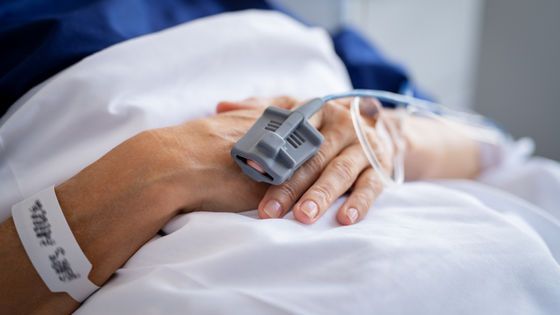
A man living in Oslo with HIV was diagnosed with the disease in 2006 at the age of 44, and began receiving antiretroviral therapy in 2010 to suppress the virus's ability to replicate in his body. This kept the amount of HIV in his blood below the detection limit, but in 2018 he was diagnosed with myelodysplastic syndrome, a condition in which abnormalities occur in hematopoietic stem cells in the bone marrow, leading to a decrease in blood cells.
Initially, the man's myelodysplastic syndrome went into remission with drug treatment, but it eventually relapsed, leading to consideration of hematopoietic stem cell transplantation. In hematopoietic stem cell transplantation, healthy hematopoietic stem cells harvested from a donor are injected into the body to replace the mutated hematopoietic stem cells. This allows the new hematopoietic stem cells to generate new blood cells, ultimately replacing the patient's blood supply and immune system.
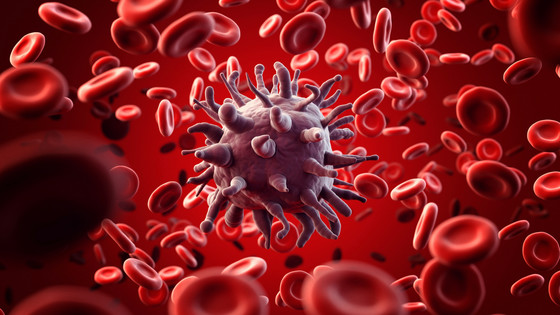
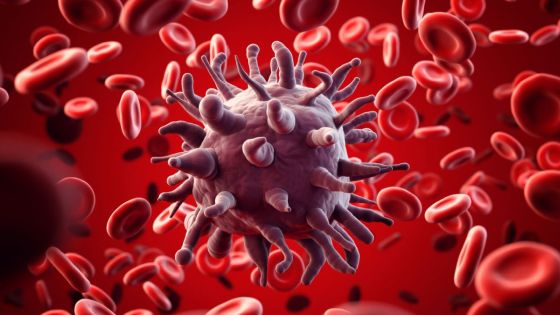
The man was scheduled to receive a hematopoietic stem cell transplant from his brother, but on the day of the transplant surgery, it was discovered that his brother had 'genetic resistance to HIV.' HIV infects cells by using a receptor called CCR5 on the surface of white blood cells, but the man had a CCR5 mutation called CCR5-Δ32 that prevented HIV infection.
The research team at the University Hospital of Oslo, where the transplant surgery was performed, decided to closely track the effects of hematopoietic stem cell transplantation on the patient. After the transplant, the man developed
The research team investigated the state of HIV in the bodies of patients who had received hematopoietic stem cell transplants. As a result, no traces of HIV remained in the patients' blood, and HIV was not found even when T cells , a major target of HIV, or lymphoid tissue, where HIV often lurks.
The patient discontinued antiretroviral therapy two years after hematopoietic stem cell transplantation, but there were no signs of HIV regrowth even five years after the transplant surgery. Furthermore, when the patient's immune cells were examined to see which viruses they responded to, they responded to common viruses such as influenza virus, but not to HIV.
Dr. Marius Trosaid, group leader at Oslo University Hospital, stated, 'His immune system is functioning normally, but it doesn't recognize HIV. It seems his new immune system has never encountered HIV before and therefore cannot recognize it.'
While these results suggest that the man's HIV is likely cured, the research team has conservatively described it as 'sustained remission.' Although there is no consensus that the HIV patient is officially cured, the man no longer needs to take medication to suppress the replication of HIV.
Trosaid commented, 'The man says he feels like he's won the lottery twice. He has recovered from a bone marrow disease that could have been life-threatening, and it is likely that he has also been cured of HIV.'
Related Posts:



in Free Member, Science, Posted by log1h_ik