Is crossing your legs bad for your health?

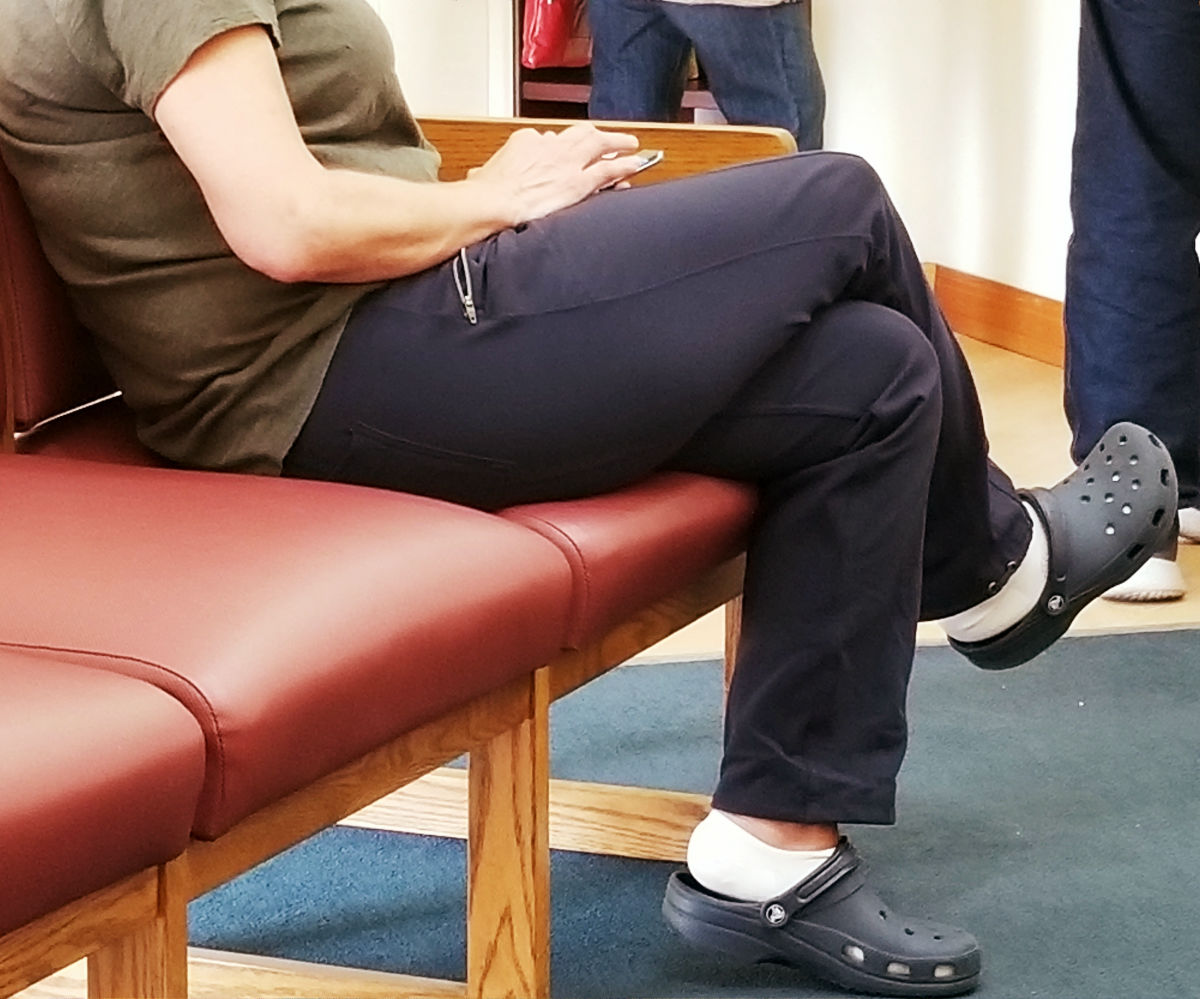
Many people have the habit of crossing their legs when sitting in a chair. There are theories that crossing your legs is bad for your health, such as 'it hurts your back,' 'it puts a strain on your knees and hips,' and 'it causes
Is sitting with your legs crossed actually bad for you?
https://theconversation.com/is-sitting-with-your-legs-crossed-actually-bad-for-you-279090
As a child, you may have been told to 'sit properly' or 'straighten your back' if you crossed your legs. Pate and his colleagues believe that because 'correct sitting' was long considered to represent discipline, self-control, and good conduct, it came to be said that sitting correctly was also good for your health.
It's true that sitting with your legs crossed for extended periods can cause stiffness, pressure in certain areas, and an urge to move. However, this is merely a signal that you should change your posture, and doesn't mean your body is being damaged.
Pate and his colleagues state, 'Is crossing your legs really bad for your health? For most people, the answer is probably 'no',' arguing that crossing your legs itself is unlikely to cause health problems. They then explain the health issues that are supposedly caused by crossing your legs, such as 'impact on the back,' 'strain on the hips and knees,' and 'increase in the risk of varicose veins.'
◆Will it have any effect on the back?
It is said that crossing your legs causes your body to twist, putting a strain on your back and potentially leading to lower back pain. However, research on posture and lower back pain has yet to reveal an 'ideal sitting position that protects everyone' or 'everyday postures that are definitely harmful to the body.' In fact,
Pate and colleagues stated, 'Posture is still important, but the back is strong and flexible and designed to withstand a variety of postures. Usually, the bigger problem is maintaining the same posture for long periods of time, regardless of whether you're crossing your legs, sitting up straight, or hunched over a laptop.'
◆What is the strain on the hips and knees?
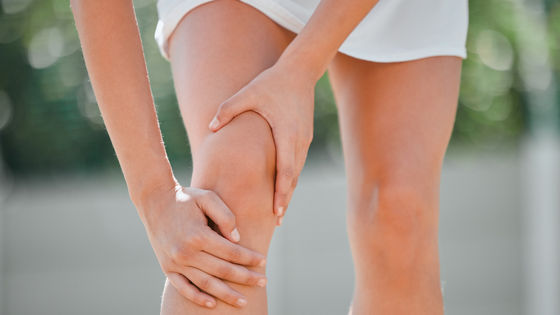
Some claim that crossing your legs wears down your hip and knee joints, but in reality, climbing stairs, running, and jumping put more strain on your hips and knees. While crossing your legs may temporarily change the angle of your joints, Pate et al. say there is little evidence that this causes arthritis or long-term damage.
When general clinical guidelines mention the stress on the hips and knees, the focus is on physical activity, muscle strength, healthy weight, and overall load on the joints, and there are no instructions to avoid specific sitting positions. Also, patients who have undergone total hip replacement surgery are sometimes instructed to avoid crossing their legs to reduce the risk of premature dislocation, but one clinical trial showed that such precautions do not affect the incidence of premature dislocation.
◆Does this increase the risk of varicose veins?
Varicose veins occur when the valves in the veins malfunction for some reason, causing blood to pool and the blood vessels to dilate. The risk of varicose veins is associated with factors such as age, family medical history, pregnancy, obesity, and prolonged standing work. However, there is no evidence to support a link between the temporary change in blood flow caused by crossing your legs and the risk of varicose veins.

Many people experience temporary numbness or discomfort in their hands or feet when sitting in the same position for extended periods. However, this is simply a signal that you should change your posture, and the discomfort will usually subside with a little movement.
Pate and colleagues stated, 'Variety of movement is more important than perfect posture. The body functions better with more options. Sit with your legs crossed if it feels comfortable. Then uncross your legs, shift your weight, lean back, stand up, or go for a walk. Often, the healthiest way to sit is to 'not stay in the same position for an hour.' Move your body more and change your posture. And believe that your body is stronger than you think.'
Related Posts:


in Free Member, Science, Posted by log1h_ik