China is introducing AI into primary and secondary schools to reduce the burden on teachers, improve educational environments in rural areas, and support students with disabilities.

In China, the government is actively promoting the introduction of AI into educational institutions. ChinaTalk, a media outlet that focuses on China, explained the reasons behind this.
China's AI Education Experiment - by Lily Ottinger
The Chinese government announced in 2021 that it had 'met the standards for compulsory education throughout the country,' shifting from the process of providing education to all citizens to the process of improving the quality of that education. In particular, the 14th Five-Year Plan, implemented from 2021 to 2025, prioritized the expansion of school infrastructure in rural areas, and significant resources were invested to provide internet access to almost all schools, including the introduction of 'smart hardware' such as digital blackboards into classrooms.
On the other hand, there are numerous challenges, such as the concentration of people in certain elite schools leading to depopulation in rural areas, and the fact that only about 60% of the population attends high school. ChinaTalk points out, 'Many families in rural areas hope to send their children to university. This is because university education offers not only higher income but also better healthcare and social status. When people think that these aspirations may be fulfilled, many become interested in the government's education policies. The government does not intend to create a system where everyone can receive a university education, but it needs to make parents feel that their children are living decent lives.' It explains that a certain level of investment in educational institutions is necessary to achieve this.
These incentives have made the government proactive in introducing AI. While some citizens oppose the introduction of AI, the government sees it as an essential tool for improving the quality of education and addressing the shortage of educational resources. Similarly, in the United States , some schools are using AI to take over teachers' duties, but some parents are unwilling to pay tuition fees to an AI.
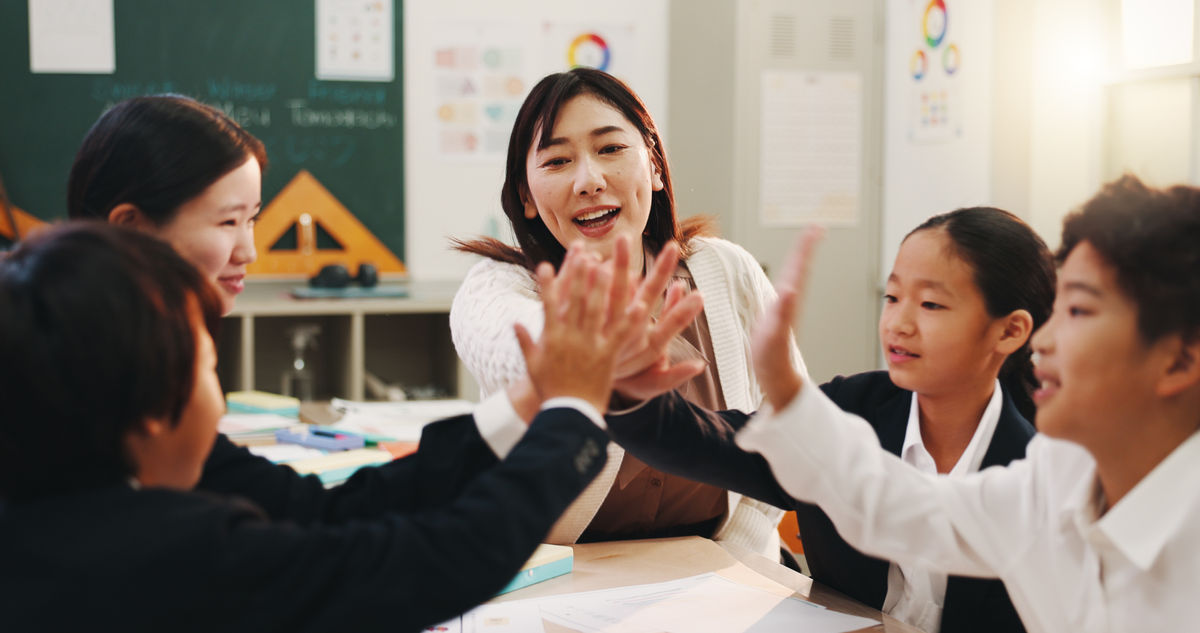
Examples of AI applications in China include reducing the workload of teachers, improving the environment in rural areas, analyzing students' biometric data, and supporting students with disabilities.
China has a low teacher-to-student ratio, resulting in often very large class sizes. While the government has set the standard primary school class size at 45 students, 'super-large classes' of 56 or more students remain common. These overcrowded classes are particularly prevalent in rural areas, which suffer from a chronic teacher shortage and the poaching of talented and experienced teachers by urban schools.
To address this situation, AI is being used to automate scoring, and in some cases, the evaluation of artwork, in particular, is being entrusted to AI. In addition, some institutions are using big data technology to analyze children and create personalized development plans, or to provide mental health care to students who show emotional instability. AI is also being used to support students with disabilities, for example, by applying AI functions that generate text-to-speech and illustrated books.
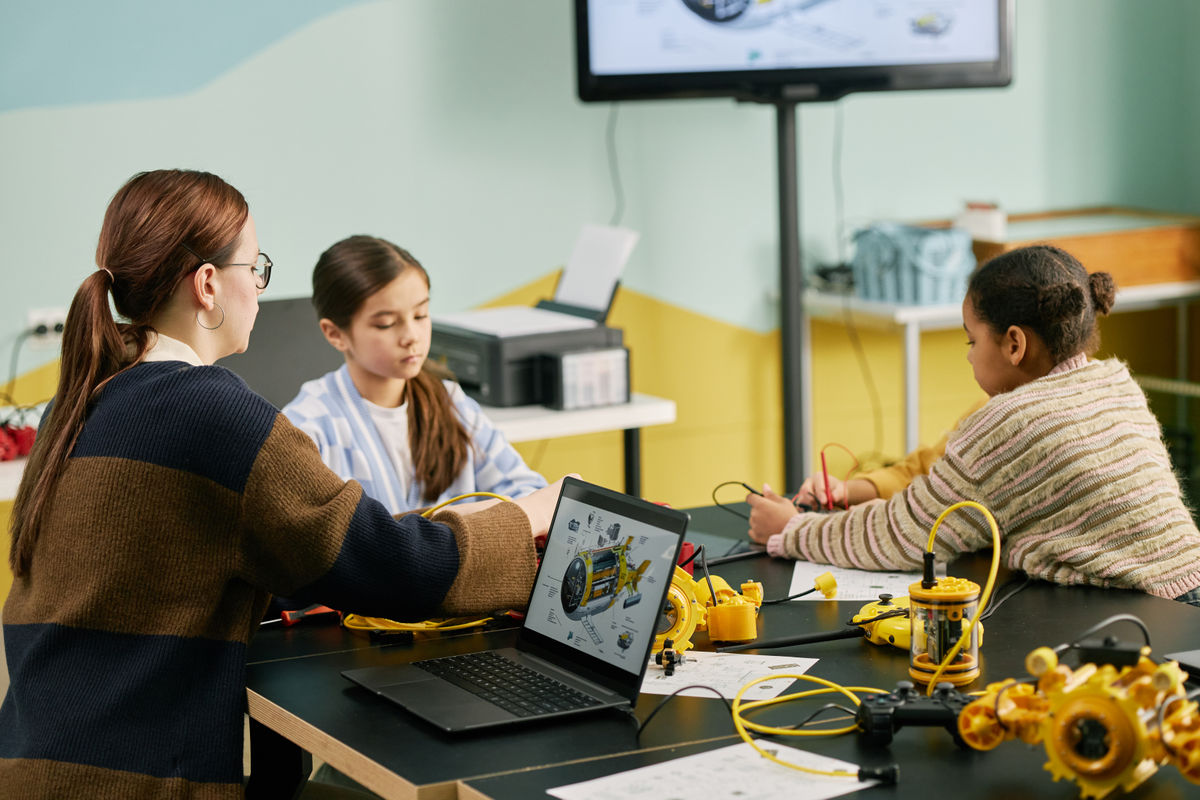
While this support has shown some benefits for Chinese children, ChinaTalk also points out that China's AI education experiment faces serious challenges.
One limitation is the use of AI education tools. Many of these tools are commercially developed, and companies are hesitant to invest in highly customizable tools. The wide variation in infrastructure, teacher quality, and curriculum makes it difficult to deploy the tools across rural schools. The cost of commercial software can also be a barrier to adoption.
Furthermore, many tools are not designed with rural infrastructure constraints in mind. Government standards require one computer for every 15 students, but a 2024 survey indicated a shortage of 8.5 million computers in rural areas. Additionally, while devices are needed to use AI homework tools at home, and smartphones are widespread in rural areas, it is difficult for parents to lend them to their children for extended periods every day or to purchase dedicated devices.
Even if students have devices, the software problem remains. AI curricula are primarily built on materials from elite schools and aim to bridge the gap in access to quality education, but the quality of primary education in rural areas remains low, even necessitating the introduction of AI at a younger age.
ChinaTalk stated, 'China's AI education experiment is still in its early stages, and due to decentralized implementation, significant regional variations in results are expected. The best-case scenario is that each region learns from its successes and failures, institutionalizes those insights, and supports resource-poor schools. Children in rural areas are already at a disadvantage, and we can only hope that local governments will prioritize AI tools that actually support learning, rather than just aesthetically pleasing systems.'
Related Posts: