How Microsoft squandered $1 trillion: A former Azure core engineer reveals the inside story of complacency and misjudgments that damaged trust in Azure.

Axel Reachin, a former core engineer at Microsoft Azure, Microsoft's cloud service, has exposed problems at Microsoft from an insider's perspective in a blog post.
How Microsoft Vaporized a Trillion Dollars

Lee Chin has been working at Microsoft since January 1, 2013, where he has worked on kernel improvements in the core OS team and has been involved in the development of container platforms such as Docker and Azure Kubernetes. Lee Chin joined the Azure team on May 1, 2023, and will be working as a senior member of the Overlake R&D team used in Azure Boost.
Then, in my first meeting with the team, I learned that they were trying to port Azure management software, which is Windows-based and contains a huge number of components, to Overlake accelerators.
The chips used in the Overlake accelerators were small, underpowered Linux-based chips with extremely limited power and memory. There was no way they could run the bloated management software that would slow down even server CPUs, and Leechin described the absurdity as 'like Elon Musk talking about colonizing Mars.'
Upon learning that the entire team of 122 people was engrossed in a plan that seemed impossible to realize, Lee Chin wrote about his feelings at the time, saying, 'My first hour in my new position was a mix of strange emotions, bewilderment, and disbelief.'

In subsequent investigations, Lee Chin confirmed that a total of 173 agents were planned to be ported. Lee Chin believed that Azure could be managed with far fewer agents, so he decided to investigate why 173 agents were needed. He found that no one could explain 'why 173 agents were necessary,' 'how they would work together,' or 'what functions each agent had.'
Furthermore, while millions of crashes occurred monthly, the majority were handled without a clear cause. There were also few engineers capable of setting up a development environment and performing local builds, and automated test coverage was below 40%, making it difficult to proceed with development smoothly.
Lee Chin sent several messages to management summarizing the main issues and organizational challenges in the Azure node stack, stating that he was 'ready to lead the rebuild if given the right role,' but received no response.
Microsoft had previously made massive investments in OpenAI in multiple installments since 2019 and held priority negotiation rights regarding computing providers. However, in January 2025, OpenAI announced a contract with another company , Oracle.
OpenAI and SoftBank announce 'Stargate' project to establish AI data center with investment exceeding 70 trillion yen - GIGAZINE
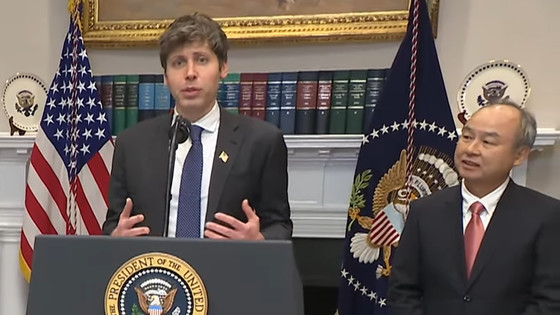
Given the ongoing chaos on the ground, Lee Chin stated, 'It was probably difficult for Microsoft to meet OpenAI's stringent requirements.' Subsequently, Microsoft relinquished its priority negotiation rights with OpenAI in October 2025.
Following the poor growth of Microsoft's cloud business, its stock price plummeted in the second-quarter earnings announcement in January 2026. Its market capitalization, which had once exceeded $4 trillion (approximately 640 trillion yen), had shrunk to around $2.8 trillion (approximately 447 trillion yen) by April 2026.
Microsoft's market capitalization falls by $357 billion, and its stock price experiences its biggest drop since 2020 - GIGAZINE

Related Posts:








in Note, Posted by log1d_ts