A Chinese-made electric vehicle crashed after its lights went out while driving due to a malfunction in its voice assistant.

In recent years, cars that support 'voice commands' have appeared, allowing drivers to turn on the air conditioning or play music using their voice. However, it has come to light that this system has backfired, as an accident occurred in China where a driver accidentally turned off their headlights using a voice command.
Thinking about the light of the light?
A voice command glitch is plunging Chinese EVs into darkness - CnEVPost
https://cnevpost.com/2026/02/27/voice-command-glitch-plunging-evs-into-darkness/
A Software Glitched Turned Off The Lights, Then The Car Crashed
https://insideevs.com/news/788549/lynk-co-voice-command-headlights/
According to reports, when a driver of the Lynk & Co Z20 model issued a voice command to turn off the interior lights while driving, the voice assistant apparently misinterpreted it as a command to 'turn off all the lights in the car,' and literally turned off all the lights, including the headlights.
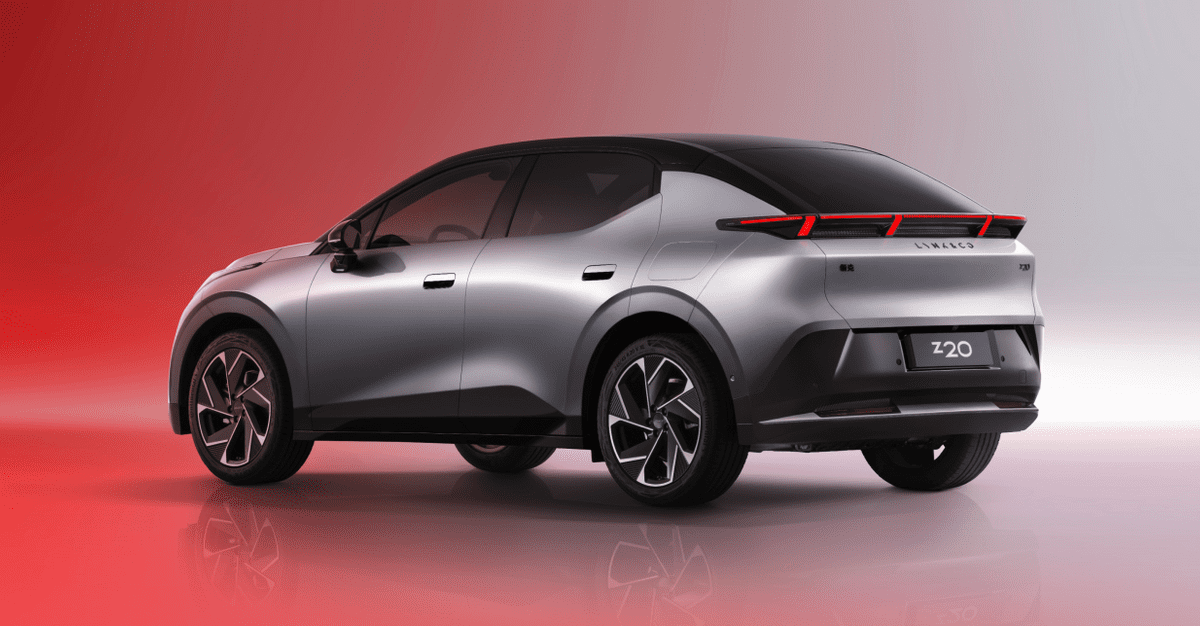
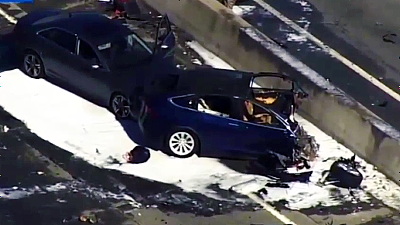
The driver attempted to turn the headlights back on using a voice command, but the voice assistant responded, 'That operation cannot be performed yet.' As a result, the driver crashed into the median strip due to poor visibility.
Click the image below to see footage of the accident.
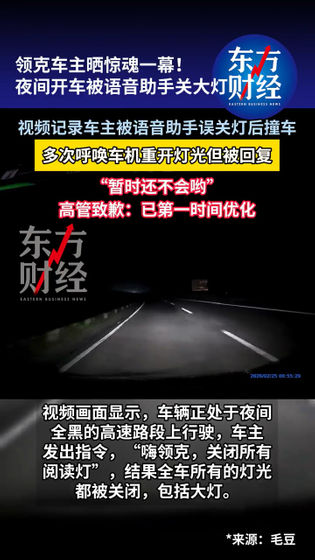
Lynk & Co responded quickly to the issue. Mu Jun, the company's Vice President of Sales,
According to automotive media outlet CNEVPost, this issue may not be limited to Lynk & Co. Owners of other brands, such as Zeekr and Deepal, have tested the system and found that while direct commands like 'turn off headlights' are blocked, broader, more ambiguous commands like 'turn off all lights' can bypass safety restrictions and allow headlights to be turned off even while driving.
Zeekr and Deepal both stated that they have addressed vulnerabilities through updates, preventing users from turning off their headlights with voice commands while driving. Furthermore, Zeekr revealed that it has begun a systematic review of safety-related features across all its models to eliminate potential hazards.
Related Posts: