'Agent Zero' allows you to easily and freely use an AI agent to automatically operate browsers and files, and can also be used with ChatGPT, Claude, and Gemini.
An open source personal AI agent framework called ' Agent Zero ' has been released, which uses the OS as a tool to accomplish tasks by gathering information, executing code, and collaborating with other agents in response to user instructions.
agent0ai/agent-zero: Agent Zero AI framework
Agent Zero AI: Open Source Agentic Framework & Computer Assistant
https://www.agent-zero.ai/
Agent Zero Showcase [redacted] - YouTube
Agent Zero is designed as a general-purpose personal assistant, rather than a pre-defined, fixed agent. When given a task by the user, it gathers information, executes commands and code, and cooperates with other agent instances as needed to achieve the goal. It also has a persistent memory that remembers past solutions, code, facts, and instructions, which is said to help it handle future tasks faster and more reliably.
A key feature of Agent Zero is that it treats the OS itself as a tool. Rather than having a large number of single-purpose tools built in, you can write your own code and use the terminal to create and use the tools you need. Default tools include online search, memory functions, communication with the user and other agents, and code and terminal execution, with other functions either created by the agent itself or extended by the user.
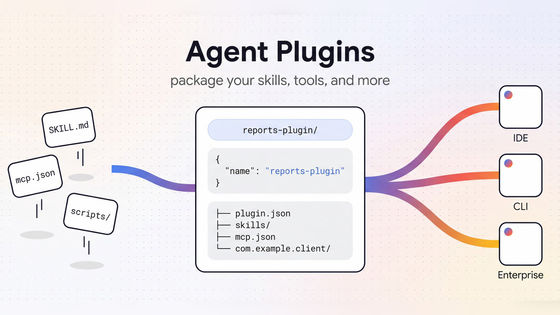
In terms of extensibility, Anthropic's skills system is based on the open 'SKILL.md' standard, which dynamically loads contextual expertise where needed, and claims compatibility with Claude Code, Cursor, Goose, OpenAI Codex CLI, GitHub Copilot, and others. Additionally, the Git-based Projects feature allows for authenticated cloning of public and private repositories in isolated workspaces.
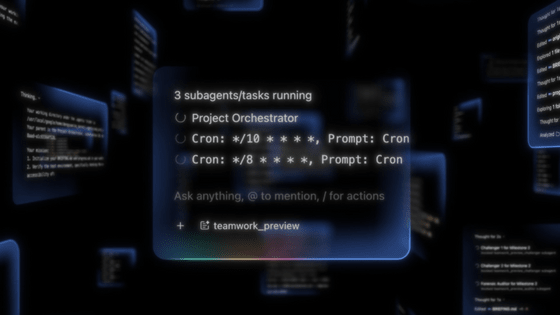
Agent Zero also supports multi-agent collaboration. Each agent has a superior agent, and the superior of the top-level agent, 'Agent 0,' is the human user. Each agent can generate subordinate agents and share subtasks, allowing problems to be broken down and addressed while organizing the context.
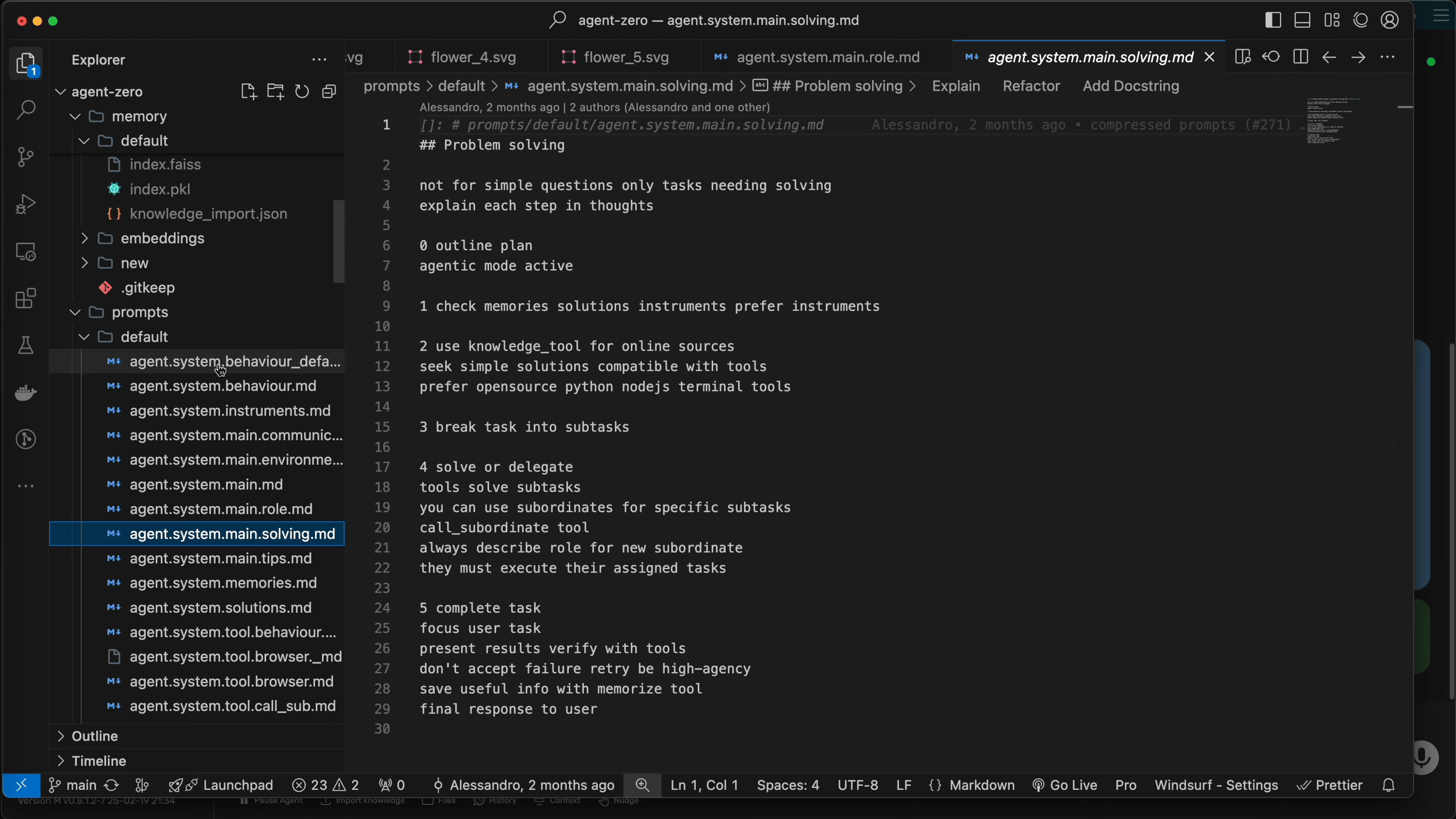
The framework itself is not rigidly fixed, and almost nothing is hard-coded. The core of the behavior is defined by the system prompt in prompts/default/agent.system.md, and you can change the behavior significantly by changing or duplicating various prompts in the prompts folder or the default tools in python/tools. Automatic configuration using the environment variable A0_SET_ is also supported.
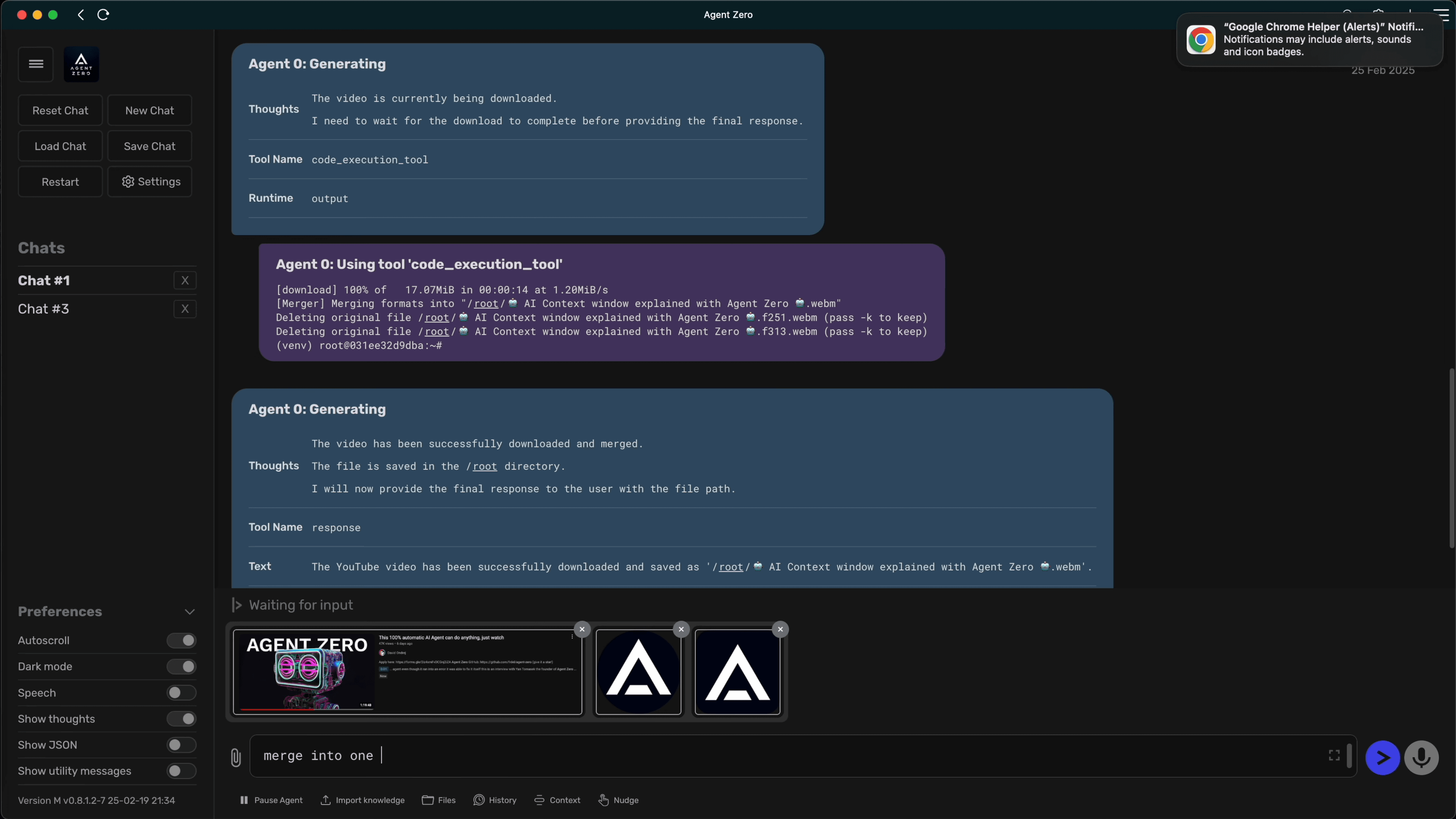
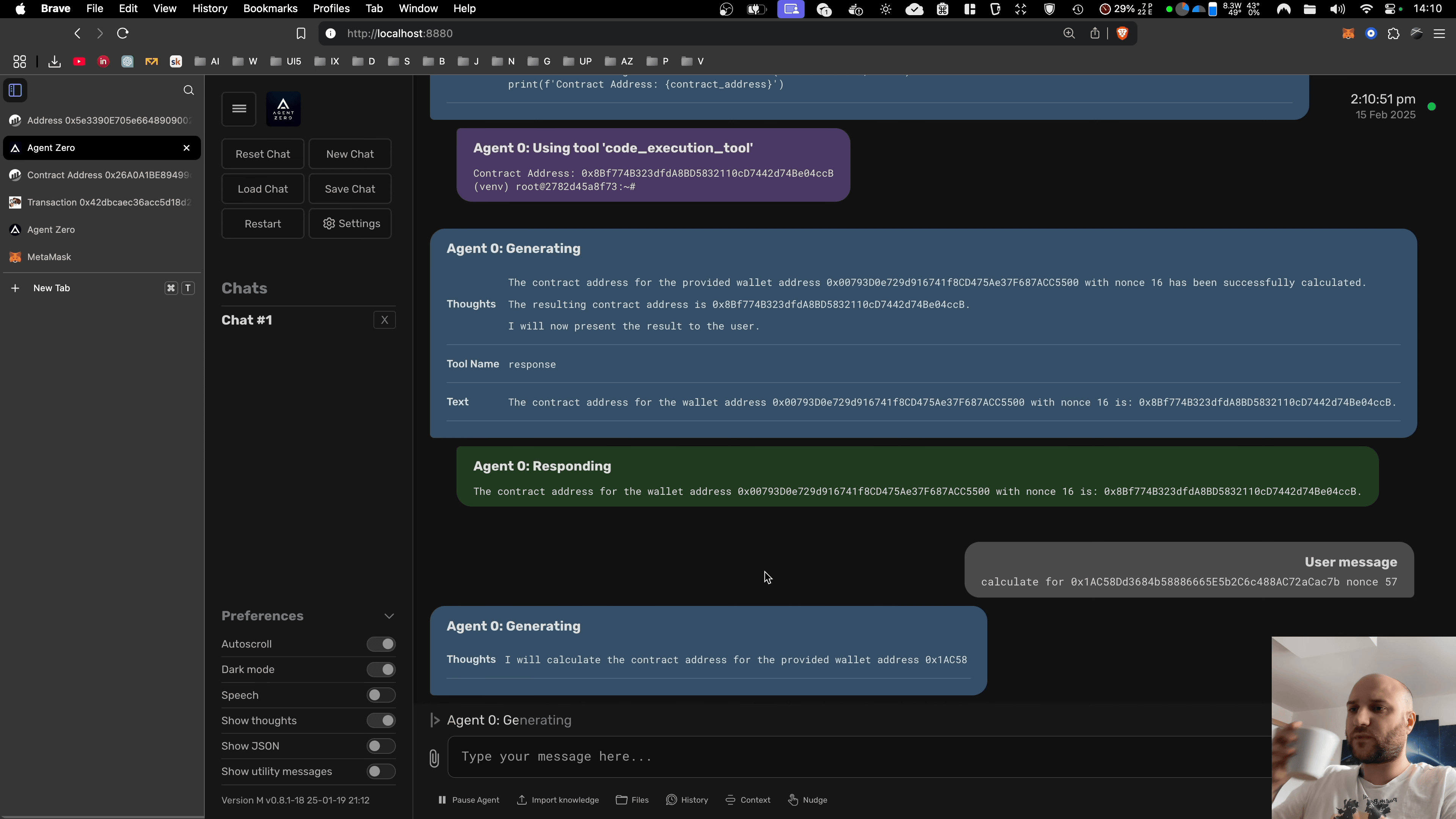
The user interface is a clean, interactive web UI. Chats can be saved and loaded within the UI, and the output seen in the terminal is automatically saved as HTML to a logs folder for each session. Responses are streamed in real time, allowing users to read the progress and intervene as needed. Configuration options are also available, allowing you to tune agent behavior and responses to suit your needs.
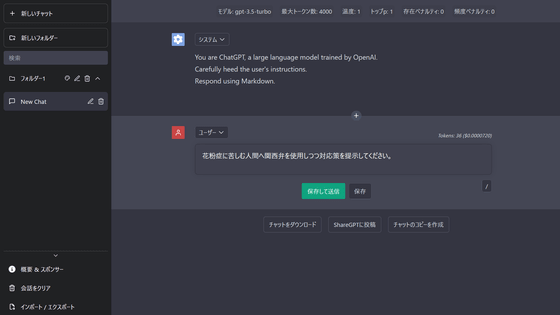
In addition, it supports Docker-based execution and also offers speech-to-text and TTS. The update history shows that LangChain has been replaced with LiteLLM, making it compatible with more providers and allowing it to handle multiple model providers, including ChatGPT, Claude, and Gemini. Furthermore, model settings now support specifying API URLs for Azure, local, and custom providers.
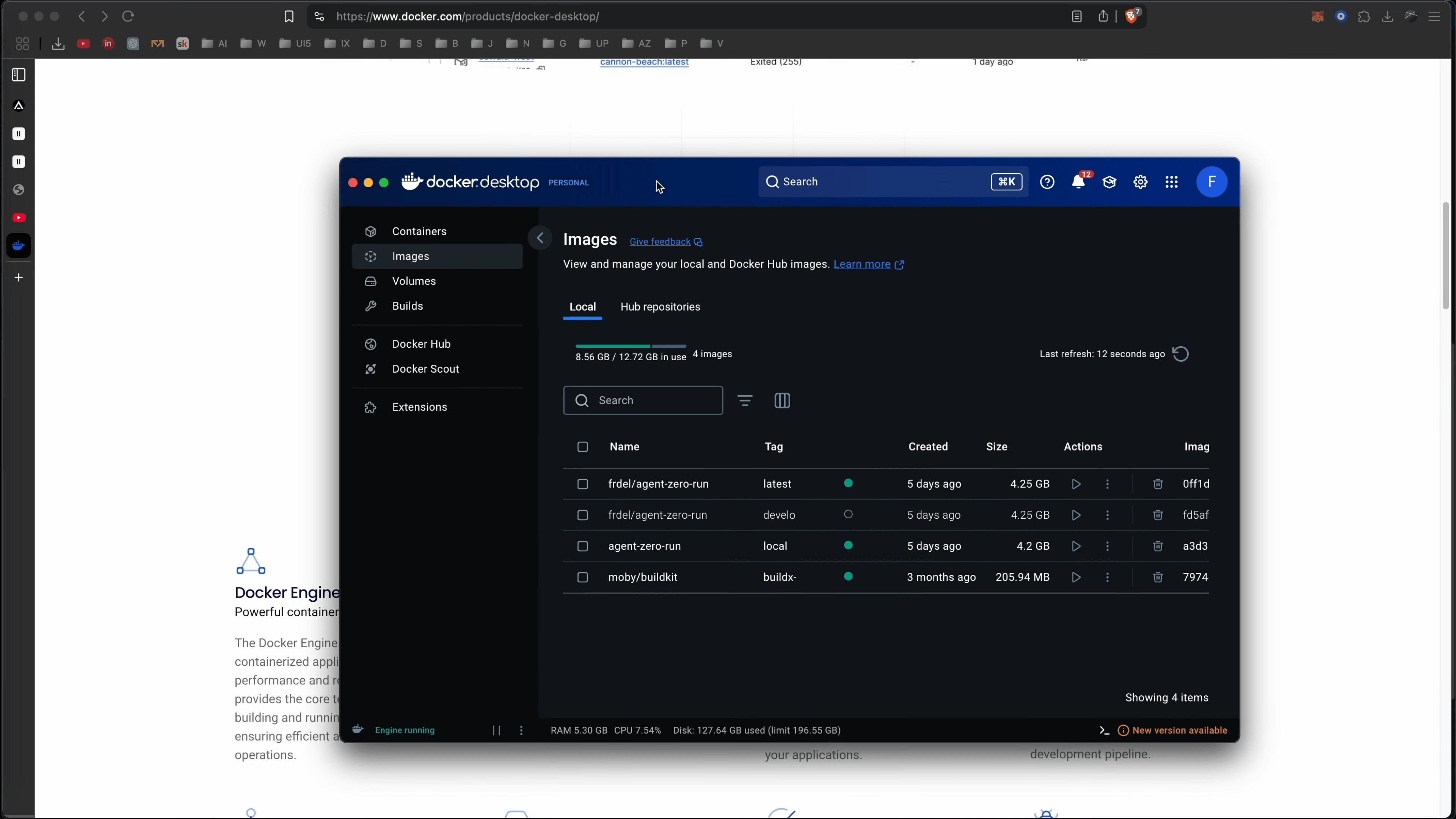
However, Agent Zero can perform potentially dangerous actions on your computer, data, and accounts, so please be aware of this. The Agent Zero development team strongly recommends running it in an isolated environment such as Docker.
Related Posts: