What is the 'secret to living a long life' taught by the ancient Romans?

Just like modern people, ancient people wanted to know how to live long, healthy lives, and some writers tell anecdotes of people who lived to be over 100. So,
How to live a long and healthy life, according to the ancients
https://theconversation.com/how-to-live-a-long-and-healthy-life-according-to-the-ancients-274975
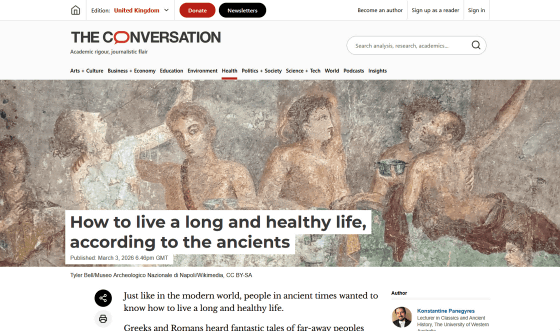
Lucian , a writer active in the Roman Empire around the 2nd century, wrote in his book, 'There are some peoples who are said to live to be 300 years old, such as the Chinese. Some attribute their longevity to the climate, others to the soil, and still others to their diet. The Chinese, as a whole, are said to drink only water. The people of Mount Athos are said to live to be 130 years old, and the Chaldeans are said to live to be over 100 because they eat barley bread to preserve their eyesight.'
While this statement may be inaccurate from a modern perspective, it is clear that many ancient Romans were interested in ways to live long, healthy lives and believed that living to over 100 years of age was possible.
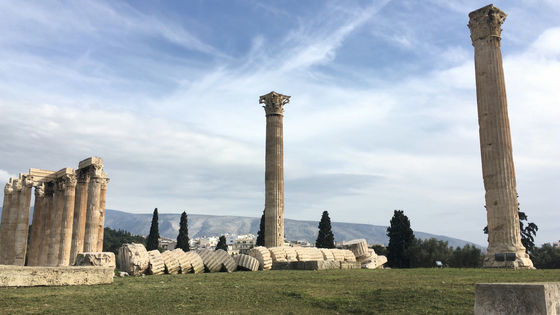
Galen , a physician active in Greece during the Roman Empire, was himself a long-lived man, born around 129 and living until 216. He also wrote about two other long-lived people he personally knew in Rome.

by Wikimedia Commons
The first person Galen mentioned was a grammarian named Terpus, who lived to be almost 100 years old. He reportedly ate three meals a day, but his meals were simple.
Galen wrote that Terps' breakfast consisted of 'porridge boiled in water mixed with the finest raw honey,' that for lunch he ate 'vegetables first, then fish or fowl,' and that for dinner he only had 'bread
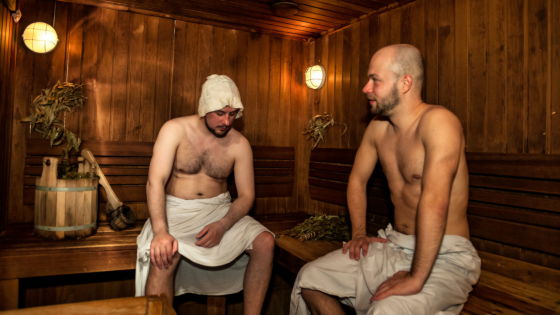
Terps also had unusual bathing habits, bathing twice a month in winter, four times a month in summer, and three times a month in between. On days when he didn't bathe, he would receive an olive oil massage in the morning.
The second person Galen spoke of was a physician named Antiochus who lived into his 80s. He ate 'bread with honey' for breakfast, 'fish caught from the rocks or deep sea' for lunch, and for dinner he ate porridge with oxymel (a mixture of honey and vinegar) and chicken with a simple sauce.
In addition to this frugal diet, Antiochus went for a walk every morning and also enjoyed riding around the city in a chariot or in a chair carried by slaves. Galen also wrote that Antiochus would engage in 'exercises suitable for an old man,' such as oil massages followed by walking around without tiring himself.

Galen wrote, 'Antiochus thus passed through his old age, and continued to live to the end with all his senses intact and all his limbs sound,' concluding that Antiochus' daily routine likely contributed to his health. Galen also cited the commonalities between Tereps and Antiochus as 'eating several meals a day, consisting chiefly of meat, whole grains, bread, and honey, and spending every day in active activity.'
In his essay, Lucian also states, 'People who practice proper exercise and a healthy diet have lived longer, whatever the soil and climate,' and recommends imitating the lifestyles of people who have lived long, healthy lives.
'So if you lived in second-century Rome, people like Tereps and Antiochus, who ate simple meals and stayed active throughout their lives, would be good role models,' Panegyres said.
Related Posts:




in Free Member, Note, Posted by log1h_ik