Humans used to sleep twice a day, but why did we lose that habit?
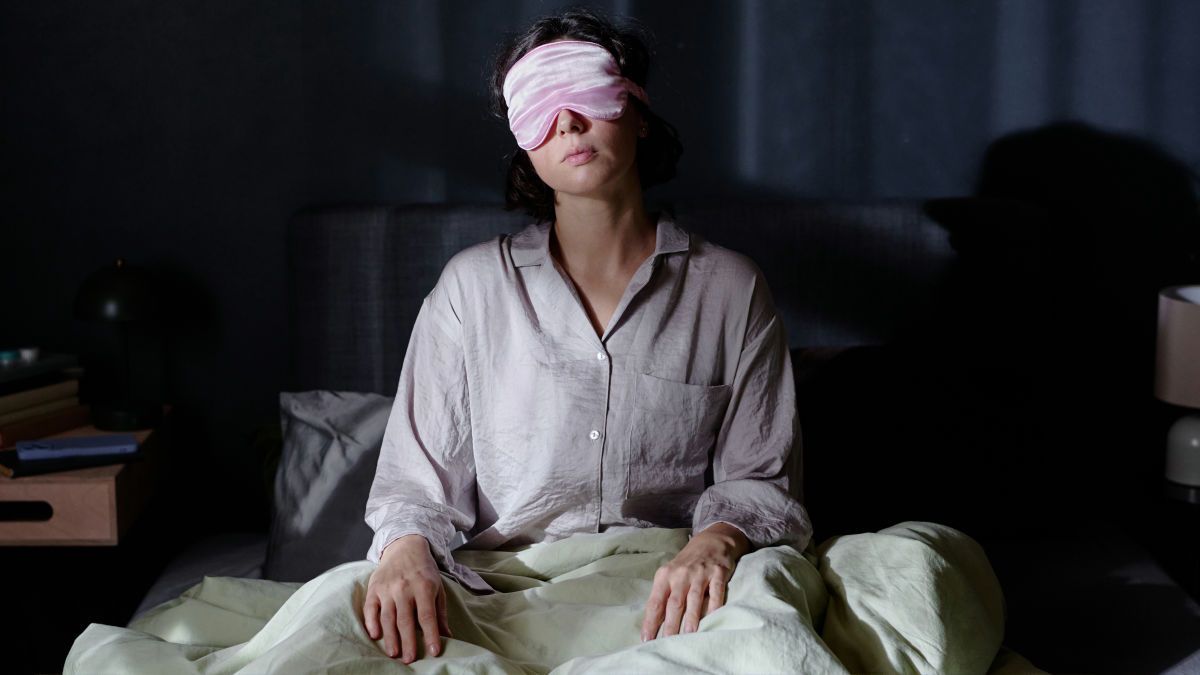
Most modern people sleep for about 6 to 8 hours at a time, but for most of human history, people slept twice a night. Darren Rose, a cognitive psychology lecturer at Keele University in the UK, explains how people slept twice a night and why this habit was lost.
Why we used to sleep in two segments – and how the modern shift changed our sense of time
Rose points out that for most of human history, continuous seven to eight hours of sleep wasn't the norm, but rather people slept in two separate periods of several hours each. These periods were called 'primary sleep' and 'secondary sleep,' and typically had periods of wakefulness of an hour or more between them. In fact, historical records from Europe, Africa, and Asia describe people going to bed early after dark, waking again in the middle of the night, and sleeping until dawn.
Dividing the night into two periods may have changed how people perceived time. Even on long winter nights, Rose pointed out that a period of wakefulness of at least an hour after the first sleep period made the night less continuous and more psychologically manageable. Midnight was also by no means 'dead time'; people performed tasks such as stirring the fire in the hearth or observing the animals. Some people even prayed to God or thought about the dreams they had just had while in bed.
Letters and diaries from before the Industrial Revolution record people using the quiet time in the middle of the night to read, write, or spend quiet time with family and neighbors. Many couples also used this time as a time for marital or romantic time. The poetry of the ancient Greek poet Homer and the Roman poet Virgil contains descriptions of 'the time to finish the first sleep,' indicating how common it was to have two separate sleep periods.

The two phases of sleep loss were the result of major societal changes spanning roughly two centuries. First, the arrival of artificial lighting—oil lamps, gas lamps, and finally electric light—in the 18th and 19th centuries transformed the dark night into a more beneficial wakefulness time, with people staying up late under light rather than going to bed immediately after sunset. Biologically, exposure to light at night alters circadian rhythms, causing people to fall asleep later and, once asleep, becoming less likely to wake in the middle of the night.
The Industrial Revolution also made factory work common, but factory workers were required to follow strict time schedules that recommended only one break. By the early 20th century, this strict societal approach to sleep meant that the practice of splitting sleep into two periods was lost and replaced by eight hours of continuous sleep.
In
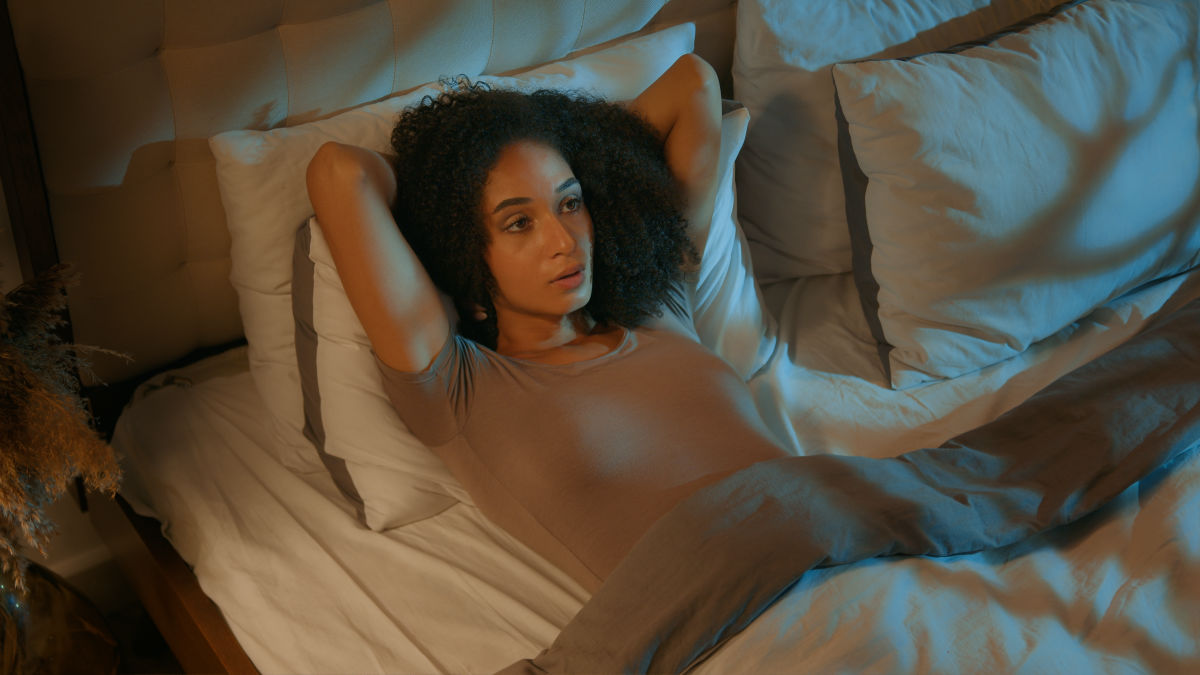
Sleep clinicians point out that brief awakenings during sleep are normal, especially during transitions between sleep stages. The brain's sense of time is elastic, and boring or dark places can make time seem slower, which can make you feel like you're awake for longer periods of time during the night.
Cognitive behavioral therapy for insomnia advises people to get out of bed after 20 minutes of waking in the middle of the night, do quiet activities like reading in a dimly lit environment, and then return to bed when they feel sleepy.
'Sleep experts recommend covering up the clock and stopping the clock when you're having trouble falling asleep,' Rose said. 'Calmly accepting that you're awake and understanding how our minds perceive time may be the surest way to find peace again.'
Related Posts:






in Note, Posted by log1h_ik