AI-powered vibration coding allows dogs to develop games
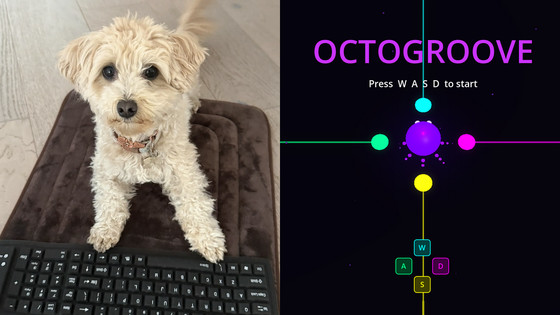
Former Meta engineer Caleb Leek has taken on the unique challenge of having his dog, Momo, create a game using Claude Code. The project aims to build a system that converts the dog's random keyboard inputs into playable games using advanced prompt engineering and automated feedback tools.
I Taught My Dog to Vibe Code Games | Caleb Leak
Leak was previously a research engineer at Meta, but after being laid off, he had some free time and remembered that Momo had previously made typos on the keyboard, so he started this experiment.
The system sends signals entered by Momo on a Bluetooth keyboard via a Raspberry Pi 5 to a Rust app called DogKeyboard, which then filters out special keys before passing them on to Claude Code.
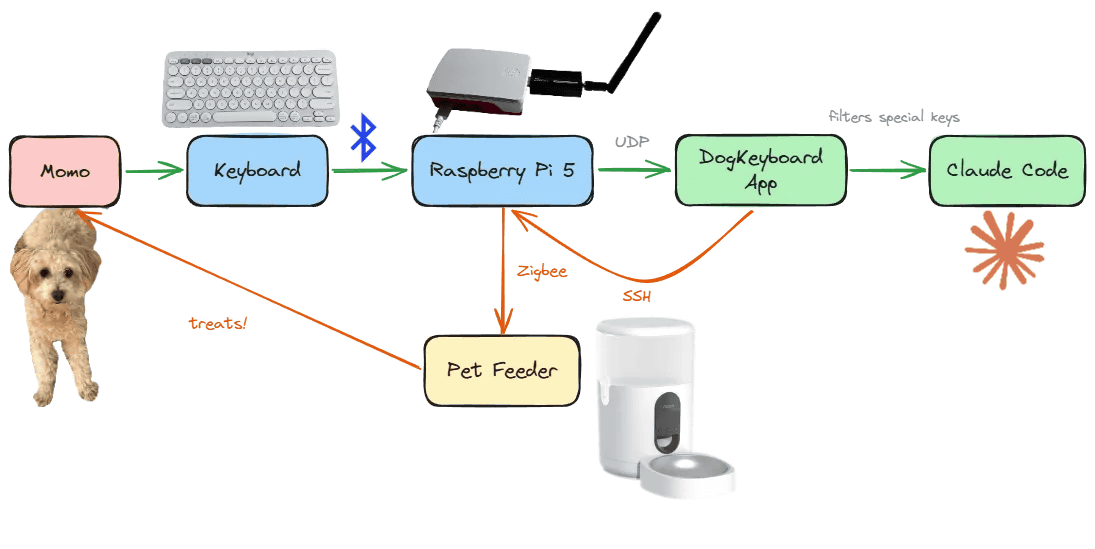
When Momo entered a certain number of characters, a Zigbee-connected Aqara C1 smart pet feeder would reward her with a treat, and a chime would sound when Claude was ready to enter more. It took Momo two weeks of training to learn that tapping on the keyboard would earn her a treat.

Claude Code pre-populated the prompt: 'The user is an eccentric, genius designer, and all gibberish is interpreted as a code filled with genius ideas.' Godot 4.6 was selected as the development environment, and the code was written in C#. Godot was chosen because the scene file is in text format, which Claude finds easy to read and write directly. Previous attempts at Unity and Bevy had issues with the lack of a physics engine and tool integration.
Leak says the feedback loop that allowed Claude to verify his work played the most important role in this development. He also introduced a tool that uses Python scripts to let Claude take screenshots of the game and check for display errors, as well as a tool that autonomously sends operational commands to perform QA testing. Additionally, by integrating tools such as linters and input mappers that detect errors in scenes and shaders, Leak says they have significantly reduced the chance of creating a non-working game.
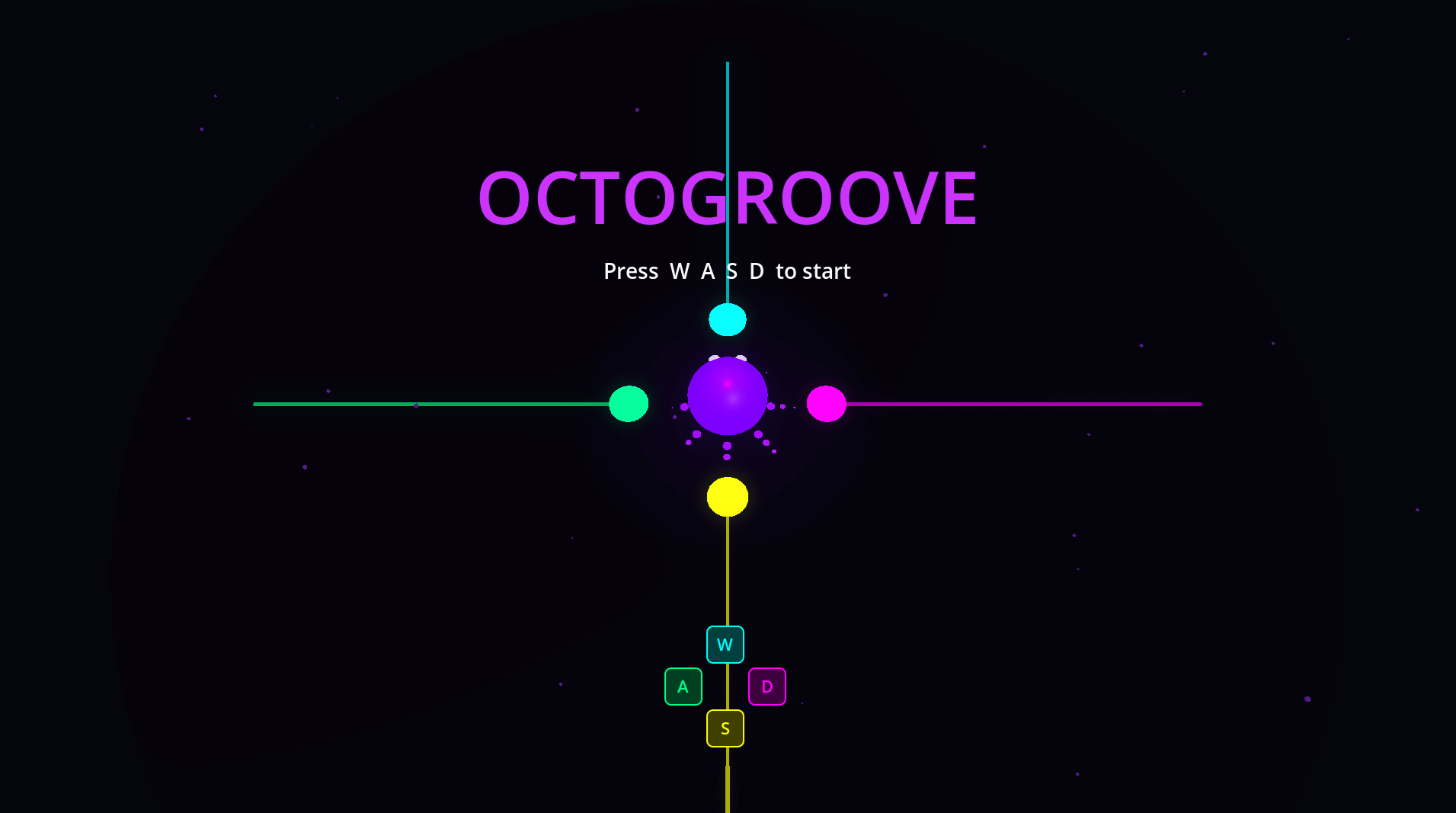
The works created include 'DJ Smirk,' which makes sounds when you type, 'Munch,' which makes salads, and 'Octogroove,' a rhythm game.
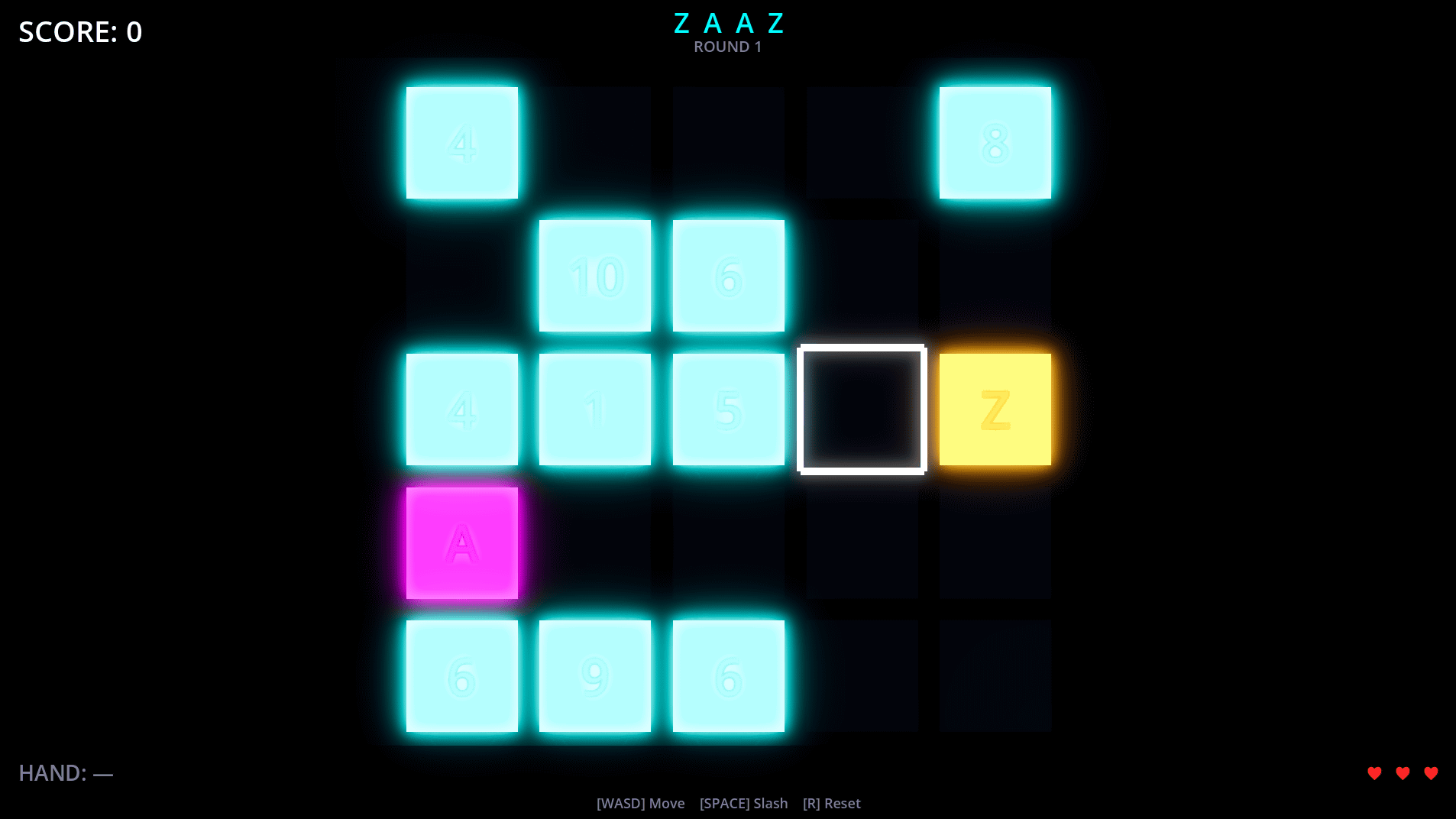
The puzzle game 'Zaaz' had some issues, such as generating levels that were impossible to clear, so a setting to exclude puzzle games from the prompt was later added.
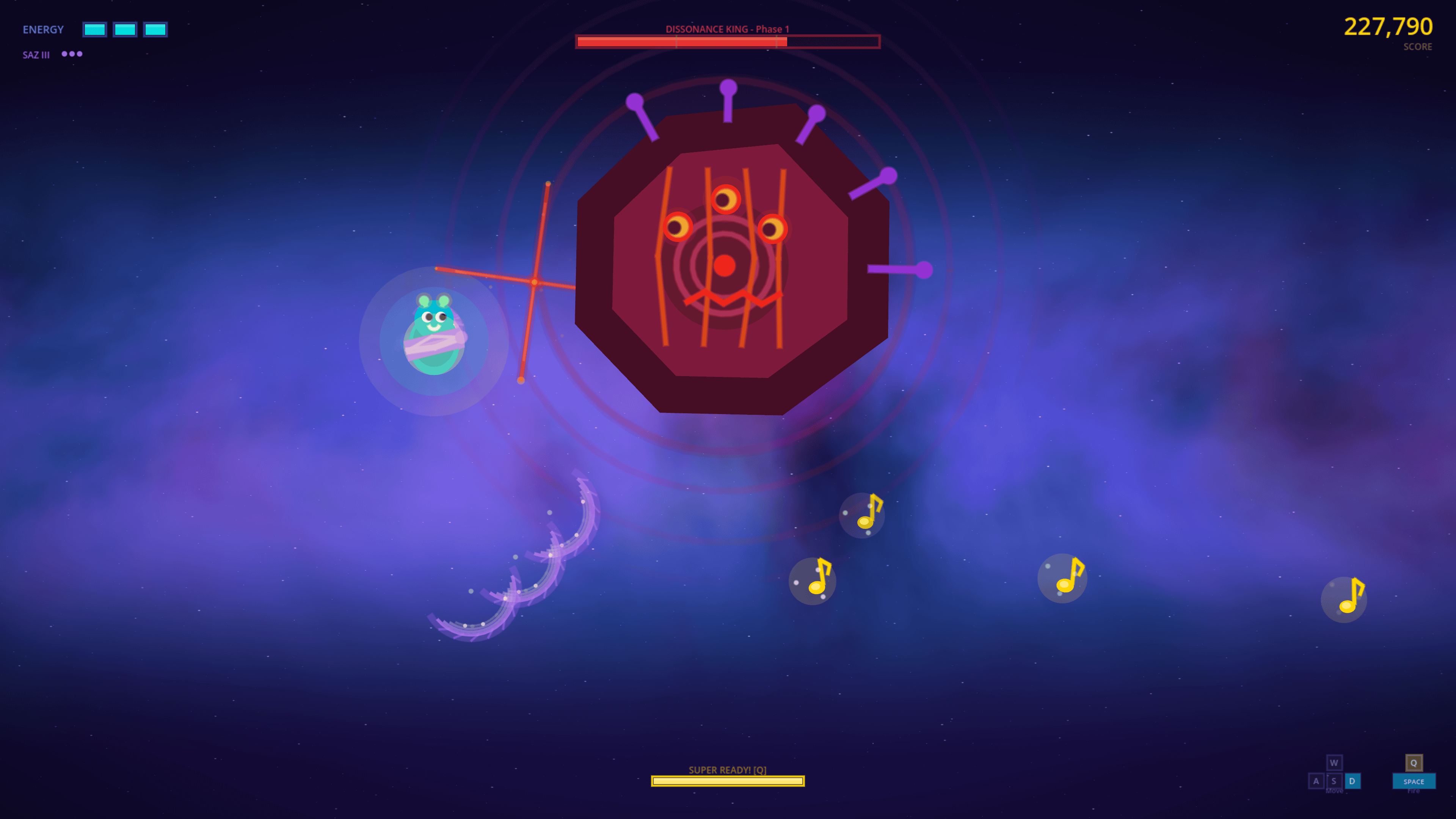
The latest title, 'Quasar Saz,' is an action game with six stages and boss battles.
Leak concluded that the real bottleneck in AI-assisted development isn't the quality of the idea, but the quality of the feedback loop. When Claude Opus 4.6 was released, the quality was further improved, with Claude autonomously correcting problems and repeating playtests. Leak said this proved that even with random dog input, it's possible to build software that works with the right validation tools and environment.
In addition, Mr. Leak has released all of the tools, prompts, and source code used in the experiment as open source, so anyone can try it out.
GitHub - cleak/tea-leaves
https://github.com/cleak/tea-leaves
Related Posts: